@hjluks This is a topic that many Rads and Orthos must learn and understand!! ⚠️
Normaly… (at least in Mexico)
Radiologist report these tears (DEGENERATIVE) as RUPTURES
Normaly…
Orthos do operate these “RUPTURES” to “FIX THEM”, acelerating knee OA!
A vicious cycle!
@DhananjayaSabat Its a mix of issues. 1. ACL insuf (rot) due to tunnels position (tib tunnel little bit ant, maybe causing impingement), 2. LM dysfuntion, no MRI cut showing the root, for sure is causing certain degree of OA, 3. Do tib slope msrments to check if its contributing w/ instability.
@PhilippNiemeyer Im still using aiming device. 🎯
Prof. Do you recomend free hand for an early careerist?
Or to reach a specific number of ACLR and then move to free hand?
Very useful!
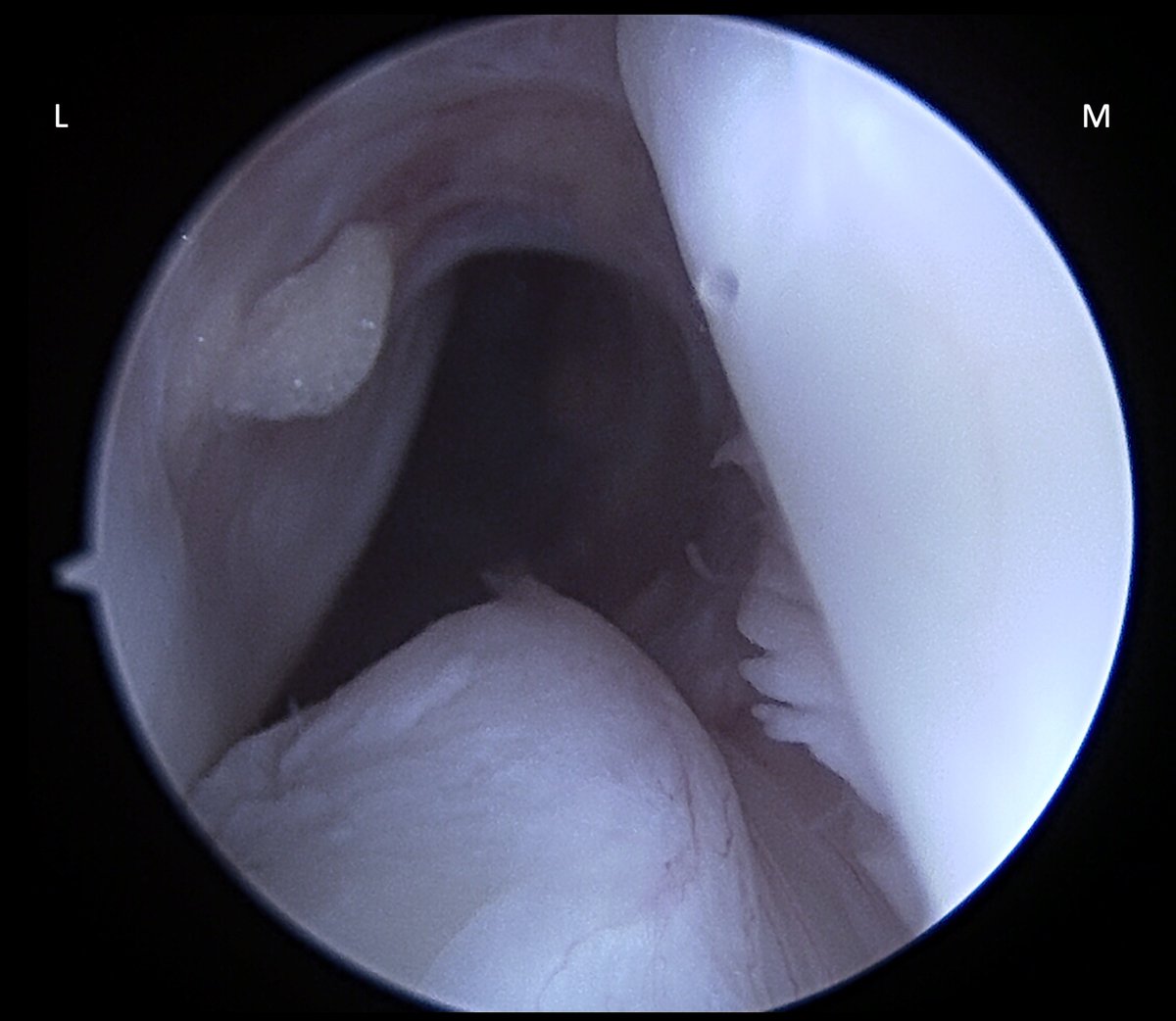
In this case (chronic): A bad quality MRI, where the ACL "does not appear injured in any cut", to demonstrate (by imaging) that the patients needs surgery.
Arthroscopic finding attached.
#ACL#arthroscopy#sportsmedicine
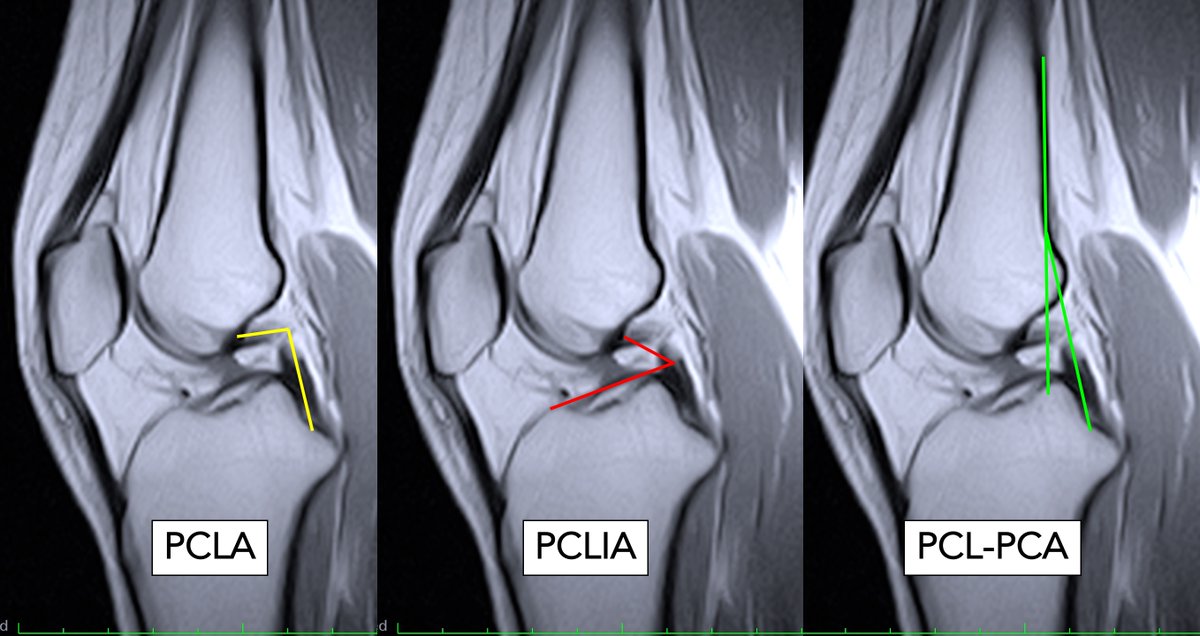
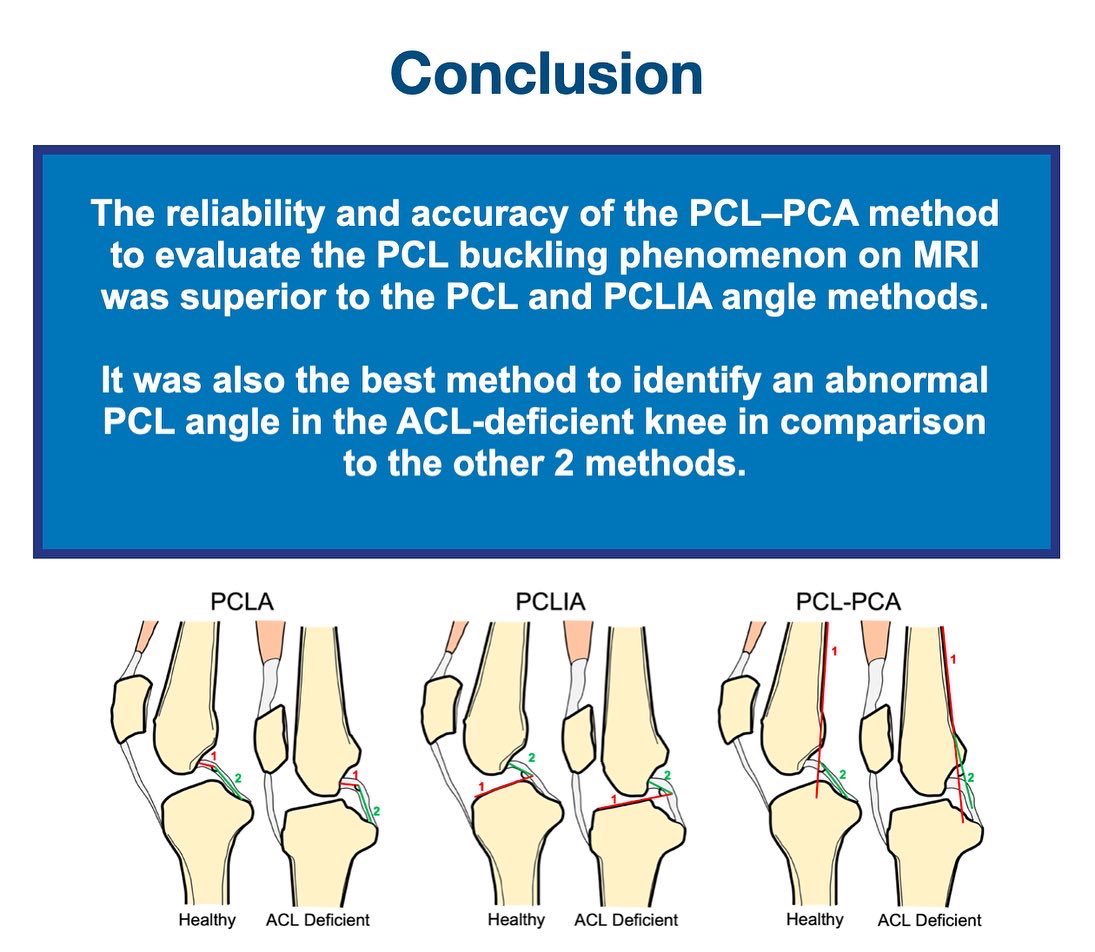
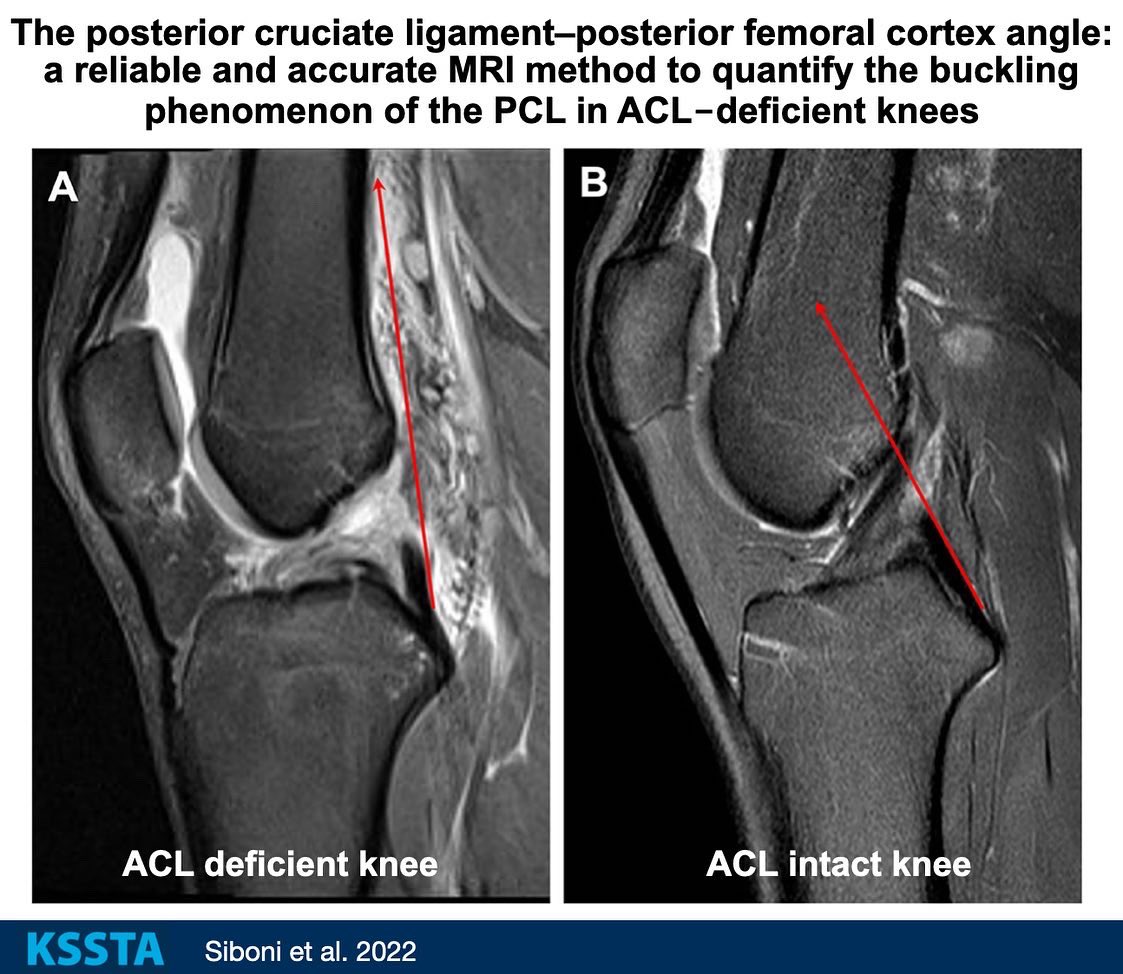
The PCL-PCA method provided the highest precision to measure of the buckling PCL, representative of anterior tibial translation and the best discrimination ACL-deficient and ACL-intact knees
#kneesurgery#ACLrehab#sportsmedicine#radiology
Link: https://t.co/UvRXnsQzuB
@DrJN_SportsMed All comments very interesting!
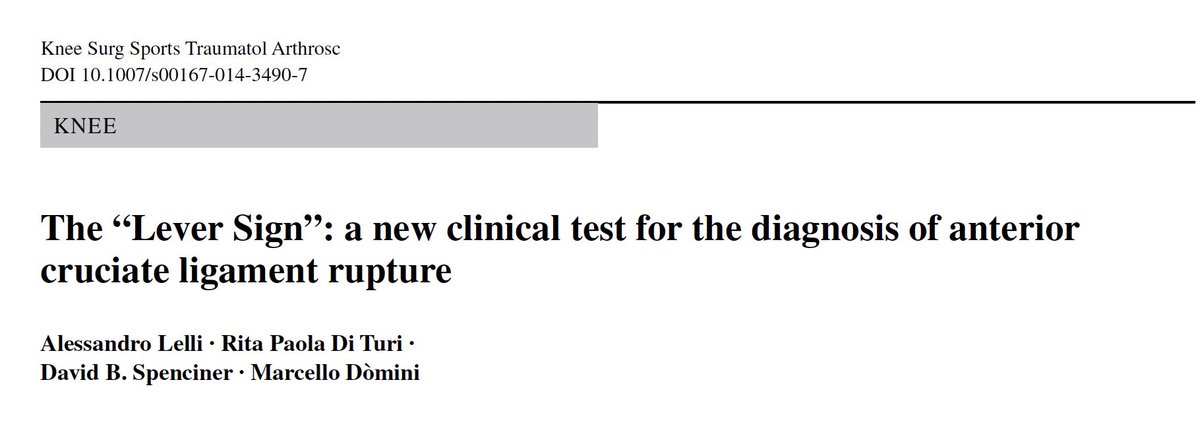
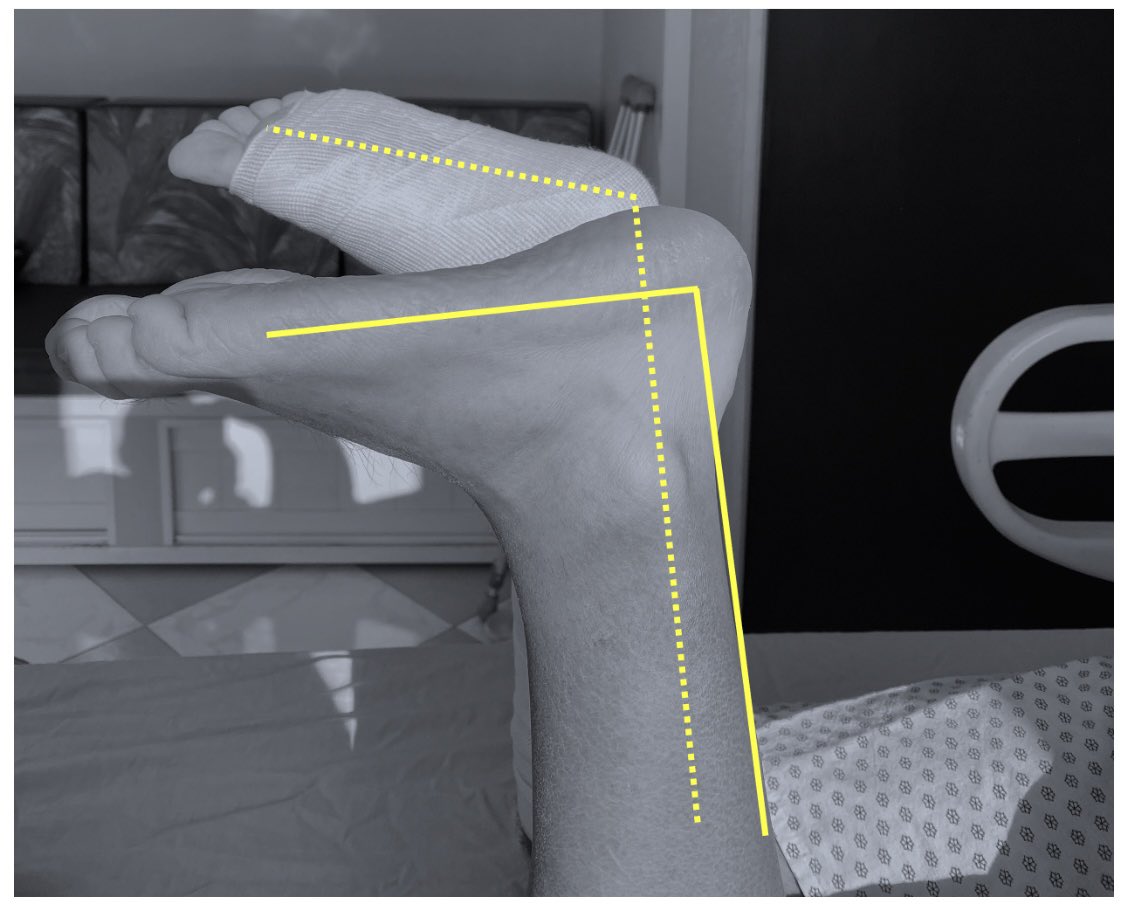
I’ve found Lever test usefull in px that refer instability but dont present a quite significant and + Lachman.
In hard surface, if positive, for me indicates ACL insufficiency, in clinic and UA.
@Sporthopedia Buen recordatorio!
En particular el “Lever Test” me ha funcionado para tomar decisión de tratamiento en lesiones parciales donde el LCA es insuficiente.
Saludos✌🏾
@doctormacias@trauma_modern •Tambien ocurre en pacientes con condiciones metabólicas u hormonales, principalmente: Diabetes mellitus e hiperlipidemia (colesterol / triglicéridos).
•A mi me gusta ver el signo de Matles. 👇🏾