Understanding what determines blood flow in the circulation is central to haemodynamic management!
Check out this Core Topics paper - Energy, flow & pressure in the cardiovascular system: a narrative review of how the circulation works
#anaesthesia #MedTwitter
https://t.co/cQnhj1ADh9
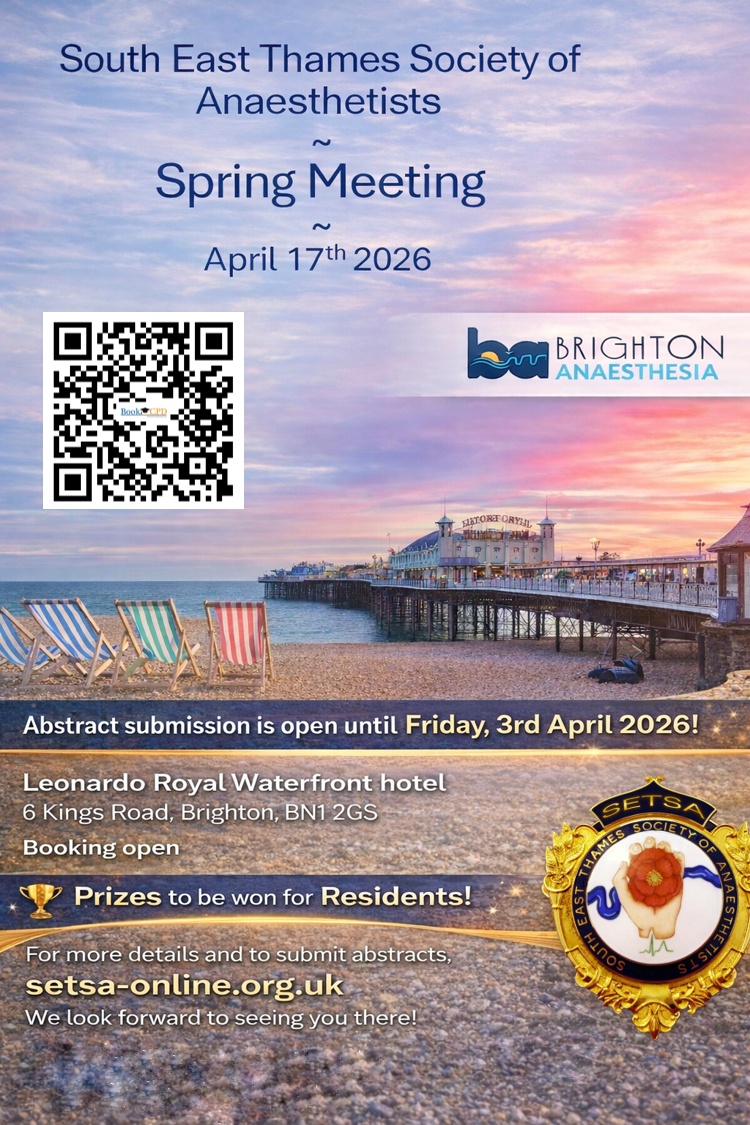
Abstract submission is open for SETSA 2026!
📅 Deadline for submissions & conference registration: Friday 3rd April
🏆 Prizes to be won for residents for both oral and poster presentations
Don’t miss the opportunity to showcase your work
#Anaesthesia#SETSA#MedEd
Top AI Tools which actually works in 2026:
1. ChatGPT – ask anything
2. RecCloud – change voice
3. Krea ai – create logos
4. ElevenLabs – voice cloning
5. Gamma app – design documents
6. Suno ai – make music
7. Runway ml – edit videos
8. Relume - web design
9. Descript – edit audio
10. Tome app – presentations
11. Perplexity ai – research
12. PicWish – edit photos
13. LumaLabs ai – 3D models
14. Pika art – AI videos
SAVE THIS
We are deeply saddened by the passing of our council member and friend, Felicia “Flick” Cox, a devoted nurse, mentor and tireless advocate for people in pain. Our thoughts are with her family. Condolences and memories can be shared on Flick’s memorial page https://t.co/HzyWiUjtud
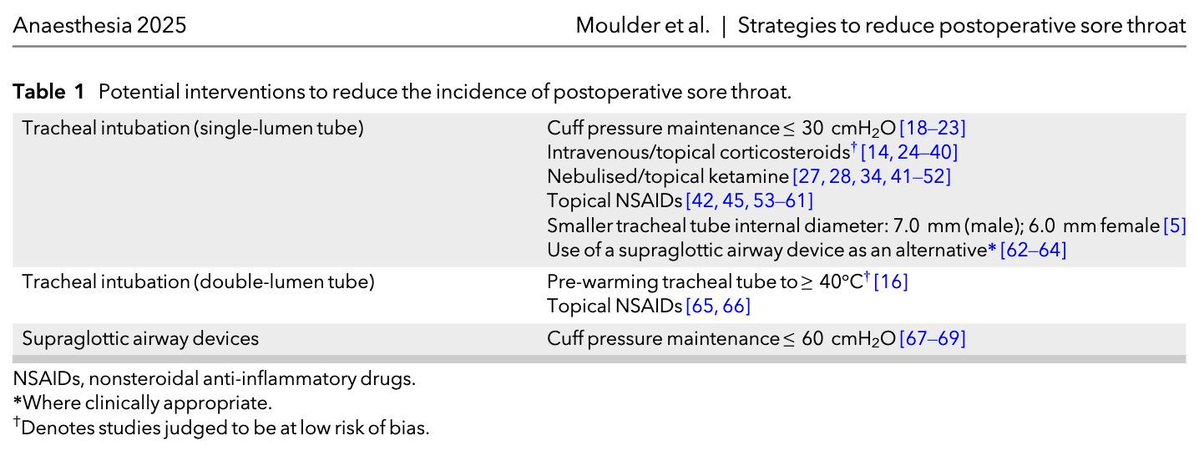
What strategies can be used to reduce the incidence of post operative sore throat?
• Cuff pressure ≤ 30 cmH2O
• IV/topical corticosteroids
• Nebulised/topical ketamine
• Topical NSAIDs
• Smaller tube: 7.0 mm (male); 6.0 mm female
• Use a SAD instead
#anaesthsia #MedTwitter
https://t.co/CcZORE9WVa
I belong to Generation X, the ones born between 1965 and 1980, and I’ve always felt like we were the quiet ones in the background, the ones who had to figure things out on our own. We grew up in a time of transition—between the analog world and the digital age, between the stability of the past and the uncertainty of the future.
We were the kids who walked home from school alone, managed our own schedules, and learned early on to be self-sufficient. Our parents were busy, often working hard to keep up with the economic pressures of the time. We didn’t have the luxury of constant supervision, but that taught us independence and responsibility.
As adults, we entered the workforce during a time of change. We saw the rise of personal computers, the internet, and the shift from long-term corporate jobs to a more flexible, contract-based economy. We learned to adapt, to be versatile, and to question the status quo. We weren’t interested in climbing the ladder the way our parents did—we wanted balance, autonomy, and meaning in our work.
I’ve always valued honesty, practicality, and results. We don’t play games with words or politics. If something needs to be done, we do it. We respect hard work, but we also believe in taking time for ourselves and our families. As a parent, I try to be involved but not overbearing, to guide without controlling.
I take pride in being part of a generation that’s been through a lot but still stands strong. We may not have gotten the spotlight, but we built the bridges that connect the past to the future. We are the ones who quietly made it work.
Dr. Arshad Afzal
Former Faculty Member, Umm Al Qura University, Makkah, KSA