Really enjoying @SRCDtweets this year! I’m giving a talk tomorrow in the symposium, “Early neural development in low-resourced settings” about infant EEG trajectories predicting late talking in toddlerhood for children growing up in poverty 🧠👶👧 Hope to see you there!
Check out the recent announcement from the #NICHD about the NIH Baby Toolbox and its potential to revolutionize early childhood development assessments. #EarlyChildhood#PediatricResearch
⬇️ Read the full article here: https://t.co/xrx5GQadSo
Hearing depends on a series of complex steps that change sound waves in the air into electrical signals that travel to the brain. This #BrainAwarenessWeek March 10–16, explore how we hear: https://t.co/SaCxzvNemZ. #BrainWeek#BrainScience
It's #BrainAwarenessWeek! Share NIMH resources to help educate the public about the impact of brain science on our everyday lives and inspire the next generation of scientists! https://t.co/FKJaKIh3Gl. #BrainWeek
���� How do individual differences in fetal, infant, and toddler (FIT) neurodevelopment shape long-term #brain and #behavioral outcomes?
���� A new FIT'NG paper explores this question and the challenges of measuring early brain #development.
🌐 Read more: https://t.co/SzyajARXY4
Noise is all around us, but exposure to too much loud noise can damage our hearing. During October’s #NPYHM, check out our interactive noise meter to discover how loud common sounds are and get tips on what you can do to protect your hearing. https://t.co/0RVVLcMhbS
It’s National Protect Your Hearing Month! Join us in spreading the word about these steps for practicing #SafeListening: lower the volume, move away from the noise, & wear hearing protectors, such as earplugs or protective earmuffs: https://t.co/gbMQbe1yIQ #NPYHM
Save the date! On 10/18, the @NIH TALK initiative is kicking off its fall series with the Longitudinal Data workshop. Speakers will discuss projects that use longitudinal methods & considerations for research on late talkers. https://t.co/JR6J43EbqC
.@drcarolw shares new data on developmental trajectories of EEG activity from 0-3 years—revealing age-dependent, nonlinear changes in periodic alpha and beta brain waves that are suggestive of distinct milestones in circuit maturation.
https://t.co/iM9DtA6FQ3
“The link between non-human primate vocalizations and cognition is not constrained by maturation alone: Evidence from healthy preterm infants"
📢New paper from: @drkaligator & @sandyrwaxman@icdcnu
https://t.co/fhLWtuBGPb
1/5: 🌟 Just In: The world's first digital atlas of fetal brain development is here! 🧬 A global team of over 200 researchers collaborated to unveil the human brain's structural journey during weeks 14-31 of gestation-- filling a critical 6-week knowledge gap on early development
What causes dyslexia? Scientists are searching for clues in the brain and identifying many factors — neural to societal — that are linked to the condition https://t.co/OQmCEKsZ75
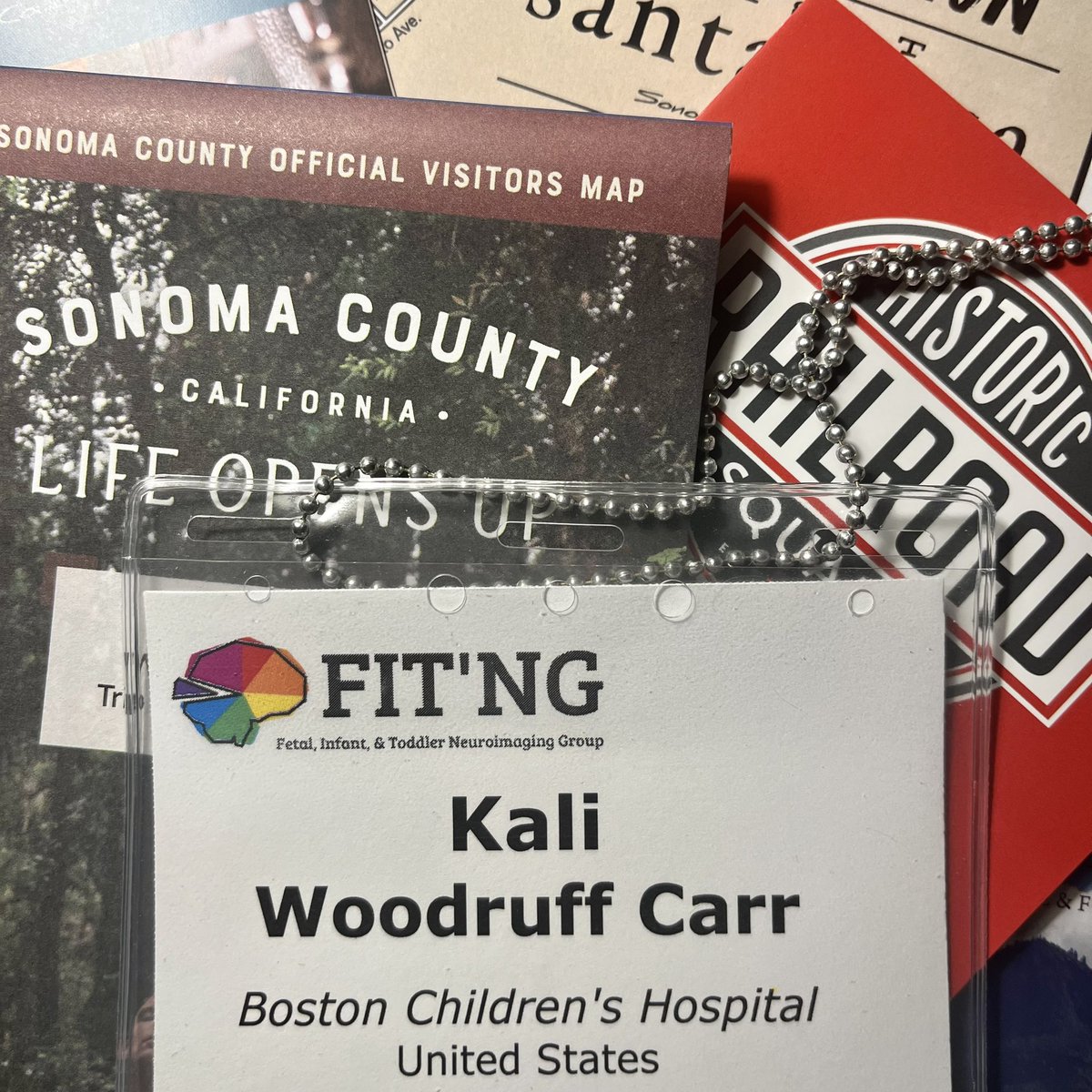
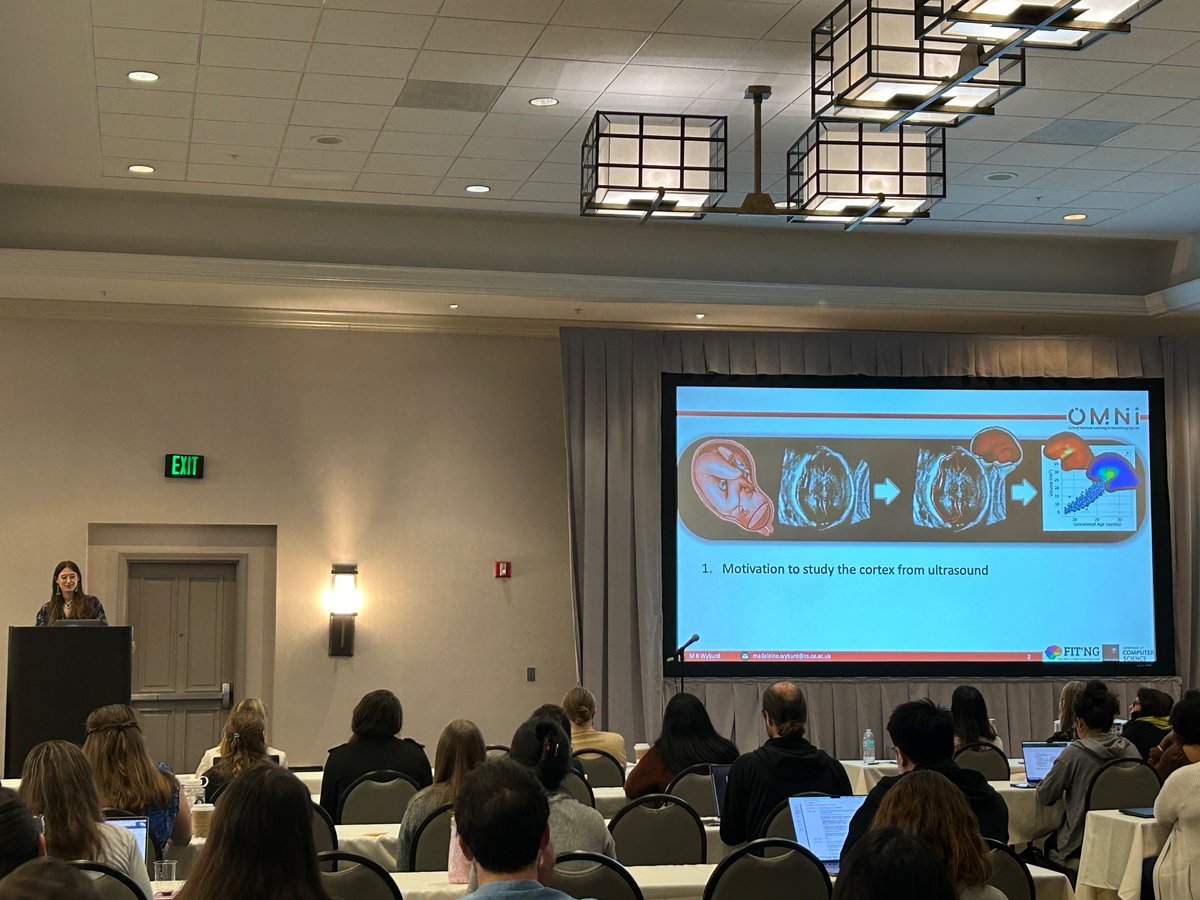
Thanks @FIT_NGIn for a great conference! Our lab had a great time sharing our work and learning from the interesting talks and discussions 👶🧠🍷 #FITNG2023
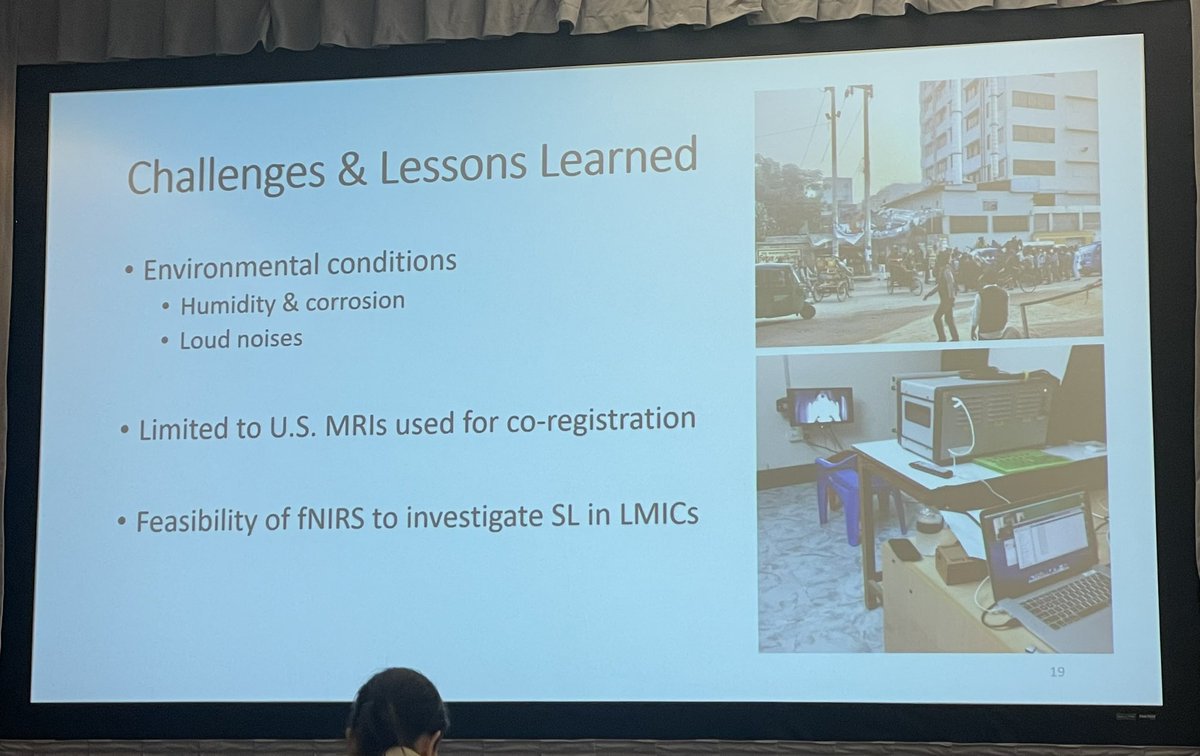
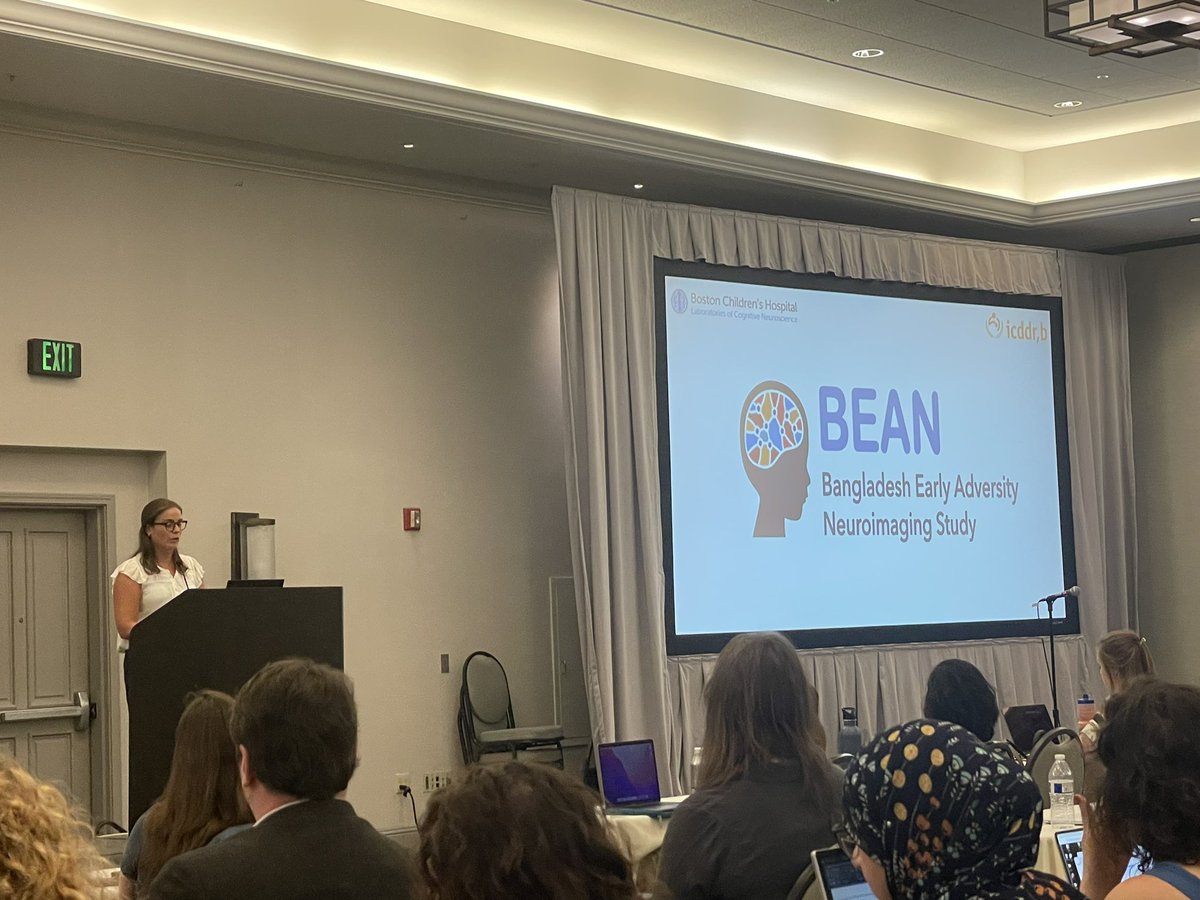
The BEAN study - Bangladesh Early Adversity Neuroimaging Study (https://t.co/4vQVIdIPdI) - Eileen Sullivan providing wonderful insights into auditory statistical learning in two-year old Bangladeshi children monitored by fNIRS. #FITNG2023