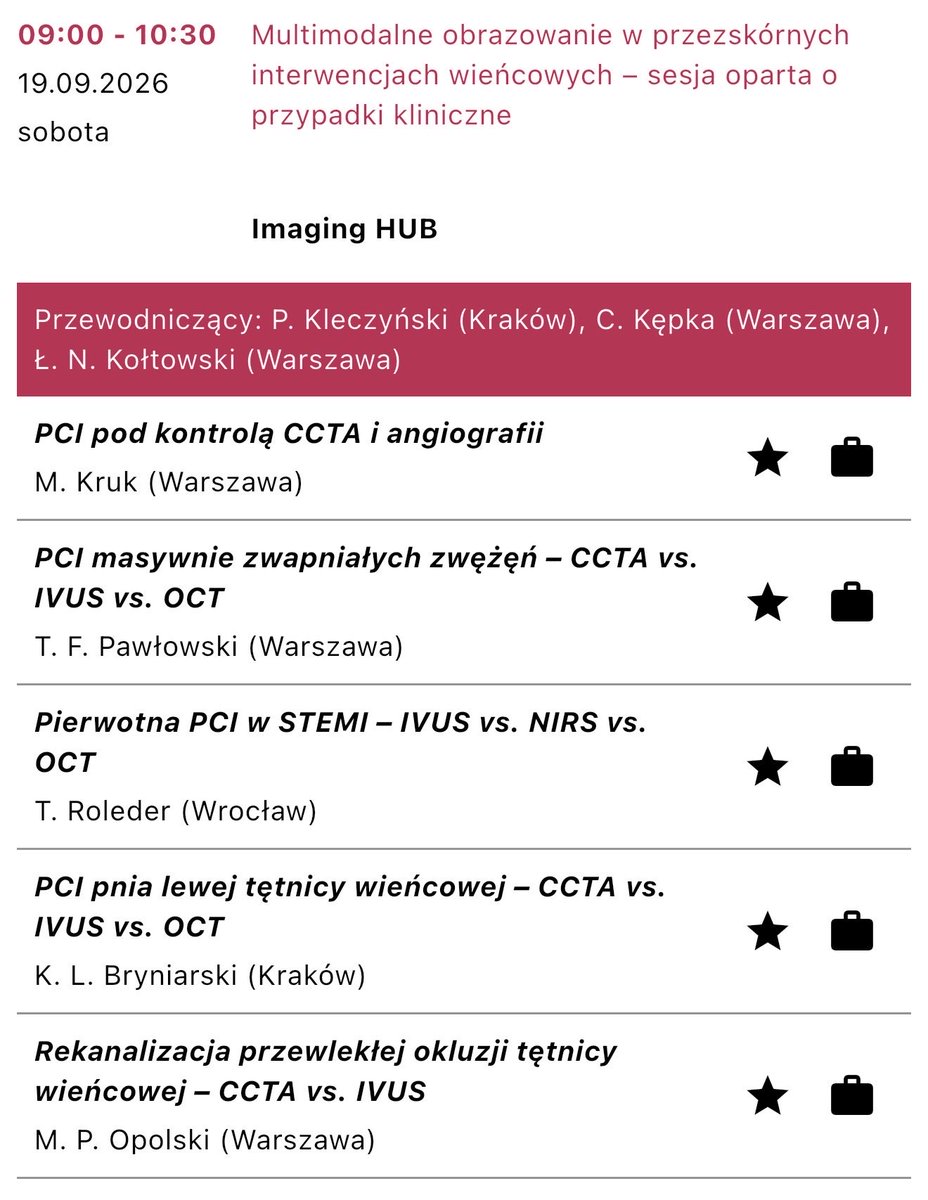
Za chwilę startujemy w Imaging HUB! 🫀 Sesja "Multimodalne obrazowanie w przezskórnych interwencjach wieńcowych" – oparta na przypadkach klinicznych, najnowsze technologie i doświadczenie czołowych ekspertów.
Miejsce: Imaging Hub
Start 09:00
Zapraszamy!
@PTKardio #KongresPTK2026 #KardiologiaInterwencyjna #ImagingHUB #CCTA #IVUS #OCT
Presented at #ESCCongress:
Among 16,808 adults without known cardiovascular disease, silent atherosclerosis was present in 57.1%, was detectable in early adulthood, and became more prevalent and extensive with age in a sex-dependent pattern. Full REACT trial results: https://t.co/KkNM5hC9RB
@escardio
What began as an idea #CTguidedPCI is becoming an increasingly accessible platform for interventional cardiologists.
Today, at least four companies—@HeartFlow, @Cleerly, @ElucidBio, and @SiemensHealth —have developed dedicated #CCTA platforms for the interventional cardiologist 👇
Now the field is waiting for the pivotal #P4 trial, to be presented at @TCTMD.
The next chapter of PCI planning is about to begin 💪
#CTguidedPCI #Cardiology #TCT2026 @crfheart@PCRonline
Interventional cardiology and kitesurfing have more in common than you might think — and that’s no accident.
Cultivating a diverse range of skills is my recipe for balanced personal development.
Join us at the next Proactive PCI Course in London: https://t.co/VGQhIDvQRO
For Lukasz, kitesurfing is a lesson in focus. When there is a lot happening at once, the key is to break each challenge down and respond one step at a time.
The same is true in the cath lab. Complex cases can feel overwhelming, but clear priorities, steady communication and a step-by-step approach can help the team stay calm and make better decisions.
Try this: before your next complex task, pause and identify the next three steps. Focus only on the first one, then reassess before moving forward.
Think Better, Treat Better, Feel Better.
Join us in London: https://t.co/TBovr0XCDU
Our robot is designed to insert hundreds of ultra-fine, flexible threads with thousands of electrodes within microns of targeted neurons while avoiding vasculature and adapting to real-time brain motion.
We deeply mourn the passing of Dr. Eugene Braunwald, one of the most influential figures in cardiovascular medicine.
His work reshaped how medicine approaches cardiovascular disease and the resilience of the human heart. His influence lives on in the guidelines, in the physicians he trained, and in the patients whose lives were quietly extended by his curiosity.
Dr. Braunwald’s legacy will continue to guide and inspire us for generations to come. Our deepest sympathies go out to his family, friends, and colleagues.
@BurkhoffMd@djc795@ColletCarlos@georgedangas@jgranadacrf@mbmcentegart@Drroxmehran@sahilparikhmd@PopmaJeffrey@triciarawh@TCTConference@TCTMD
https://t.co/H1e1rrOunM
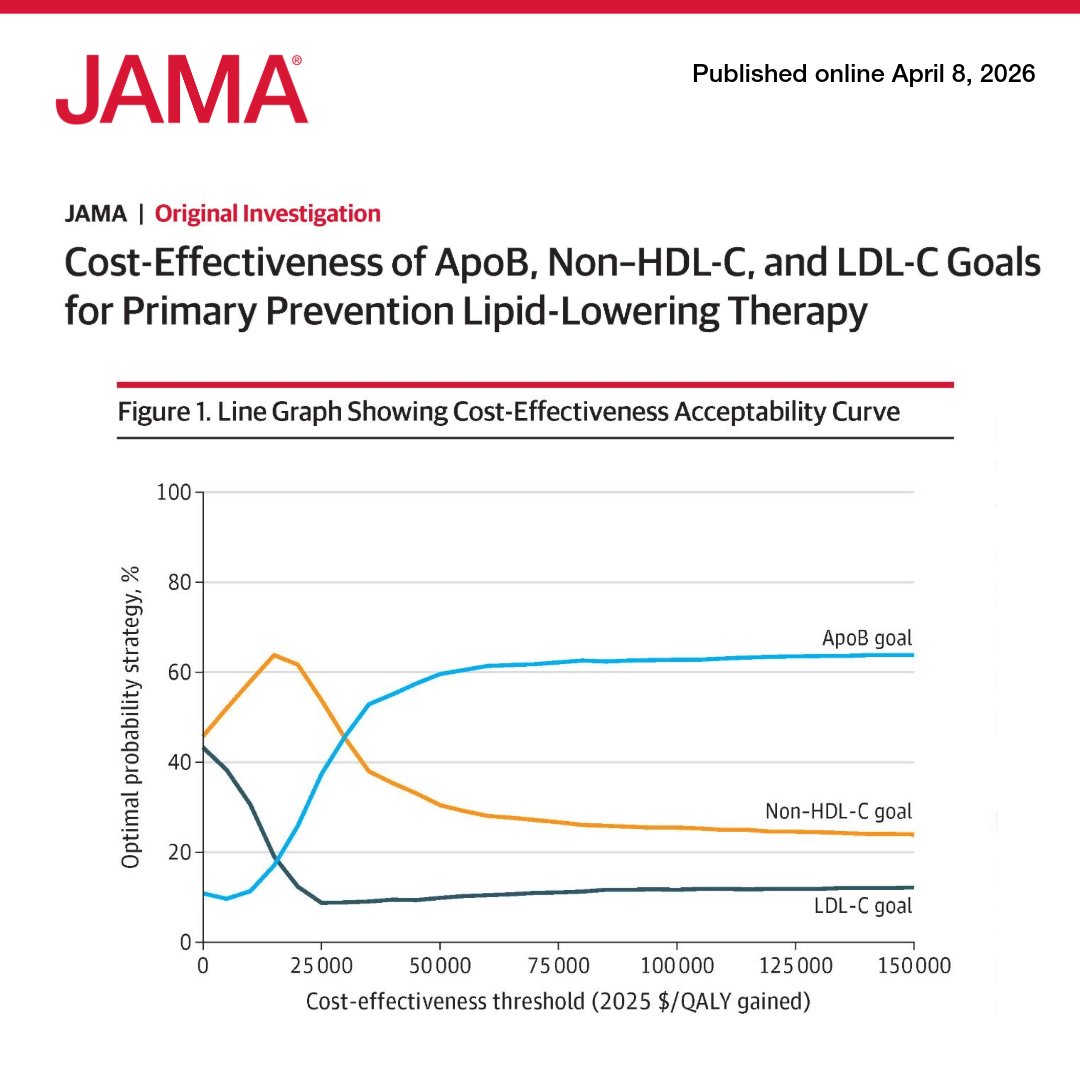
ApoB becomes the new LDL now backed up by cost-effectiveness analysis. Meaning that form National Health Fund perspective it make more sense to reimburse ApoB than LDL.
A computer simulation found #ApoB-guided intensification of lipid-lowering therapy provides the most QALYs and is highly cost-effective compared to #LDL-C or #nonHDL-C targets.
https://t.co/hu4lgTeKxV
De toekomst van mobiliteit is aangebroken
FSD Supervised has been approved in the Netherlands 🇳🇱 & will begin rolling out in the country shortly!
Trained on billions of kilometers of real-world driving data, it can drive you almost anywhere under your supervision – from residential roads to city streets & highways
No other vehicle can do this.
We're excited to bring FSD Supervised to more European countries soon
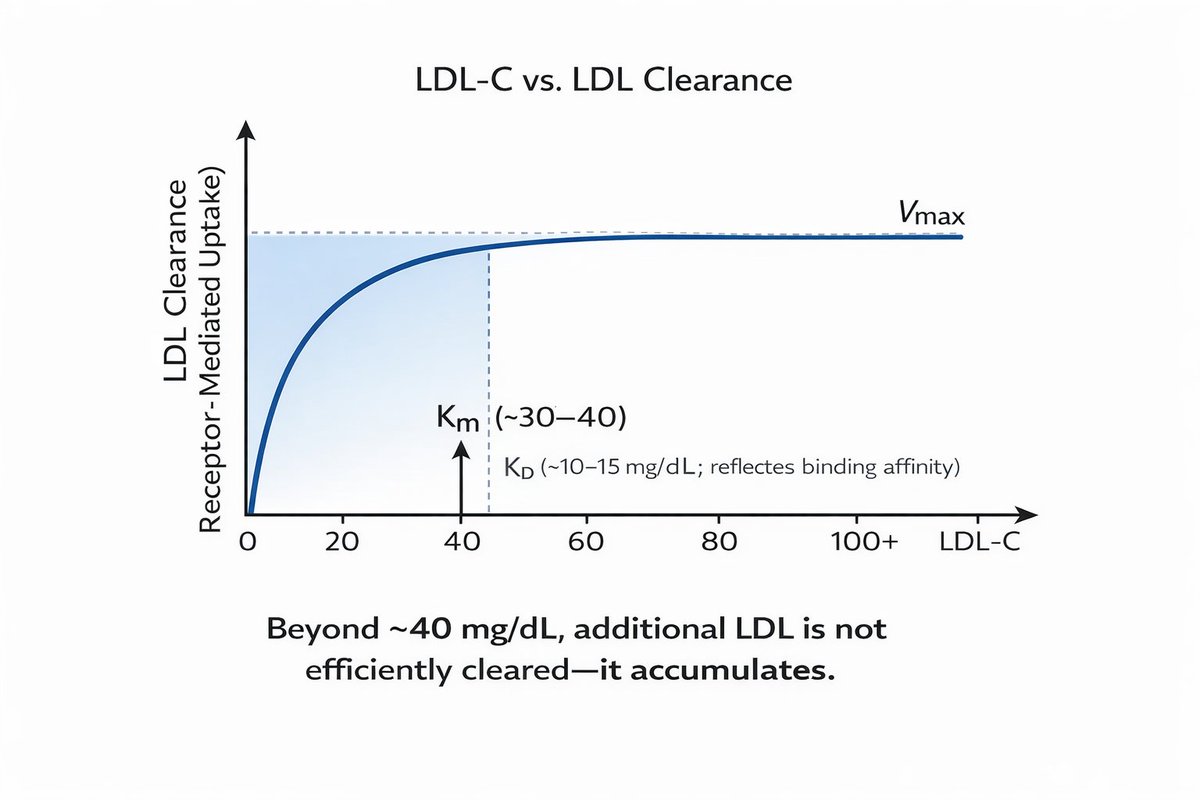
👆 Rethinking “Normal” LDL-C: A Physiological Mismatch
📍 LDL receptor kinetics are not aligned with current clinical definitions
📍 Half-maximal receptor-mediated LDL uptake occurs at ~30–40 mg/dL (Km range), far below what we label as “acceptable”.
📍 Binding affinity tells an even harsher story
1️⃣ LDL–LDLR interaction (Kd) suggests significant receptor engagement already at ~10–15 mg/dL. Above these levels, clearance becomes progressively inefficient
2️⃣ Additional LDL is no longer matched by proportional receptor-mediated uptake → plasma accumulation becomes inevitable.
3️⃣ Modern “normal” LDL-C (~100 mg/dL) exists in a biologically saturated system
4️⃣ This is not physiological—it is compensated pathology.
Atherosclerosis, then, is not an anomaly
5️⃣ It is the predictable consequence of operating chronically above receptor capacity.
📍 Take-home message
We did not adapt physiology to modern LDLc levels
We adapted our definitions to a chronically saturated system.
https://t.co/2iwQiA5LMl
@society_eas@nationallipid
Presented at #ACC26:
Among patients with atherosclerotic cardiovascular disease, targeting an LDL cholesterol level below 55 mg per deciliter led to a lower 3-year risk of cardiovascular events than targeting a level below 70 mg per deciliter. Full Ez-PAVE trial results: https://t.co/q0vNdAoJJL
Editorial: Paving the Road toward Targeted Lipid Lowering https://t.co/zUwmo0r0n4
@ACCinTouch
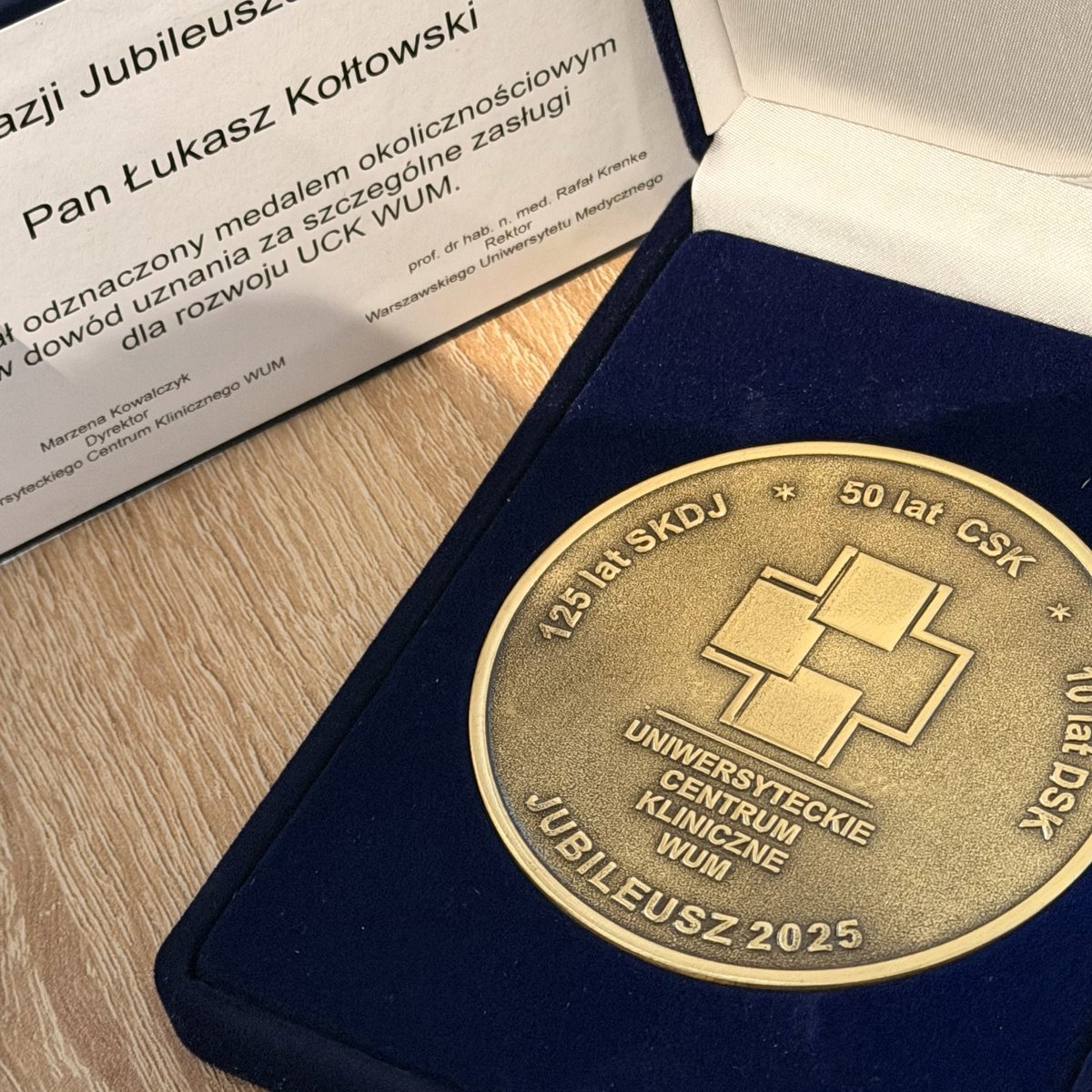
Truly honored for this recognition for contributions to the development of the University Clinical Center of the Medical University of Warsaw (UCK WUM).
Grateful and humbled. This recognition reflects the work of an incredible team I have the privilege to work with every day.
Thank you. We keep moving forward.
Teaching interventional cardiology reminds me every time — the room matters as much as the content.
Engaged delegates, honest discussions, shared passion for the craft.
That's the formula. 🫀
https://t.co/mxMrCprMQE
#Cardiology#InterventionalCardiology#MedEd@OptimaCTO
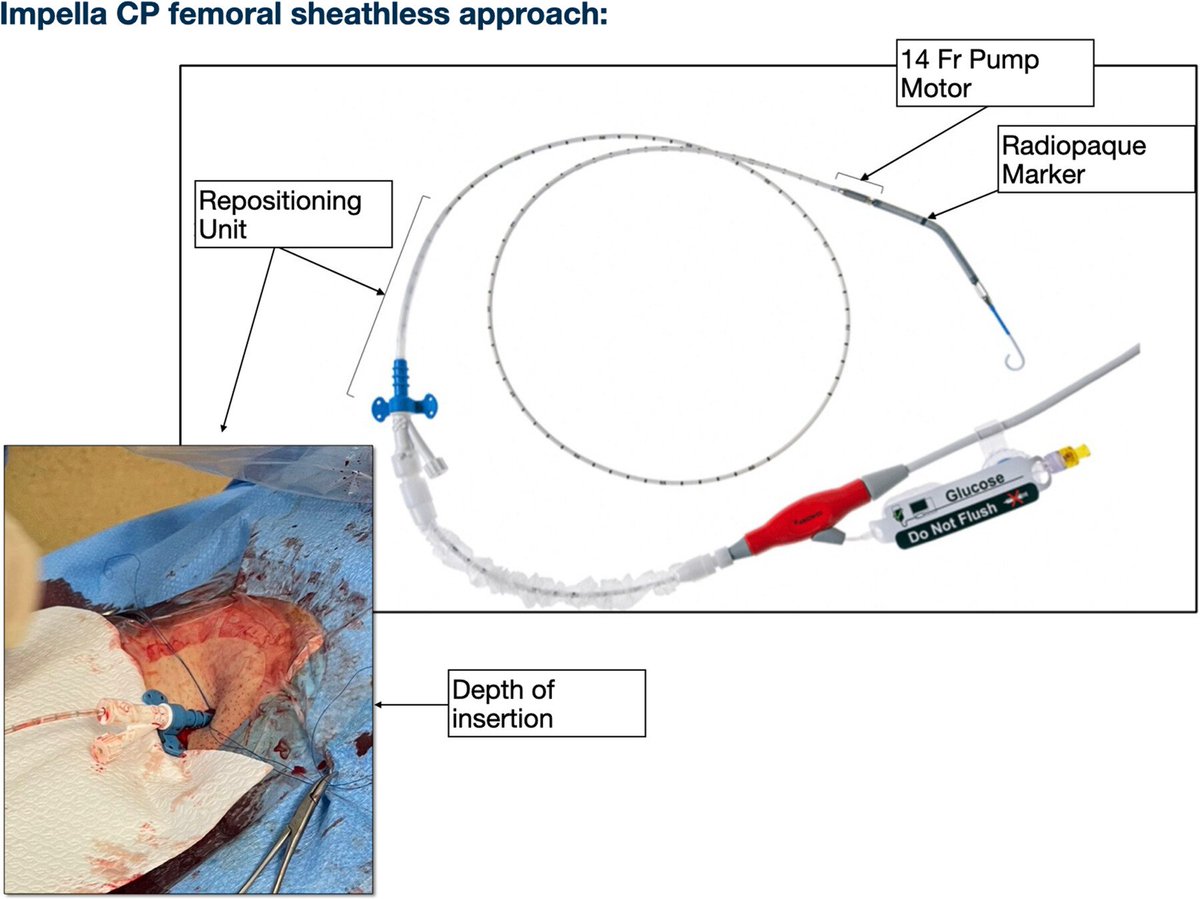
Femoral sheathless Impella implantation: feasible, safe and useful to reduce vascular complications, particularly in patients with small-caliber femoral arteries or increased bleeding risk https://t.co/WtVXVqOMyA @ccijournal
New eyes for the interventional operator.
Many of us have heard of 3D ICE—but how to use it in real life?
This clear, practical review shows where it shines, where it doesn’t, and how 3D tech can add real value in structural interventions.
🔗 https://t.co/b7FWAvSn6a
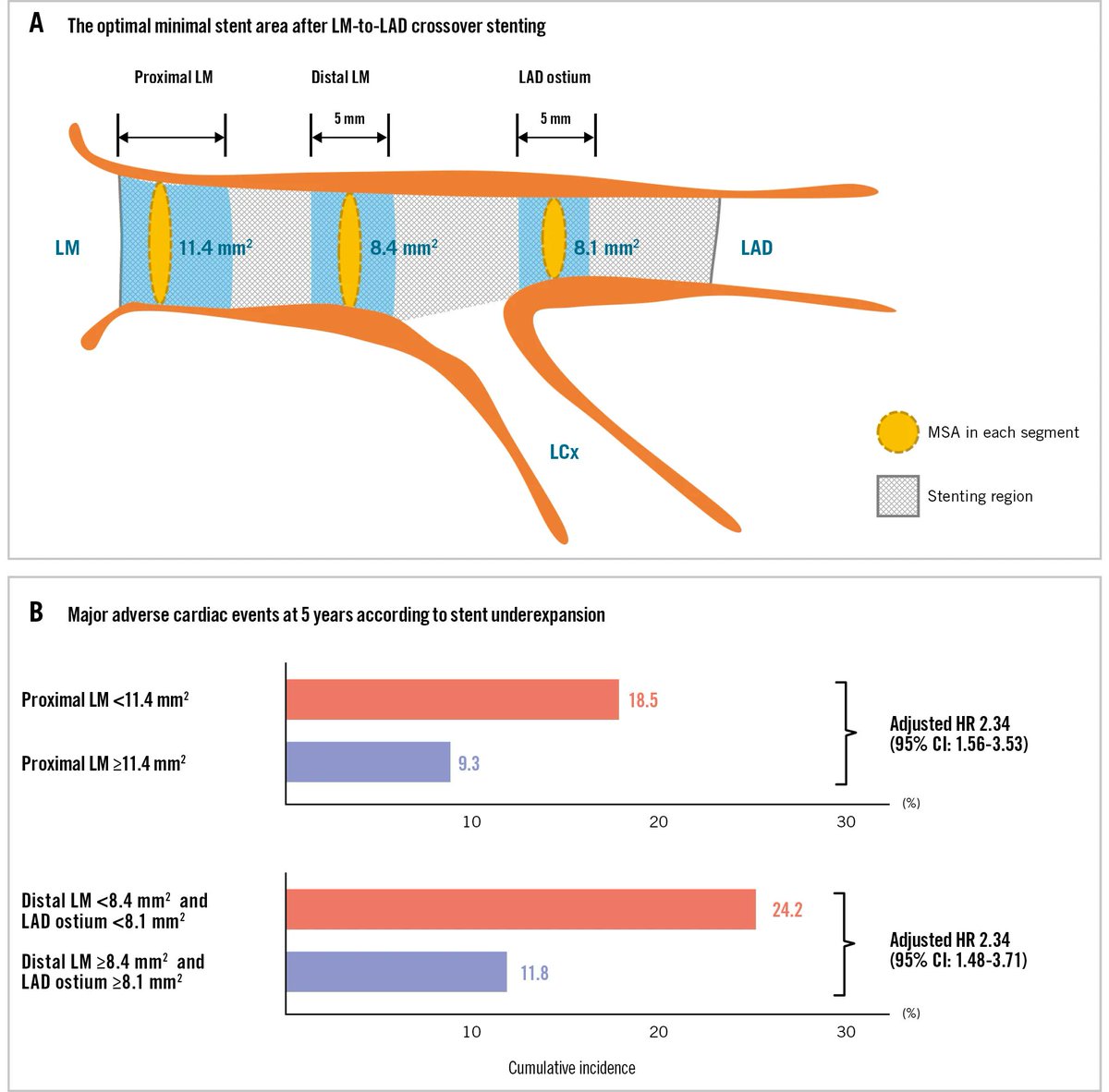
A new research study redefined optimal IVUS minimal stent area (MSA) thresholds for single-stent crossover in unprotected left main disease: proximal left main ≥11.4 mm², distal left main ≥8.4 mm², and left anterior descending ostium ≥8.1 mm². https://t.co/RQz3qdDlJr