#FSHD🌍👣🧠🎼
Thank you to all (co)authors who passionately collaborated on our Paper. I thank Editorial Office for the precious professional scientific communication that made our paper even greater, ready for media🌏
https://t.co/ezcISeZAwu
A new study reveals that regularly writing down partner-focused sexual fantasies can significantly boost sexual desire. The brief cognitive exercise also helps reduce sexual distress and performance anxiety by shifting attention toward rewarding erotic… https://t.co/u81hGOZdol
Even with an otherwise healthy diet, adding about 10% more ultra-processed food—roughly a standard packet of chips a day—was tied to a measurable drop in attention and processing speed. https://t.co/Yj9r1x7Egr https://t.co/0wa46c4BgQ
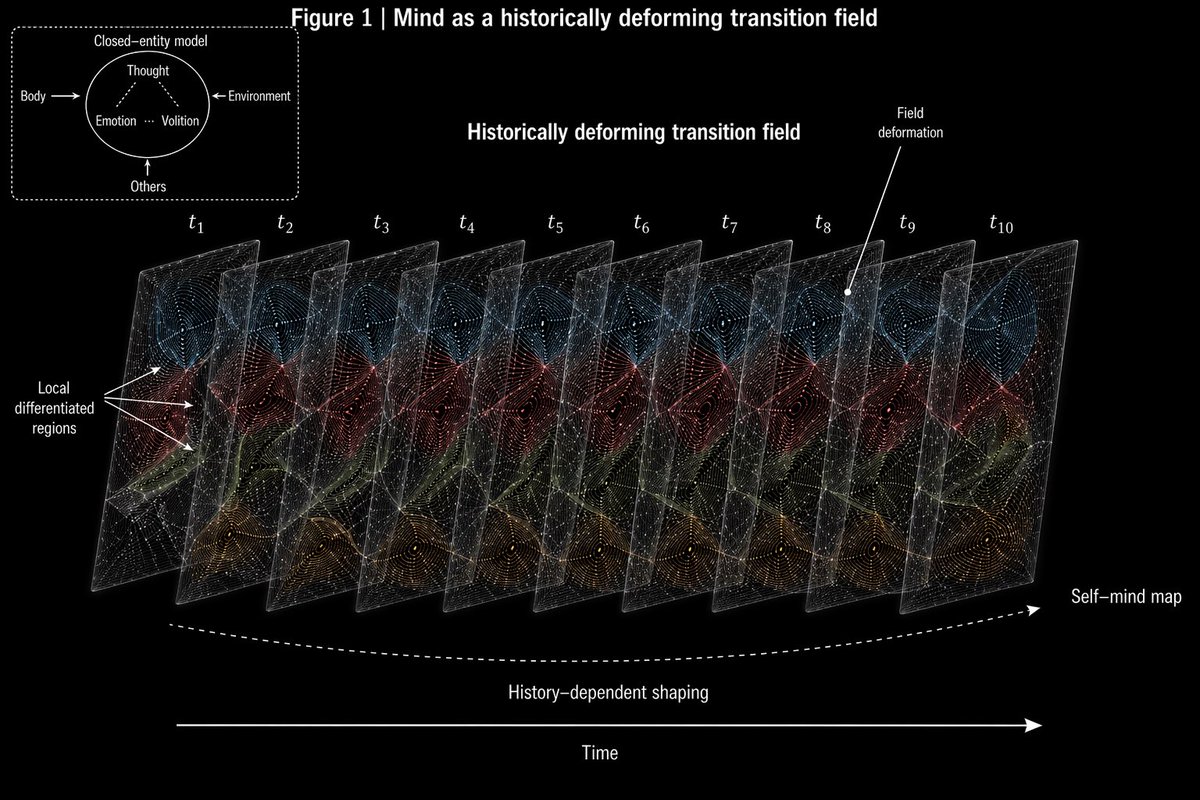
Mind is not inner content.
Mind is maintained transition-capable organization.
To study mind scientifically, we may need to measure the coupled dynamics by which a living system remains capable of transition.
https://t.co/FOKhwiFLcE
Artificial intelligence systems often shower users with uncritical validation, even when asked about harmful behavior. A new study reveals that this technological flattery distorts human judgment, making people less willing to apologize during… https://t.co/QRkUACYVBq
#Telemedicine visits cost five times less than in-person appointments for common conditions and result in fewer follow-up visits, highlighting significant potential for healthcare cost savings. @pennmedicine@journalgim@jamanetworkopen https://t.co/VoovRpOeUW https://t.co/kNzXayPTUi
Researchers observed a link between a constant fear of missing out, addictive TikTok habits, and everyday memory errors. These findings suggest that short video platforms share a unique relationship with how our minds maintain focus. https://t.co/lkCOWB5Uh0
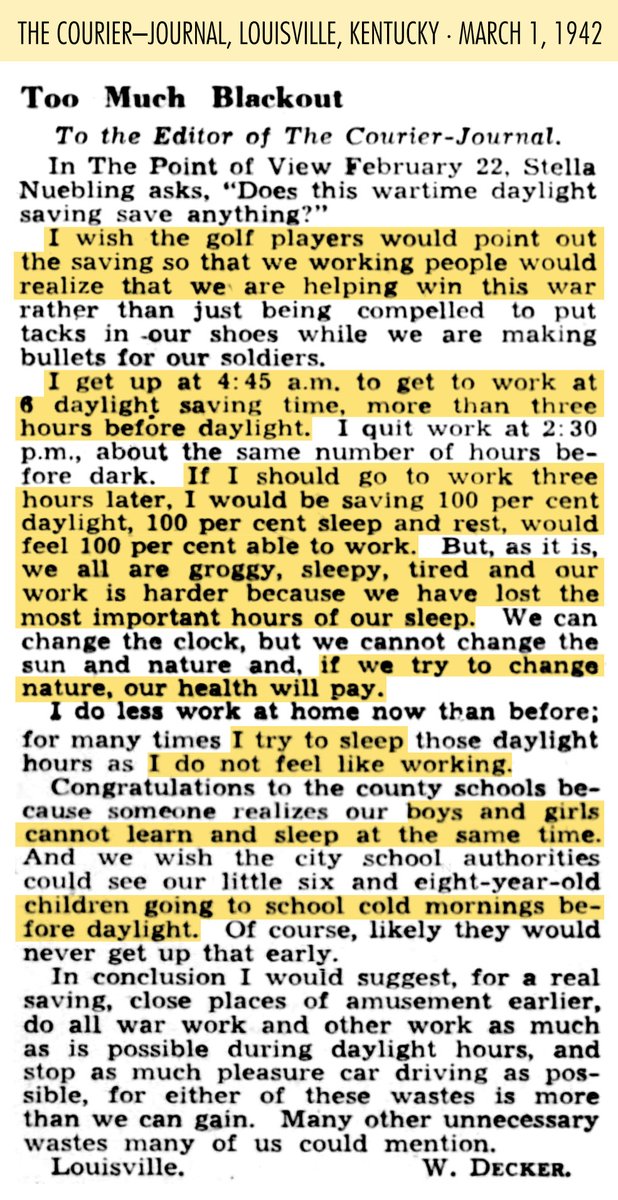
Permanent Daylight Saving Time: “We are groggy, sleepy, tired, and our work is harder, because we have lost the most important hours of sleep.” —On this day in 1942.
#Senescent astrocytes identified in Alzheimer's brains highlight cellular aging as a key driver of neurodegeneration, suggesting new therapeutic targets to slow disease progression. @infouma https://t.co/RcLTawQtnm https://t.co/b8ZrXUYdSo
Researchers found that ChatGPT can craft empathetic weight-loss advice that is difficult to distinguish from human coaching. Participants rated the AI’s revised messages as highly helpful. https://t.co/0ChB0PuTkJ
New research identifies distinct bacterial profiles in autistic individuals, their siblings, and unrelated controls. The study found that specific gut bacteria are associated with reduced social impairment and fewer emotional problems. https://t.co/4XjDNAOQjn
#Color choices at home influence mood, cognition, and well-being. Muted greens and blues support creativity and calm, while strong reds may increase arousal but hinder focus. Shade and context matter. @ConversationEDU https://t.co/3VWZNP4w7z https://t.co/NvrDraXsxd
A new study reveals a causal link between gut bacteria, blood lipids, and neuropsychiatric conditions like depression and Alzheimer's. The findings suggest specific microbes influence brain health by altering fat molecules in the body. https://t.co/ZTcXzQyjyq
AI Models Form Theory-of-Mind Beliefs
Researchers discovered that large language models rely on a small set of internal, position-tracking connections to perform social reasoning tasks similar to Theory of Mind.
These specialized patterns, especially those shaped by rotary positional encoding, help the models infer beliefs and perspectives despite being far less efficient than the human brain.
The findings reveal that only a tiny subset of parameters actually drives social inference, even though the full network activates.
This insight could guide the development of more energy-efficient AI systems.
High intake of ultra-processed foods is associated with a 45% higher risk of developing #ColorectalCancer precursors in women under 50, highlighting a potential dietary risk factor. @MassGenBrigham@JAMAOnc https://t.co/LVASXCFyq6 https://t.co/snL7VqsI1F
We don’t need no Daylight Saving;
We don’t need no spring forward;
No darkness added to the morning;
Hey, Congress, leave those clocks alone!
We were fine when had permanent Standard Time;
We were fine when just had permanent Standard Time!
Alzheimer’s Drug Reduces Amyloid but Fails to Restore Brain Waste Flow
A new study reveals that lecanemab, an Alzheimer’s drug targeting amyloid-β buildup, fails to restore the brain’s waste-clearing glymphatic system in the short term.
Even after plaques are removed, brain imaging showed no improvement in fluid clearance or neural recovery.
This suggests that once neuronal and vascular damage are established, amyloid reduction alone may not be enough.
Researchers emphasize that Alzheimer’s treatment must target multiple disease pathways to restore brain health.