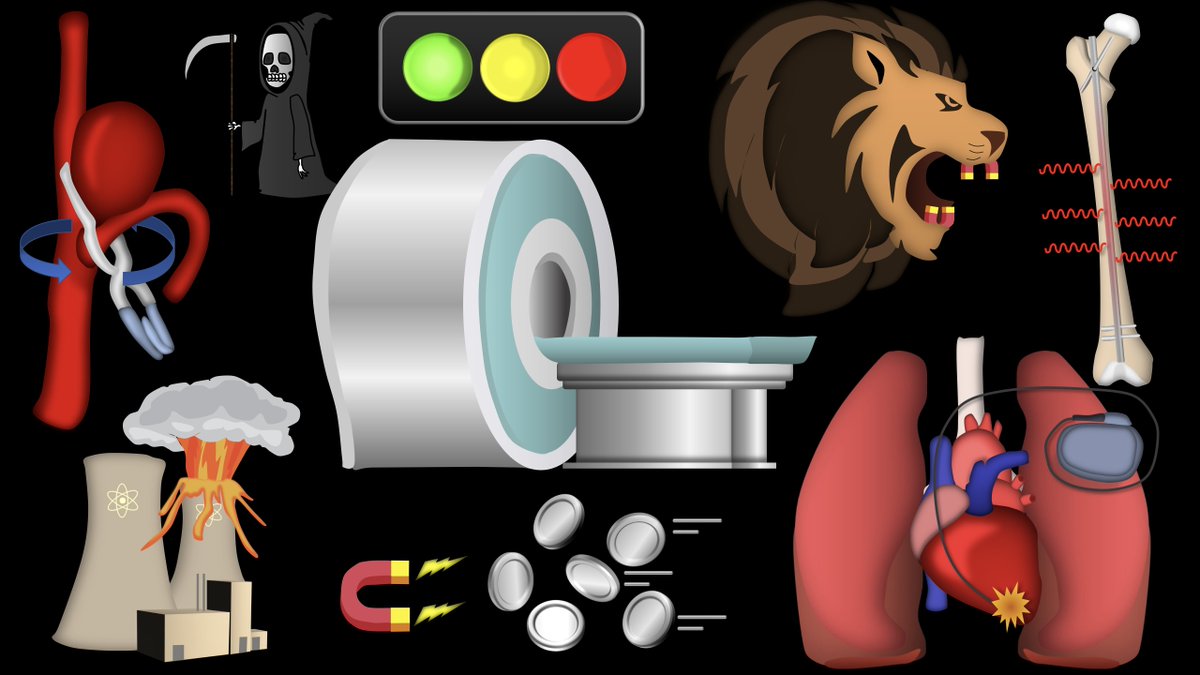
Being a surgeon is a privilege—but it comes with hidden costs. Beyond burnout, surgeons face daily occupational hazards that accumulate over a career. Our review highlights the unseen alligators of the OR and why surgeon safety matters. #Safety
https://t.co/1TcG1qtJRo
Medical students... I promise, this cant be better. You will never get a blood transfusion reaction cheat sheet like this. Save, share and keep a print of it with you.
#MedTwitter
1/Nothing strikes fear into a radiologist's heart like the question,“Is it safe to do an MRI on this pt w/an implanted device?”
Do questions about pacemakers & MRIs suddenly send your heart racing?
Never fear again! Here’s a thread on how to navigate implanted devices & MRI!
Achenbach's Syndrome (Paroxysmal Finger Hematoma)
This condition is characterized by recurrent episodes of bleeding in the fingers and hands without any apparent cause.
Diagnostic Tests:
Achenbach's Syndrome is primarily clinical, and there are no specific diagnostic tests available.
Etiology and Pathogenesis:
The exact cause of Achenbach's Syndrome is unknown.
It is believed to be related to the abnormal regulation of blood vessels in the fingers and hands.
The condition may be associated with increased capillary fragility or abnormal platelet function.
Clinical Features:
The main symptom of Achenbach's Syndrome is the spontaneous occurrence of painful subcutaneous bleeding in the fingers and hands.
The bleeding episodes are typically paroxysmal, meaning they occur suddenly and unpredictably.
The bleeding may be preceded by a tingling or burning sensation in the affected area.
The episodes usually resolve spontaneously within a few hours to a few days.
Treatment:
1. Applying pressure to the affected area to stop bleeding.
2. Elevating the affected hand or finger to reduce swelling.
3. Applying ice packs to reduce pain and swelling.
4. Avoiding trauma or injury to the fingers and hands.
5. Using protective gloves when performing activities that may increase the risk of bleeding.
6. In severe cases, a referral to a hematologist may be necessary for further evaluation and management.
FAQs:
1. Is Achenbach's Syndrome a common condition? Achenbach's Syndrome is considered a rare condition, and its exact prevalence is unknown.
2. Can Achenbach's Syndrome be cured? There is no cure for Achenbach's Syndrome, but symptom management and prevention of bleeding episodes can significantly improve the patient's quality of life.
3. Are there any specific medications for Achenbach's Syndrome? There are no specific medications for Achenbach's Syndrome. However, over-the-counter analgesics may be used for pain relief during bleeding episodes.
4. Can Achenbach's Syndrome affect other parts of the body? Achenbach's Syndrome primarily affects the fingers and hands, but in rare cases, bleeding episodes may also occur in other areas such as the toes or ears.
5. Can Achenbach's Syndrome be hereditary? There is limited evidence to suggest a possible genetic component to Achenbach's Syndrome, but more research is needed to establish a clear link.
Try - https://t.co/3XKwhCuWoV
Image - Research Gate
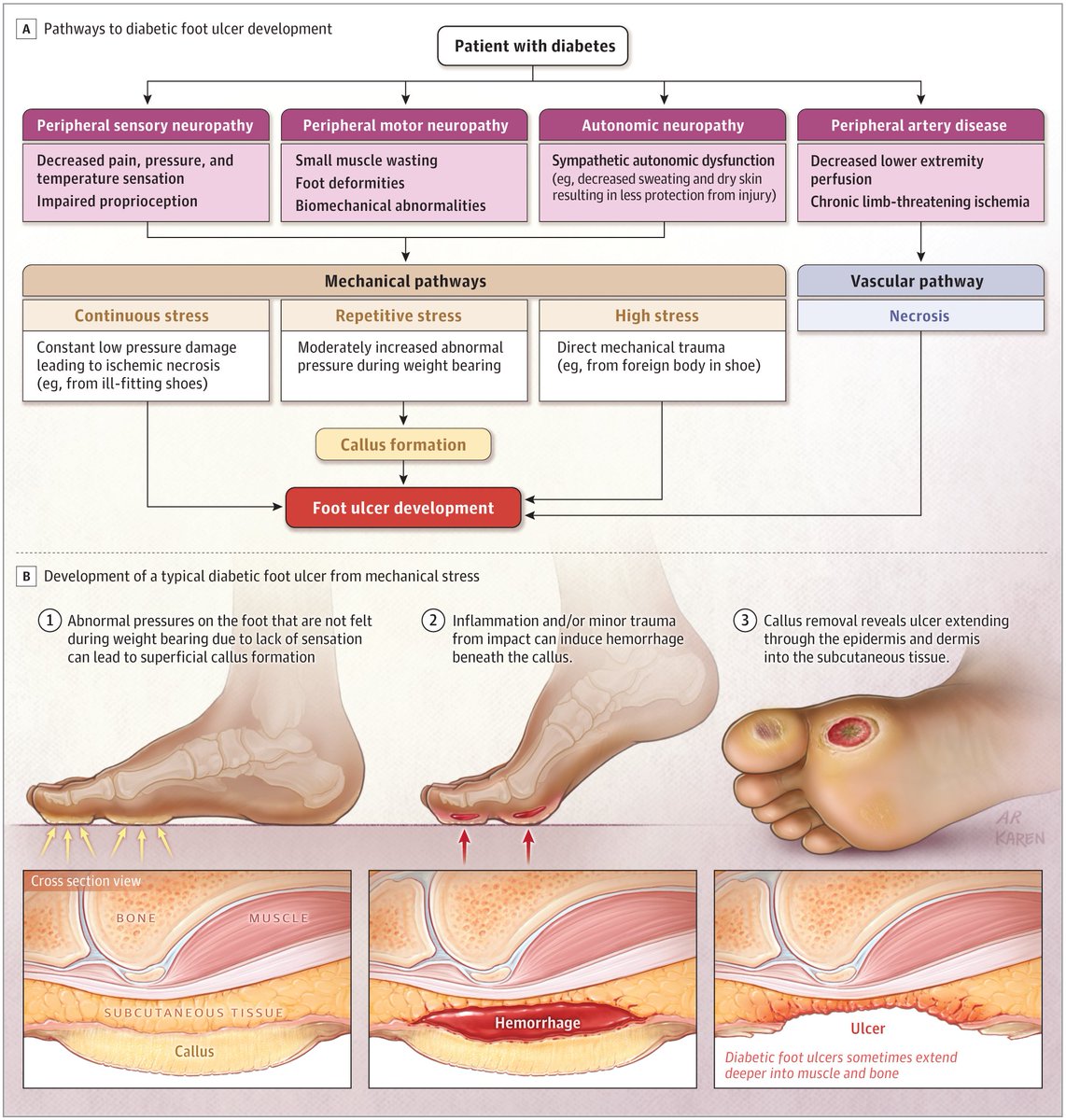
Discover the pathways that lead to diabetic foot ulceration in this insightful article from @JAMA_Current. Take action against amputation and learn more about diabetic foot care. #ActAgainstAmputation#DiabeticFoot#DFBlog https://t.co/xci7w5yln9
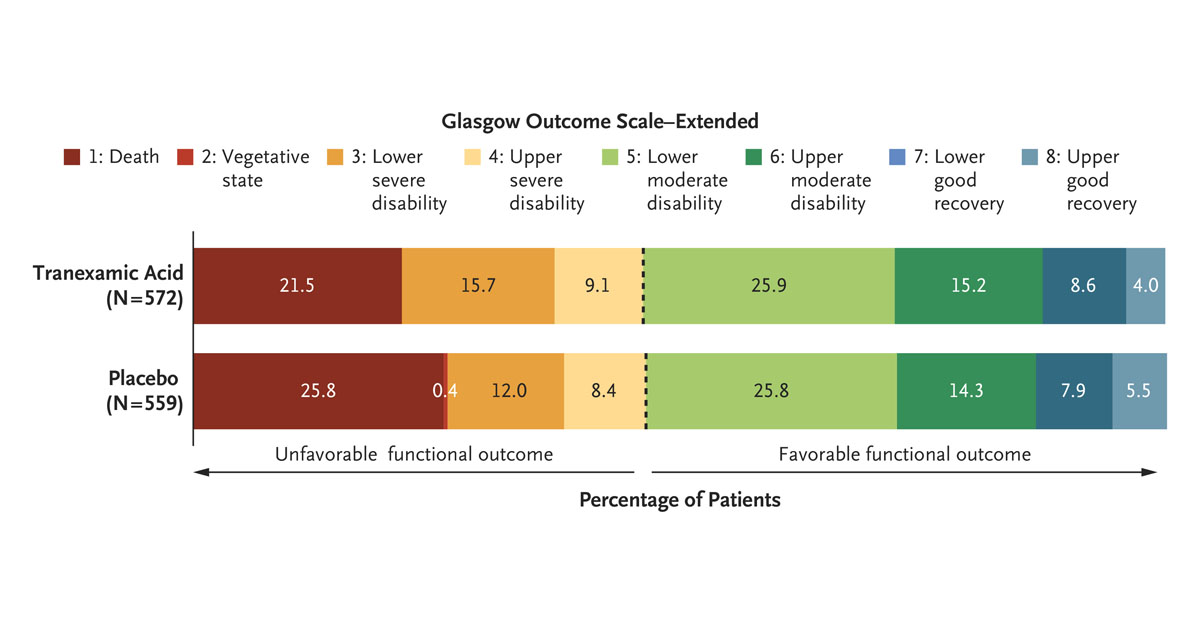
Late breaking at #CCR23: In the PATCH-Trauma trial involving adults with major trauma, treatment with tranexamic acid did not result in a greater number of patients surviving with a favorable functional outcome at 6 months than placebo. https://t.co/i8fu34ReCB