🚨 SWIMMERS & NON-SWIMMERS WANTED!
Swum in a river/lake in the past 2 weeks? Felt unwell, or totally fine?
Help inform public health research. 🏊♀️🧍♂️
📋 Take part: https://t.co/sj7oFyQJxA
🔍 More info: https://t.co/WrlJWBhkaM
@UniofExeterNews@ExeterMed@RachSalv@leanahosea
🚨 SWIMMERS & NON-SWIMMERS WANTED!
Take part in a survey about the health risks of freshwater bathing and help inform public health research🏊♀️
Take part: https://t.co/sj7oFyQJxA
More info: https://t.co/WrlJWBhkaM
👨🏫 Luke Holmann - Associate Professor in the Animal and Plant Science Research Group at Edinburgh Napier University - will present the seminar “The genomic and phenomic underpinnings of sex- and age-specific fitness”.
📅 27th February, 1PM
📍 DDM LTA
And 100 years since the great discovery of #Wolbachia. Hats to the @WolbachiaProj team working to bring biotechnology and microbial symbiosis into classrooms worldwide.
Published today in @Nature, we describe an approach for single-molecule protein reading on @nanopore arrays. By utilizing ClpX unfoldase to ratchet proteins through a CsgG nanopore, we achieved single-amino-acid sensitivity. https://t.co/ZTFNZkwpcj
Antimicrobial resistance (AMR) is one of the major global health challenges.
If you live in the UK, you have the opportunity to contribute to and inform AMR research.
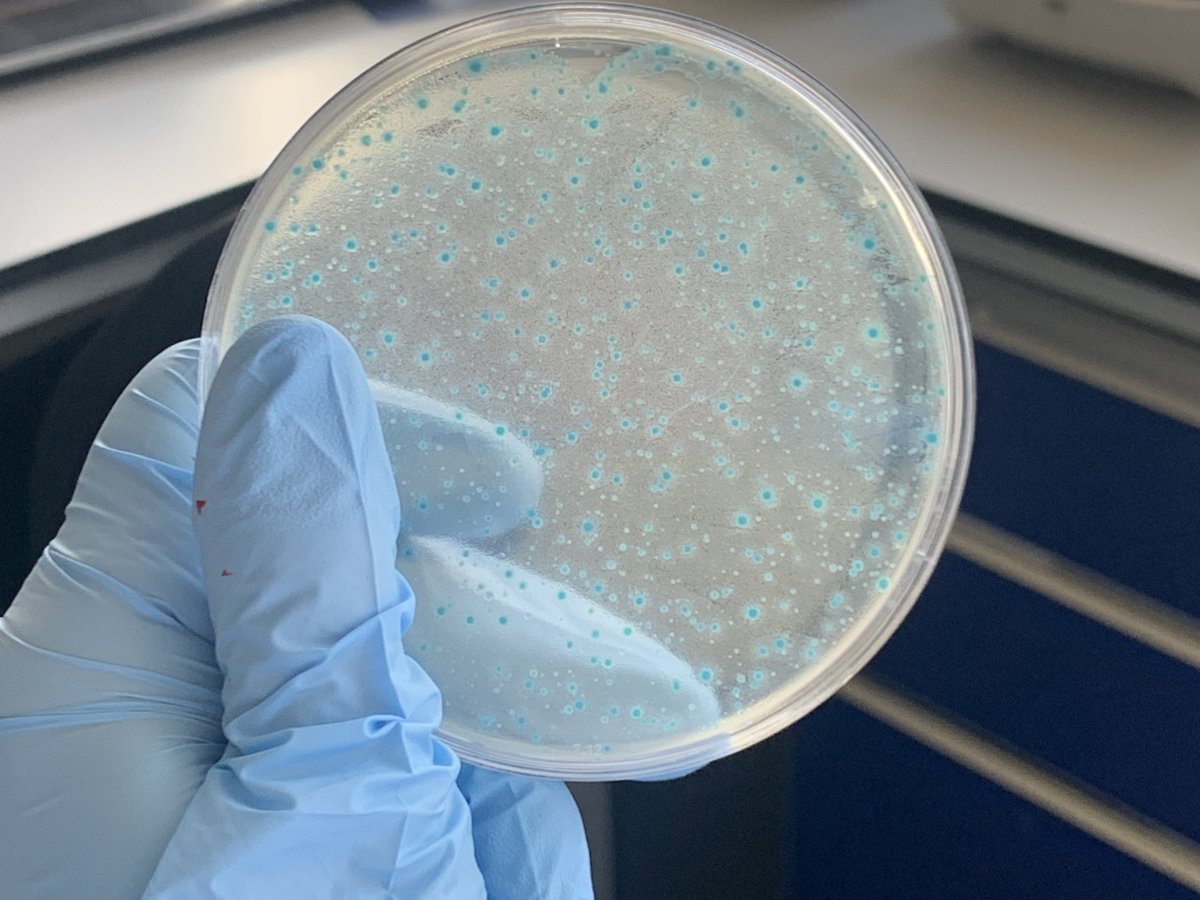
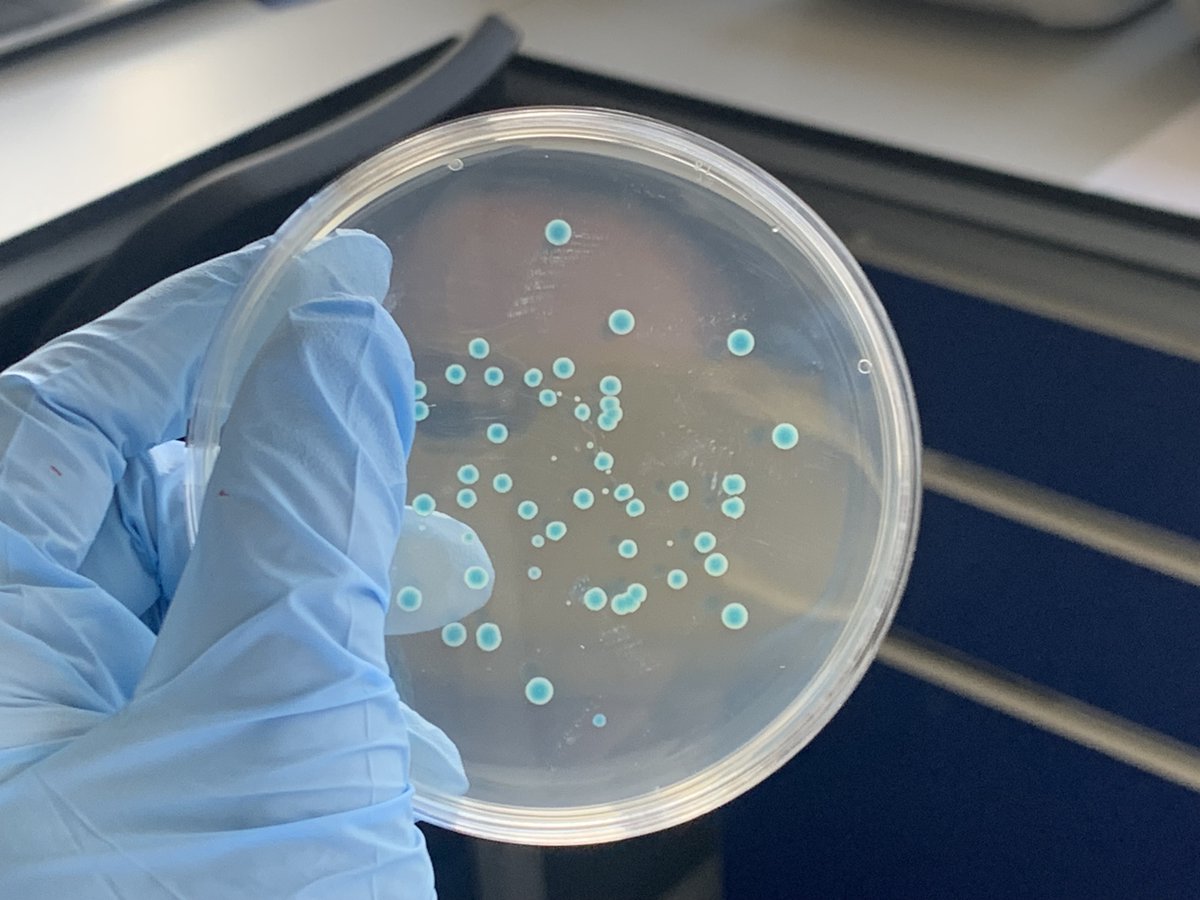
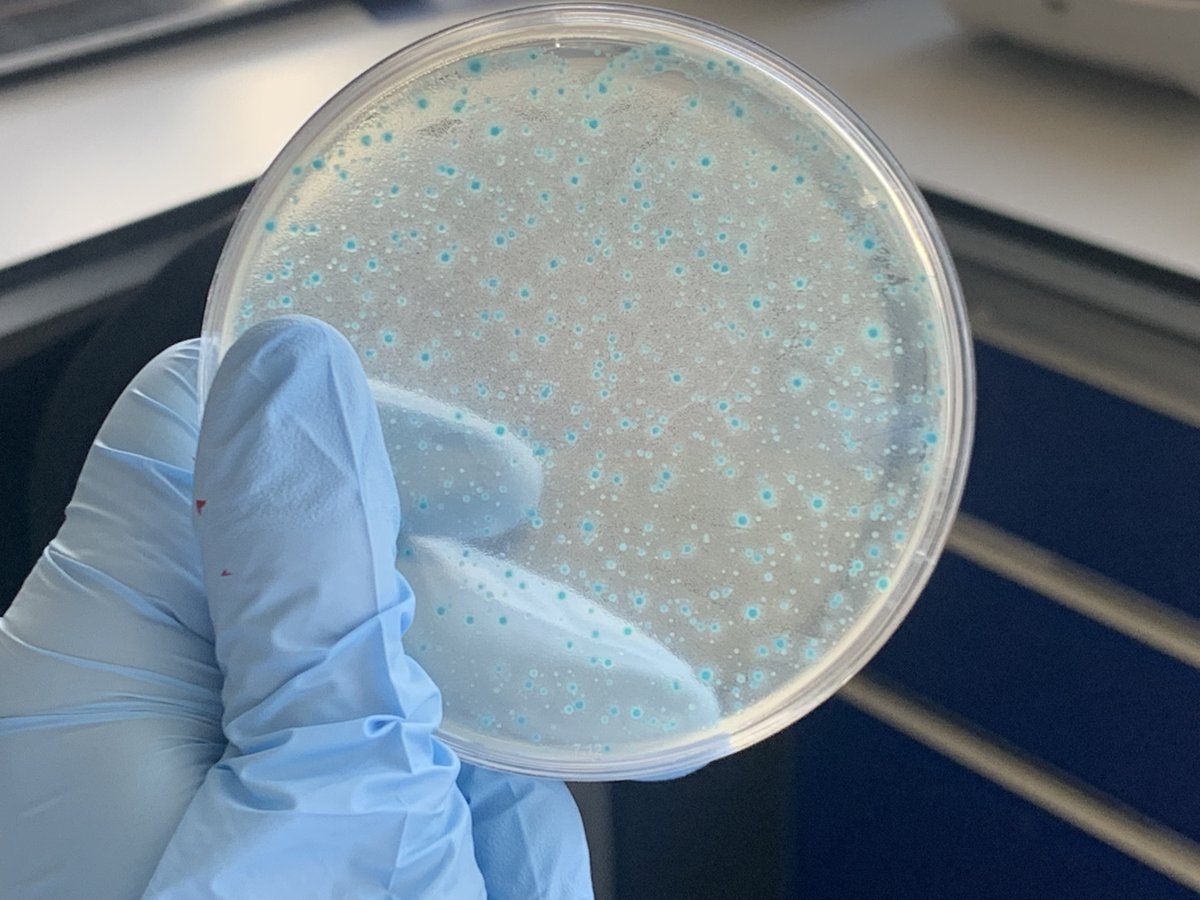
This summer at the University of Exeter, we've been investigating whether swimming in #sewage polluted rivers and lakes across the UK is linked to a higher risk of carrying AMR bacteria🦠💊relative to people who do not swim.
But non-swimmers can carry these bacteria, too.
If you do not swim in rivers, lakes or the sea, take part in the #PooSticksStudy and help us understand how widespread these bugs are among the British public and if swimming in rivers is linked to changes in the likelihood of harbouring these types of bugs
👉Request your kit here: https://t.co/srjFlbxy4j
More about the study: https://t.co/d650N4SZCT
@WATERSHED_i@SteveReedMP@MarkAvery@ChrisGPackham@WaterWaysProtct@sewageuk@theAliceRoberts @UKAMREnvoy @Feargal_Sharkey@joymorrissey@natalieben@WeFightAMR@PaulWhitehouse@ExeterMed
@amsterdammed yes, this study is based on the Beach Bums Study on surfers, which was done by Anne Leonard (now my PhD supervisor). The design here was slightly tweaked to allow us to look into the gut microbiome and understand how exposure to sewage pollution might be impacting our gut bacteria. I have just under 2 years to complete the entire PhD project, though the Poo-Sticks study will be a priority, of course! In terms of sampling, we are hoping to get enough samples by the end of the bathing season (in three weeks!), though this is approaching quick and we might be forced to extend with another month. So far, over 450 kits have been requested. Out of these, returned are just over 100 swimmer samples and just under 60 non-swimmer samples. I need 150 samples per group (300 total), so non-swimmers are now a priority but swimmers are still encouraged to sign up. So please, do sign up if you are eligible and share this with anyone who might be interested! 😊
Play our new find-the-harvester game! By playing you'll be helping us to understand the weird and wonderful diversity in harvester colouration https://t.co/VUNRSiYdO7 @UniExeCEC
📷 Are you concerned about pollution in UK rivers and lakes causing illness?
Whether you're a swimmer or not, help us quantify the health risks to people who bathe in UK rivers.
Anyone over the age of 16, living in the UK 🇬🇧can take part here (takes 10 minutes, or less):
https://t.co/dv1f0GuTt8
Find out more: https://t.co/Rp7kMrjbg3
#waterquality #publichealth #sewage #SewagePollution #ecehh #universityofexeter #floodthestreets