Dear @elonmusk@SecKennedy
Please help on this ridiculous drug prices
Nemolizumab
*Interleukin 31 inhibitor
*For kids with atopic dermatitis (Eczema) not controlled with topical steroids or tacrolimus/pimecrolimus/sirolumus
*$50,000 a year. Seriously? $1,000 a week? really? Dont let them hold kids hostage. Help @SecKennedy
Must-Know ECGs for USMLE Step 2 CK 📈❤️
............
1/ Normal ECG
P Wave: Atrial depolarization, should be upright in leads I, II, and aVF.
PR Interval: 120-200 ms (3-5 small boxes).
QRS Complex: < 120 ms (< 3 small boxes).
QT Interval: < 440 ms in men, < 460 ms in women.
T Wave: Ventricular repolarization, should be upright in most leads.
..............
2/ ST-Elevation Myocardial Infarction (STEMI)
Key Features:
ST Elevation: >1 mm in two contiguous leads.
Q Waves: May develop later, indicating myocardial necrosis.
T Waves: Inversion following ST elevation.
Regions:
Anterior: Leads V1-V4
Inferior: Leads II, III, aVF
Lateral: Leads I, aVL, V5, V6
.................
3/ Non-ST-Elevation Myocardial Infarction (NSTEMI)
Key Features:
ST Depression: Horizontal or downsloping in two contiguous leads.
T Wave Inversion: May be present.
Difference from STEMI: No ST elevation, but positive cardiac biomarkers (e.g., troponins).
...............
4/ Atrial Fibrillation (AFib)
Key Features:
Irregularly Irregular Rhythm: No distinct P waves.
Variable R-R Intervals: Irregular QRS complexes.
Fibrillatory Waves: Fine or coarse baseline oscillations.
................
5/ Atrial Flutter
Key Features:
Sawtooth Pattern: Regular, rapid atrial contractions (flutter waves).
Rate: Typically around 300 bpm atrial rate, with a 2:1 conduction often resulting in a ventricular rate of 150 bpm.
.................
6/ Ventricular Tachycardia (VT)
Key Features:
Wide QRS Complexes: >120 ms.
Regular Rhythm: Rapid, usually 100-250 bpm.
AV Dissociation: P waves independent of QRS complexes (may not be visible).
...........
7/ Ventricular Fibrillation (VFib)
Key Features:
Chaotic, Irregular Baseline: No discernible QRS complexes, P waves, or T waves.
Life-Threatening: Immediate defibrillation required.
.............
8/ First-Degree AV Block
Key Features:
Prolonged PR Interval: >200 ms (more than 5 small boxes).
Regular Rhythm: All P waves followed by QRS complexes.
.............
9/ Second-Degree AV Block
Mobitz Type I (Wenckebach):
Key Features: Progressive lengthening of the PR interval until a beat is dropped (P wave not followed by QRS).
Grouped Beating: Pattern of gradually increasing PR intervals.
Mobitz Type II:
Key Features: Fixed PR intervals with intermittent dropped beats.
More Concerning: Can progress to complete heart block.
................
10/ Third-Degree (Complete) AV Block
Key Features:
Complete AV Dissociation: Atria and ventricles beat independently.
P Waves and QRS Complexes: No relationship between them.
Regular P-P and R-R Intervals: Independent of each other.
................
11/ Wolff-Parkinson-White (WPW) Syndrome
Key Features:
Short PR Interval: < 120 ms.
Delta Wave: Slurred upstroke of the QRS complex.
Wide QRS Complex: >120 ms.
................
12/ Hyperkalemia
Key Features:
Peaked T Waves: Tall, narrow, symmetrical.
Widened QRS Complexes: Progressively widen with increasing potassium levels.
Flattened P Waves: May disappear with severe hyperkalemia.
..................
13/ Hypokalemia
Key Features:
Flattened T Waves: Or T wave inversion.
U Waves: Prominent, following the T wave.
ST Depression: Possible.
..............
14/ Pulmonary Embolism (S1Q3T3 Pattern)
Key Features:
S Wave in Lead I: Deep S wave.
Q Wave in Lead III: Q wave.
Inverted T Wave in Lead III: T wave inversion.
........................
15/ Pericarditis
Key Features:
Diffuse ST Elevation: In multiple leads, not confined to an anatomical region.
PR Segment Depression: Especially in leads II, aVF, and V4-V6.
Study Tips:
Memorize Key Patterns: Recognize the classic ECG changes associated with each condition.
Practice Interpretation: Use online resources and practice ECGs to hone your skills.
Clinical Correlation: Always correlate ECG findings with patient symptoms and history.
Good luck to all those preparing for Step 2 CK! Keep practicing and stay confident! #USMLE #Step2CK #ECG #MedicalEducation
Feel free to share and discuss! 💬📈📚
ترکیہ میں سکالرشپ پر BA, MA, PhD کر سکتے ہیں اور اس کے علاوہ ترکیہ کی حکومت آپکو رہائش، کھانے، پاکستان سے آنے جانے کی فلائٹ ٹکٹ کے علاوہ ماہانہ وظیفہ بھی دے گی - آج ہی اپلائ کریں-
- Turkey Government Scholarship 2024
تفصیلی تھریڈ نیچے- ری پوسٹ لازمی
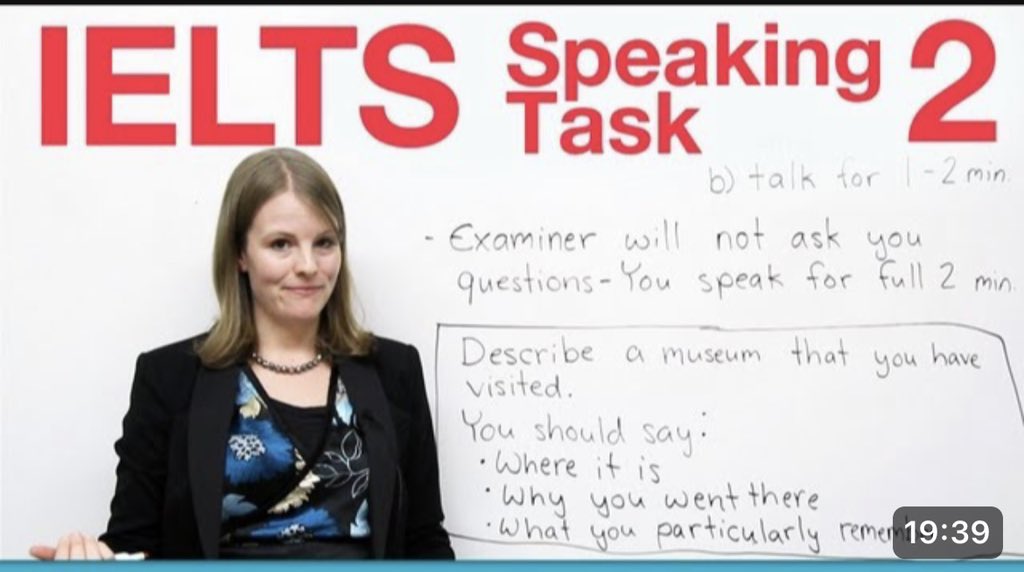
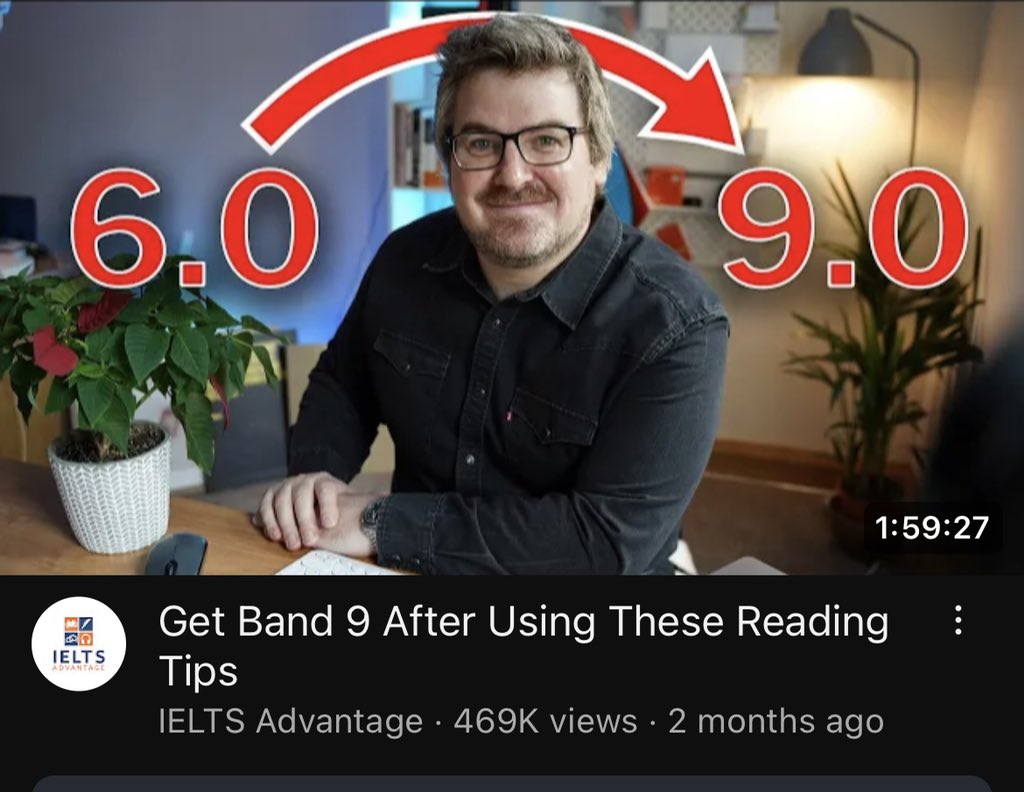
🚨 TOP 4 IELTS YouTube Channels you MUST Know
✔️Fastrack IELTS
✔️IELTSLiz
✔️IELTS Advantage
✔️English With Emma
Great teachers with incredibly helpful tips and tricks to ACE IELTS exam 👍
Best of luck!!
Repost 🙏
SSC,HSSC، IBCC، HEC، اور MOFA پر مشتمل تصدیقی عمل سمیت بیرون ملک تعلیم حاصل کرنے کا عمل یہ ہے:
1. اپنے SSC (10ویں کلاس) DMC اور سرٹیفکیٹ کے ساتھ ساتھ اپنے HSSC (12th کلاس) DMC اور اپنے متعلقہ تعلیمی بورڈ سے سرٹیفکیٹ کی تصدیق کر کے شروع کریں۔
2. اس کے بعد، ان دستاویزات کو انٹر بورڈ کمیٹی آف چیئرمین (IBCC) سے تصدیق کروانے کے لیے آگے بڑھیں۔
۔3. IBCC کی تصدیق کے بعد، اپنی یونیورسٹی کی ڈگری اور ٹرانسکرپٹ کو ہائر ایجوکیشن کمیشن (HEC) سے تصدیق کروانا ضروری ہے۔ مزید برآں، یقینی بنائیں کہ آپ کی یونیورسٹی آپ کی ڈگری اور نقل ( فوٹو کاپی ) کی تصدیق کرتی ہے۔
۔4. HEC سے اپنے دستاویزات کی اضافی کاپیوں کی تصدیق بھی لازمی کروائیں، کیونکہ یہ انتہائی سفارش کی جاتی ہے، کیونکہ کچھ یونیورسٹیوں کو HEC سے تصدیق شدہ کاپی درکار ہو سکتی ہے۔
5. آخری مرحلے میں وزارت خارجہ (MOFA) کی تصدیق شامل ہے۔ وہ تمام دستاویزات لیں جو آپ نے پہلے IBCC اور HEC سے تصدیق کی ہیں اور MOFA سے ان کی تصدیق کروانی ہے۔
اس سارے ڈاکومنٹس کے تصدیقی عمل کے بعد ہی آپ اپنے باہر پڑھنے یا کام کرنے کا پراسیس شروع کر سکتے ہیں۔
#studyabroad
📣 Calling all mid-career professionals!
Applications for (most) Chevening Fellowship programmes in the UK will open on 12 September 2023.
Got a question? 🤔 Comment below and we'll answer what we can!
Find your programme here: https://t.co/S26olZgPBu #CheveningFellow
📣 We are delighted to announce that applications for Chevening Scholarships will open on 12 September and close on 7 November 2023 🔴
Are you ready to become a #Chevener?
Start preparing your application now: https://t.co/S3YXCNR9eK
#ChooseChevening
Islamabad:— Pakistan has elected 23 Prime Ministers, but no one has ever completed legal tenure since 1947.
— Here is what happened to most of them before their term ended:
1- Liaquat Ali Khan— killed
2- Khawaja Nazim — resigned
3- M. Ali Bogra — forced to resign
4- Chaurdy M. Ali — forced to resign
5- Hussain Suharwardi — resigned
6- I.I.Chandregar — resigned
7- Feroz Khan — coup
8- Zulfikar Bhutto — hanged
9- M Khan Junejo — dismissed
10- Benazir Bhutto — dismissed
11- Nawaz Sharif — dismissed
12- Benazir Bhutto — dismissed
13- Nawaz Sharif — coup
14- Zafrula Jamali — forced to resign
15- Shaukat Aziz — resigned
16- Yousuf Raza — disqualified
17- Nawaz Sharif — disqualified
18- Imran Khan — ousted