Muchas gracias a El Periodiquiro @Elperiodiquito por su apoyo a nuestro museo. Darlo a conocer es clave ya que necesitamos apoyo para seguir conservando el patrimonio nacional que representan nuestras colecciones de insectos y arácnidos. ¡Todos pueden colaborar, bienvenidos!
At #EntSoc24, science writer and author Shawn Otto told entomologists that pushing back on the forces aligned against reason and objectivity is a critical part of their job description. https://t.co/A7S1ZXrmKn
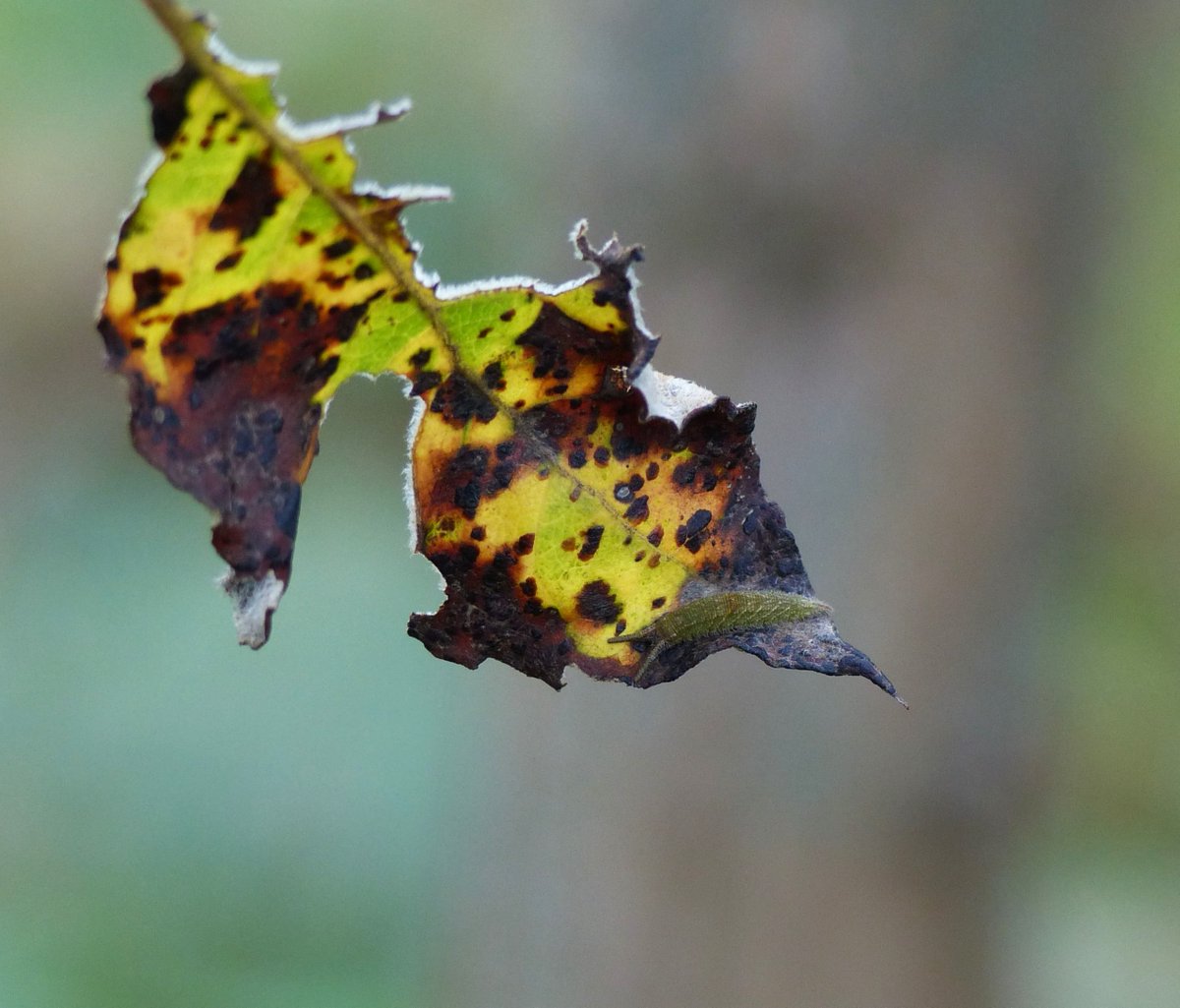
Purple Emperor caterpillar fully coloured up & ready to go into hibernation yesterday (in pre-hibernation), the second earliest date on record. It had little choice as its tree was 99% bare due to rampant Willow Rust (a leaf pox that rampages in wet summers).
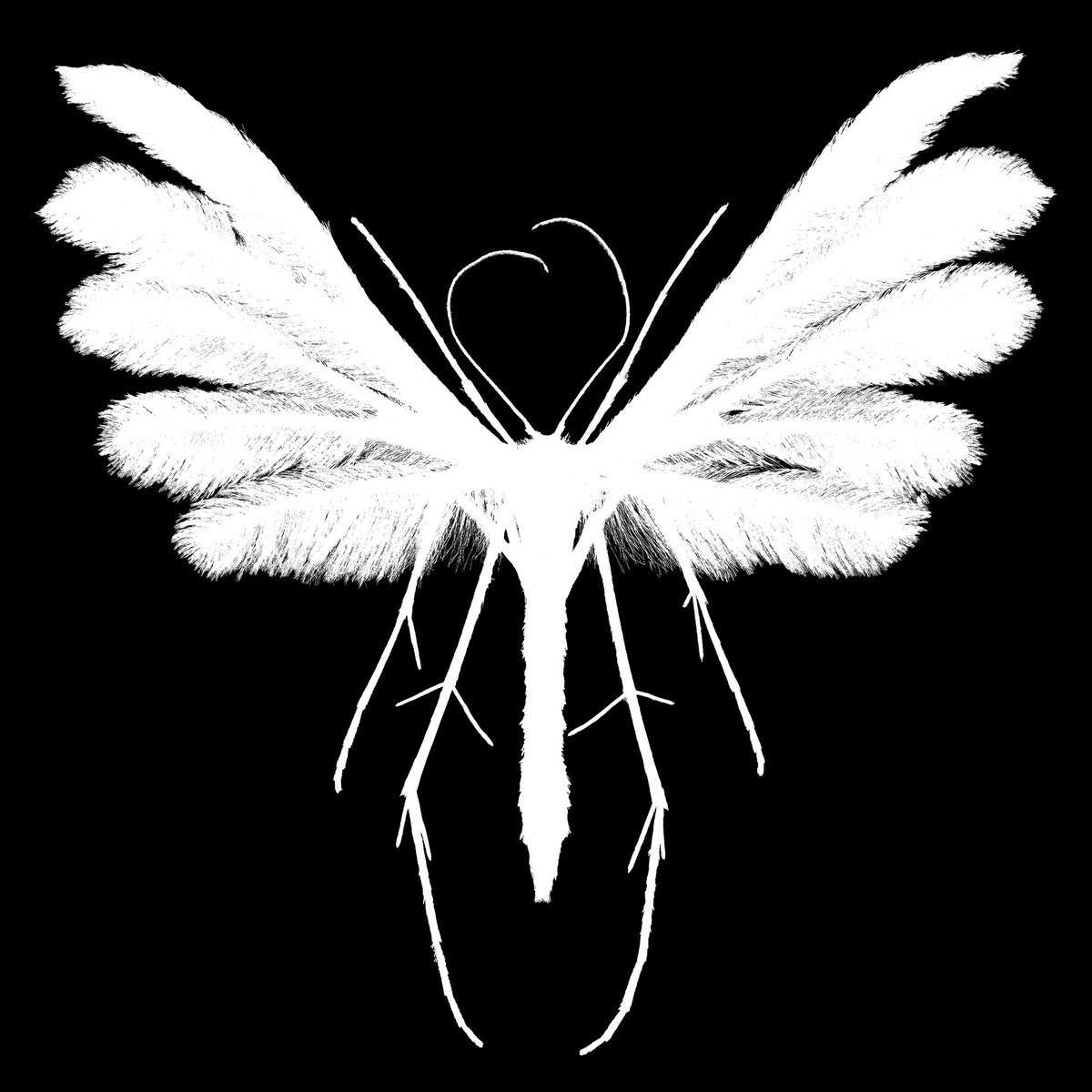
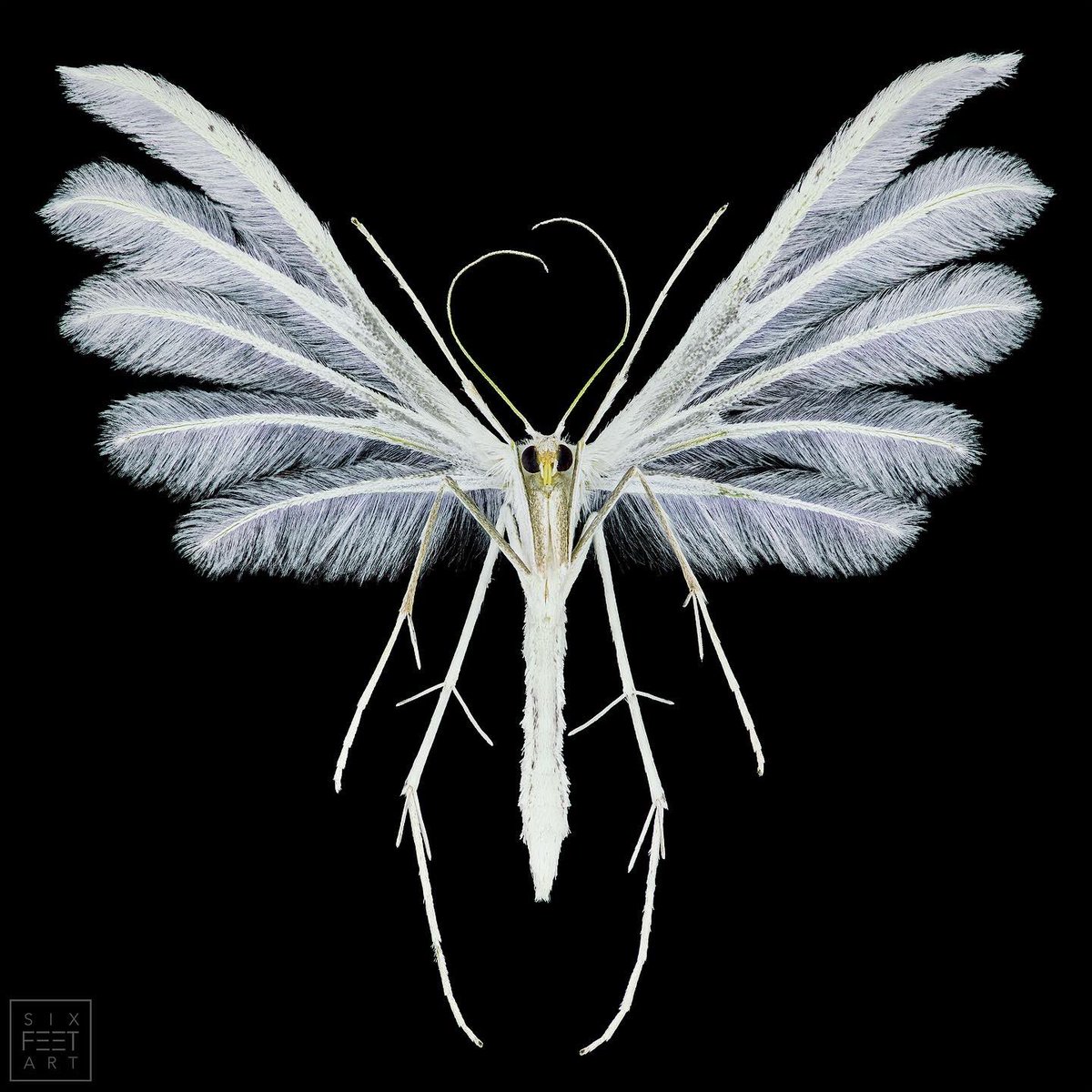
🇬🇧White plume moth, Pterophorus pentadactyla. A beautiful butterfly from the Pterophoridae family. The wingspan can be up to 35mm. This moth is one of the largest within the genus. The deep, finger-shaped split wings, which also appear feather-like and fringed, are striking. The forewings are bifurcated and the hindwings are trifurcated. If you look closely, you can clearly see the front and rear wings.
🇩🇪Weiße Winden-Federmotte, Pterophorus pentadactyla. Ein wunderschöner Schmetterling aus der Familie der Federmotten, auch unter dem Namen Schlehengeistchen bekannt. Die Flügelspannweite kann bis zu 35mm betragen. Der Falter zählt zu den größten Vertreten innerhalb der Gattung. Auffällig sind die tief und fingerförmig gespaltenen Flügel, die zudem federartig-fransig erscheinen. Die Vorderflügel sind zwei-, die Hinterflügel dreifach gespalten. Wenn man genau hinschaut, erkennt man Vorder- und Hinterflügel sehr gut.
#whiteplumemoth #pterophoruspentadactyla #schlehengeistchen #weißewindenfedermotte #federmotte #schmetterling #entomology #insects #butterfly #lepidoptera
A huge thanks to the Maxwell/Hanrahan Foundation for this award in recognition of my work on leafminers! It will allow me to devote more time to making and sharing new discoveries about these and other underappreciated herbivorous insects.
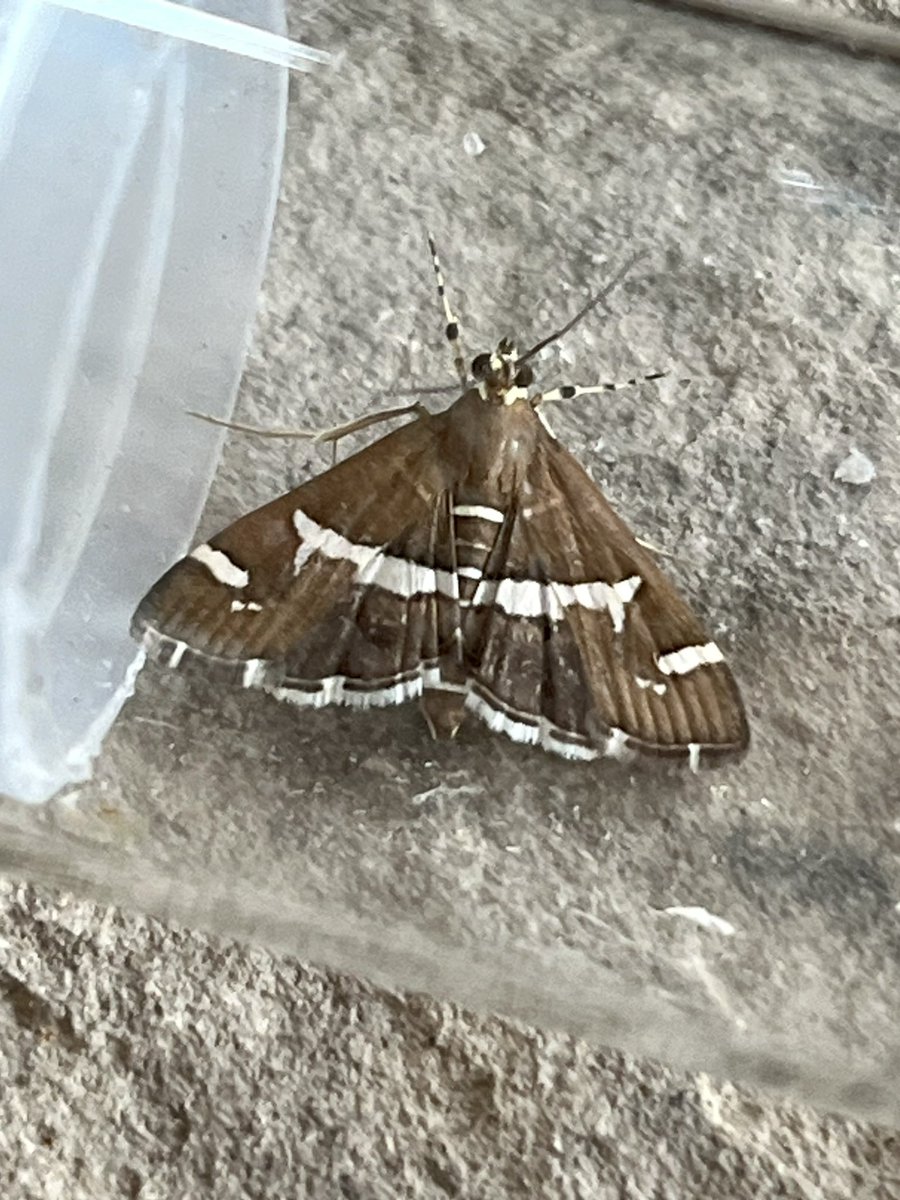
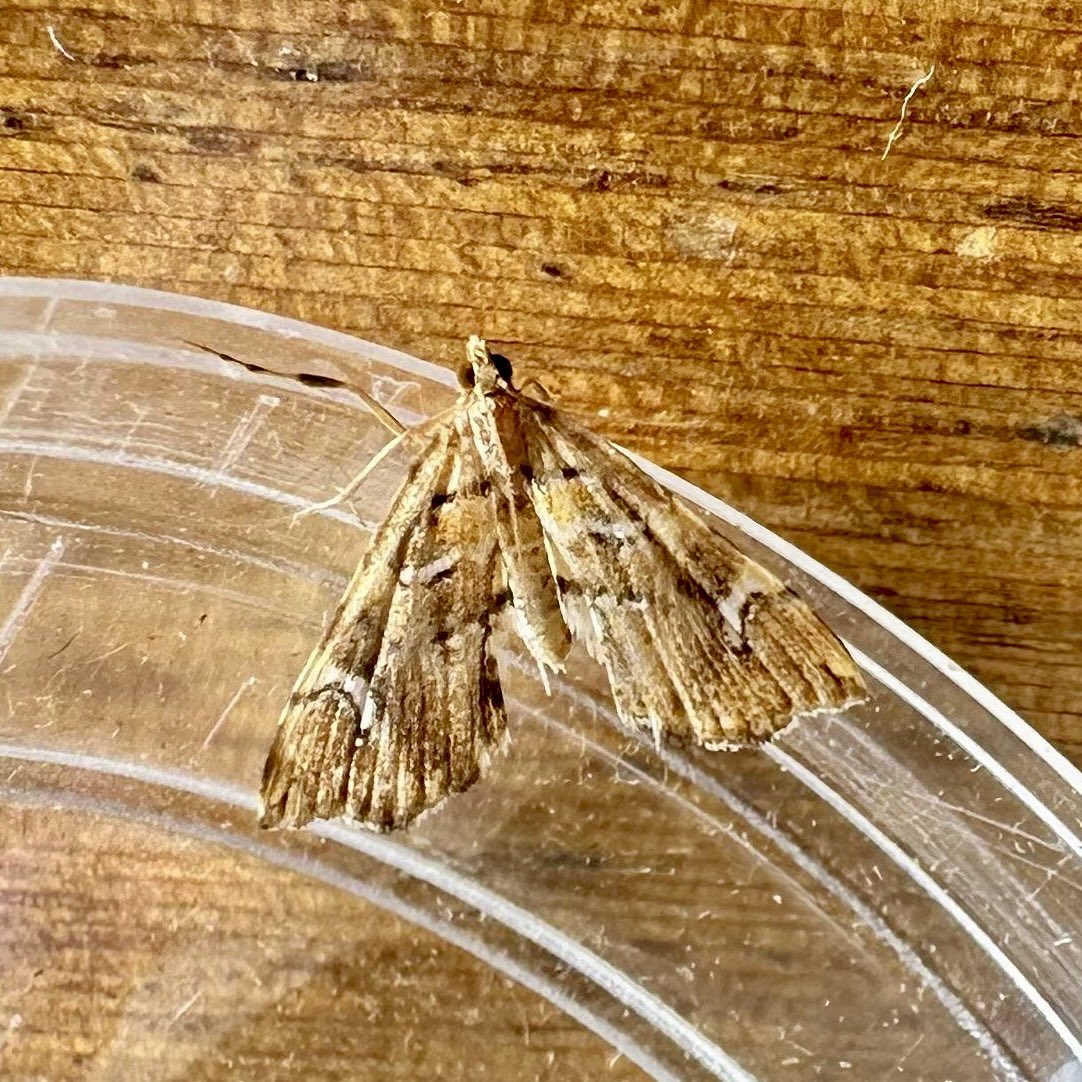
The Daily Moth 1,227. This is (presumably) a Mint Moth, but not as you know it. Caught on 2 Sep at home: the heart missed miss a beat. It is a Pyrausta, but fits nothing I can find, so is likely an aberrant aurata. If you think differently, pls let me know! #MuchAdoAboutMothing