@DrLeanaWen@CDCgov While it might surprise many, less testing aligns with CDC's own pandemic plan and principles. With H1N1 CDC abandoned tests based counts in month 2 and instead asked State's to report hospitalizations and deaths weekly. Agree that flip-flops don't help.
@DrLeanaWen@CDCgov The revision is aligned with science. Infectious Disease Society of America does not recommend testing asymptomatic people given lack of benefit They have a weak recommendation supporting testing of asymptomatic people in some congregate settings.
Hugely valuable contribution. Was it possible to stratify by asymptomatic testing? Are you working on the same for non-household transmission? Any idea why there are so few US based studies?
Sharing our systematic review of SARS-CoV-2 household secondary attack rate, led by my excellent postdoc Zach Madewell. He did a great job synthesizing the large (and growing!) literature on the topic.
https://t.co/hruocbI0VH
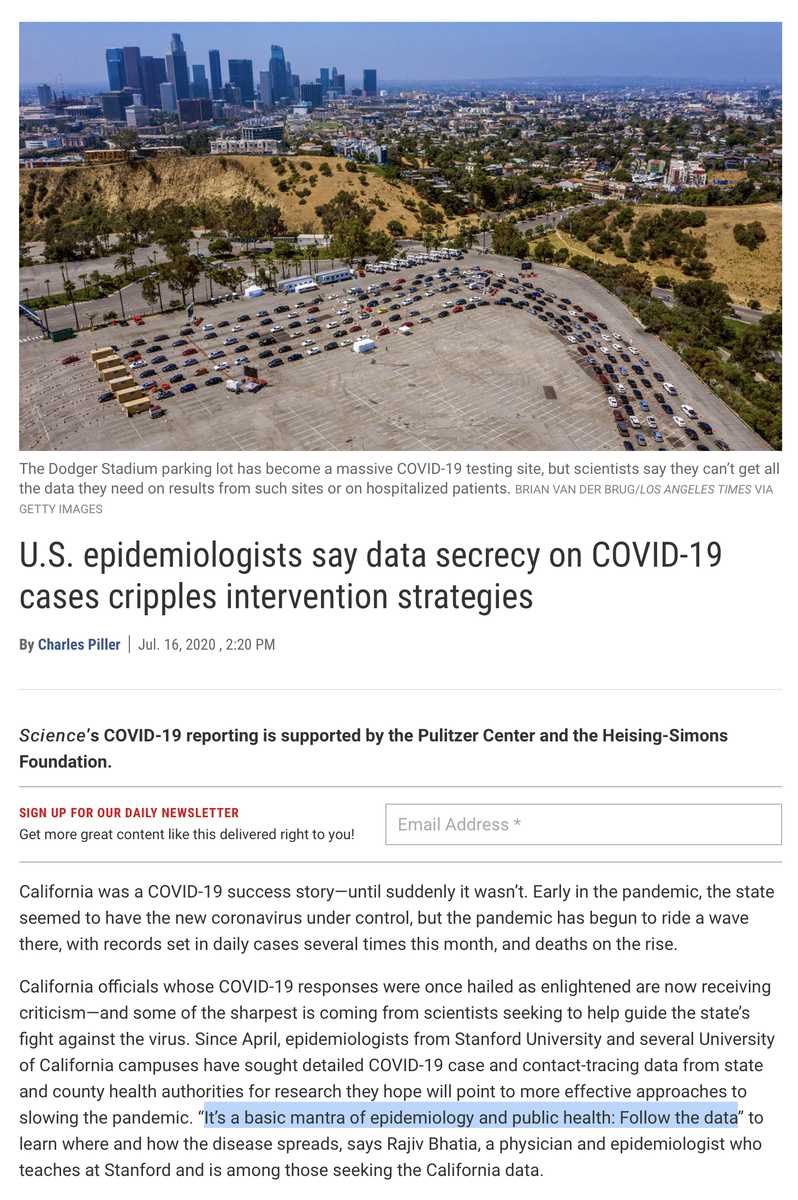
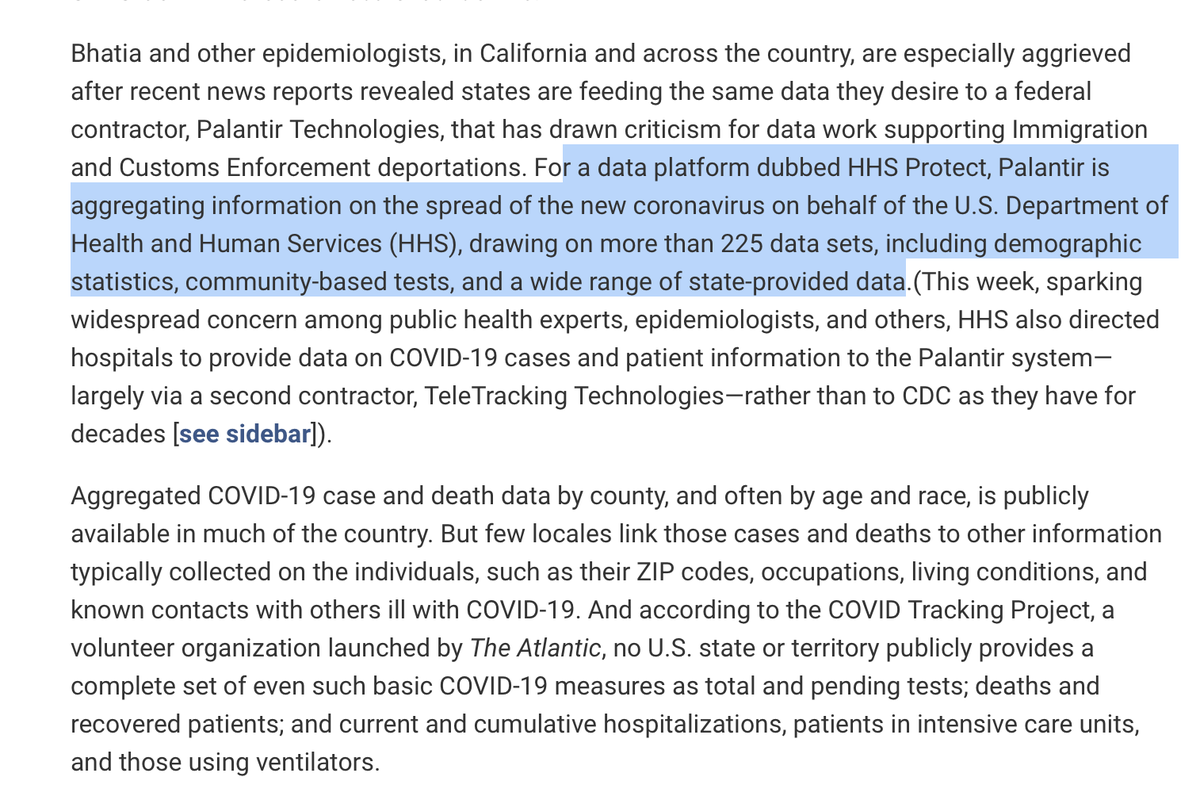
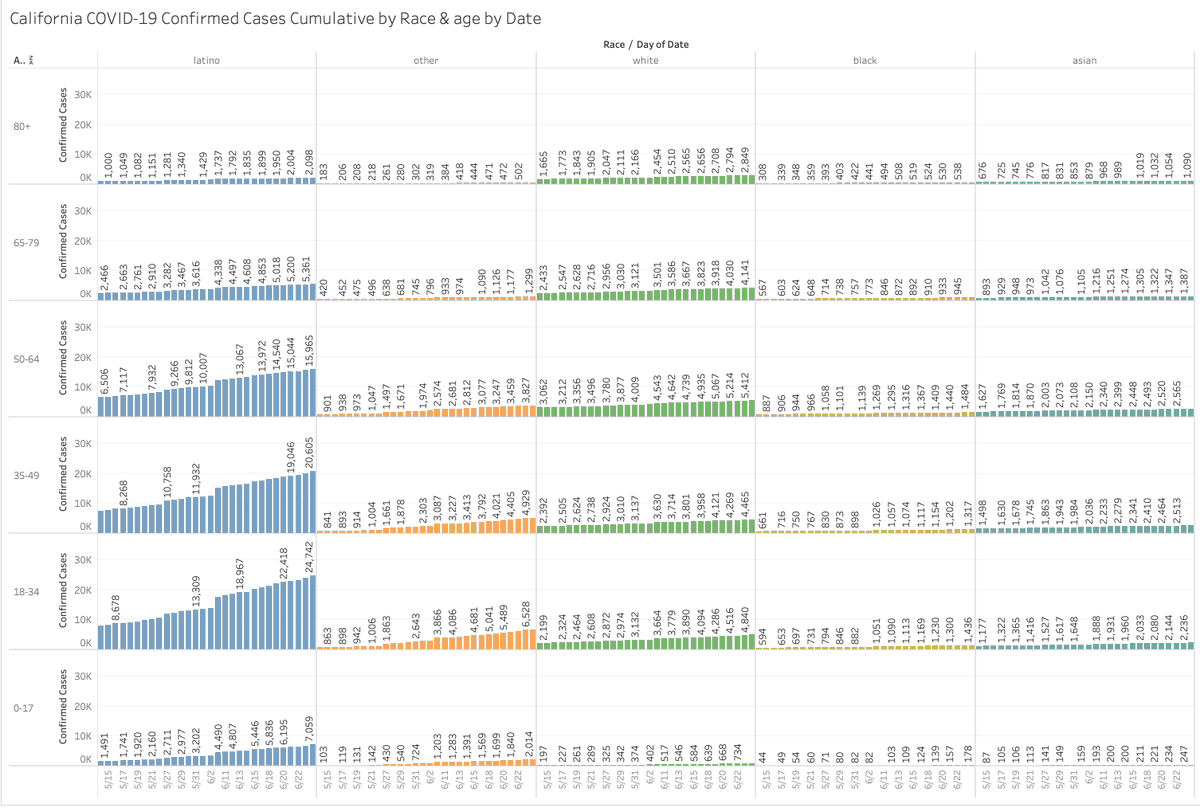
Some nuance: the HHS~CDC tussle is about hospital COVID-19 census data, not the line level case reports needed for the epidemiological who, where, and how of transmission. Fed and state hiding the facts equally. Florida, for whatever reason, is the open data star.
Most seem to be spared COVID-19 harms despite the increased testing. The state data is only and average. We need to keep our focus squarely on protecting the elderly, who are cared for by others and high risk neighborhoods.
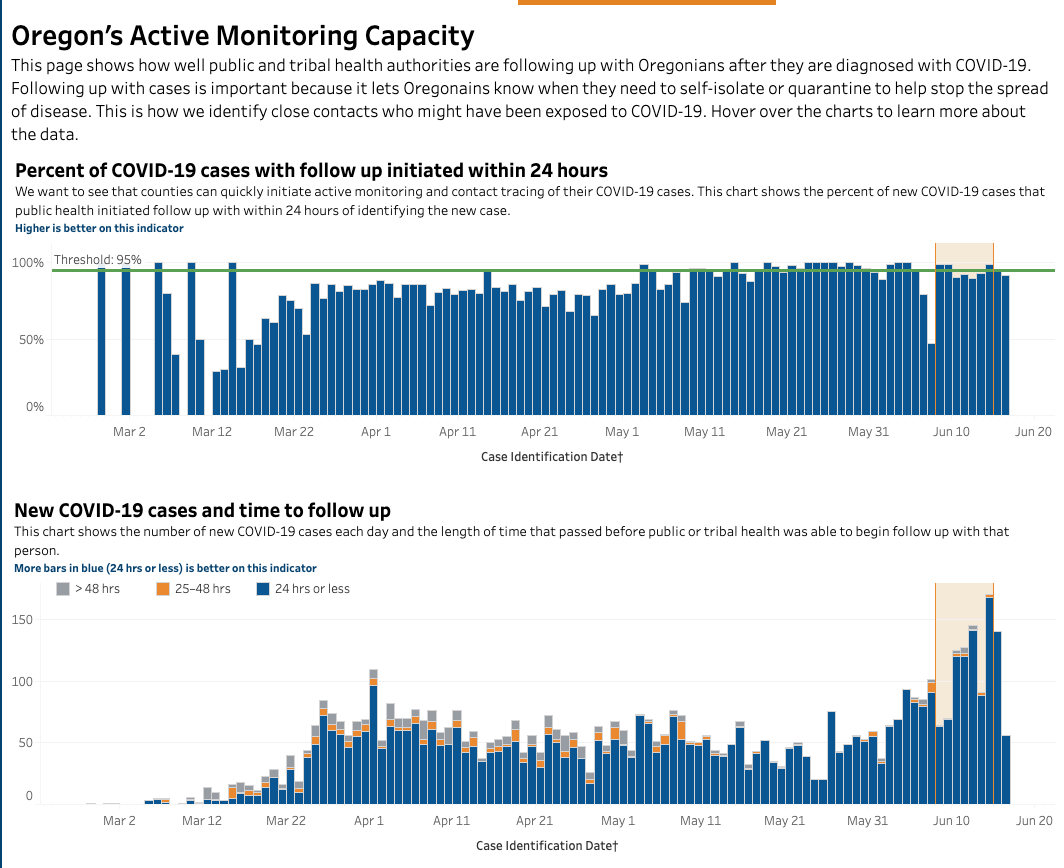
Oregon has been doing contact tracing since day one and reporting transparently without excuses. Oregon's death rate is lower than California's by two-thirds. We need the same dashboards in every state.
#covid19#contacttracing#publichealth#transparency#opendata
Check out Oregon. This is what COVID-19 contact tracing performance should look like. The goal is getting tracers to the case in 24 hours and quarantining all contacts in 4 days.
Low wage immigrants, often chosen for the highest risk work, creating risks at home for their families. Another sad testimony to injustice in the public health response to COVID-19.
https://t.co/fqrVnWcVL6
#covid19#inequalities#publichealth#immigrants
Colorado reports every COVID19 outbreak with names and addresses. This helps targeting prevention. Other states need to step up.
https://t.co/25NNhp41vw
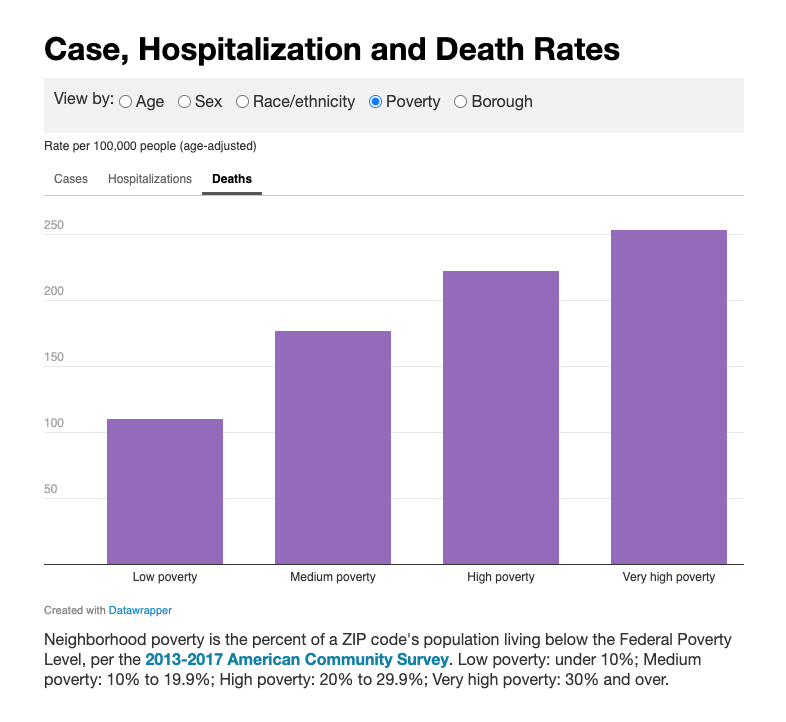
Rates of death from COVID-19 are 2.5 times higher in high poverty communities according to NYC data. We need to reprioritize public heath assets to get our response right.
Public health and political leaders need to get the message: target resources and expertise to low-income communities with more testing sites, contact tracing, and housing options to isolate sick workers. #covid19#inequalities#publichealth
Geographic data is putting the COVID-19 pandemic into focus. Low income communities bear the brunt. No surprise. Crowding, essential service workers, multi generational families, group homes and long term care facilities are all more common. https://t.co/9jhu4NWv9s
End the indecision and get children back in schools. There’s a global scientific consensus that it’s safe for kids and it’s safe for adults. Hygiene and sensible steps are enough. Pediatrics experts say kids don't need masks. https://t.co/Fz9b2AvRD1
@justin_hart Justin, thank you, please share the open data source for Florida and share if you are aware of any other public open data on hospital status by age or other risk factor.