We report that all fossil bears in Venezuela belong to a single species: Arctotherium wingei.
From Taima-Taima to Muaco, Cueva del Guácharo and El Breal de Orocual, it ranged widely during the Late Pleistocene–Early Holocene.
#Paleontology#Venezuela#Fossils#Megafauna
With x-ray microtomography, researchers created a full 3D model of a half-billion-year-old trilobite.
Learn more: https://t.co/GFbUgs8UZo #ScienceMagArchives
Tres científicos del CENPAT participan de una inédita campaña en aguas profundas del talud continental argentino
Martín Brogger, Gregorio Bigatti y Javier Signorelli, del IBIOMAR, se encuentran a bordo del buque oceanográfico Falkor (too) perteneciente a Schmidt Ocean Institute
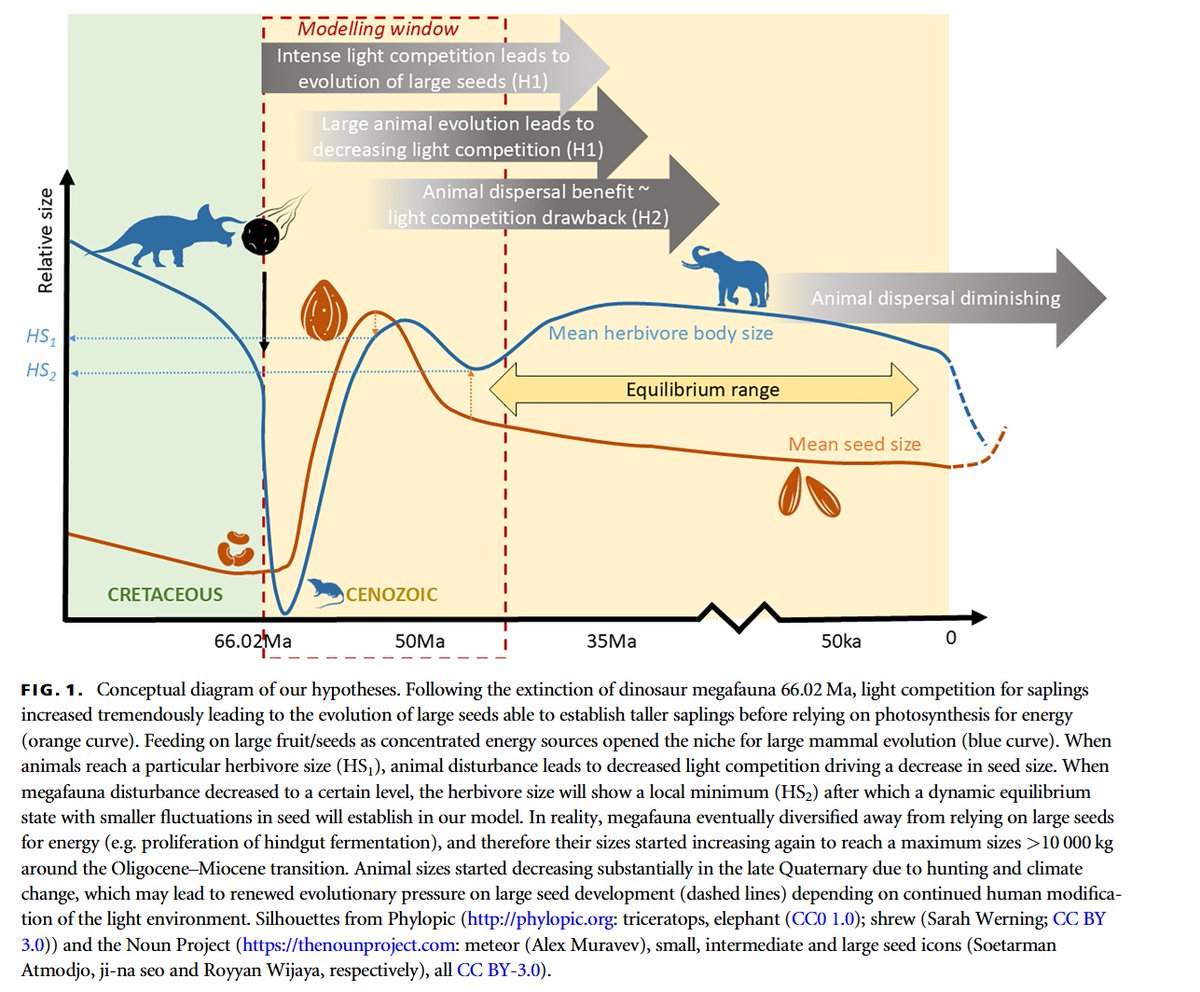
Interesting model combining mass extinction of giant dinosaurs and their effects on the seed sizes and later diversification of giant mammals which were dependent on the emergence of large seeded plants 👇
https://t.co/n1AO0731Yv
#MARAVILLOSO. Un campesino tivo la fortuna de registrar con su celular, el magnífico momento en el que una mamá armadillo y sus ocho crías, jugando en un pequeño riachuelo, al parecer de los Llanos Orientales 😍
#FossilFriday Ancient mammal mysteries! Why so few notoungulates in this Argentinian fossil site? Evidence of predation? What does these tell us about the past environment? With @drramoni, we recently explored these puzzles!
https://t.co/zSMf5jRGVT @CONICETDialoga@ConicetNOASur
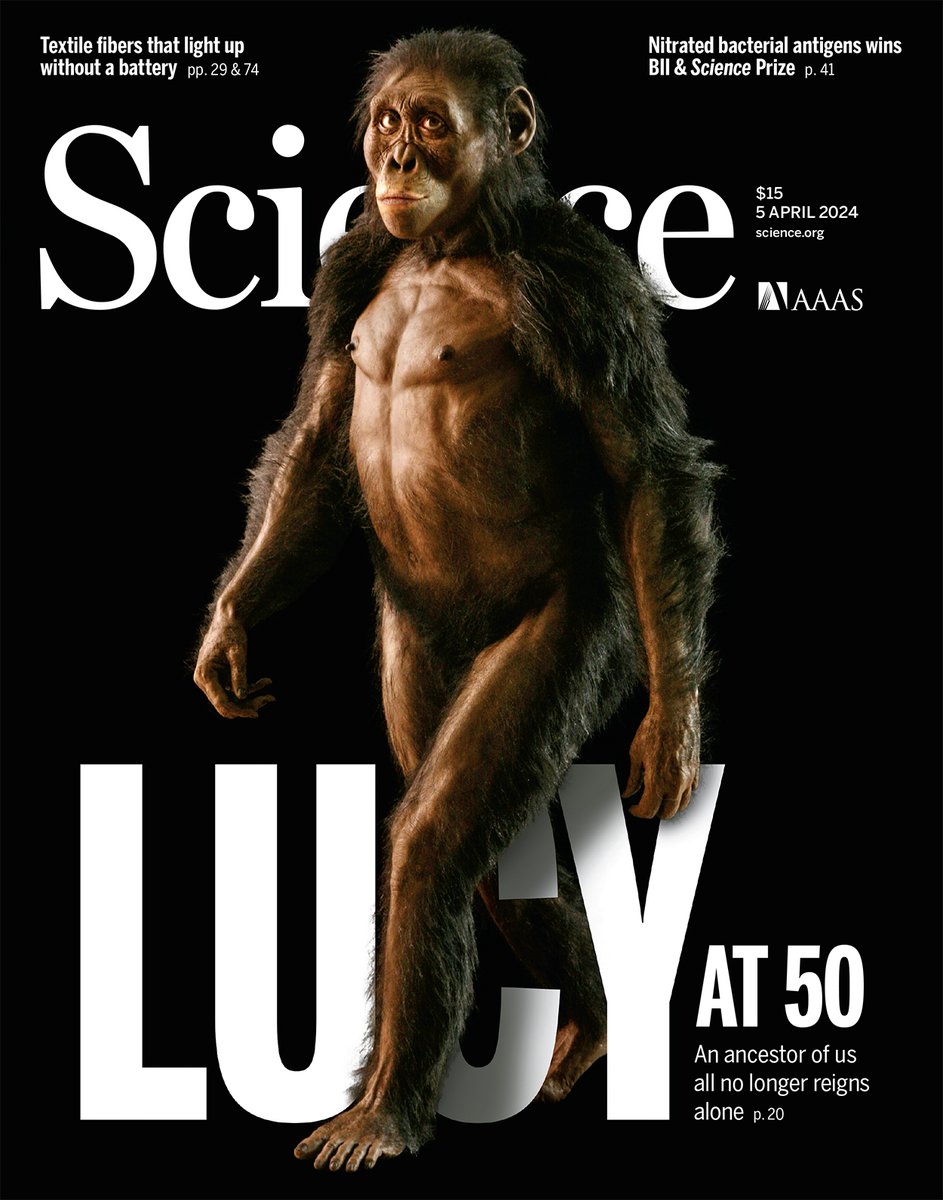
Fifty years ago, paleoanthropologists unearthed the 3.2-million-year-old skeleton known as Lucy and transformed our views of humanity’s origins.
Today, Lucy faces competition for the role of our direct ancestor but remains the best candidate. Learn more in an April 2024 issue of Science: https://t.co/EOMjetELtp