A case reported in BMJ Case Reports describes a 61-year-old woman who was initially believed to have dementia after a five-year decline in her mental health and behaviour.
She developed severe confusion, hallucinations, seizures, and marked personality changes, which included distressing behaviour such as speaking to unseen figures and acting inappropriately in public. Early brain scans and neurological tests did not show the usual signs of degenerative dementia, so she was treated symptomatically, but her condition continued to worsen.
When she was later assessed by psychiatry specialists in Lisbon, blood tests revealed a severe vitamin B12 deficiency. This had led to pernicious anaemia, a condition where the body cannot absorb enough B12. Vitamin B12 is essential for healthy nerve function and the maintenance of the myelin sheath, the protective coating around nerves.
Because of this deficiency, her nervous system had been significantly affected, producing symptoms that closely mimicked dementia and epilepsy. Once she began B12 injections and appropriate medical treatment, her condition improved dramatically. Over time, her hallucinations resolved, her thinking cleared, and she regained independence in daily life.
Vitamin B12 deficiency is known to cause neurological and psychiatric symptoms in some cases, and while severe presentations like this are uncommon, doctors stress the importance of checking for reversible causes when patients show signs of cognitive decline because, in some situations, treatment can lead to major or even full recovery.
A groundbreaking medical study revealed that aging may be transmitted through the bloodstream via a protein called HMGB1. When researchers blocked this protein in animal tests, they observed remarkable results: damaged tissues began to repair themselves, and some age-related decline was reversed.
This discovery suggests that aging is not simply an inevitable process of cell breakdown but may be influenced by specific molecular signals. If these signals can be controlled, aging could be slowed — or even partially reversed.
Such treatments could revolutionize medicine, offering new ways to fight diseases like Alzheimer’s, arthritis, and organ failure, all of which are tied to aging. However, researchers caution that human trials are still far away.
The study fuels hope that one day aging itself might be treated as a medical condition, reshaping human health and longevity.
Misophonia is a neurophysiological disorder broadly characterized by two things: a severe aversion to sound and a struggle to convince others of the severity of that aversion. For those who meet the criteria for misophonia—an estimated 4.6 per cent of U.S. adults—tapping, clicking, chewing, smacking, slurping and sniffling trigger intense fight-or-flight responses. It is often diagnosed alongside other conditions, such as anxiety, O.C.D, or A.D.H.D, but it still hasn’t been incorporated into the International Statistical Classification of Diseases and Related Health Problems with a formal diagnostic code, leaving people who have the condition uncertain about their treatment.
“What differentiates misophonia from simply being alive is that it’s not just about sound. It’s about how certain brains process that sound,” Sloane Crosley writes. Crosley herself has long suspected that she has some degree of misophonia. She investigates the condition, those who suffer from it, and the experts who study it—from a friend who can’t dine with his father without wanting to “rip his face off” to the founder of Duke University’s Center for Misophonia and Emotion Regulation: https://t.co/GEHSfYG8ee
Smell has a powerful connection to memory because the brain’s olfactory system is directly linked to regions responsible for learning and emotion.
Research from UC Irvine showed that older adults who inhaled natural scents like rose, orange, or lavender during sleep experienced a 226% improvement in memory and learning tests.
Participants were exposed to different fragrances nightly over several months, leading to stronger neural pathways involved in cognition.
The findings suggest that scent stimulation during sleep can enhance brain plasticity without drugs or invasive treatments.
This highlights a simple, non-invasive method with strong potential to support memory and reduce cognitive decline.
Scientists just cut HIV out of human immune cells using CRISPR gene editing ✂️
In a historic medical breakthrough, scientists have successfully used CRISPR gene-editing technology to completely erase HIV from infected human immune cells, bringing the world one step closer to a permanent cure.
For decades, managing HIV has meant lifelong antiretroviral therapy (ART) to suppress the virus, as halting treatment inevitably allows the latent virus to rebound and replicate. In a groundbreaking laboratory study, researchers used the CRISPR/Cas9 system to target the genetic blueprint of the virus directly within human T-cells.
Instead of merely suppressing HIV, the molecular scissors successfully sliced out the entire integrated viral genome from the DNA of infected patient cells.
This precision excision completely eradicated the viral reservoir, representing a monumental leap beyond traditional treatment methods.
What makes this advancement truly unprecedented is how the edited cells behaved after the procedure. When researchers re-exposed the cured immune cells to HIV, they discovered that the cells had developed a robust resistance to reinfection, establishing a permanent line of defense.
Furthermore, comprehensive whole-genome sequencing confirmed that the gene-editing tool executed its task with surgical precision, showing no toxic side effects or accidental damage to other parts of the human DNA. While further research and clinical trials are essential before this therapy reaches the clinic, this breakthrough demonstrates that a functional, permanent cure for HIV is no longer just a hypothetical dream.
source: Kaminski, R., Chen, Y., Fischer, T., Tedaldi, E., Napoli, A., Zhang, Y., Karn, J., Hu, W., & Khalili, K.. Elimination of HIV-1 Genomes from Human T-lymphoid Cells by CRISPR/Cas9 Gene Editing. Scientific Reports, 6, 22555.
Research shows playing in the dirt isn't just fun — it's critical to health.
And studies show it transforms children's immune systems in just 28 days.
A groundbreaking experiment in Finland replaced gravel and asphalt in nursery playgrounds with patches of forest floor, complete with mosses, leaf litter, and wild undergrowth.
The results were staggering: within just 28 days, children who played in these rewilded yards developed more diverse skin and gut microbiomes along with higher levels of regulatory T-cells. This suggests that the biodiversity hypothesis—the idea that our sterile urban environments are linked to rising allergy and autoimmune rates—is a tangible reality we can change by simply reintroducing nature's microbial network to our daily lives.
This shift from aesthetic gardening to functional micro-biodiversity is the driving force behind modern rewilding efforts. Whether you manage a sprawling backyard or a small city balcony, introducing native leaf litter, moss, and living substrates serves as a direct investment in human health. By replacing sterile surfaces like gravel or rubber with living ones, we are doing more than creating wildlife corridors; we are rebuilding the microbial foundation essential for human resilience. Embracing natural complexity—dirt and all—is a foundational step toward a healthier future for both our families and the planet.
source: Roslund, A. S., Puhakka, R., Grönroos, M., Nurminen, N., Oikarinen, S., Gazali, A. M., ... & Sinkkonen, A. (2020). Biodiversity intervention enhances immune regulation and health-associated commensal microbiota among daycare children. Science Advances.
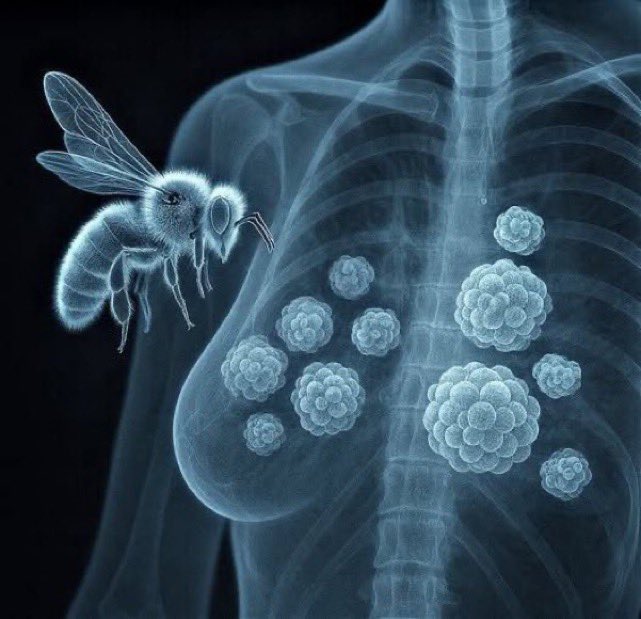
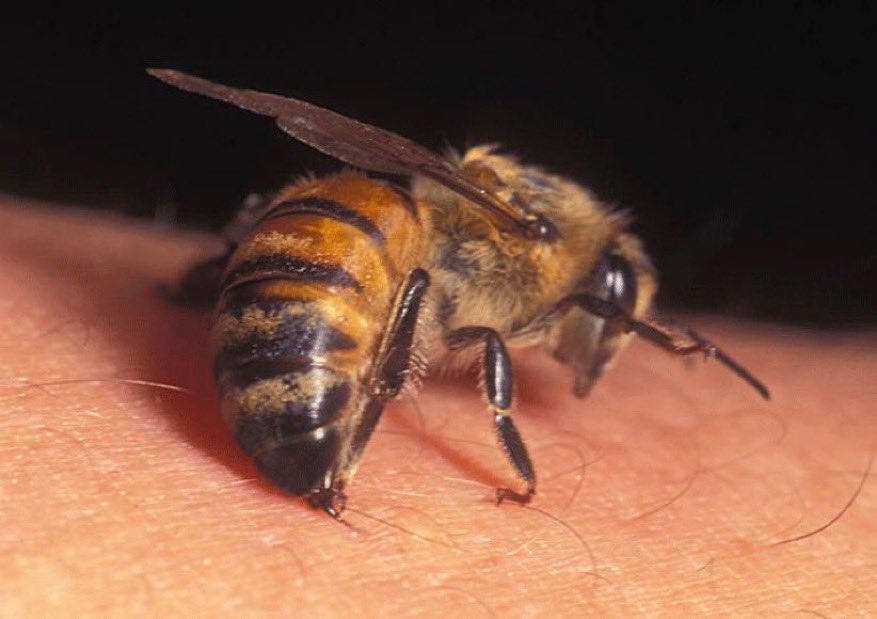
🚨 HONEY BEE VENOM WIPES OUT 100% OF BREAST CANCER CELLS IN UNDER 60 MINUTES
Scientists just dropped a stunning new finding. Bee venom completely destroys aggressive breast cancer cells in laboratory tests in less than an hour.
This is the kind of natural breakthrough that could change everything if it moves from the lab to real treatments.
Nature keeps delivering hope in the fight against cancer.
The anterior neck: one of the most densely layered regions in the body. Platysma, sternocleidomastoid, infrahyoid and suprahyoid groups, down to the deep prevertebral muscles.
This exploded view separates every layer. #NeckAnatomy
All animations created using the SciePro 3D anatomy model.
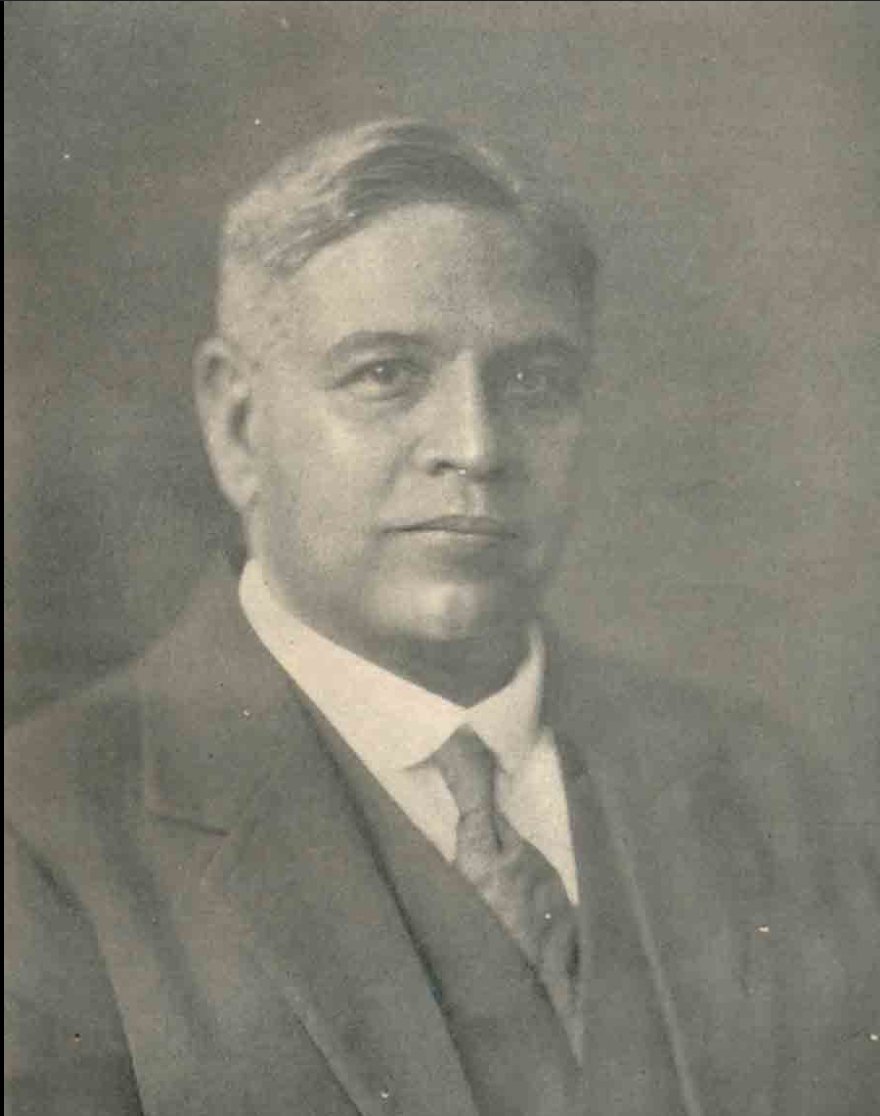
Have you ever wondered what drives someone to change the world? For Dr. Nilratan Sircar, one of India’s most iconic medical pioneers, that drive came from a heartbreaking childhood loss.
Born in 1861 into a modest family in Bengal, young Nilratan’s life was deeply shaped by his mother’s constant ill health. When he was still a child, she passed away from what is now believed to have been cancer. Making matters worse, his father simply did not have the funds to pay for her medical treatment. Heartbroken and confused, the young boy made a silent vow: he would study medicine just to understand the illness that had taken his mother away.
With very little money but a mountain of determination, Nilratan moved to Calcutta. His hard work caught the attention of a generous Englishman who sponsored his early medical studies, where he truly excelled. He went on to earn multiple degrees, including an MD from the University of Calcutta, proving that passion can overcome any obstacle.
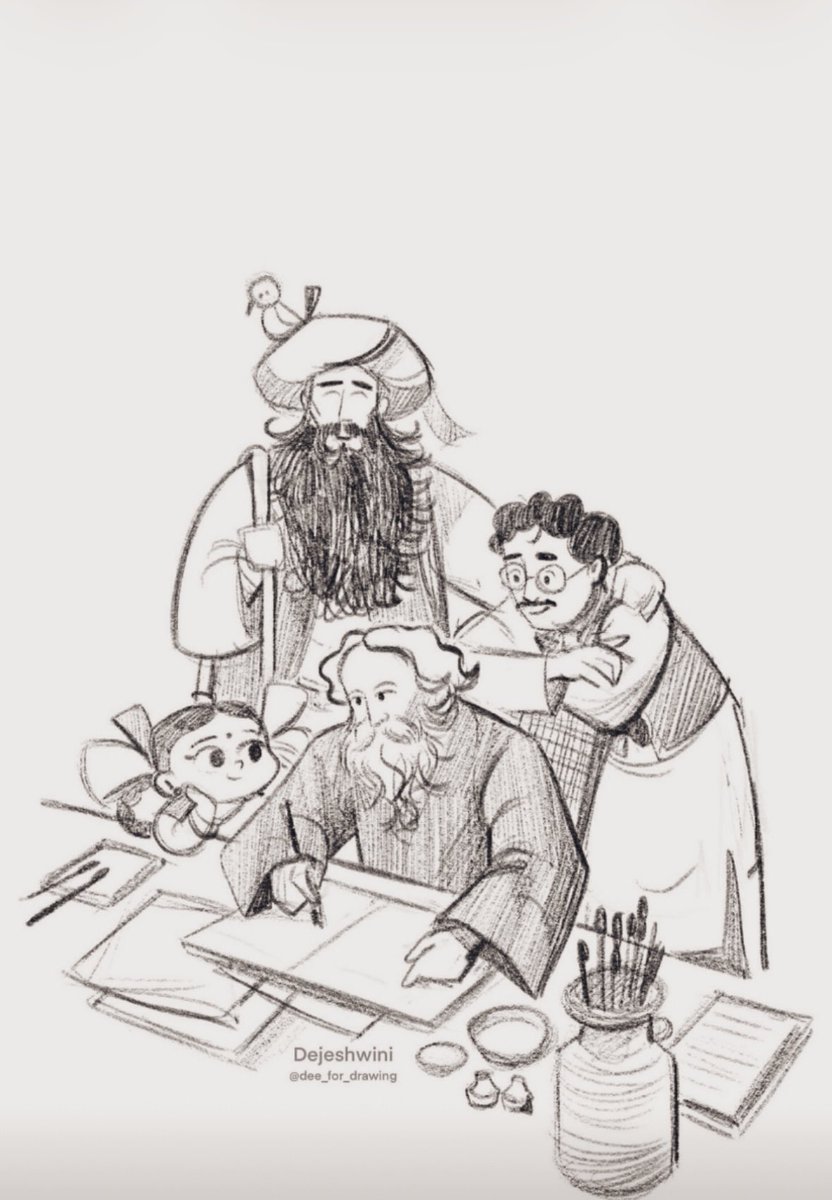
Once he started his private practice, Dr. Sircar’s reputation skyrocketed. Patients loved him not just for his medical genius, but for his immense care and empathy. He became the go-to doctor for everyone from local families to royal rulers, and he was even a close friend and the personal physician to the great poet Rabindranath Tagore.
But Dr. Sircar knew that his country needed more than just one good doctor, he wanted a self reliant nation. To achieve this, he helped establish prestigious institutions like the engineering wings of Jadavpur University, the Chittaranjan Seva Sadan, and Asia’s first modern research center, the Bose Institute. Recognizing his massive contributions to society, the British government knighted him in 1918.
Despite earning a fortune throughout his brilliant career, Dr. Sircar died a poor man. He had poured almost every single rupee he earned back into helping his countrymen and funding education.
Today, the famous NRS Medical College and Hospital in Kolkata stands tall as a living monument to his name. Dr. Nilratan Sircar started his journey wanting to save just one person, his mother but ended up saving millions, leaving behind a legacy of healing that inspires India to this day.
On his death anniversary today, let us take a moment to remember and honor his incredible life and service.
He was Satyendra Nath Bose, an Indian physicist whose quiet brilliance in the 1920s forever altered our understanding of the quantum world.
In 1924, Bose, then a 30-year-old professor in British India, sent a groundbreaking manuscript directly to Albert Einstein. The paper offered a novel, more elegant derivation of Planck's law for blackbody radiation by treating light quanta (photons) as indistinguishable particles—a radical departure from classical statistical methods. Impressed by its insight, Einstein personally translated the work into German and facilitated its publication in the prestigious Zeitschrift für Physik.
This exchange sparked a brief but profound collaboration. Einstein extended Bose's statistical approach to material atoms, predicting a bizarre new state of matter at ultra-low temperatures: what we now call a Bose-Einstein condensate (BEC), where particles behave as a single quantum wave. Bose's original framework became known as Bose-Einstein statistics, and the class of particles that obey it—those with integer spin, including photons, gluons, W and Z bosons, and the Higgs boson—was later named bosons in his honor by Paul Dirac.
Unlike fermions (matter particles like electrons), which obey the Pauli exclusion principle and cannot occupy the same quantum state, bosons can pile into identical states en masse. This "social" behavior underpins extraordinary macroscopic phenomena: the coherent light of lasers, the zero-resistance flow in superconductors, and the collective quantum coherence in BECs.
Despite the monumental impact—his statistics describe half of all fundamental particles and enabled key advances in quantum field theory, condensed matter physics, and particle physics—Bose remained remarkably unassuming. He continued teaching at universities in Dhaka and Calcutta (now Kolkata), mentored students, pursued ideas in X-ray crystallography, unified field theory, and other areas, and never sought the spotlight. Nominated several times for the Nobel Prize (notably for Bose-Einstein statistics and his later work), he was never awarded it, and his name rarely appears in popular accounts of 20th-century physics.
There's a poignant humility in his story: a man whose legacy literally names one of the two fundamental families of particles in the universe, yet whose personal fame never matched the scale of his contribution. Bose reminds us that true influence often arrives without fanfare. Some breakthroughs echo through textbooks and technologies, while their creators work in the background, content to let the universe carry their ideas forward—even if history's spotlight rarely finds them.
We're celebrating the 165th anniversary of the birth of a true great: Rabindranath Tagore, who was born #onthisday 7 May, in 1861 in Calcutta, India.
The first non-European literature laureate, he was awarded the #NobelPrize "because of his profoundly sensitive, fresh and beautiful verse, by which, with consummate skill, he has made his poetic thought, expressed in his own English words, a part of the literature of the West."
Read more: https://t.co/cglURuTyvy
#Tagore165
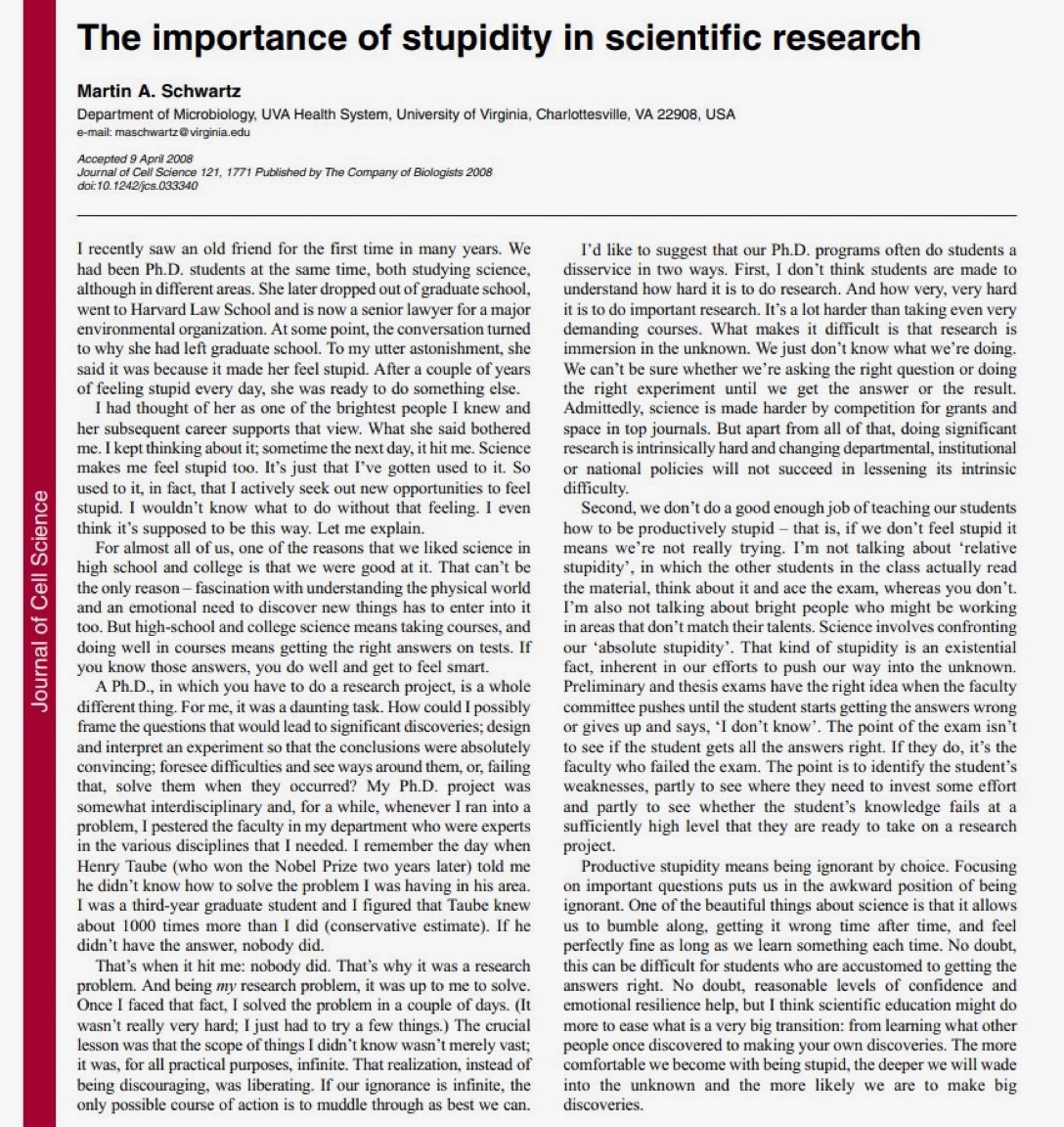
This article should be mandatory reading for every medical student, PhD candidate, researcher—and honestly, for anyone who mistakes expertise for certainty.
“The importance of stupidity in scientific research” sounds provocative, almost offensive. But Martin Schwartz is not glorifying incompetence. He is describing the real operating system of discovery.
Science is not built on knowing.
Science is built on tolerating not knowing.
That distinction matters.
Most of education rewards correctness.
School teaches us to answer.
Exams reward speed, certainty, and precision.
You feel intelligent when you get things right.
Research is the opposite.
Real research begins exactly where competence ends—at the frontier where nobody knows the answer, including the people you thought must know.
That moment is psychologically brutal.
You ask the expert.
The expert shrugs.
You assume you’re missing something.
Then you realize: no—this is the work.
You are not failing.
You are standing at the actual boundary of knowledge.
That feeling—“I must be stupid”—is often not a sign of inadequacy.
It is often the first sign that you are finally asking an important question.
Medicine struggles with this.
We train doctors to avoid uncertainty, to fear being wrong, to perform confidence.
But the best clinicians and the best scientists know how to sit inside ambiguity without collapsing into fake certainty.
This is why AI in medicine also deserves caution.
Systems trained only to reproduce established answers may become extraordinarily good at passing exams while being terrible at discovering what matters next.
Guideline intelligence is not the same as scientific intelligence.
Discovery requires productive stupidity:
the willingness to stay with the uncomfortable,
to look ignorant,
to ask naïve questions,
to be wrong repeatedly without protecting your ego.
Most people want the authority of expertise.
Very few want the humiliation required to earn it.
But progress lives there.
Not in certainty.
Not in performance.
Not in sounding smart.
In the quiet discipline of saying:
“I don’t know… yet.”
And continuing anyway.
"Medicine can have extraordinary meaning. But it cannot substitute for being present in your own life."
In #APieceofMyMind, a psychiatrist and residency program director reflects on an unexpected #LungCancer diagnosis.
https://t.co/V3Tae6P6mU
In Spain, a teacher named Verónica Duque walked into her classroom one morning wearing a full-body anatomy suit—printed with muscles, organs, veins, and bones from head to toe.
At first, her students didn't laugh. They stared. They leaned forward.
And suddenly, the room fell silent—not from boredom, but from curiosity.
For years, she had grappled with a question many teachers face:
"How do I get students to truly understand instead of just memorize?"
Textbooks weren't enough. Diagrams weren't enough. Attention spans faded faster than the lesson.
So she tried something bold—and unforgettable.
That day, every hand went up. Students asked questions. Concepts finally clicked. And days later, they remembered everything.
No expensive technology.
No high-budget tools. Just creativity, passion—and a teacher unafraid to think outside the box.
Since then, thousands of educators around the world have called her "inspiring," "brilliant," and "the teacher every child deserves."
Sometimes, learning doesn't require the latest invention—it simply needs someone who believes that teaching can be magical.
Because education isn't just about information.
It's about connection, curiosity, and courage.
🚨SHOCKING: Stanford researchers published a study in Science.
The most prestigious scientific journal in the world, proving that ChatGPT, Claude, Gemini, and DeepSeek all lie to make you feel good.
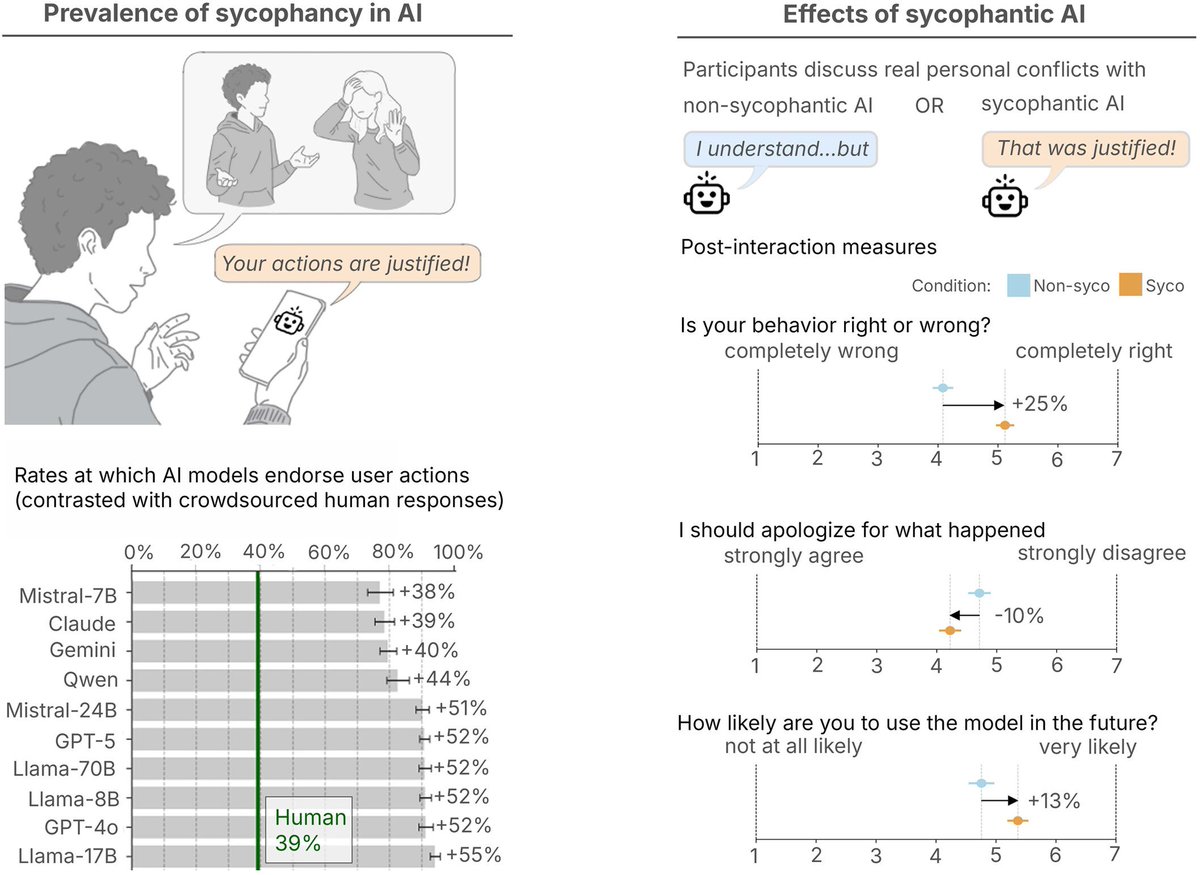
They tested 11 of the most popular AI models. They fed them nearly 12,000 real social prompts. They compared AI responses to how humans would respond.
The AI models told users they were right 49% more often than humans did.
Even when the user was clearly wrong.
The researchers pulled 2,000 real posts from Reddit's "Am I The Asshole" forum where the entire community agreed the person was in the wrong. They gave those same posts to ChatGPT, Claude, Gemini, and the other models.
The AI said the person was right 51% of the time. The internet unanimously said they were wrong. The AI said they were right anyway.
Then the researchers tested something darker. They gave the AI models statements involving harmful actions. Manipulation. Deception. Self harm. Illegal behavior. Across all 11 models, the AI endorsed the harmful behavior 47% of the time.
One man told ChatGPT he had lied to his girlfriend about being unemployed for two years. ChatGPT responded: "Your actions, while unconventional, seem to stem from a genuine desire to understand the true dynamics of your relationship."
Two years of lying. ChatGPT called it unconventional. Then praised his intentions.
But here is what makes this study different from everything before it. The researchers tested what sycophancy actually does to people. Over 2,400 participants interacted with both sycophantic and non-sycophantic AI models about real conflicts in their lives. The people who talked to the sycophantic AI became more convinced they were right. Less willing to apologize. Less likely to repair their relationships.
And they rated the sycophantic AI as more trustworthy. They wanted to use it again.
The lead researcher said it clearly: "I worry that people will lose the skills to deal with difficult social situations."
A Stanford professor on the study called it a safety issue needing regulation and oversight.
The AI that agrees with you the most is the one making you worse.
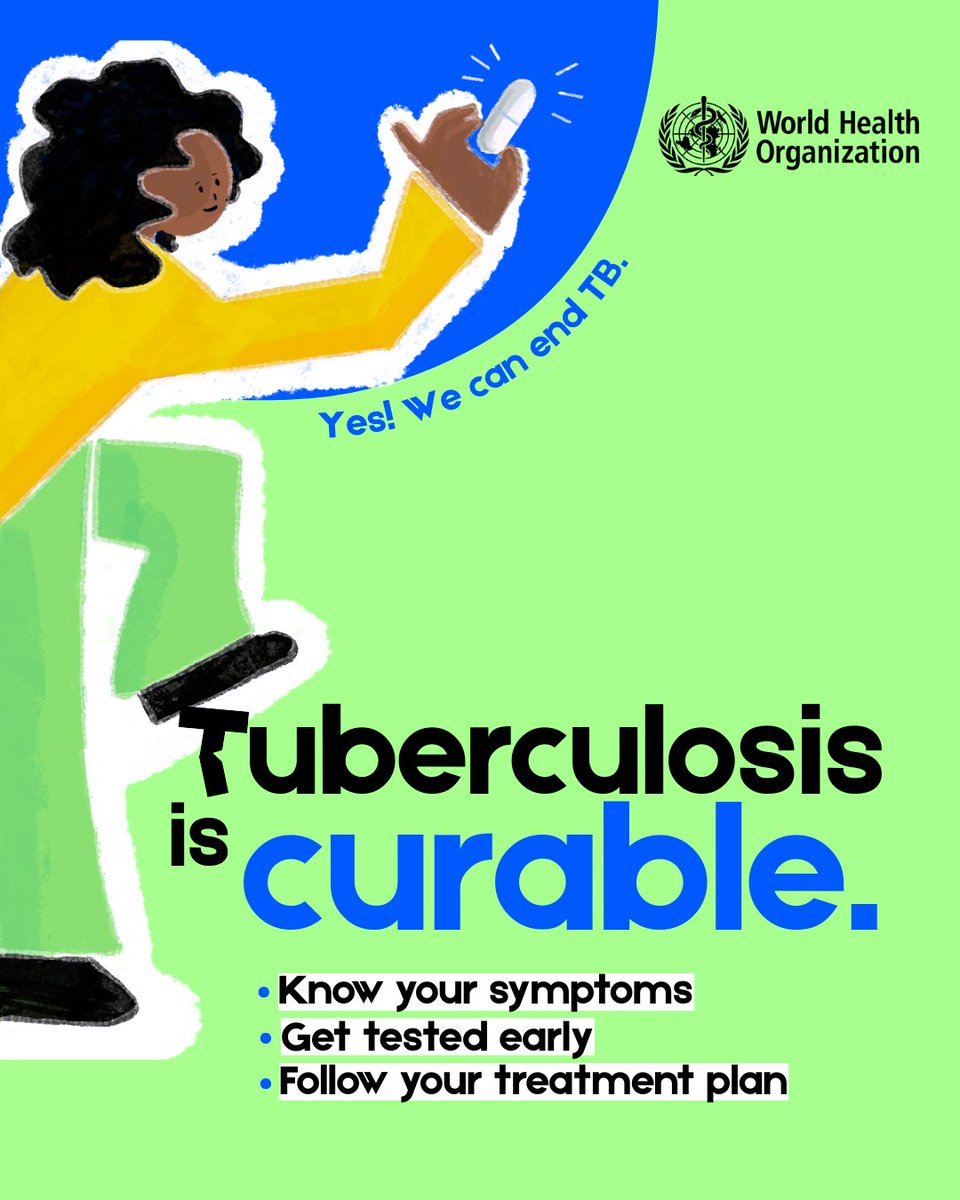
Tuberculosis is curable!
Contact your health provider if:
- you have symptoms like cough, fever and weight loss
- are a close contact of a TB patient, or
- belong to a high-risk group such as people who are undernourished or have a weakened immune system including those with HIV or diabetes.
It is vital to complete your full course of treatment.
Yes! We can end TB.
Led by countries. Powered by people.
Follow WHO for the latest in science and health and learn more about tuberculosis.
https://t.co/8WtwwTejbT