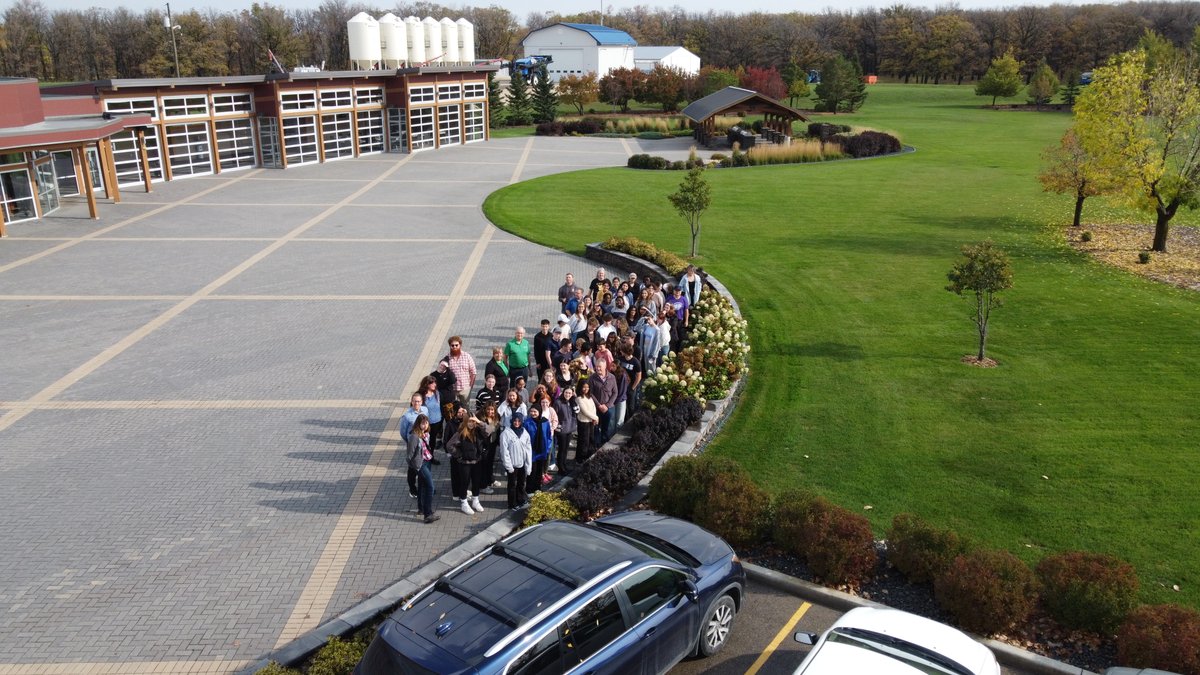
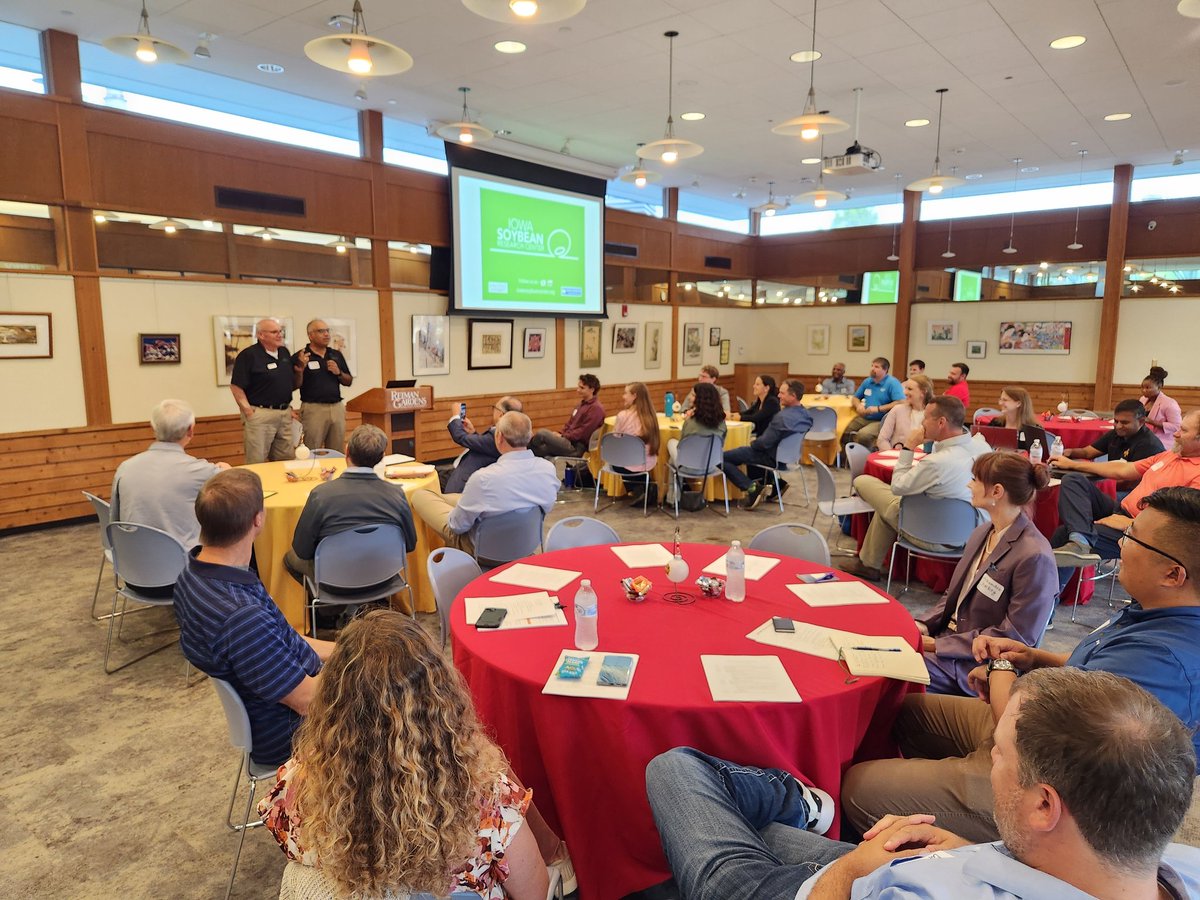
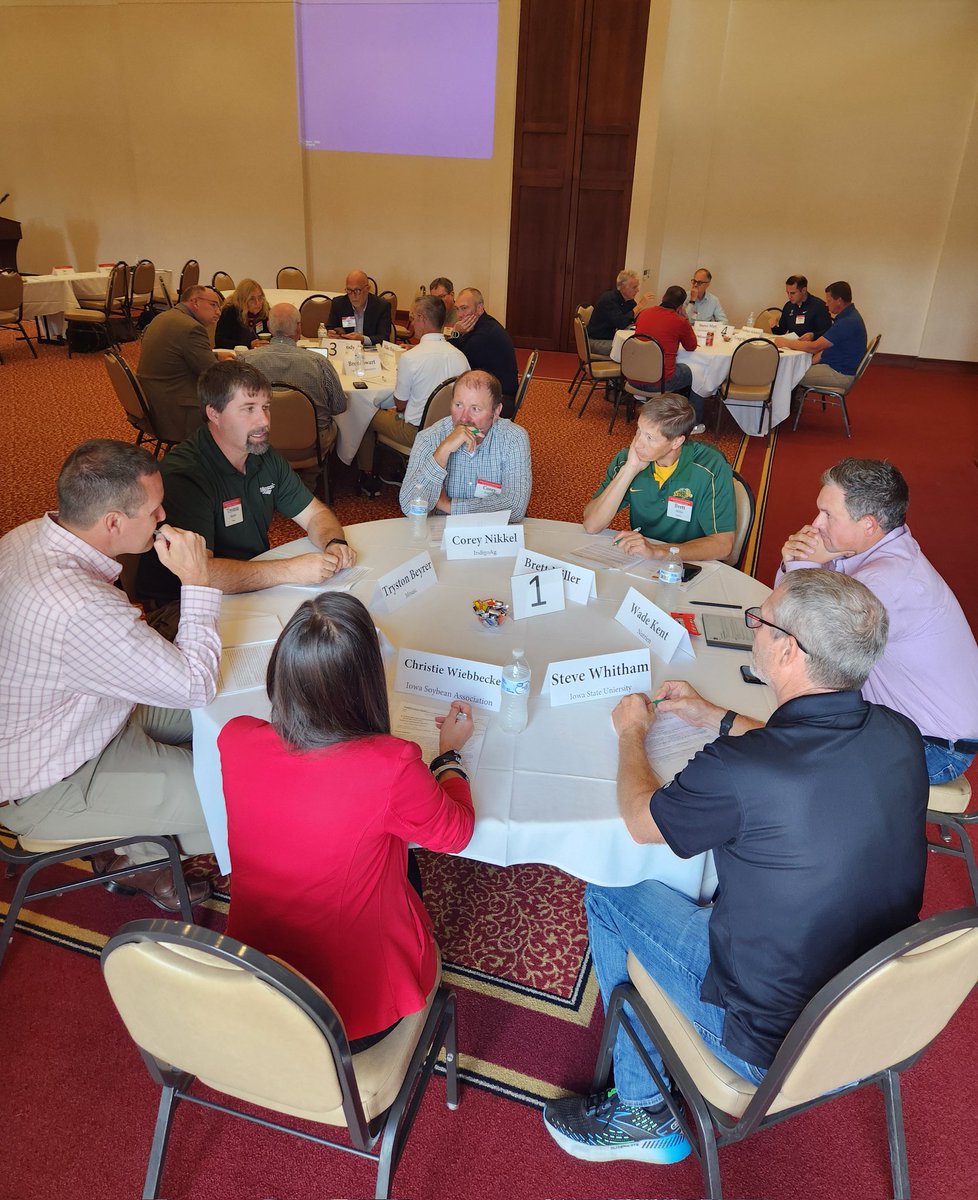
Great turnout for ISRC’s research day yesterday! Thank you to all the ISU graduate students, research staff, faculty, industry partners & farmers who participated.
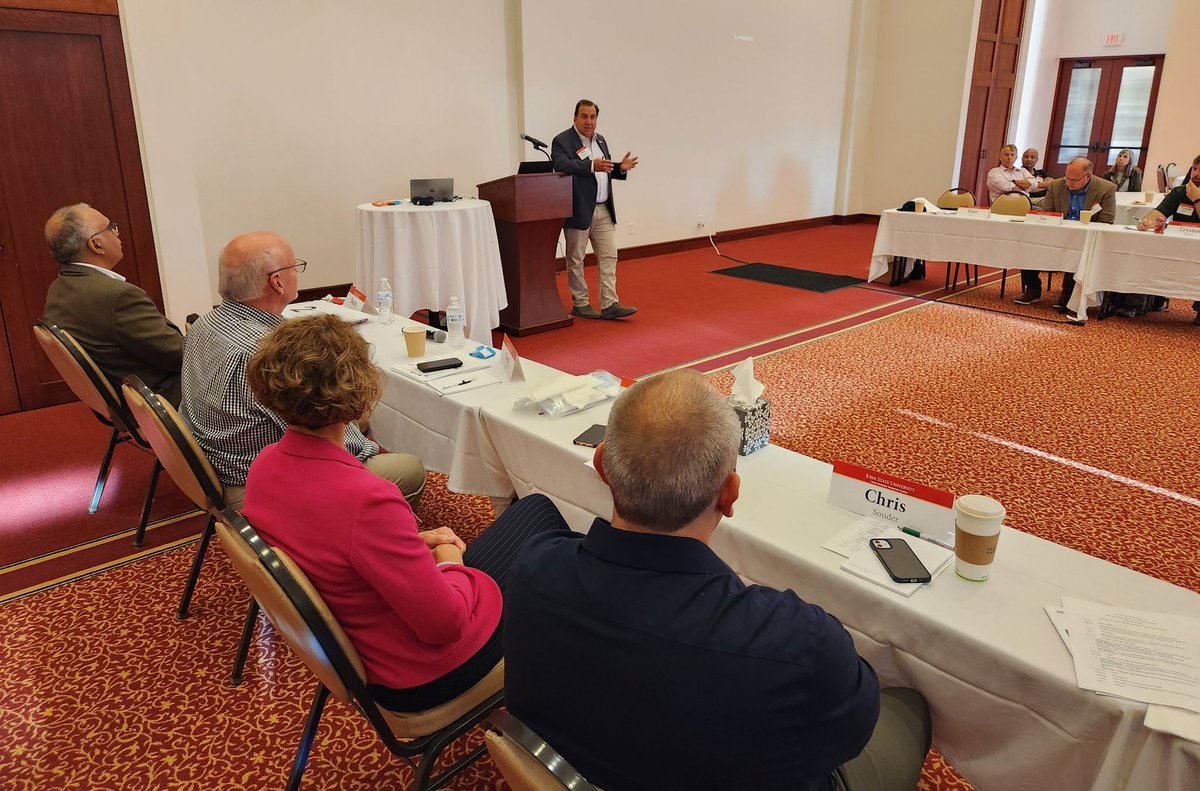
Several excellent research projects presented at our Industry Advisory Council Meeting today! Our thanks to CALS Dean Robison for starting us off! @iastate_cals
Models to estimate genetic gain of soybean seed yield from annual multi-environment field trials. Latest paper by @matdkrause. Congratulations Matheus! https://t.co/jUiyVapJcZ
Thrilled to inspire students from Australia, Canada, and the UK at the @N4LCanada Student Summit! 🌍 My keynote focused on using genomics, big data, analytics, high-throughput phenotyping, and AI to adapt crops to climate change. 🌱✨
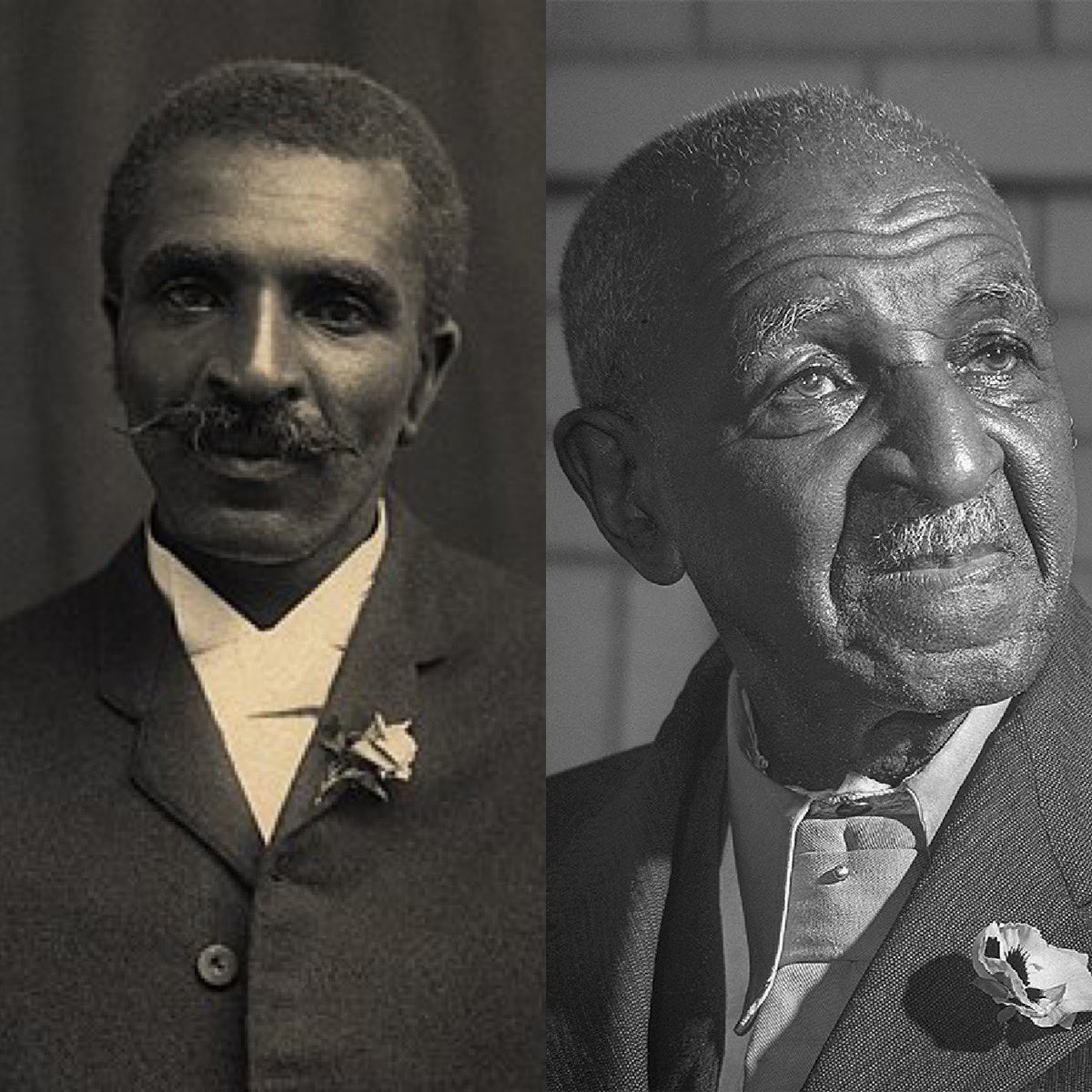
George Washington Carver faced adversity from birth. Born around 1864, he lost his father just before his birth, and soon after, he and his mother were kidnapped by slave traders. George was recovered, but tragically, his mother remained lost. As an infant, he was left an orphan.
Despite his early frailty and illness, George's curiosity and work ethic shone through. At a young age, he began exploring nature, asking questions about the world around him. He started his formal education at ten, walking eight miles to a nearby school. To support himself, he took odd jobs and even lived in a barn. Eventually, he was adopted by a local family.
His thirst for knowledge led him to earn a Master's Degree in agriculture from Iowa State University in 1896. He then became the Head of the Agricultural Department at the Tuskegee Institute in Alabama.
George was not only a scientist but also an artist, studying piano and art. His scientific work revolutionized agriculture, especially with peanuts, sweet potatoes, and pecans. The acreage for peanut cultivation expanded from half a million to over four million acres between 1915 and 1918.
After his passing in 1943, President Franklin D. Roosevelt hailed his achievements in agricultural chemistry and considered him an inspiring example to youth everywhere.
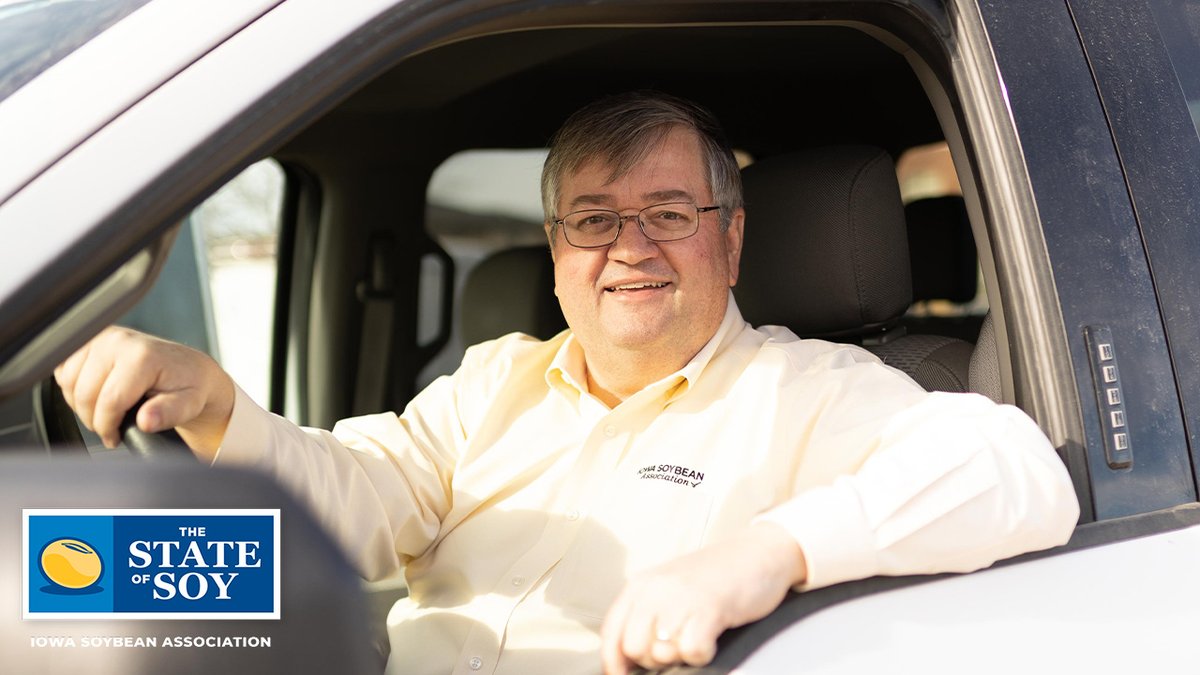
What's the current health of the #soybean industry? Hear from ISA CEO @KirkLeeds as he highlights the driving forces behind the industry and shares what's shaping it's future >> https://t.co/ABTHKjhMDH
Partially funded by the soybean checkoff.
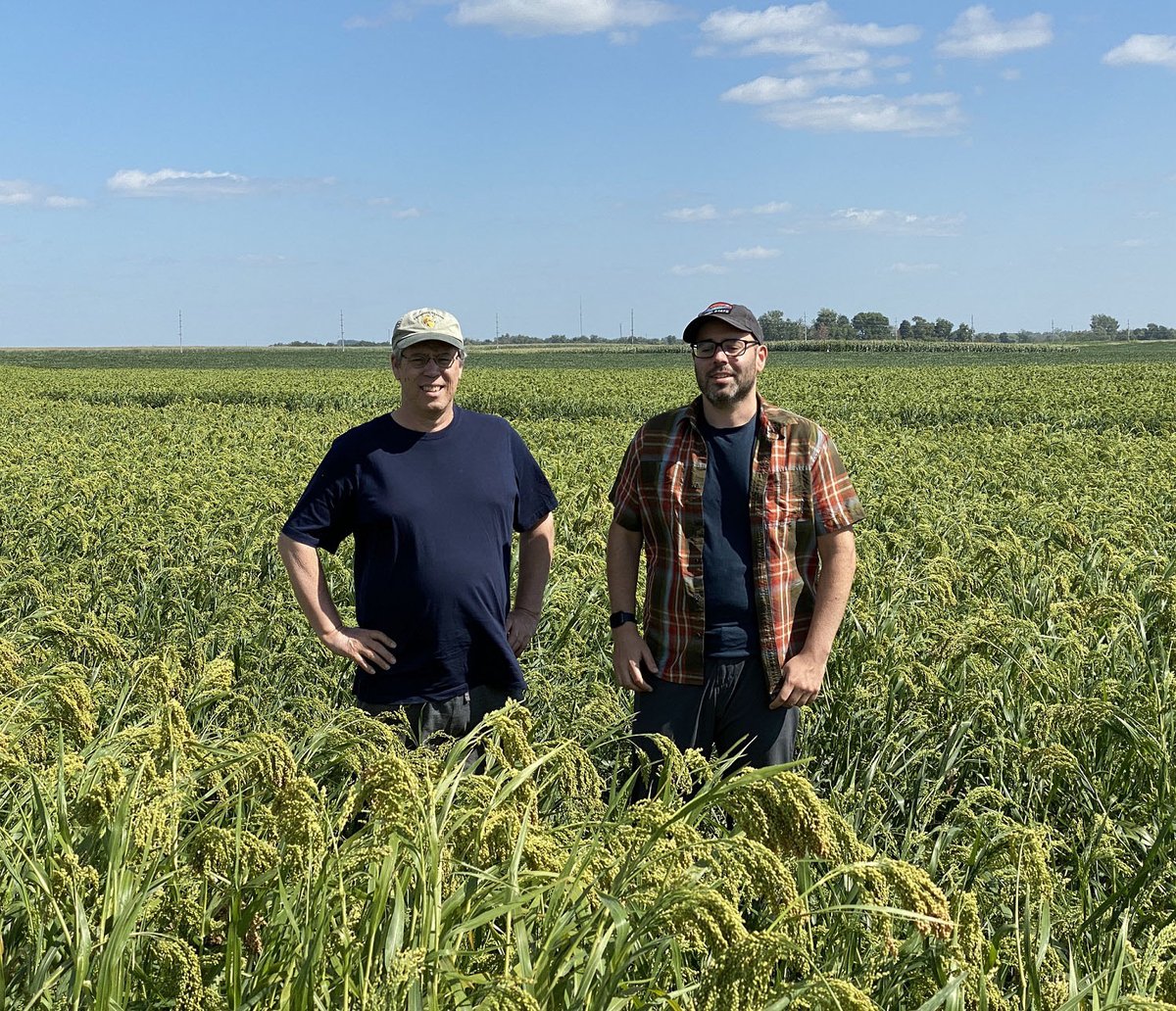
Excited to start our new USDA-funded project to develop forage sorghum hybrids adapted to the Upper Midwest with @BertiMarisol (NDSU), Sara Bauder (SDSU), Christopher Graham (SDSU), and Matt Akins (USDA-ARS). @iastate_cals@isuagronomy@USDA_NIFA https://t.co/TPCaOg1a0v
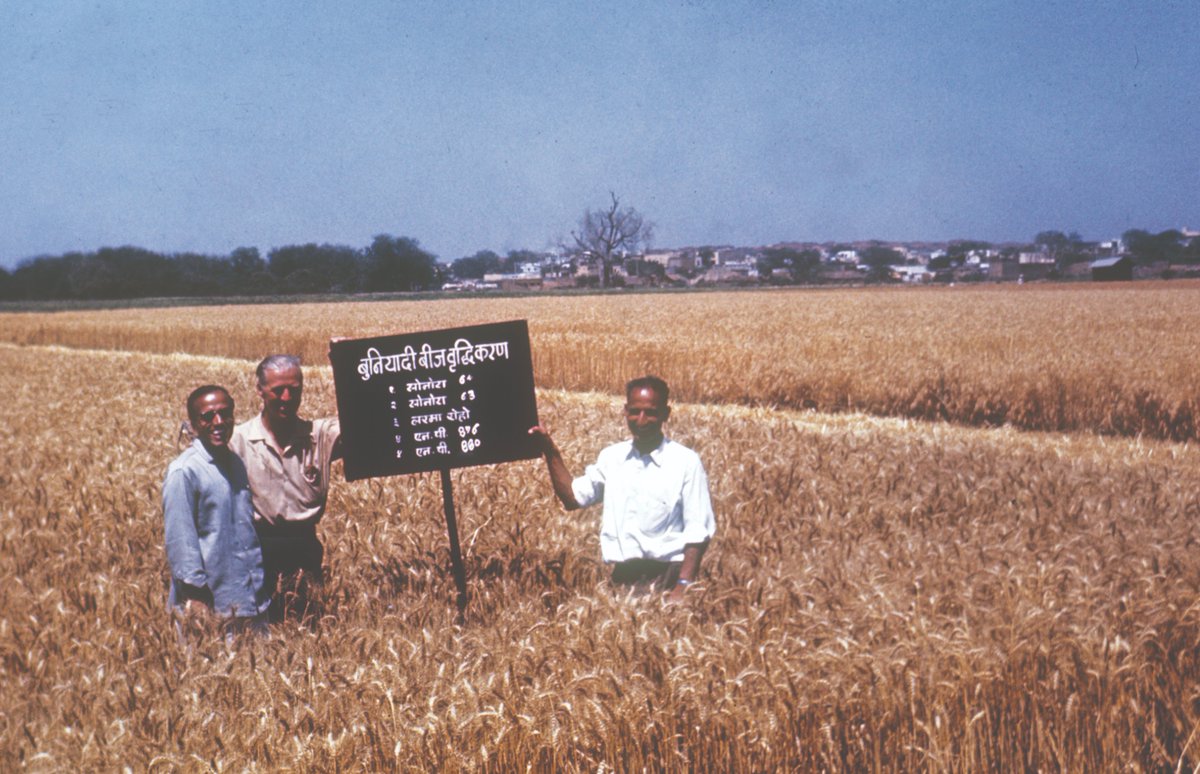
CIMMYT is deeply saddened by the passing of M.S. Swaminathan, the father of India's Green Revolution. M.S. Swaminathan saved countless lives from hunger along with CIMMYT founder, Norman Borlaug. Their lives demonstrate the power of partnership. https://t.co/FtZRcBpjNi
We're thrilled to have showcased our groundbreaking AI research at NSF Hill Day! With @NSF and our partners, we're pushing the boundaries of science and technology! Stay tuned for exciting updates. @Soynomics
Thanks @iastate_cals for showcasing the story of Dryland Genetics and our team.
We have been blessed with amazing levels of success since founding in 2013 and are excited to see the impact our proso millet varieties bring to farmers across the country.
https://t.co/RUVkUkWx5R
@AII4RA director Dr. Baskar @baskinscience & Thrust leader Dr Arti @ISULegumes are at National AI Institutes Research Showcase in DC. Presenting exciting outputs of @iastate AI Institute funded by @USDA @NSF. #Soynomics
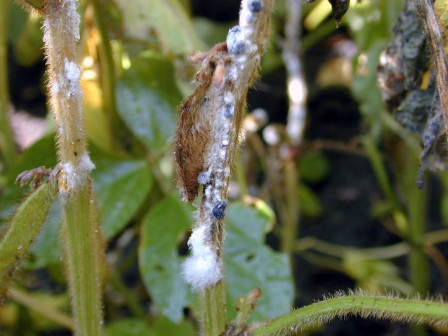
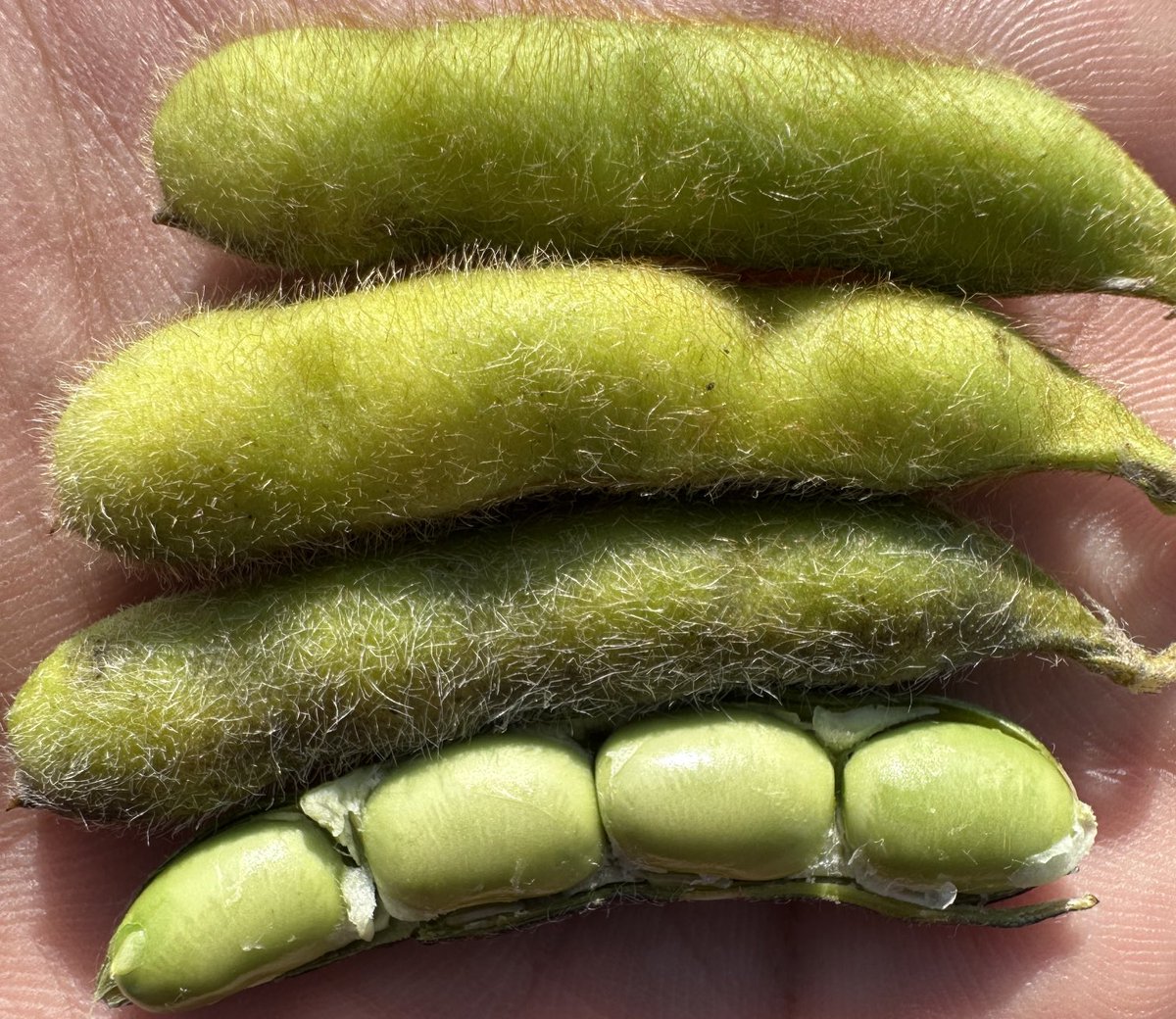
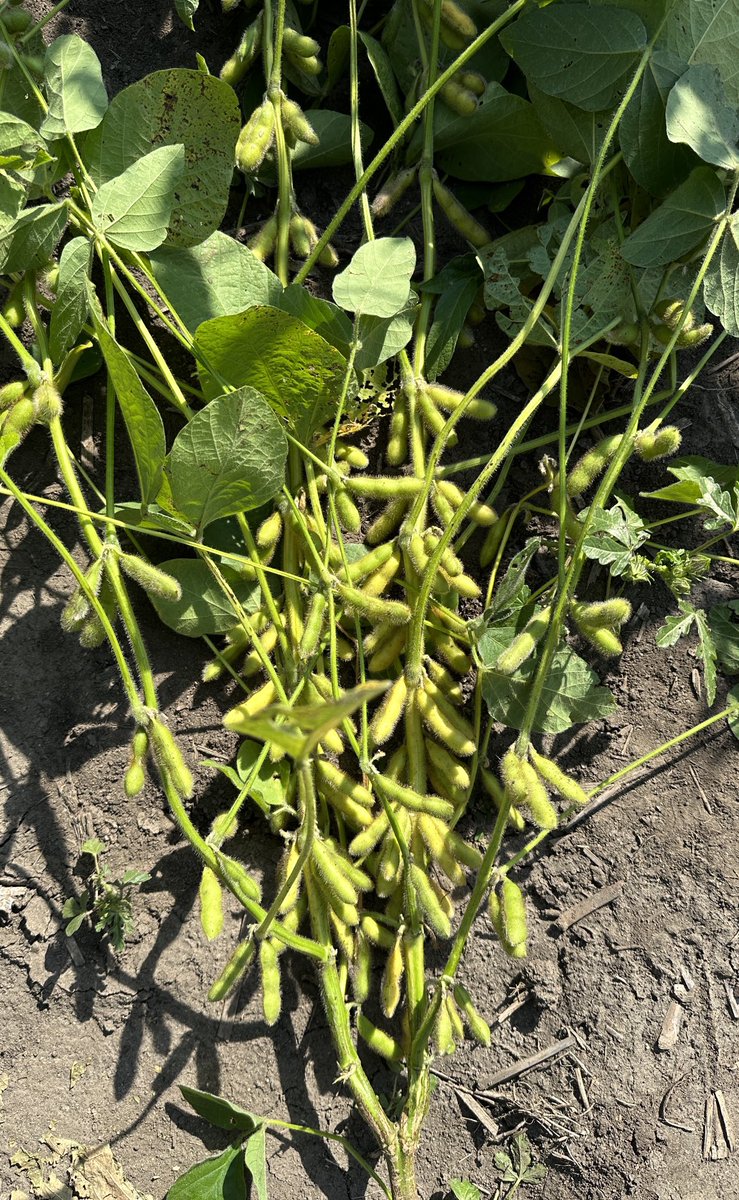
IAS19C3 soybean variety from @Soynomics at @isuagronomy developed from support by @IowaSoybeans @UnitedSoy @USDA @iastate_cals . High yield and high protein variety that has shown good performance and uptake!
@dsmuelle Daren, I am so thankful for your friendship, support, and collaboration. You and your group helped us when we were setting up the program and it is appreciated!