MD FRCP MRCGP ICOS-Certified Cardio-Oncologist @RoyalBrompton/Primary Care Physician/@ProstateUKProfs Clinical Champion. #CardioOnc#JACCCardioOnc/Views my own
In a #JACCCardioOnc study of pts w/ ICI-associated #Myocarditis, inflammatory cell infiltration and tissue-level myocardial inflammation were significantly milder in late- vs early-manifestation myocarditis cases, but cancer-related mortality was higher.
https://t.co/DwufBMcyPs
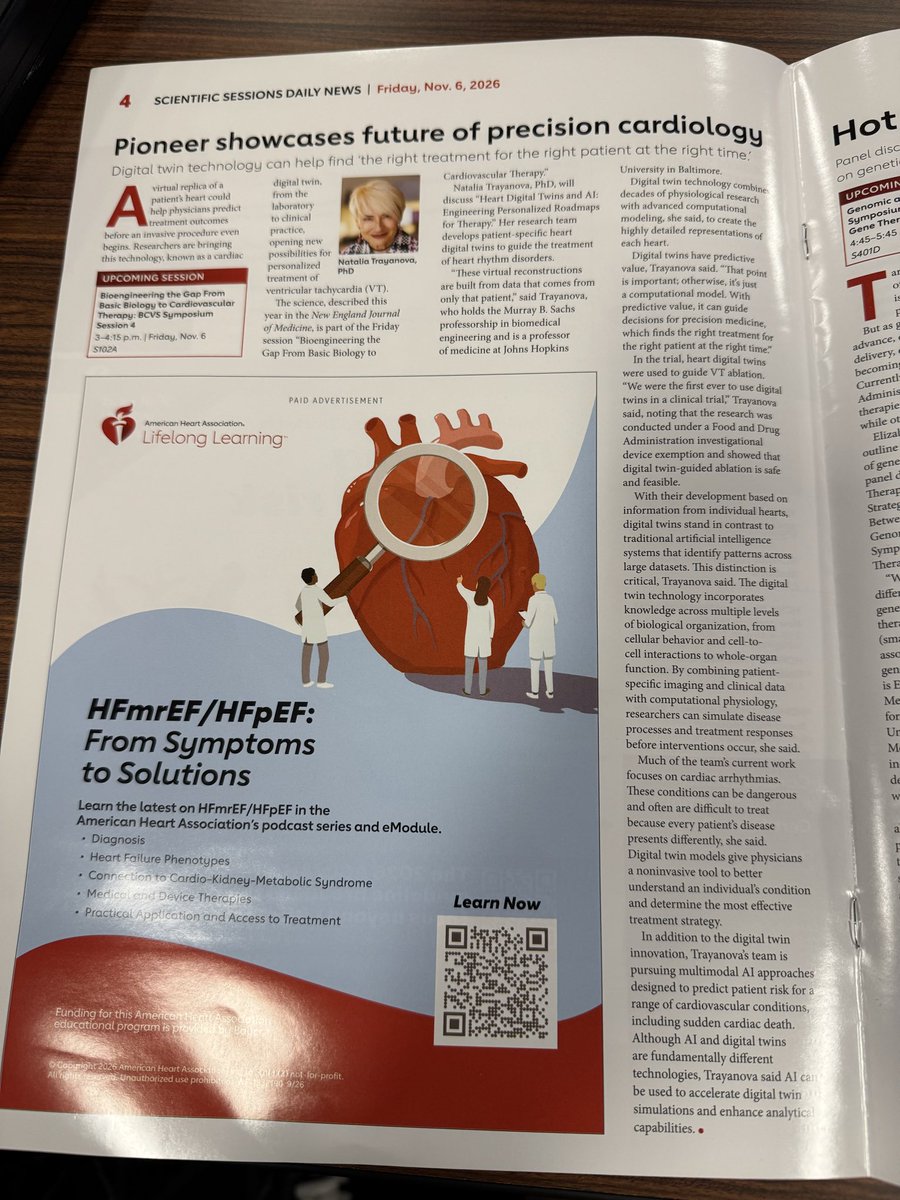
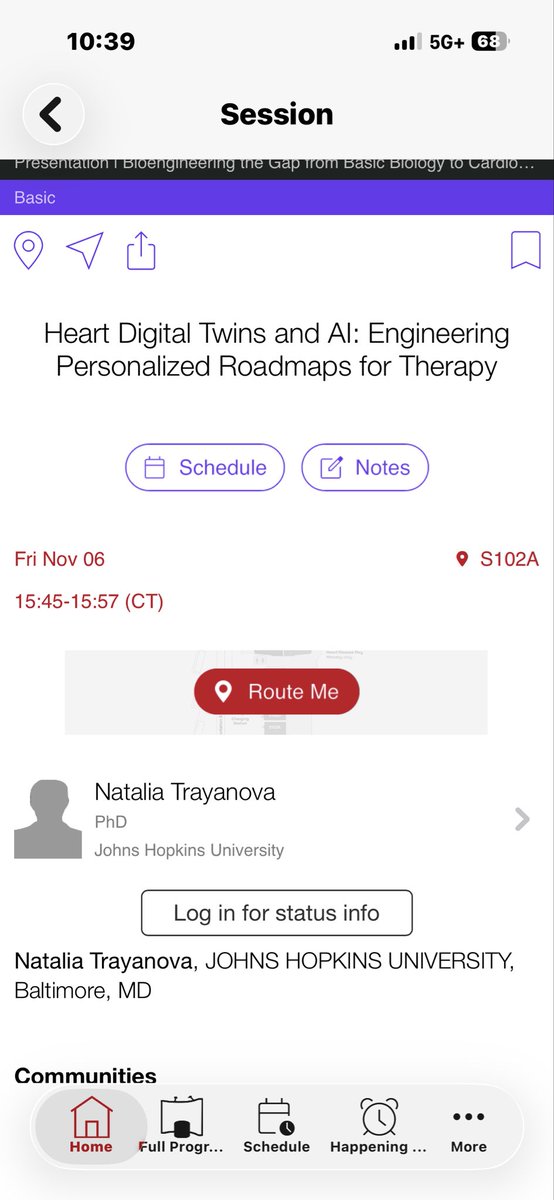
Opened the #AHA26 Daily News and found myself on page 4, labeled a "pioneer." Very kind, though it makes me sound like I arrived by covered wagon. 😄 Come hear about heart digital twins and AI today, 3:45 pm CT, Room S102A. @HopkinsEngineer@JHUBME@HopkinsDSAI@trayanovalab
In @NatureMedicine today, led by super⭐️ @cards_lab member and @TradIMYale resident @SudPerera, is our study on digital readiness for cardiovascular care in the US.
Across ~83,000 US census tracts, we find 19.9M residents in high-need areas with higher digital readiness, but 74.1M in areas needing investment.
Explore: https://t.co/JvFLsJfm4K
Paper: https://t.co/IXYw3PSEmi
Come to Sud’s talk on Saturday! #AHA26
Want to know more about #CardioOnc?
Try our #CardioTalk!
📢 Promoted by the ESC Council and #COOL Group members, each episode lasts few minutes and covers a topic from daily practice, built around a practical clinical case!
Start from 1️⃣ 🔗 https://t.co/YvILtCM1qN
Looking forward to #AHA26 and catching up with colleagues and friends
The @cards_lab team has lots of new work to share.
If you're in Chicago, come find us
Would love to exchange ideas, hear what others are working on, and explore collaborations.
@YaleIMed@YaleMed@ekoikonomou
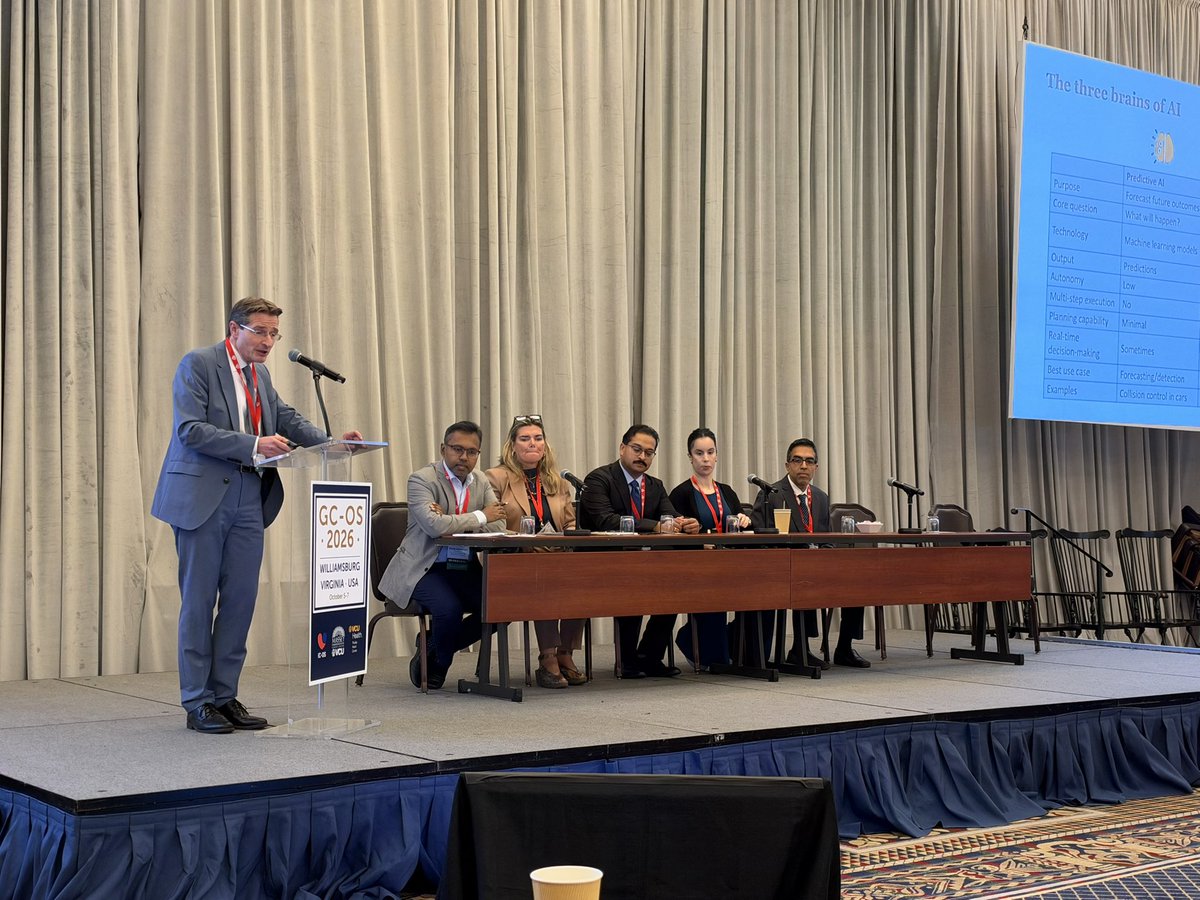
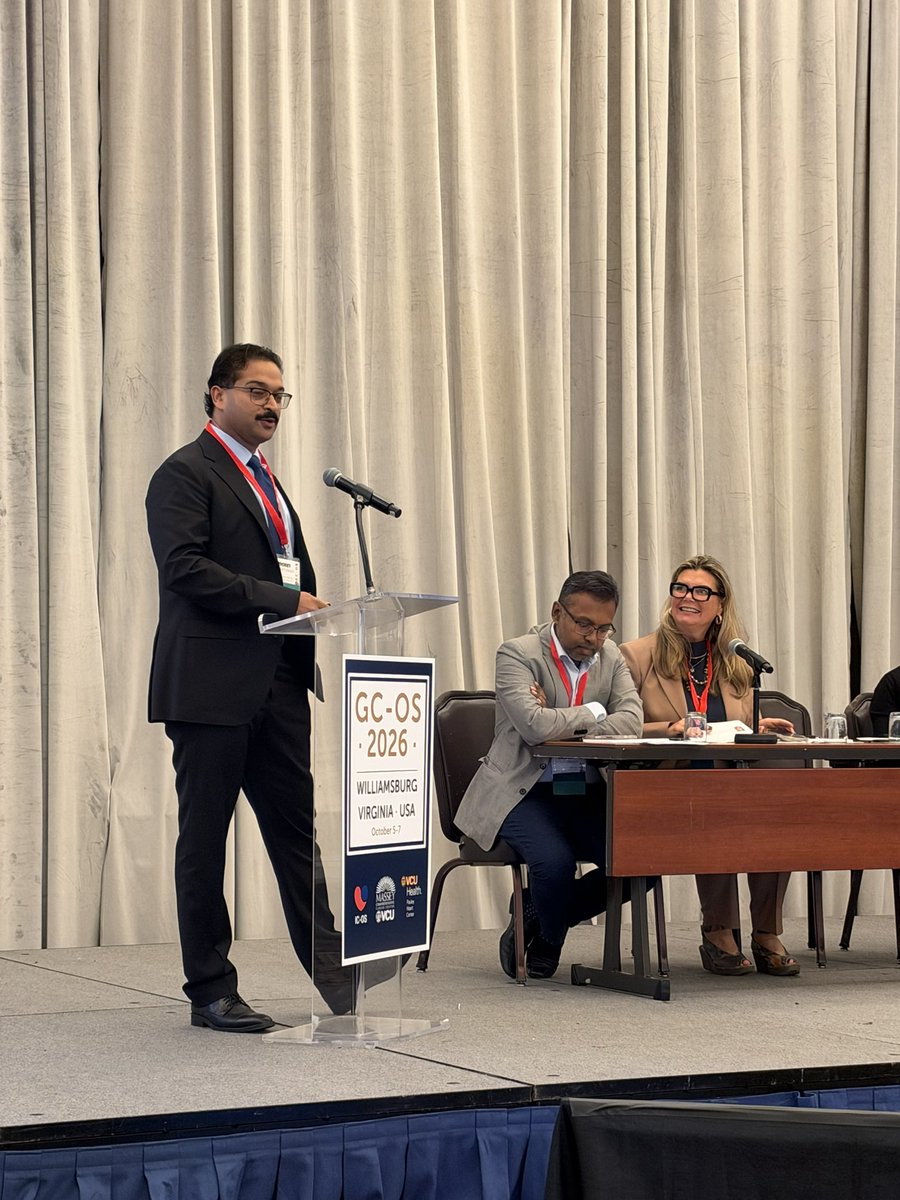
Heading to #AHA26 in Chicago? Have a drink with IC-OS President Dr. Mike Fradley!
📅 Sat, Nov 7 | 5-6 PM
📍 Fatpour McCormick, 2206 S Indiana Ave
Casual happy hour for the #CardioOncology community. Hope to see you there!
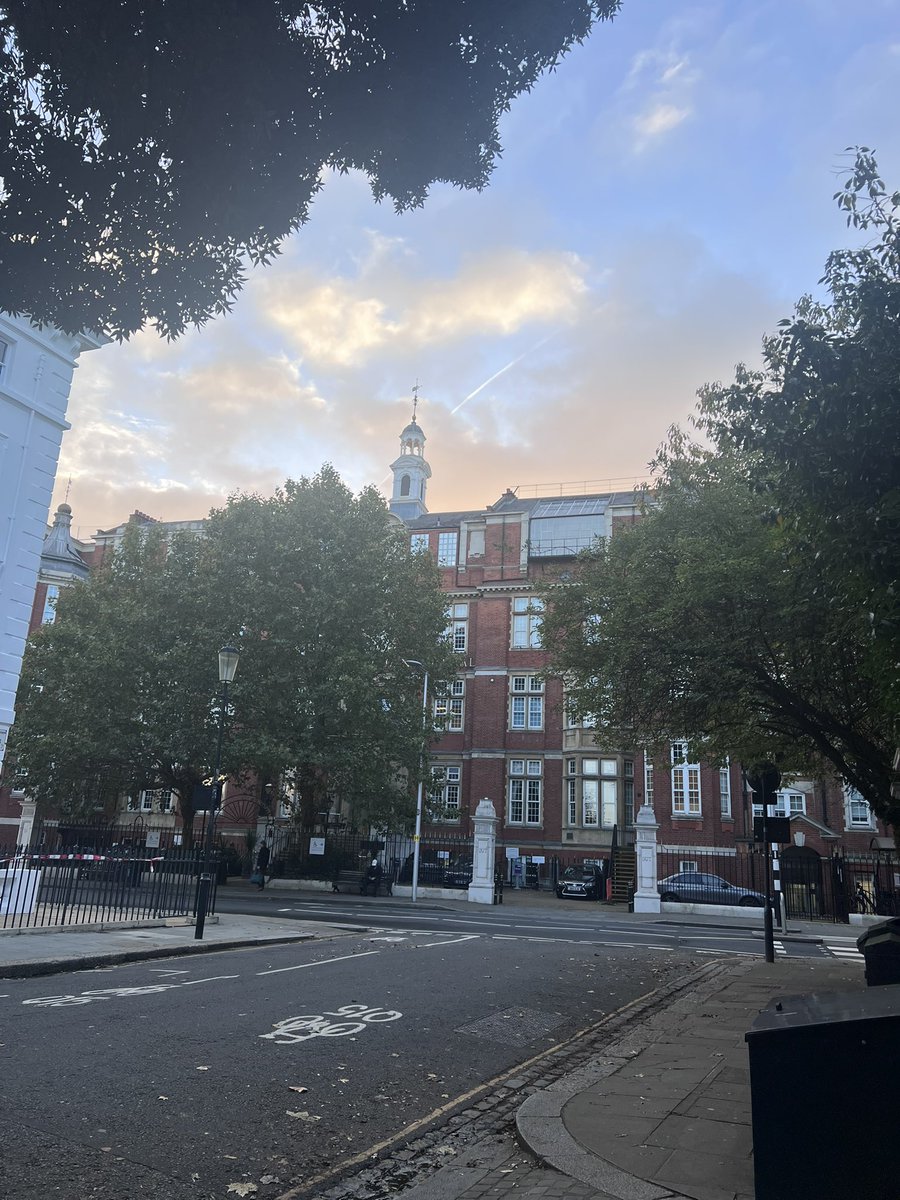
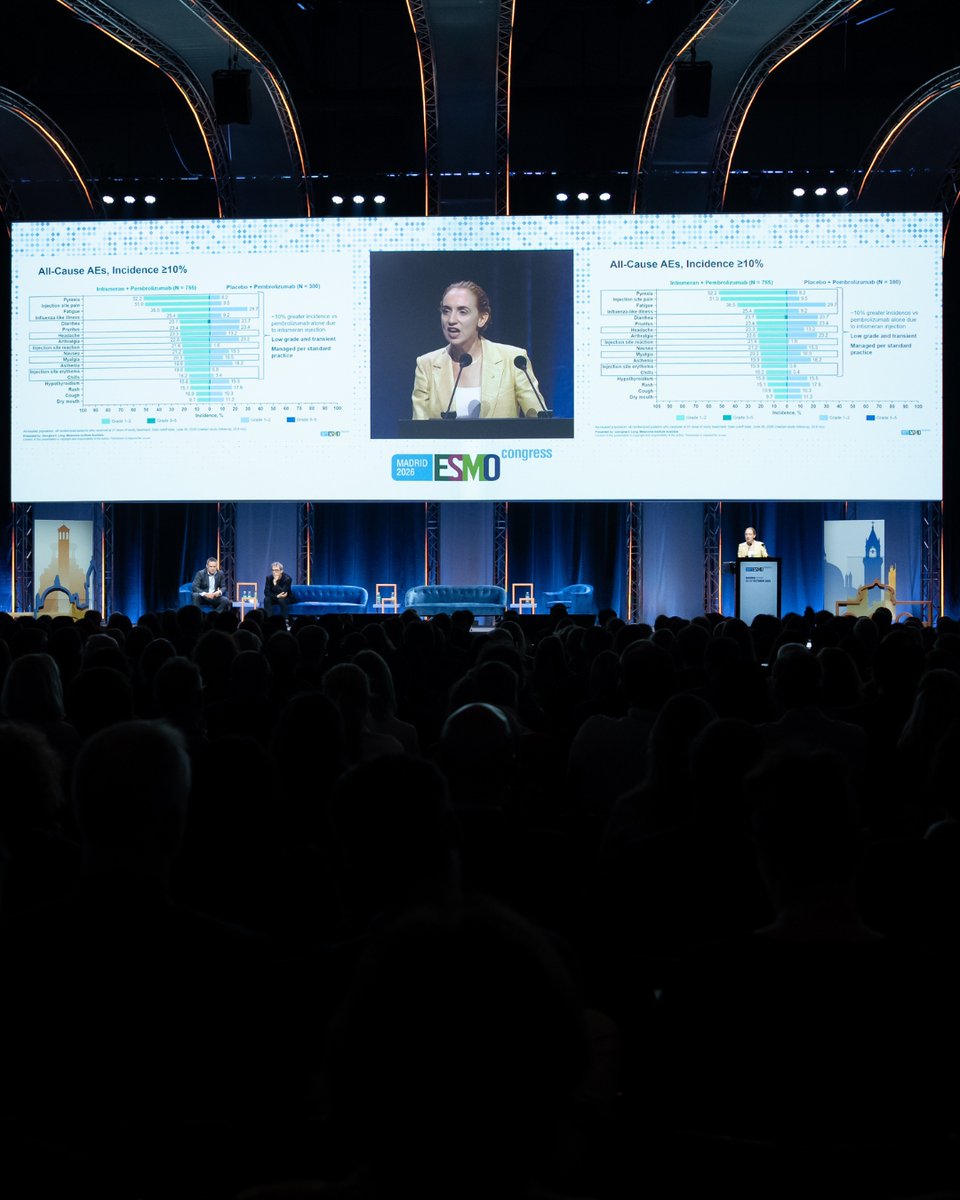
On a beautiful crisp autumnal London morning, am reflecting on the major practice-changing and development datasets presented @myESMO#ESMO26, the strong @royalmarsdenNHS & @ICR_London faculty leadership, & above all the global friends & colleagues who are
making a difference
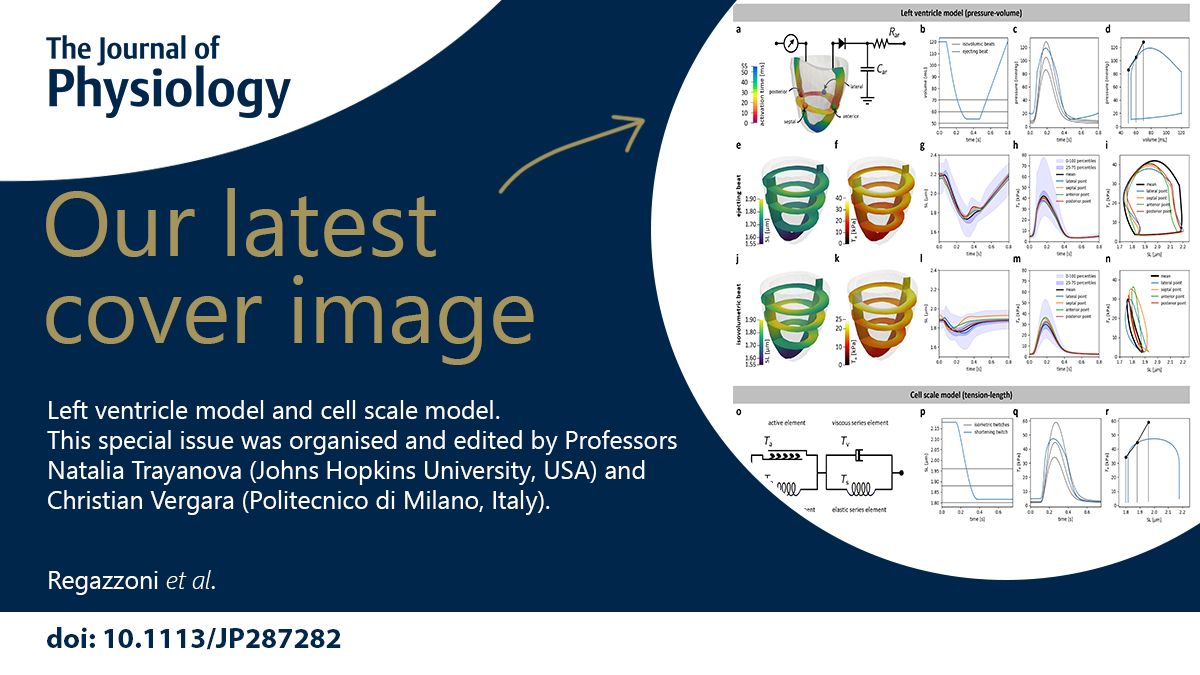
Latest special issue now live! 🎉
'Computational modelling of the cardiovascular system: From cell to circulation' was organised and edited by Professors @NTrayanova and Christian Vergara @polimi
Cover image by Regazzoni et al.📸
📖 Read all articles https://t.co/wUNzC9v0vz
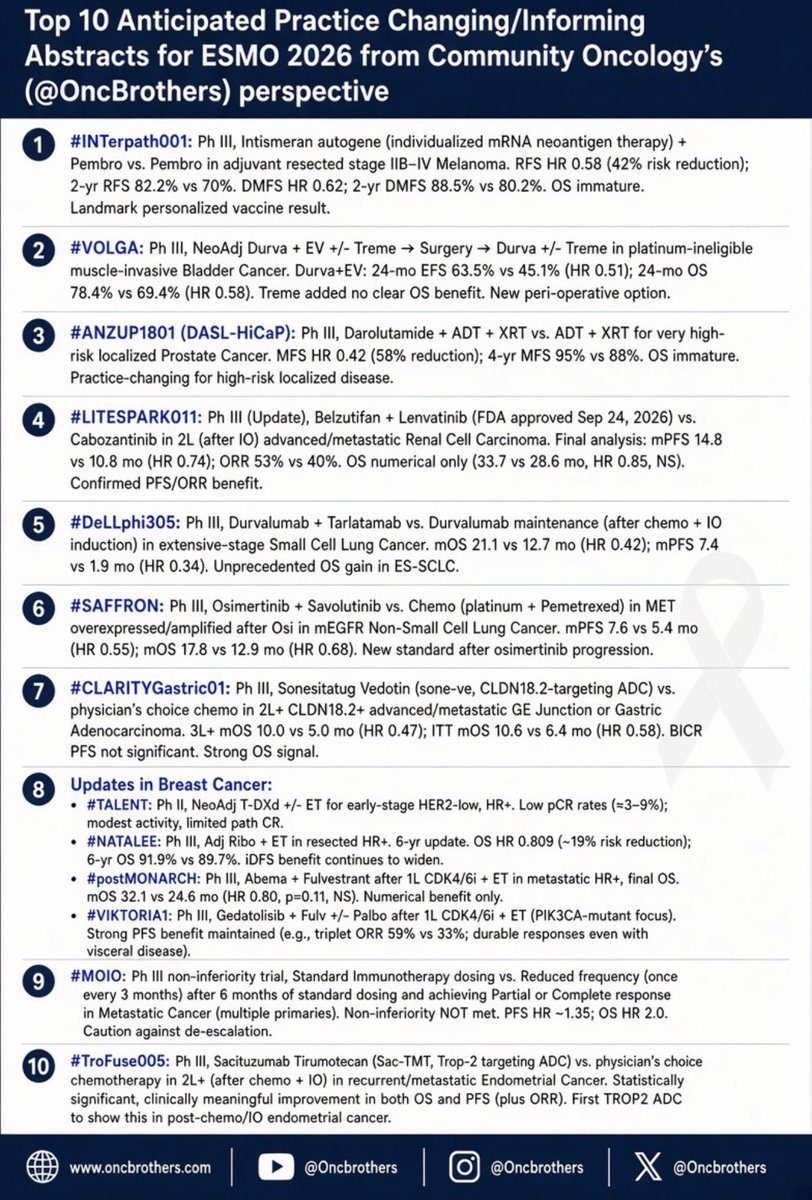
A huge step forward in personalised cancer care.Warmest congratulations to Professor Georgina Long and the entire INTerpath-001 team on these exciting phase III results presented at ESMO in Madrid.
How is the vaccine personalised? Scientists compare the patient’s tumour DNA with their normal DNA to identify cancer-specific changes. These inform a bespoke mRNA vaccine encoding up to 34 tumour-specific targets, designed to help T cells recognise and attack that patient’s cancer.
This is what makes these results so compelling: treatment designed around an individual cancer’s molecular signature, translating into meaningful clinical benefit. Eagerly awaiting the cardiac safety data in the full publication in @NEJM in November.
@OncBrothers@HanCardiomd
#ESMO26 #PersonalisedMedicine #CancerVaccines #Melanoma #PrecisionOncology #CardioOncology
It was a great honour to present the results of the phase 3 INTerpath-001 clinical trial at the #ESMO26 Congress in Madrid.
This international trial included 1137 patients, across 157 sites, whose melanoma had been surgically removed, but who were at very high risk of it returning. The trial showed adding #intismeran autogene, an mRNA based individualised neoantigen therapy, to pembrolizumab reduced the risk of recurrence or death by 42%.
This is the first phase 3 study to show that a treatment built from the unique ‘fingerprint’ of a patient’s own tumour can reduce the risk of recurrence or death from cancer. That fingerprint is read by sequencing the tumour, then a ‘wanted poster’ of the cancer is made as mRNA, showing the immune system exactly what to look for and attack. Having succeeded in melanoma, this proof of concept could mark the beginning of a foundational shift in how we treat cancer.
Read more >https://t.co/quxTAFfntb
A huge thank you to all patients and teams involved.
@myESMO@Sydney_Uni@syd_health@Science_Academy@AAHMS_health@FulbrightAUS@NthSydHealth@ausoftheyear
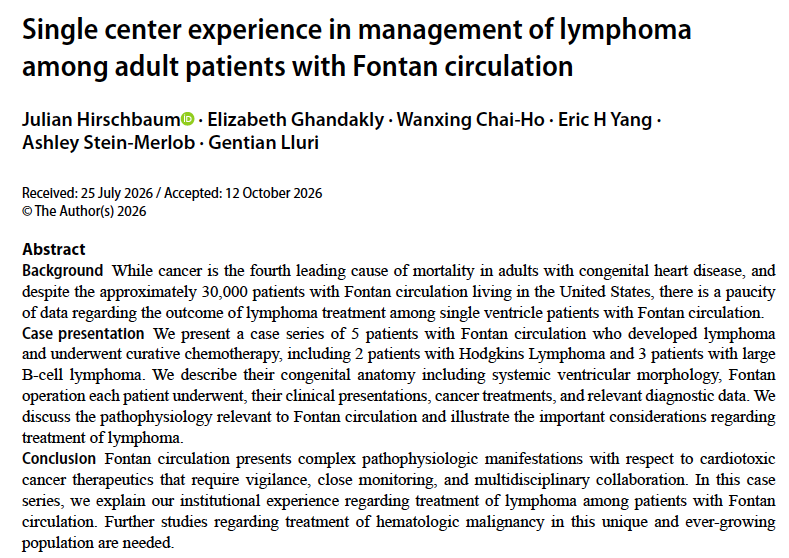
In #ACHD, #Fontan pts are a unique combo of anatomy & pathophysiology that can make cardiotoxicity risk difficult to gauge & manage
In this @UCLAHealth collab led by @JHHirschbaum#GentianLluri we explore the tx & outcomes in a #cardioonc case series
https://t.co/CUS6SLal6o
1/
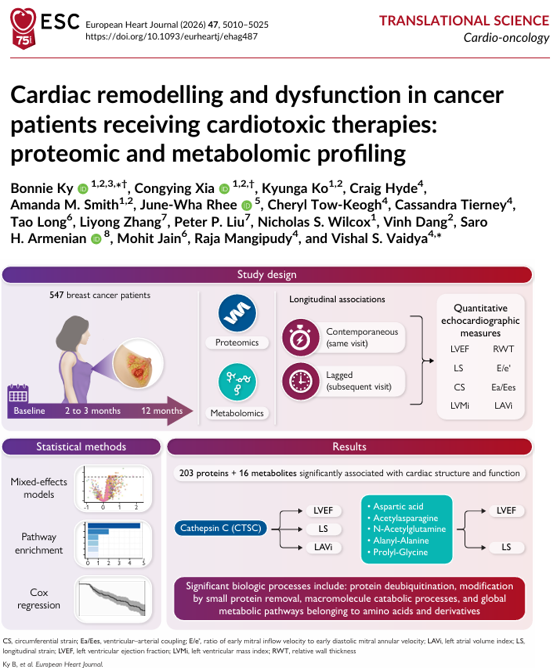
What happens to the 🫀 during cancer therapy?
In this study, proteomic and metabolomic profiling identified novel biomarkers associated with cardiac remodeling and dysfunction in #breastcancer patients receiving cardiotoxic therapies. #CardioOnc
📰https://t.co/IMrjdcSJjM