I’m moving my operation to the following platforms—please join me to continue to receive pertinent tree fruit disease information:
Bluesky: https://t.co/6WljurT2ul
Instagram: dr.treefruit
This X account will be deactivated before the end of the year.
I’m moving my operation to the following platforms—please join me to continue to receive pertinent tree fruit disease information:
Bluesky: at https://t.co/6WljurT2ul
Instagram: at dr.treefruit
This X account will be deactivated before the end of the year.
🍏📷 We hope to see you on Oct. 5-6 & 12-13 at the 60th Annual
@NtlAppleHarvest
just outside of Historic Gettysburg, PA! Plan your visit and buy tickets in advance at https://t.co/1pCFNWrN2M. 📷
Disease Update: It’s been quite rainy in PA since last weekend…more rain is in the forecast…give your late season apple varieties some love by reapplying fungicides to keep apples protected from fruit rots!
https://t.co/xlqNPPRYWa
It’s Johnny Appleseed Day! Have you ever wondered what apples Johnny Appleseed grew? Well, he was known for “spitters.” The nickname spitter comes from the reaction a person would have if they bit into one. You see, Johnny’s apples weren’t for eating. His small, tart apples were perfect for making hard cider or applejack. So, let’s raise a glass and toast Johnny Appleseed!
It's #EatAnAppleDay! Will you celebrate by picking 🍎 or by digging into a slice of 🍏🥧? This State #Archives photo shows workers harvesting apples on an orchard near Biglerville, Pa.
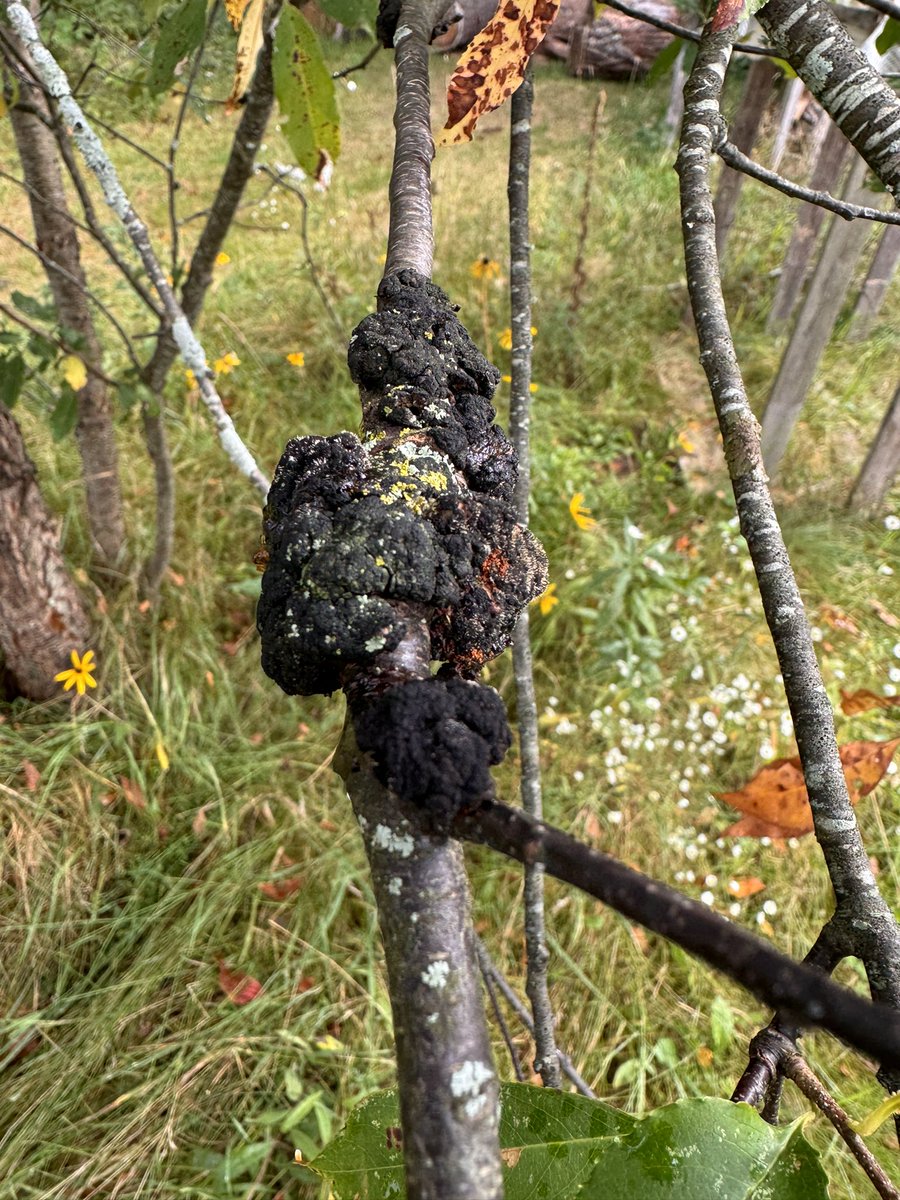
Black knot on cherry caused by the fungus Apiosporina morbosa. The disease appears as hard black swellings (knots) that are scattered in the tree. Infected branches often wilt, fail to leaf out or die beyond the knots. Black knot can be controlled through prevention & sanitation
There’s an entire industry behind every apple! Did you know that the U.S. apple industry is responsible for creating 154,000 jobs? In total, the apple business contributes more than $23 billion to the national economy. Learn more about what’s happening behind the apple scene in our Industry Outlook 2024 report!
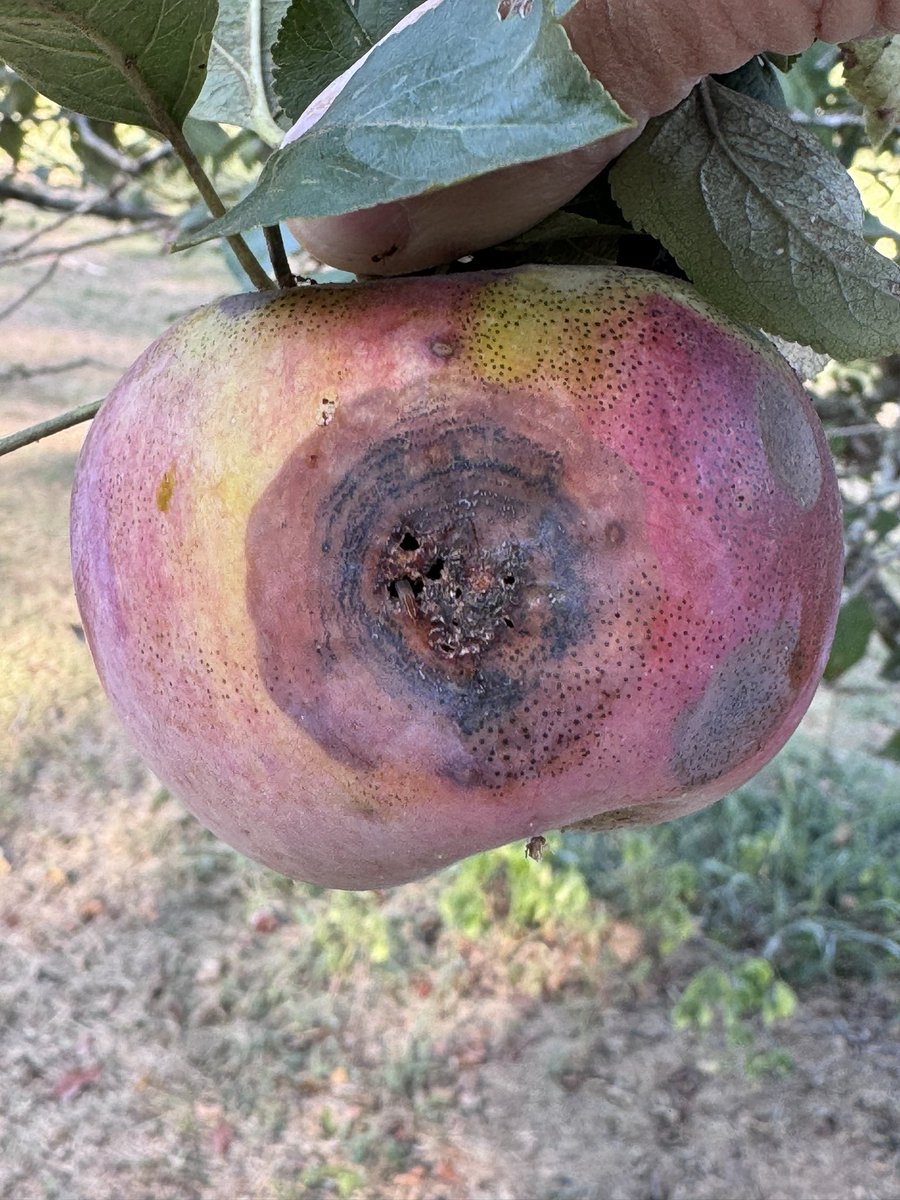
Bitter rot is a fungal fruit rot of apple & pear. The disease is favored by high temperatures & high humidity. Lesions start as small sunken areas on outside of fruit. Spots turn brown, expand and develop a bulls-eye pattern. Flyspeck is also visible on fruit #Apple#Fungi
🍎 Top 5 Apples U.S. Growers Will Bring to Your Table This Harvest! 🍏 Explore all the details in our Industry Outlook 2024 report—covering everything from U.S. and global apple production to trends in trade, utilization, varieties, and regions. Get the full scoop on our website!
The IR-4 Project works to provide growers of specialty commodities, like fruits, vegetables, and nursery crops, with legal access to effective pest control options. This work helps growers and consumers alike. For more information, visit https://t.co/XKRFHO9Nzs.
Mummified peach fruit infected with brown rot (Monilinia fructicola) is a primary source of fungal inoculum for the following season. Good sanitation practices include removing and destroying all fruit mummies from trees at end season #Peach#Fungi#PlantDisease
Many thanks to the PA fruit grower who gave me this present (from an untreated orchard)—First bitter rot apple of the 2024 season! Check out the awesome concentric ring pattern of spores on the lesion surface—just beautiful…perfect 10…🍎
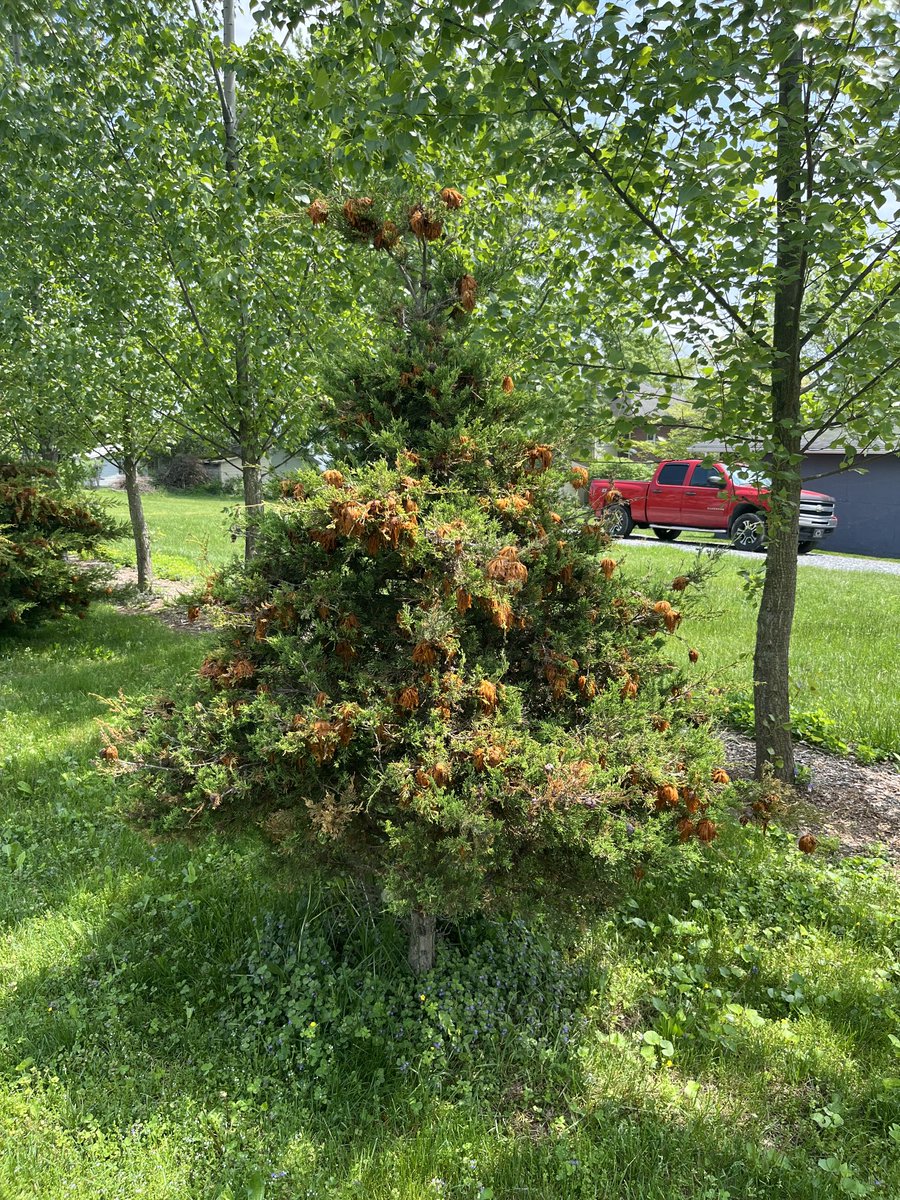
Christmas trees in May? Chia pet ornaments? Cousin Itt (Addams Family) ornaments? Nope…those are cedar apple rust galls infecting the cedar trees…it’s spore spewing central at the south end of our farm…apple leaves already showing infection…🍎