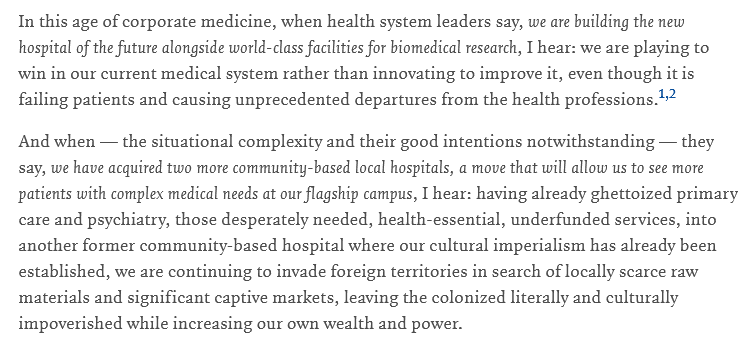
Dejando a un lado la pobreza de espíritu que nos infecta epidé(r)mica y transversalmente como sociedad, éste es el tipo de médico que quiero y me gusta ser 👇🏽
'Aurora', Friedrich Nietzsche
Three people just died of hantavirus on a Dutch cruise ship. The strain kills nearly 40% of the people it infects. And yet no virologist on earth is panicking about a pandemic, because the reason it stays small is one of the strangest rules in disease science.
The rule is simple. The deadlier a virus is, the harder it is to spread.
If a virus kills you in days, you can't ride a bus, board a plane, or even leave the hospital. You're in a bed or a body bag. Either way, the virus killed its only ride.
Hantavirus has been around for at least 70 years, but fewer than 1,000 Americans have ever caught it. The CDC says it kills 38% of those who do. The cruise ship strain, called Andes, kills closer to 40%. If hantavirus spread like COVID, it would kill billions. But it can't.
Most hantaviruses spread only one way. You breathe in tiny dust particles from rat or mouse pee, droppings, or spit. No mice in your house, no virus. The cruise ship is the rare exception, because the Andes strain can spread between people, but it usually needs close contact like spouses sharing a bed. A Johns Hopkins virologist called Andes spread "unbelievably rare."
Compare it to the viruses that scared the world. Ebola kills 60 to 90% of people, but only through bodily fluids and only late in the illness, so each patient passes it to fewer than 2 others. SARS killed 10% before being wiped out in 8 months. MERS killed 35% but never spread far beyond the Middle East. None of them became pandemics, because the spread was always too slow.
Then COVID showed up. It killed about 1 in every 100 people who caught it. That is almost nothing compared to hantavirus. But COVID was mild enough that you could work for a week without knowing. You would ride the bus, hug your kid, eat lunch with a coworker, and infect four other people. It killed 7 million.
Flu works the same way. Mild fever, sore throat, but you still drag yourself to school or the office. The virus walks right into the next host.
Hantavirus is the opposite. Within 4 to 10 days, your lungs fill with fluid. There's no medicine that fights it and no vaccine to prevent it. The only treatment is a machine that breathes for you, and even that just cuts the death rate from 50% to 20%. Every outbreak, from 3,200 UN soldiers in the Korean War, to the 1993 Four Corners cases, to Gene Hackman's wife Betsy Arakawa last year, traces back to mice.
The viruses that worry scientists are the boring ones. The ones that give you a sniffle for a week and let you walk around the city while you're contagious. Hantavirus, brutal as it is, never had the spread to do real damage.
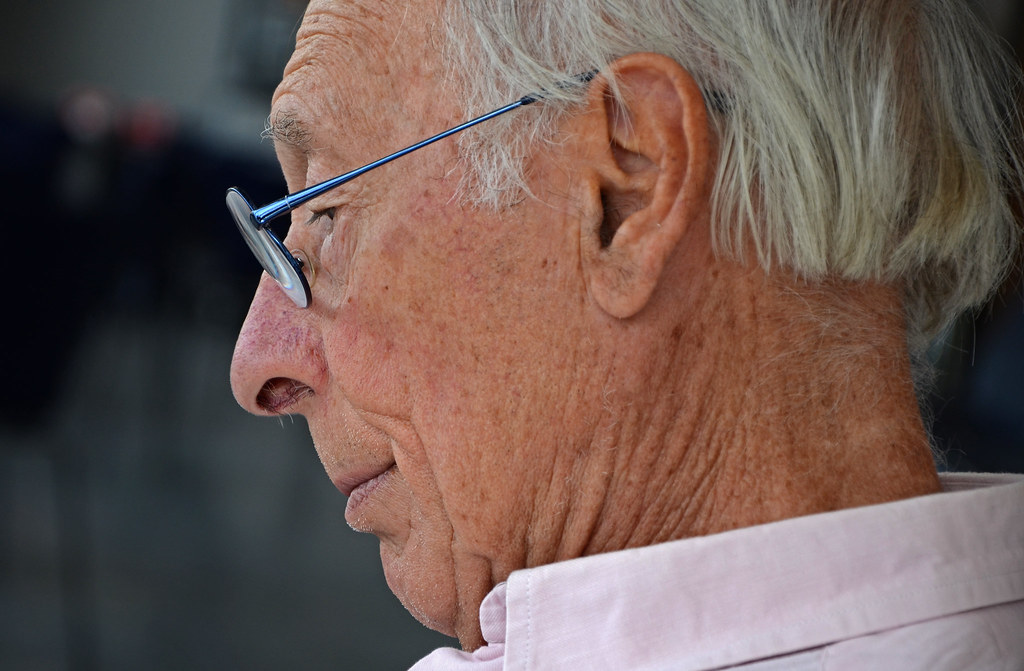
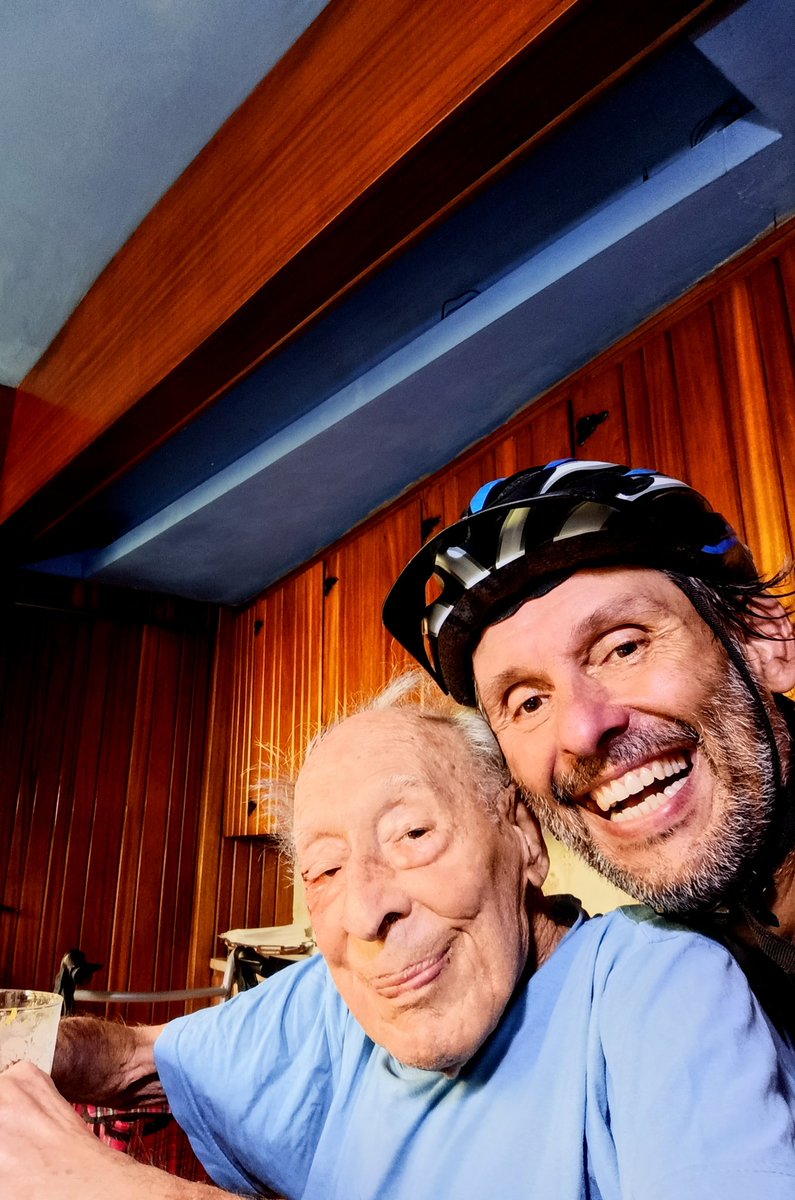
Ricardo Vigón Telenti (1928-2025) ha fallecido y, con él, se va mi inspiración mayor tanto desde el punto de vista profesional como vital.
Me embarga la emoción.
🧵🧵
Se habla mucho de CÁNCER EN JÓVENES en las últimas semanas. Así que me he puesto a mirar datos. La verdad?: parece que hay un aumento claro.
Ahora vamos a ver cual puede ser la causa. Por un lado, numerosos estudiosos afirman que se trata de cambios de hábitos, como:
1/10
No hago más que darle vueltas a este tuit, y a la historia de Araceli 😡.
1 No "murió", fue asesinada. No me sirve el pronóstico, todos morimos.
2 No solo fue asesinada. Fue torturada, ella, su pareja, sus padres y sus dos hijos. Ver como te dejan sin tratamiento es tortura.
Ahí está Ricardo Vigón Telenti, un año más desde 1928, para llegar hoy a los 97 sonriente y con la ilusión de ver ganar esta tarde a @carlosalcaraz en la F de #Wimbledon como el año pasado, intacta su pasión por el #Tenis, inmenso mi amor por él ❤️
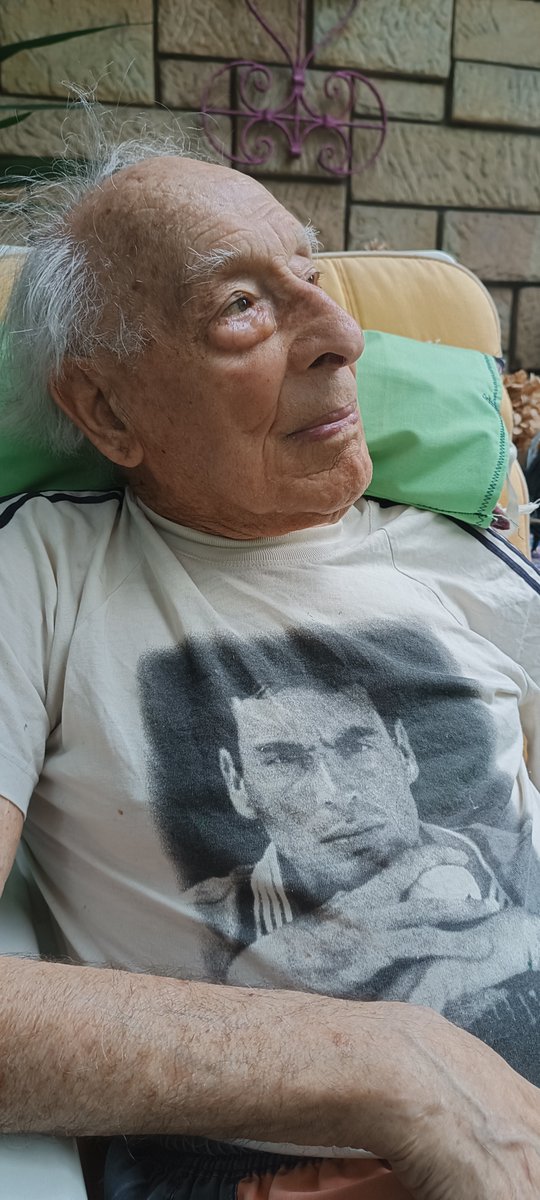
El 13/7/28 nació Ricardo Vigón Telenti: hoy, 96 años más tarde, disfruta de la vida y del #tenis como una de sus emociones: lleva a Bruguera en la camiseta, es fan absoluto de @RafaelNadal, admira el tenis de Zverev y espera que @carlosalcaraz sea campeón de #Wimbledon mañana ❤️
🎙️IRREPETIBLE en majúscules. Crec que és l'entrevista més impactant de la meva vida. Amb l'exfutbolista Juan Carlos Unzué hem parlat de la vida. I de l'ELA.
@radio4_rne@rne@RTVECatalunya@rtve@rtveplay
▶️ https://t.co/bybhaxPCH2
H5N1 bird flu has a mortality rate close to 100% in chicken. When the virus is detected in a chicken farm, all animals are being euthanised to reduce their suffering and limit the risk of spread to other animals and humans.
1/
En este artículo, la psicóloga pediátrica @drsarahmccarthy reflexiona sobre los cambios que la enfermedad y muerte de su hija pequeña han traído a su práctica clínica.
Son cuatro puntos de máximo interés, que se condensan en COMPASIÓN y CONEXIÓN.
https://t.co/h4LyB2DwTf
En la interesantísima exposición sobre el paso de David 'Chim' Seymour por #Asturias en 1937 que forma parte de la muestra que la @fpa dedica a la premiada agencia @MagnumPhotos (de la que fue co-fundador), me encontré esta "perla" de HC-B 😍
Qué apasionante es la ciencia y su capacidad de mirar el mundo 😍🔝🔝
Espectroscopia del infrarrojo cercano como herramienta para medir cambios metabólicos que permiten dilucidar si hay consciencia inaparente 👇🏽
https://t.co/N8ohhiQ3XX
El tweet de esta doctora es sobrecogedor. La realidad diaria lo es.
Pero, por otro lado, las decenas de comentarios a su tweet son también sobrecogedores. Indican lo enferma que está nuestra sociedad y la difícil solución que tiene.
Desolación.
SOS. Soy médico de Urgencias en la isla de El Hierro. Hoy he llegado a la guardia y mis compañeros llorando. Pues me he puesto a trabajar y al final he acabado llorando yo también. Sres. Políticos déjense de chorradas. Esto es una crisis humanitaria y está en Canarias!!!!
El 13/7/28 nació Ricardo Vigón Telenti: hoy, 96 años más tarde, disfruta de la vida y del #tenis como una de sus emociones: lleva a Bruguera en la camiseta, es fan absoluto de @RafaelNadal, admira el tenis de Zverev y espera que @carlosalcaraz sea campeón de #Wimbledon mañana ❤️