I was crunching the numbers with Grok Bot, to gauge the likelihood of AMD hitting $1,000 by Q1 / Q2 2027, and it said it's a long shot: roughly 3% by end of Q1 and 5-6% by end of Q2 on options-implied odds (about double that just to touch it). Hitting $1,000 would need EPS ~50% above Wall Street's 2027 estimate, so I'd love to hear what you see that gets it there faster 🙏
Google just revealed how long SEO actually takes.
They've given typical timelines for 23 crawling, indexing and serving processes, so I've put them all into this simple graphic.
A few worth highlighting:
- Discovering a new page: ~20 hours
- Recrawling an existing page: ~30 days
- Processing link signals: Minutes to 3 weeks
- Updating a title in search: 1-2 days
- Processing a site migration: 1-3 months
- Recovering from a core update: 3-6 months
For context, these timelines aren't how long it takes from making a change to seeing a result.
Google needs to discover, crawl, index and serve your content, and those processes stack up.
For example:
Google might index your changes in just 1.5 hours. But if it doesn't crawl your page for another 30 days, those changes could stay unseen for a month.
Some practical takeaways:
1. If you've updated a page and nothing's changed, check the last crawl date in Search Console before assuming your changes didn't work.
2. If new pages aren't getting indexed, look at your internal links, sitemap, crawlability and content quality.
3. If you're migrating a website, don't expect everything to be sorted overnight. Monitor redirects, canonicals and indexing throughout the process.
4. If you've been hit by a core update, don't expect a few quick fixes to bring your traffic back next week.
And remember, these are Google's estimates, not guarantees. Some processes can take much longer or never happen at all.
I've included all 23 processes in the graphic below.
Save it for the next time you're wondering why your SEO changes aren't showing up.
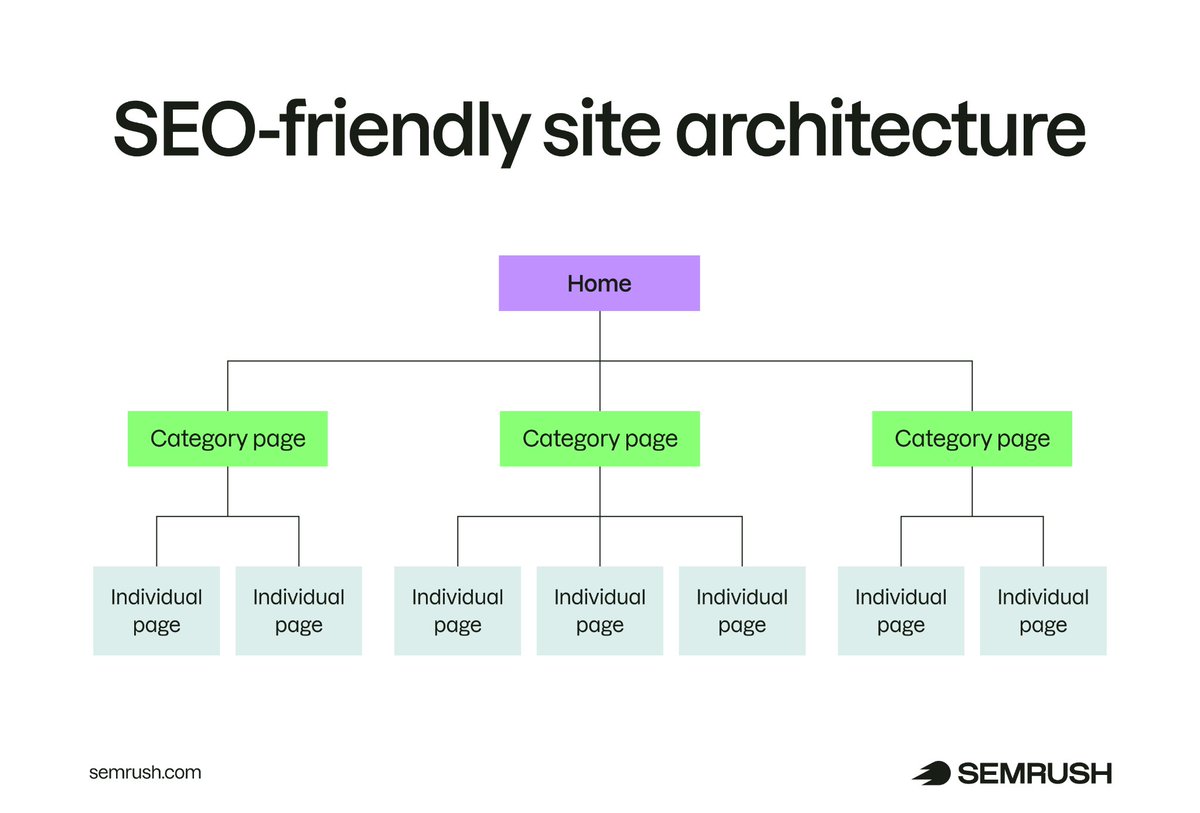
Launching a new website? Build SEO into it from the start.
Learn how to set up your site structure, target the right keywords, create content, earn backlinks, and track your progress with our step-by-step guide: https://t.co/z2whEbhp0d.
@PayPal@PayPal@AskPayPal The new site design on the PayPal Credit section is horrible. The "Special Financing Purchases" especially. A masterclass in doing the opposite of good UX. Multiple levels of click depth needed to access the most basic info. It's asinine.
@DiligentDenizen This is likely a close and trusted confidant to Charlie, right there by his side for years. Maybe he thought he was doing right by Charlie by not letting these cameras and SD cards fall into the wrong hands?