Hey! I love using YouVersion, and I think you will, too. You can study God’s Word, read and watch daily devotionals, pray with friends, and more! Get it here: https://t.co/bZmoHceAVT
@insecuristy@mentalgod_ There is always a bright side. Our job is to find it. The pressures of life are illusions, they seem heavy. They're just a springboard to your next destination. You hit rock bottom, you bounce up like clockwork if you don't fold.
Never fold.
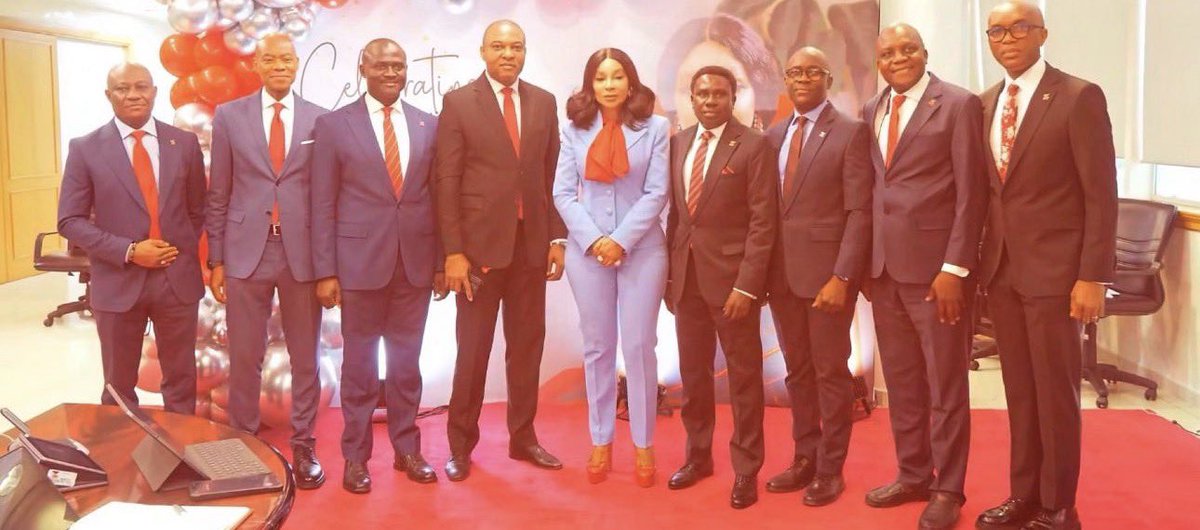
Ovia has been the public face and ultimate steward of Zenith Bank for over a decade. During that period the institution grew into one of Nigeria’s largest banks while also navigating repeated compliance challenges. The official explanation for his departure focuses solely on the tenure rule. However, the broader context of pending North American developments, combined with Ovia’s continued role in a key government fund, adds a layer of complexity to the story.
If these potential legal and regulatory matters materialise as expected, the bank may confront substantial liability and reputational pressure.
Shareholders, investors, and the Nigerian public have a right to full transparency about the reasons behind the timing of this leadership change and any perceived ties between the bank and the ruling party.
The bank has consistently maintained that all past issues were handled appropriately and that it operates with the highest standards of governance. Yet the pattern of regulatory attention throughout Ovia’s chairmanship, combined with the prospect of new scrutiny from North America, suggests that the coming months could test that claim.
Nigerians deserve clarity. Shareholders deserve to understand whether this transition is purely about regulatory compliance or whether it also reflects an attempt to manage emerging risks.
The machine has operated for years. Now, as potential accountability approaches from across the Atlantic, the chairman who oversaw it has stepped off the bridge.
The Central Bank of Nigeria cannot keep looking away. Regulators must demand independent audits of insider fraud, tie executive bonuses to staff retention and welfare metrics, and force transparency on how many fraud cases actually involved collusion from within. Shareholders who cheer record profits today will weep tomorrow when the next ₦100 billion hole appears because the people guarding the vault no longer believe the vault guards them.
To every honest Zenith employee reading this on a cracked phone screen during lunch break, know this: the empire was built on your sweat. The profits they celebrate came from your sleepless nights and missed family moments. Your anger is justified. Your voice matters. When the next fraud scandal breaks, remember who created the conditions for it.
Because until the woman in the crimson gown understands that a bank is only as strong as the people she refuses to pay fairly, the vault will keep bleeding. And Nigeria’s hardworking 9-to-5 warriors will keep paying the price.
Culled from Medium 👍🫣😏
Employee forums and social media timelines overflow with the raw pain of Zenith workers: “Entry level ₦245k in Lagos is modern slavery.” “No work-life balance, toxic targets, management that treats you like garbage.” “They outsource frontline staff and pay peanuts while declaring abnormal profits.” These are not lazy workers. These are people pushed to breaking point by a system that rewards the penthouse and punishes the ground floor.
Corporate governance at Zenith has become a cruel joke. The Board Remuneration Committee rubber-stamps packages that would embarrass European regulators, yet the same board oversees personnel expenses that barely moved the needle even after the much-trumpeted 20 to 30 percent hike. No broad-based employee share ownership plan. No meaningful profit-sharing for the rank and file. Just lectures about resilience delivered from private jets.
@HeraldNG@ZenithBank@cenbank Staff stealing millions of dollars from vendors and shareholders
Why am I not surprised?
Can’t wait for the quid pro quo tapes to be released
BREAKING: Iran announces their requirements for a potential ceasefire with the US and Israel.
Requirements include:
1. “Recognizing Iran’s legitimate rights”
2. “Iran receives a payment of reparations”
3. “Firm international guarantees against future aggression”