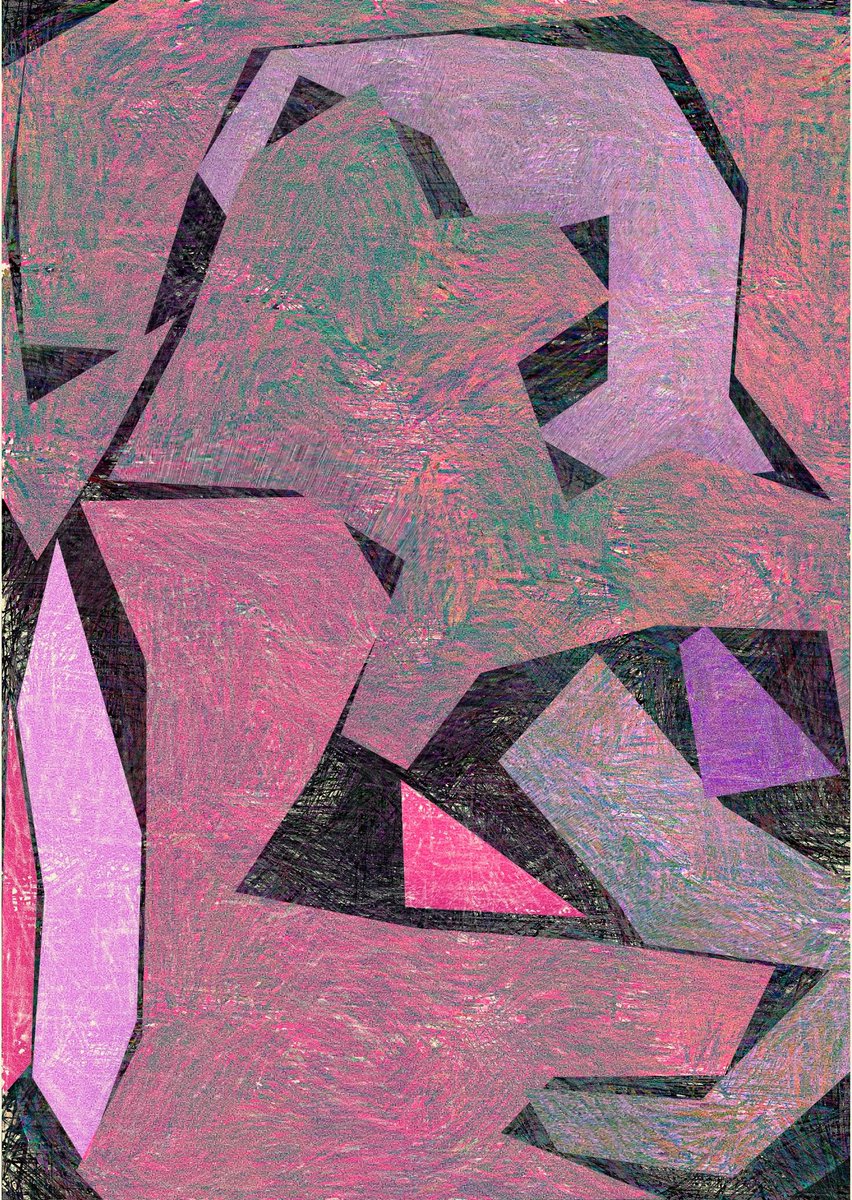
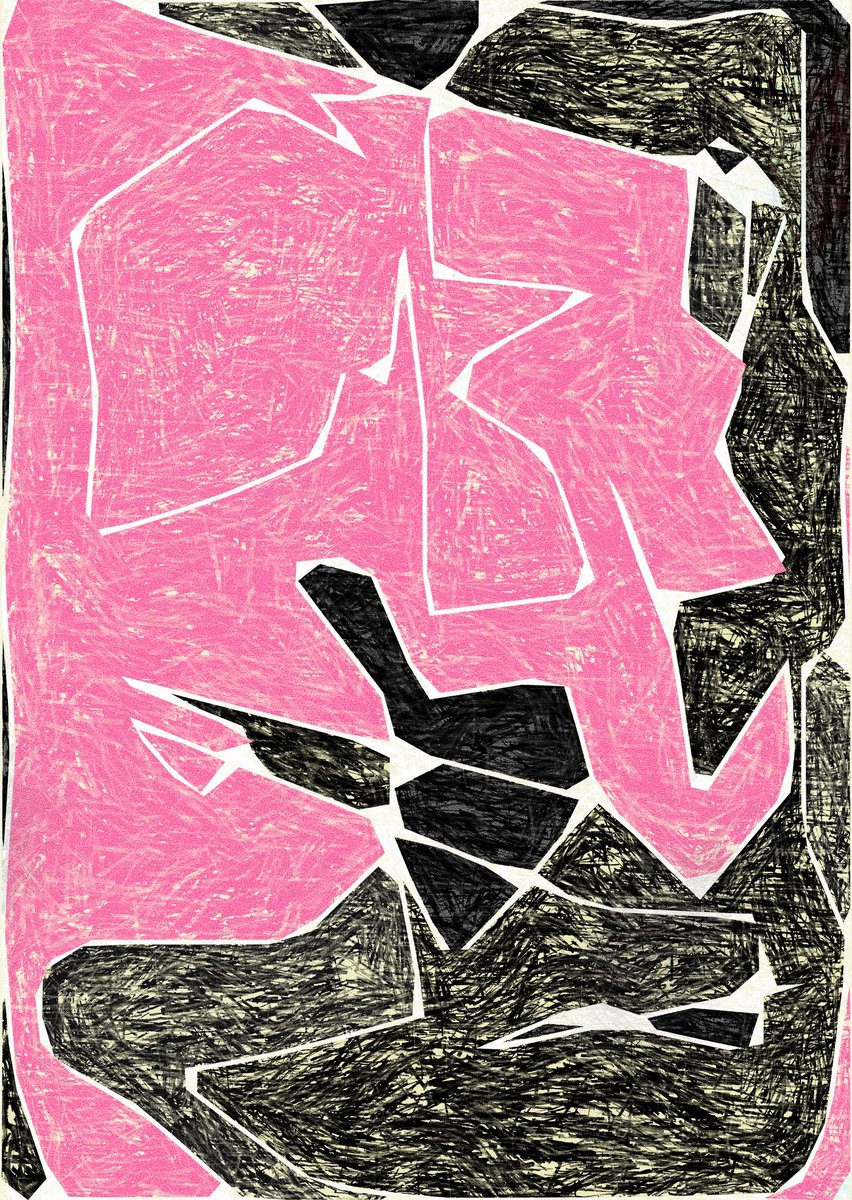
GIVEAWAY, Cyanotype, 9x6 inches
I have two stamp signed test prints...
Rules:
1. Follow.
2. Must own one of my NFTs, excluding MUGSHOTS.
3. Repost / tag 2 friends.
4. THIS POST MUST REACH 100 REPOSTS by this Friday, noon PST!
I will randomly draw two winners, ships worldwide.
@jerrysaltz It seems most are interpreting this as a knock on the digital art space as a whole, rather than just anadol’s piece. Are they misinterpreting? Or are you down on it altogether?
Some thoughts on how galleries can take our space to the next level…
I’ve been thinking a lot recently about how the lack of galleries in digital art is stunting our space’s growth.
Prior to NFTs, I ran an art dealership with two partners for 10 years. We worked closely with some of the world’s biggest galleries and collectors on hundreds of deals, on works by some of the world’s best-known artists.
I saw some shady stuff, but also got some good insight into how and why the art world became the $60bn behemoth it is today.
One key driver (that our space is sorely missing) is gallery representation.
~
Here is a scenario in which gallery representation could make sense to a digital artist:
• An artist (we’ll call her Mary) has a successful AB release in 2022. Let’s call it Skyscapes.
• Mary is approached by a gallery who believe in her work. They want to promote it on an ongoing basis, and invest in her progression.
• One such investment is in the presentation of Mary’s work to a wider audience of collectors at a leading art fair. The fair is visited by 20,000 people, including collectors, museum people, art writers and other galleries.
• Before the fair, the gallery buys a number of Skyscapes on the secondary market. They print a few, frame some of them, and present the series at the fair. They look stupendous, and the floor goes up!
• New buyers are introduced to Mary’s work at the fair. Some buy the framed works (with the accompanying NFTs) and hang them in their home. Others buy works from the online listings, which are then printed, framed, delivered and installed by the gallery.
• Mary’s work is seen by thousands of art lovers, and collected by dozens of them. It’s featured in a ‘top 10 booths’ in Artnet. It gets on the radar of a museum director. Mary is approached by a South American gallery about showing at a fair in Sao Paolo.
The gallery does this over and over again, showing Mary’s work in London, NY, Berlin, and Brussels. They eventually get accepted to show a solo booth of Mary’s work at Frieze London.
Soon, Mary’s work is known across the art world, in the Tate, and sought after by many of the world’s top collectors. The gallery not only continues to promote Mary’s work, but also supports her market; buying up good secondary deals, and selling their inventory to new buyers at Art Basel.
By this point Mary is a household name. Works from her smaller series are almost impossible to get hold of, and collecting her work gives some collectors a real thrill. She’s famous after all.
~
None of this would be possible without some kind of deal between gallery and artist. ‘I’ll invest in promoting your work, in exchange for a commission on future releases’. Without this deal that first fair doesn’t happen, those people don’t see Mary’s work, and Mary’s struggles for visibility among art world collectors, writers, and museums.
I’ll concede, the gallery representation model flies in the face of every promise web3 has ever made. Currently though, our space isn't growing. New collectors aren't discovering it. We need to get the artists here, out there.
The gallery model above is the reason the art world is where it is today. It’s the reason Art Basel Miami gets 100,000 of the world’s wealthiest focusing on art for a few days a year, and the reason works by living artists can sell for tens of millions.
It fuels not just the high end of the art market, but the whole thing (including what’s happening in our space). Could an NFT series by an emerging artist sell for a lot of money if ultra-valuable art wasn’t a thing? I’m not so sure.
Importantly, the work of the gallery mentioned above isn’t just about market making. In elevating the artist’s profile, the gallery is creating real value. A collector will likely feel a sense of excitement in owning a Koons. The gallery (Gagosian in this instance) has a huge part to play in creating that excitement.
~
Today, running a gallery doesn’t require a physical permanent space. It requires a knowledge of art, a love of art and artists, and a first-art-fair budget.
Verse is committed to supporting the growth of our space, and will be providing loans to new gallerists looking to spread the good word, whether at fairs or otherwise. If any aspiring gallerists are reading this - please get in touch.
Connecting through sketches ✍️
Let’s try something...
We’ll be giving away 2 pairs of signed prints from William Mapan’s latest series - Sketchbook A.
To enter:
🖍️ Quote this post
🖍️ Attach two outputs from Sketchbook A. One you’ve generated, and one someone else has
🖍️ Tag who shared the second one
The second output can be a friend’s, one you saw in a Discord that particularly resonated, whatever you like.
William will be picking out two winning pairs himself.
You can explore his simply phenomenal algorithm in the post below. Hope y’all enjoy it ❤️