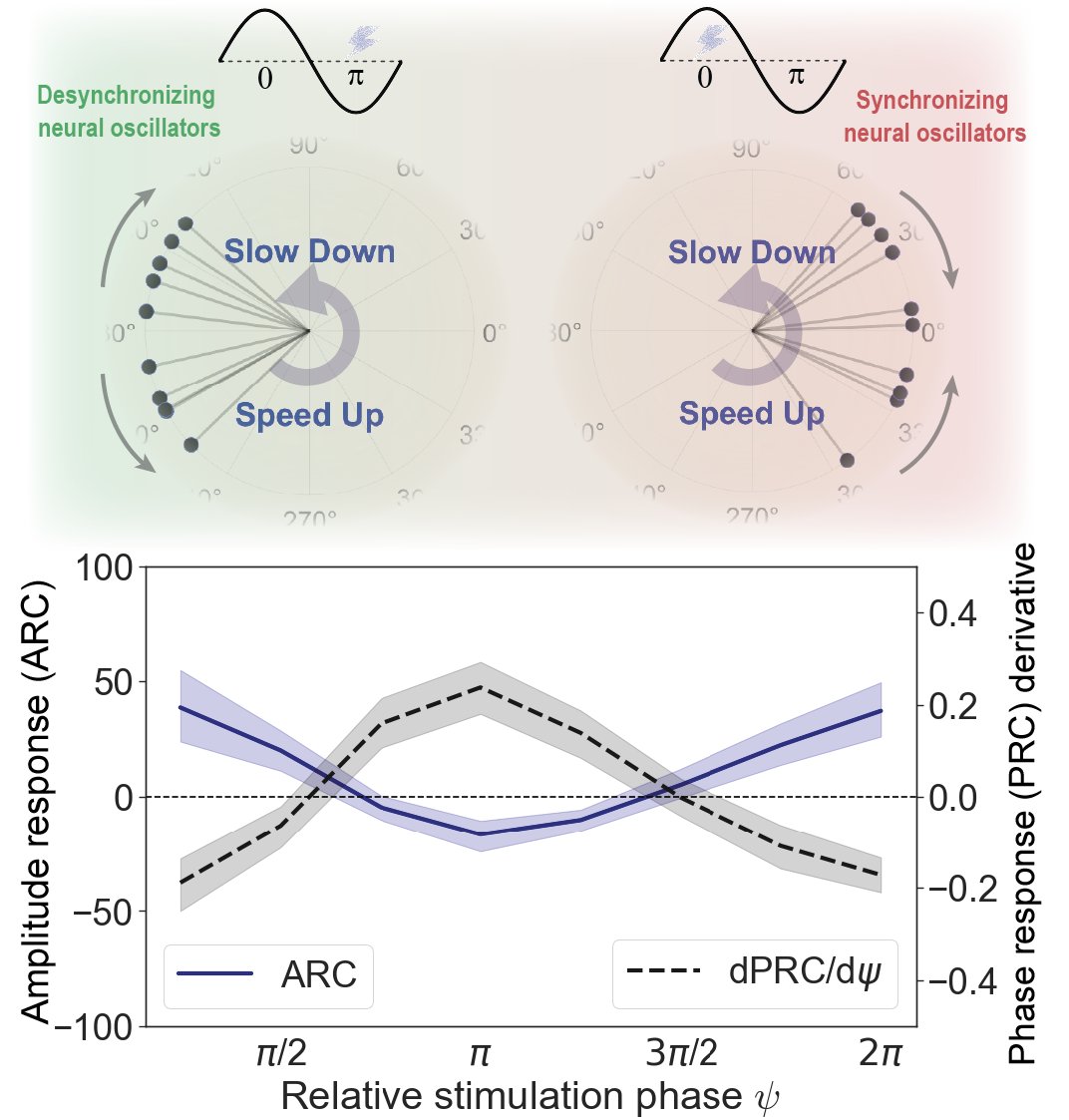
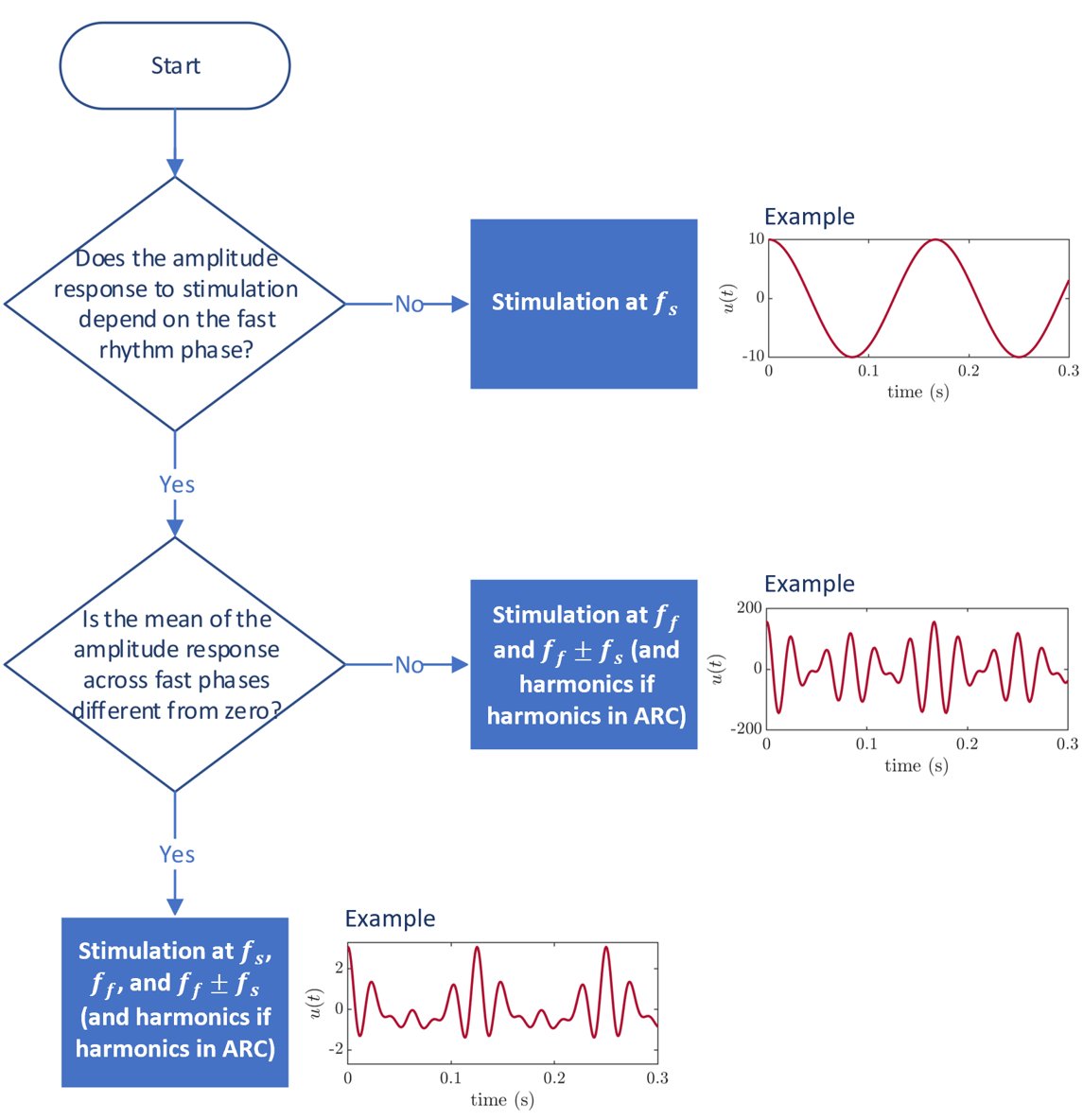
How to design #BrainStimulation to modulate phase-amplitude coupling? Recently published in the Journal of Neural Engineering @MRCBNDU@NDCNOxford@IOPPublishing https://t.co/xvvEv2B28b
Scroll down for a summary ⏬
1/11
We're looking for a graduate research assistant for 2 years! Come work in my lab - cognitive neuroscience / computational neurology (🧠https://t.co/pztK6qRoAl), in Oxford, on motivation in Parkinson's disease. Patient-facing role. Apply now: https://t.co/xFlxB3ImPP
New unit paper on “Flexible and stable cycle-by-cycle phase-locked deep brain stimulation system targeting brain oscillations in the management of movement disorders”, published in @brainstimj.
https://t.co/qtzsXEyOMc
@MRCBNDU@NDCNOxford@OxfordMedSci@UniofOxford
Are you an early-career researcher looking to make a real impact in your field?
Apply now to our #RAEngResearch Fellowships to receive up to £625,000 in funding, mentoring support, and training opportunities to boost your career.
Don't miss out: https://t.co/BgRUnJPcYJ
One day left to apply!! 👇
Apply by midday (GMT) Tuesday 3 December 2024 for MSc by Research and DPhil in Clinical Neurosciences @UniofOxford#OxfordMedSciGradStudy
How to design #BrainStimulation to modulate phase-amplitude coupling? Recently published in the Journal of Neural Engineering @MRCBNDU@NDCNOxford@IOPPublishing https://t.co/xvvEv2B28b
Scroll down for a summary ⏬
1/11
Finally, some of the predictions of our framework are in line with published data. Many thanks to Prof. Rafal Bogacz! Full read: https://t.co/xvvEv2B28b
11/11
Optimal smooth Fourier waveforms can be approximated with square pulses if necessary, and phase-locking to the fast and slow rhythms is recommended in most cases.
10/11