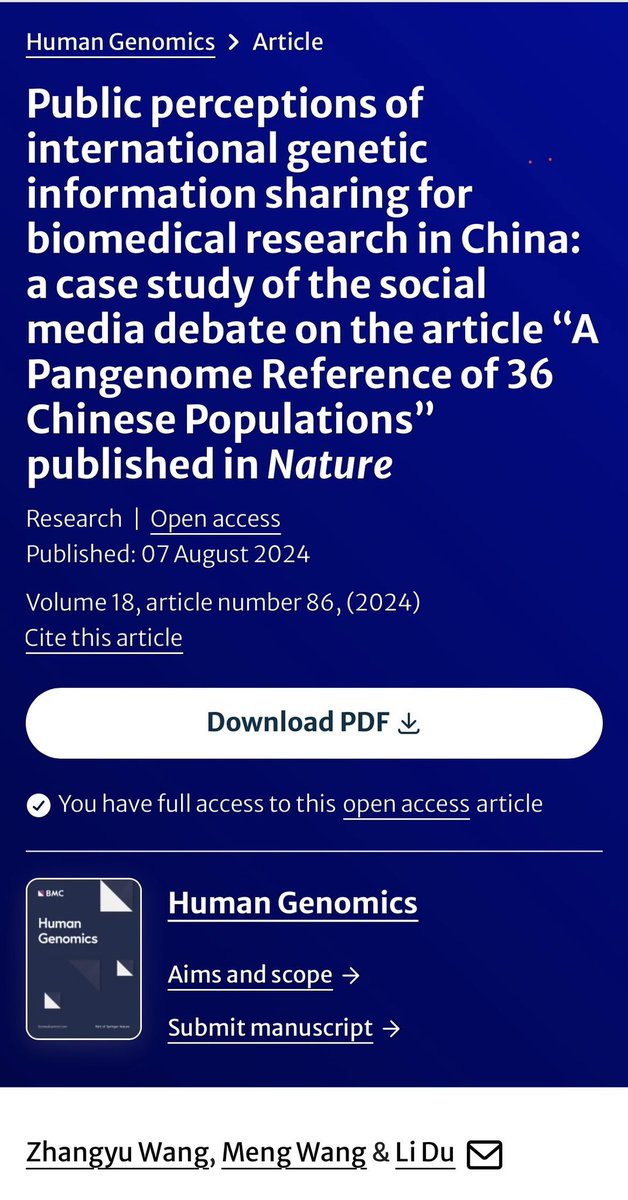
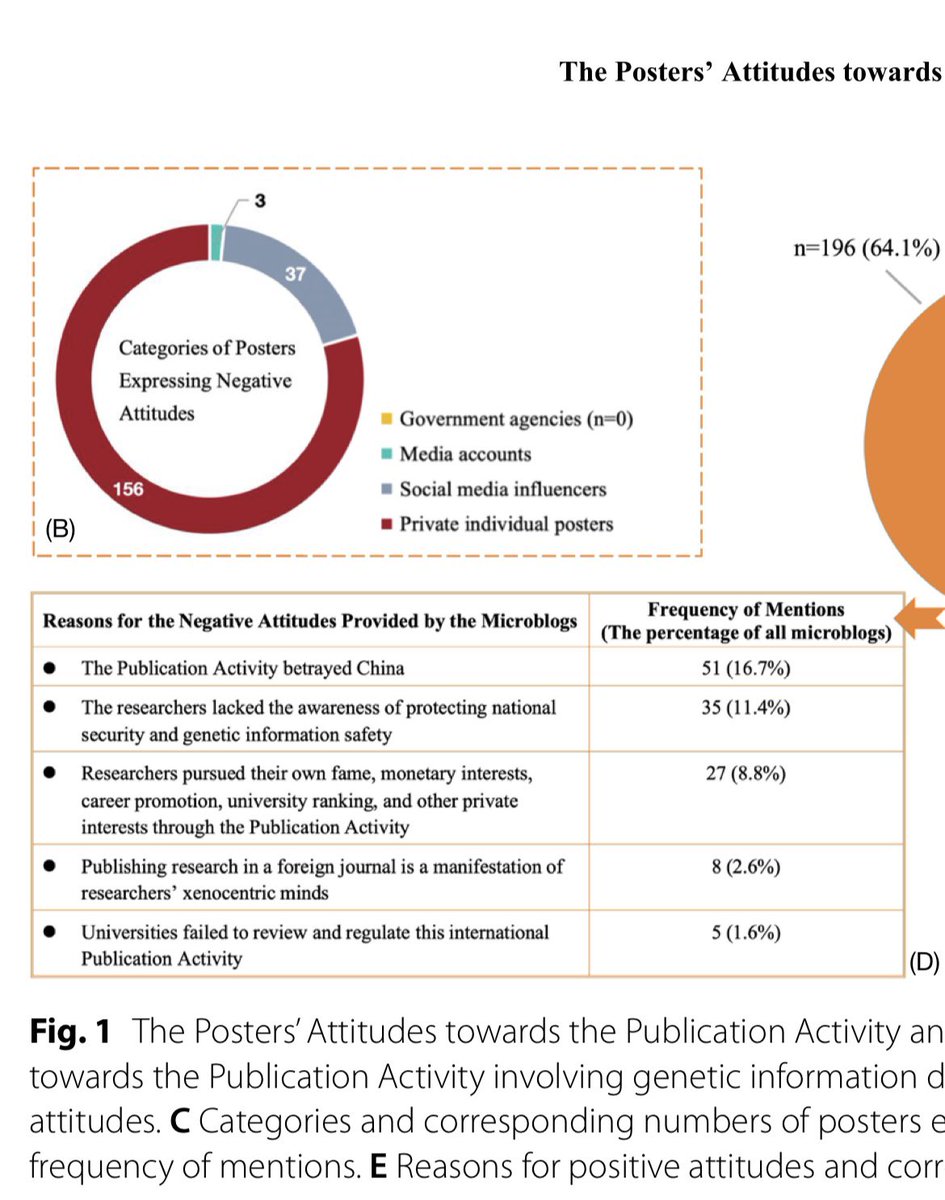
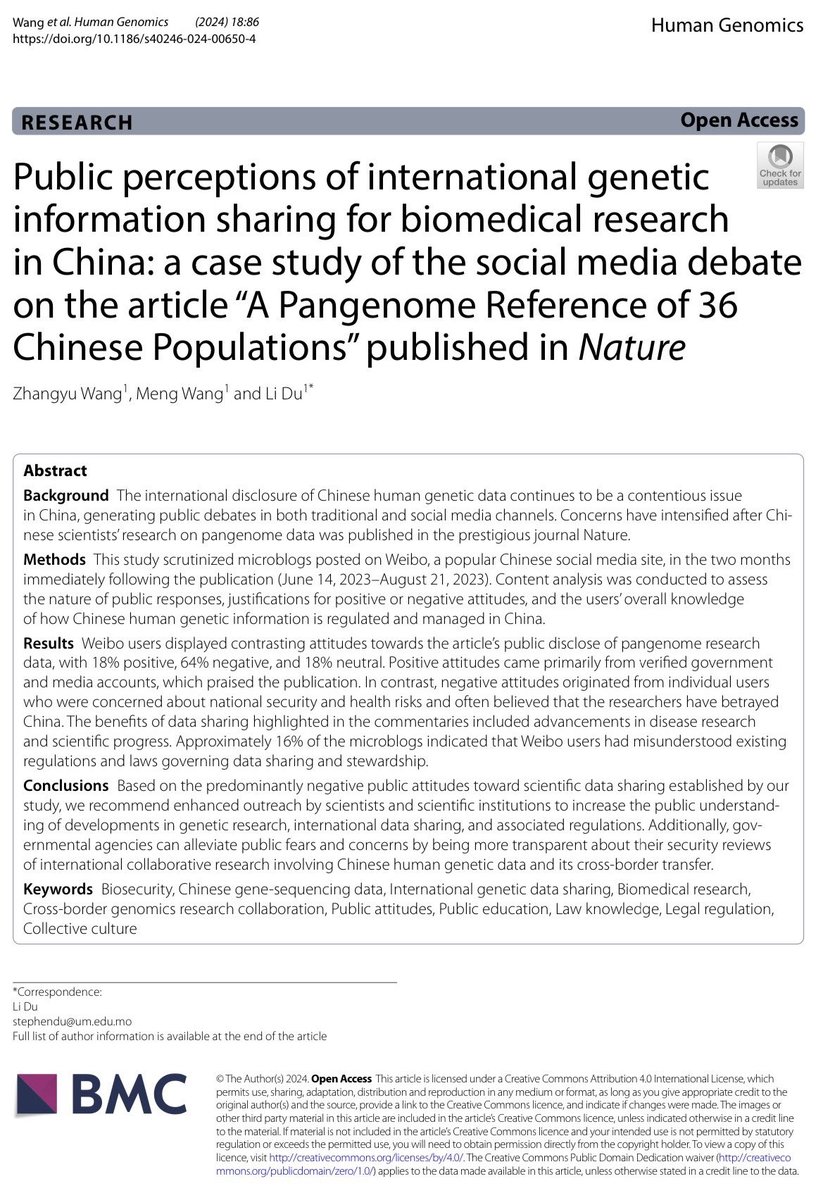
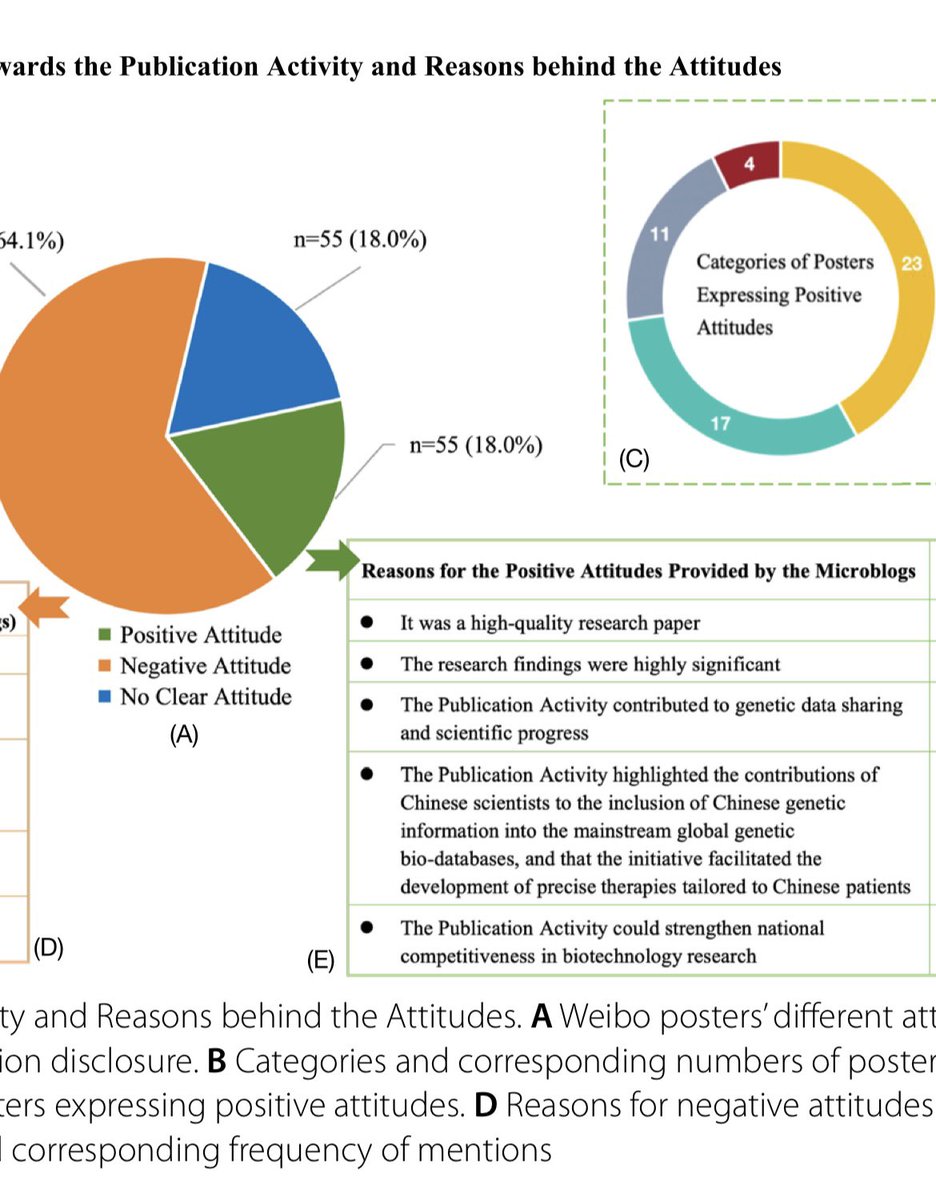
Our study on views of Chinese social media users on publishing Chinese genomic data for research purposes and their legal implications was just out! This study is led by my doctoral students Wang Zhangyu and Wang Meng. Well done! Thanks to @BMC_series https://t.co/dDJTwL54Du
When you think you're hungry, you might really be thirsty. The brain recognizes these triggers as the same. So before you hit the pantry, drink some water first. https://t.co/vDM3WScPYZ
Really happy to share this great piece collaborated with @Vera_Lucia_Rap on the use of facial recognition technology and related challenges on the protection of privacy and other fundamental rights. Well done 🙌🙌my friend 👏👏👏
I am thrilled to announce the release of my latest joint publication with @duli423:
Vera Lúcia Raposo and Li Du, Facial recognition technology: is it ready to be used in public health surveillance?, International Data Privacy Law, 2023, ipad021, https://t.co/A9nanFnr6Z
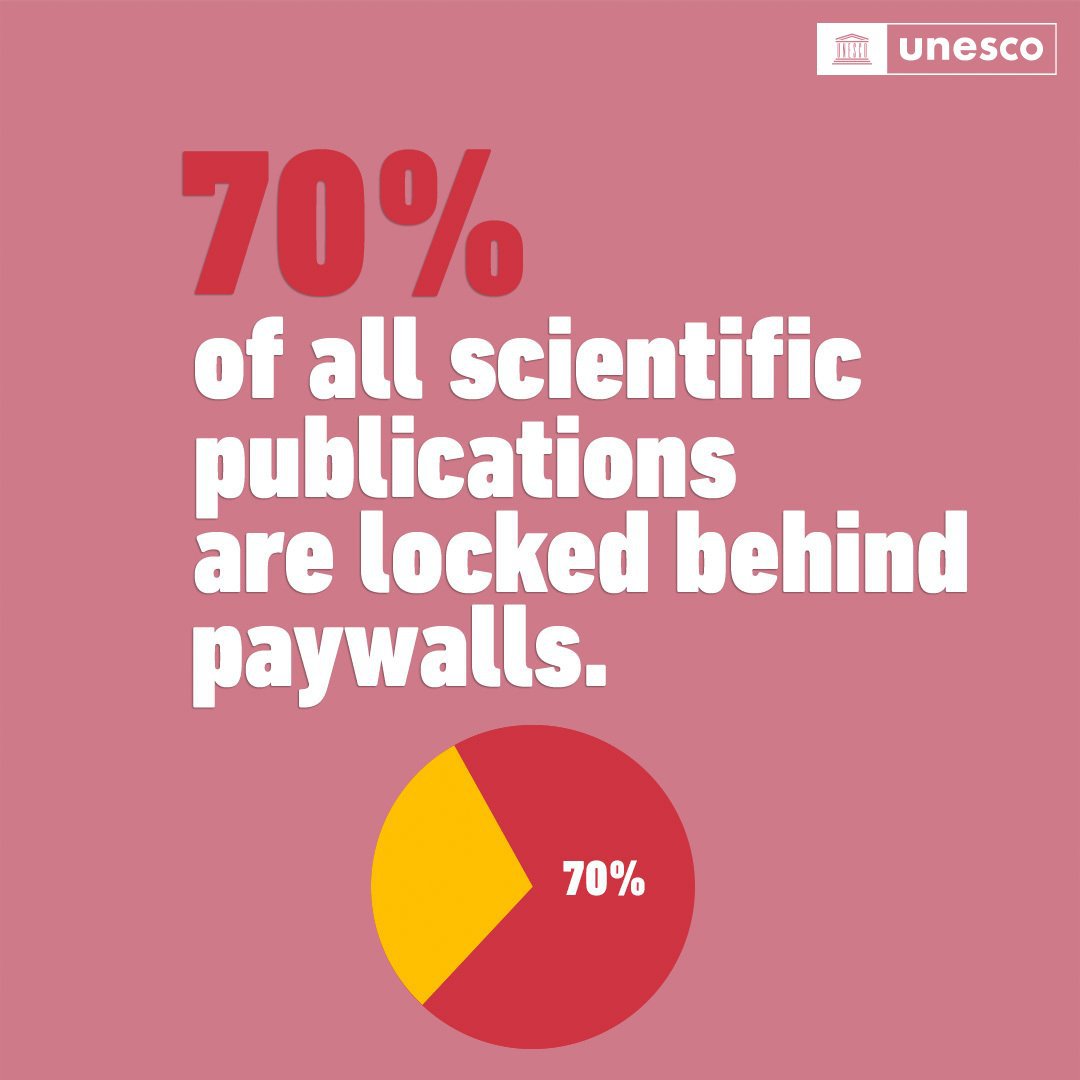
At a time when misinformation & disinformation about science are rampant on the internet, peer-reviewed, publicly funded research should not remain behind paywalls.
Discover why the world needs more #OpenScience: https://t.co/QOFjHpYcSD
Naturopath loses licence after selling fecal transplants for autistic kids https://t.co/ZTrD7Bi0Os b @bethanylindsay
Great news! But more action needed.
"It requires different health regulating agencies in different countries to work with each other to really, really stop it."
Our latest commentary on how China’s new regulations on generative AI could impact biomedical research, as well as its implications for bioethics, is officially published! Congratulations to my collaborator, Kalina Kamenova, Big thanks to @bioethics_net https://t.co/3WZyNtpaTp
Media representations of synthetic biology in China https://t.co/DvcAvwlBOf BIG thanks to @TrendsinBiotech and all colleagues who helped to develop and publish the study 🙌🙌