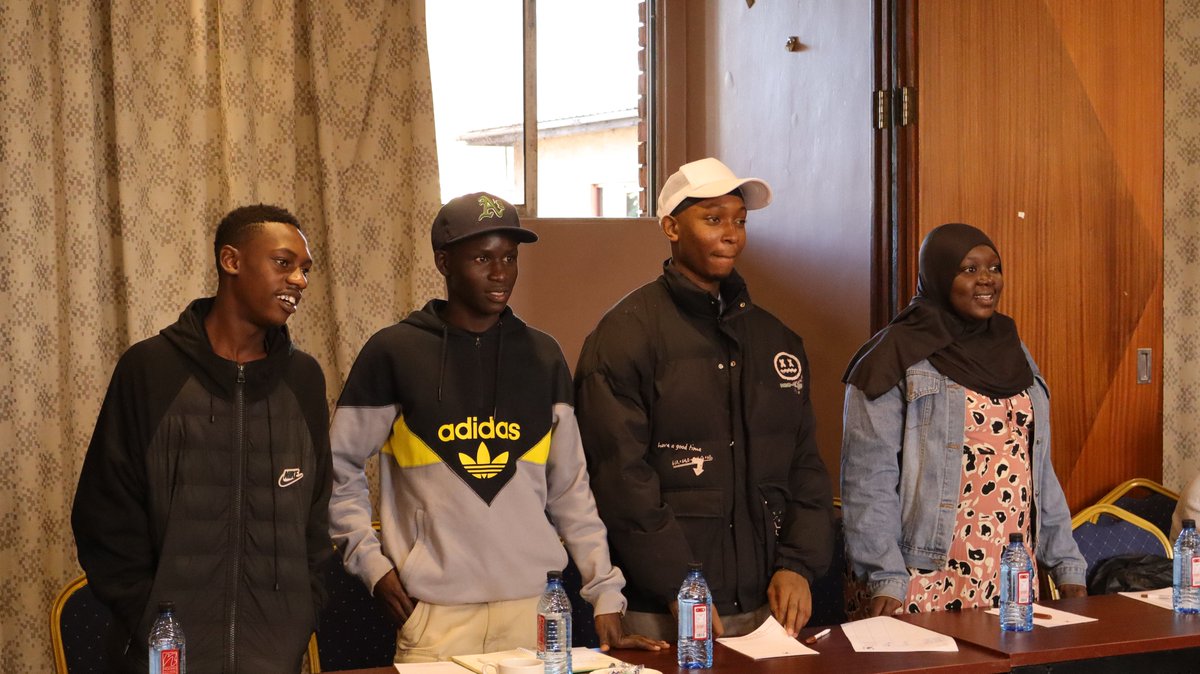
International Youth Day is observed annually on August 12. The 2026 theme is Different Contexts, Common Aspirations,"which highlights that while young people navigate diverse local, economic and geographic realities, especially in Kenya they share universal goals for dignity, education decent work, and a sustainable future.
#InternationalYouthDay
"Digital identity should make people's lives easier, not harder," is a warning that systems that fail to match real-world human realities risk alienating the very people they are supposed to help. In Kenya, this is especially true for projects such as Huduma Namba/Maisha Namba.
Without a conscious design for inclusivity, strong data protection controls, and significant community involvement, digital ID systems can exacerbate existing barriers for Nubian and other minority groups that already suffer systematic barriers to getting formal identity credentials.
True digital transformation must prioritize human rights, eliminate exclusion, and create trustworthy infrastructure that serves everyone fairly, rather than becoming tools of surveillance or discrimination. The Forum continues to advocate for any national digital identity framework that protects dignity, privacy, and access for all Kenyans.
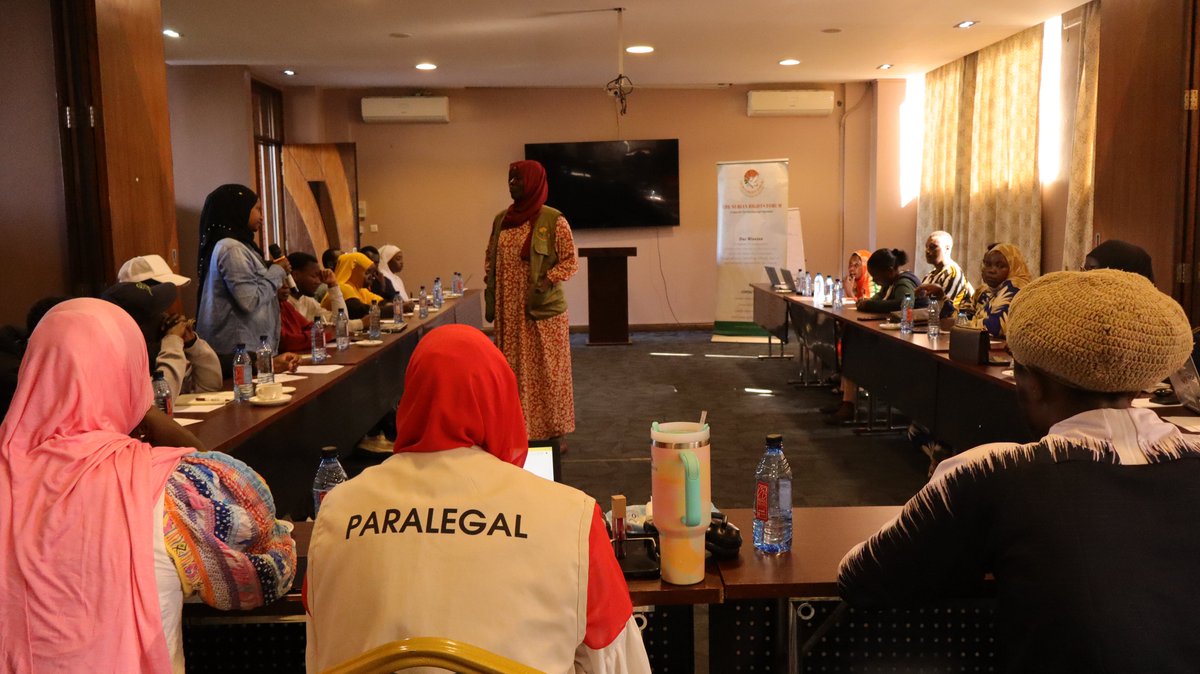
Nubian Rights Forum convened Community Ambassadors to collaboratively draft memoranda on the proposed Kenya Registration of Persons (Amendment) Bill, 2025 and the Kenya Citizenship and Immigration (Amendment) Bill, 2025. These submissions will champion equitable access to documentation, safeguard against discrimination, and push for inclusive citizenship frameworks. The fight for recognition and belonging continues.
One year since the ID vetting decree: Has anything actually changed for Kenyans?
Join Moses Gowi from @NamatiKenya on Iqra FM this Wednesday (11 March) at 9am. We’re diving deep into the impact on citizenship rights and what more needs to change. Don't miss it! 🎙️
#MyIDMyRight
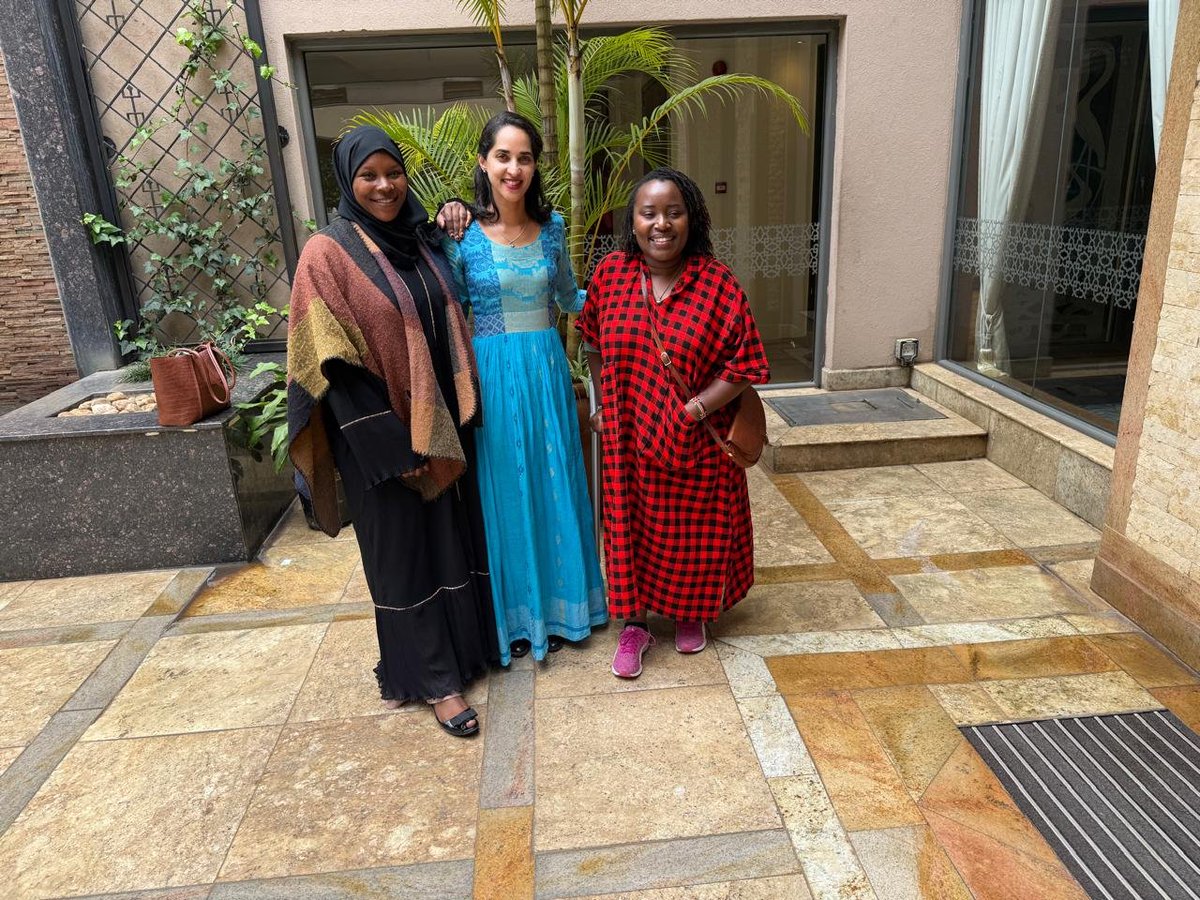
Our paralegal Hanim Nasur is excited to join the delegation for the Tea & Feminist Dialogues in Nairobi!
This special event is part of the Nobel Women's Initiative's Rooted & Rising gathering (March 1-5, 2026). Nobel Peace Prize laureates, young feminist leaders from Africa and the Global South, and allies are coming together to promote feminist leadership on climate justice and women, peace & security ,honoring Wangari Maathai's powerful legacy.
How do you prove you belong to a country that refuses to give you an ID?
The Nubian community @NubianRights was told to gather 100,000 signatures to fight for their identity rights, but you can’t sign a petition without an ID in 2011.
#LostInTheSystem explores the decades-long battle against statelessness and the landmark victory that changed everything. Watch it now on https://t.co/mYc6BvzvxU
A birth certificate is a vital foundational document for establishing legal identity, accessing public services & protecting children’s rights.
Together with our partners, we work to enhance access to critical documentation such as birth certificates for all Kenyans.#MyIDMyRight
Empowering our community, one registration at a time.
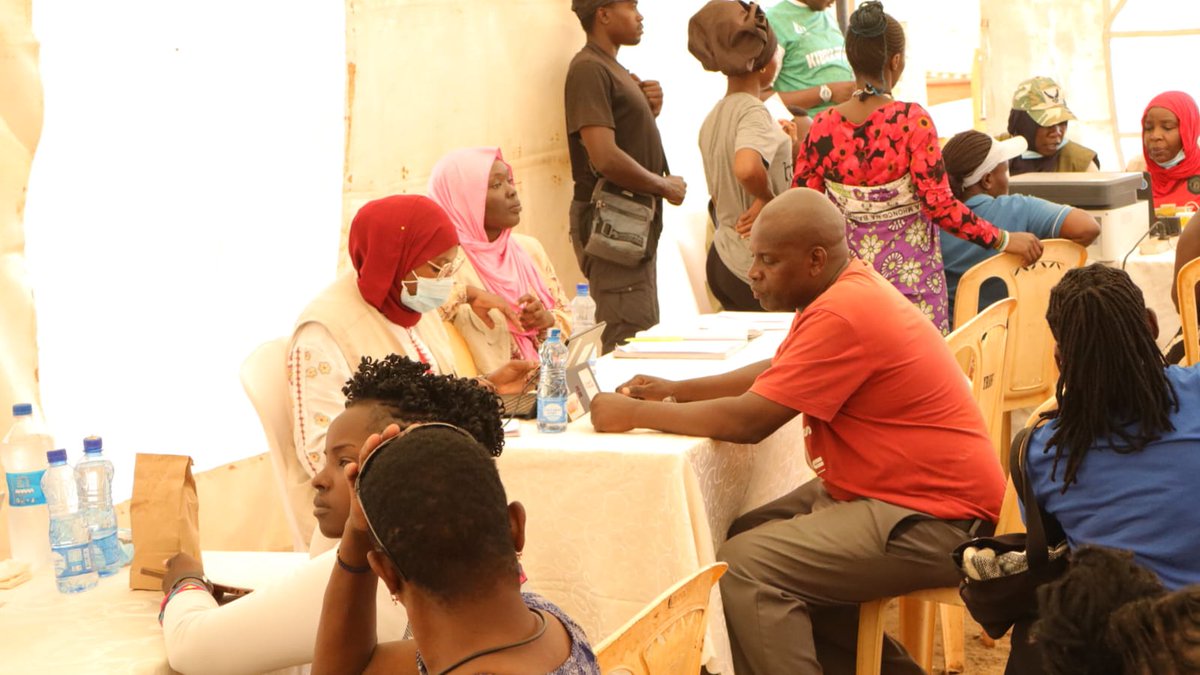
Nubian Rights Forum teamed up with Namati Kenya, IEBC Kibra Constituency and Huduma Center, to bring vital services right to Laini Saba Amref Grounds. From voter registration, eCitizen User Onboarding, replacements of birth certificates as well as new applicants and Social Health Authority enrollment we're breaking barriers and boosting citizen participation in government services. Together, we're building a more inclusive future! #leavingnoonebehind. #SDG169
@serv_BilaStress@crs_kenya@Sajili_IDKe
Nubian Rights Forum successfully hosted Community Awareness Forum in Laini Saba, Kibera, in partnership with @IEBCkenya ,@NamatiKenya & @CanHCKenya Community members were engaged in voter registration ,clarifying citizenship laws & documentation requirements, and stressing the importance of civic duty.
Thank you for joining our 2026 Regional Assembly!
Together, members reviewed 2025 progress, identified gaps, and defined priority actions for the year ahead. The assembly set a clear 2026 direction grounded in grassroots knowledge, with a focus on scaling learning models adaptable for diverse communities & advancing advocacy to protect justice defenders.
Join our Africa WhatsApp group for more updates: https://t.co/vidLQnmTZJ #PowerofLearning #GJNAfrica
One Year After Vetting Decree, ID Processing Faster but Millions of Kenyans Still Denied Citizenship and Justice
“As ID delays declined following last year’s ID Vetting decree, millions of citizens, who over the decades have been impeded from accessing Kenyan national identity, remain undocumented – more needs to be done to fully address discrimination in nationality and ID processes.”
Today marks one year since the historical decree that abolished the discriminatory process of ID vetting in the issuance of national identity cards – a decades-old barrier that blocked Kenyan citizens from accessing IDs based solely on religion, ethnicity or geographic location.
This one-year period has been marked by some significant transformations that have made a difference including the abolishing of vetting committees, implementation of new ID registration guidelines, waiving of fees for first-time applicants and reduction in ID processing timelines.
Acknowledging the monumental, timely and necessary efforts of the Kenyan government to ending a systemic injustice that has excluded generations, we the undersigned organizations remain concerned that the effects of decades of discriminatory ID vetting persist with millions of Kenyans remaining undocumented and lacking meaningful pathways to documentation even with vetting reforms in place.
These are the historical victims of systemic exclusion who have never been documented to begin with. For them, the end of vetting is yet to translate into the beginning of citizenship rights.
“Abolishing vetting was an important first step in restoring and extending constitutionally enshrined citizenship rights and legal requirements for ID applicants, but it did not remedy the historical legacy of this injustice. Many Kenyan citizens are still carrying ‘waiting cards’ that have expired, or worse, have no documents at all because they were turned away for years.”
For instance: “47-year-old Adan Ibrahim from Bula Elbe, in Wajir County lost his waiting card in 1997 while grazing. He accidentally dropped it into a well. To date, he has still not gotten a replacement ID card despite applying several times due to vetting. Adan is one of many citizens who still must navigate an especially difficult process to obtain an ID.”
We note with concern that the newly introduced vetting reforms have only largely ‘benefitted’ new applicants. Kenyan citizens who were rejected or prevented from applying before the now disbanded vetting committees have no improved process of re-applying for IDs.
Additionally, there are entire generations of families who lack any form of documentation including birth certificates because their parents were denied IDs due to the long-standing challenges of the old vetting process. Without affirmative action measures, these citizens are trapped in limbo and pass down their undocumented status to younger generations.
Of note is also that we have documented inconsistencies in the implementation of the new ID registration guidelines with some registration officers continuing to indiscriminately exercise a form of vetting and extra scrutiny on applicants effectively keeping vetting alive.
Considering the foregoing, even as we celebrate the significant progress achieved through the vetting reforms, the anticipated success of inclusion for all that we hoped to see from the implementation of vetting reforms are yet to be felt. We civil society organizations and impacted communities urge the government to fully address the legacy of exclusion and ensure every Kenyan enjoys equal, non-discriminatory access to citizenship documentation by:
1.Amend the Registration of Persons Act to remove Section 8(1a) and Section 16(ba) to enshrine the Presidential decree in law and prevent future re-introduction of vetting.
2.Establish independent grievance redress and appeal mechanisms for delayed and rejected applications to guarantee due process.
3.Implement affirmative action measures to ensure all Kenyan citizens, including those who are undocumented or excluded due to past vetting procedures, are able to access their right to a national ID card.
4.Extend the reach of government services through the recently launched Usajili Mashinani initiative and an increase in mobile registration activities, particularly in rural, underserved, and nomadic areas. We would like to suggest a targeted approach campaign for people with waiting cards who may not know if they are valid or not to do fresh registration.
5.Ensure consistent, fair review and processing of ID applications across the whole country through clear, public guidelines and enhanced training for registrars.
In a strategic partnership with @NamatiKenya, the @CanHCKenya , and IEBC, the Nubian Rights Forum launched a two-day community ambassador workshop at Ngong Hills. The program focuses on equipping ambassadors with the tools to navigate citizenship documentation hurdles and advocating for youth voter registration to strengthen democratic participation.
On #DataPrivacyDay,ParaNET stands with pastoralist communities whose identities and livelihoods are at risk from unchecked data collection and digital exclusion.We advocates for equitable digital policies that prioritize consent,security, and justice for marginalized communities
On #DataPrivacyDay, we demand stronger protections for marginalized communities whose data & identity are too often misused or ignored. When data privacy fails, vulnerable groups suffer most.
Nubian Rights Forum, in partnership with @NamatiKenya & @CanHCKenya held a community forum in Kisii to discuss citizenship laws, the upcoming elections and its impact on historically marginalized groups. We looked into how challenges in access to citizenship undermine democratic processes like elections, voter participation, and political inclusion.
As Kenya approaches the 2027 electoral cycle, access to documents such as the National ID remains a critical gateway to constitutional participation, democratic inclusion, and the exercise of fundamental civic rights.Nubian Rights Forum hosted a powerful community forum to share vital knowledge on civic rights and citizenship.
In Toi, Kibera, the Nubian Rights Forum held its first Community Forum of 2026 in partnership with Namati Kenya and the IEBC.
The event empowered young citizens by guiding them through voter registration, reinforcing their constitutional citizenship rights, and equipping them with practical steps to secure national IDs and overcome long standing barriers to full civic participation.
Growing up as a young Nubian in Kenya, Ali had dreams like any other young person – but without a national ID, those dreams felt impossibly out of reach. But then he met a community paralegal, who helped him learn about his rights, complete the documentation process, and finally secure his ID.
Today, Ali is a #paralegal himself – helping others learn and use their rights, too.
Journeys like this are only possible with support from people like you. When you give to Namati this holiday season, you’re helping community #paralegals everywhere bring justice anywhere. ➡️https://t.co/1YWfVC21ya
#GivingSeason #LegalEmpowerment
Join us this Monday 15 Dec at 8am as we discuss ID vetting and its impact on Kenyan citizens’ access to nationality documentation.
Namati’s Moses Gowi joins @RadioGenKe for this timely conversation.