Eine Software-Schwachstelle ermöglicht Angreifern, aus der Ferne die Kontrolle zu übernehmen. Die Cyberbehörde des Bundes fordert Nutzer dringend zu Updates auf. https://t.co/L2AE2tuQgk
Wer an einer Uni ist, der weiß was das für eine Katastrophe ist. 2 Jahre Vorlaufzeit für die Änderung eines Moduls. Neuer Kollege da? Kann gar nicht unterrichten, weil Modul nicht existiert. Inhaltliche Änderungen nötig? In nur zwei Jahren kann ich die Vorlesung umstellen.
Vor Beginn eines Digitalgipfels fordert Karsten Wildberger mehr Einsatz für Künstliche Intelligenz. Ökonomen sehen Deutschland bei dem Thema bislang schlecht vorbereitet. https://t.co/ZILjOHSFHt
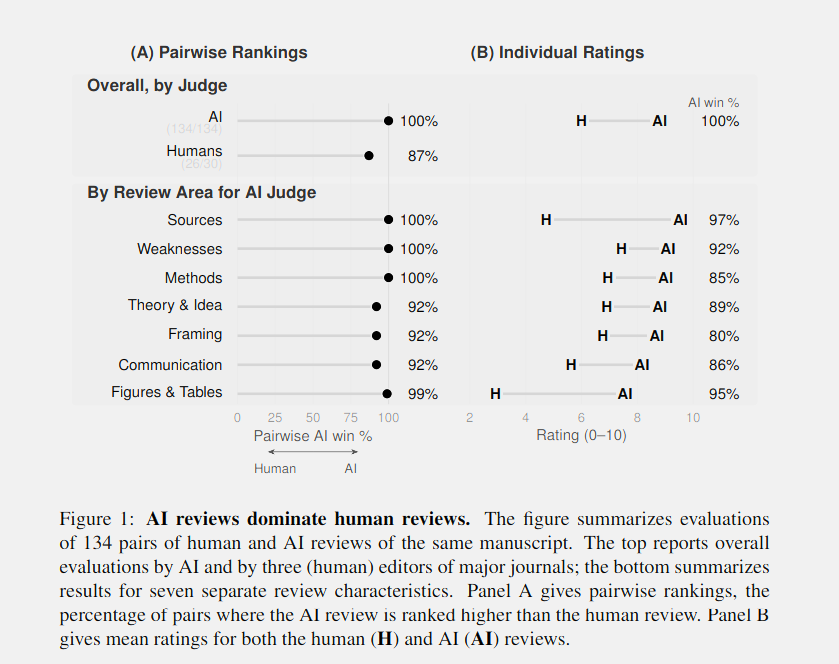
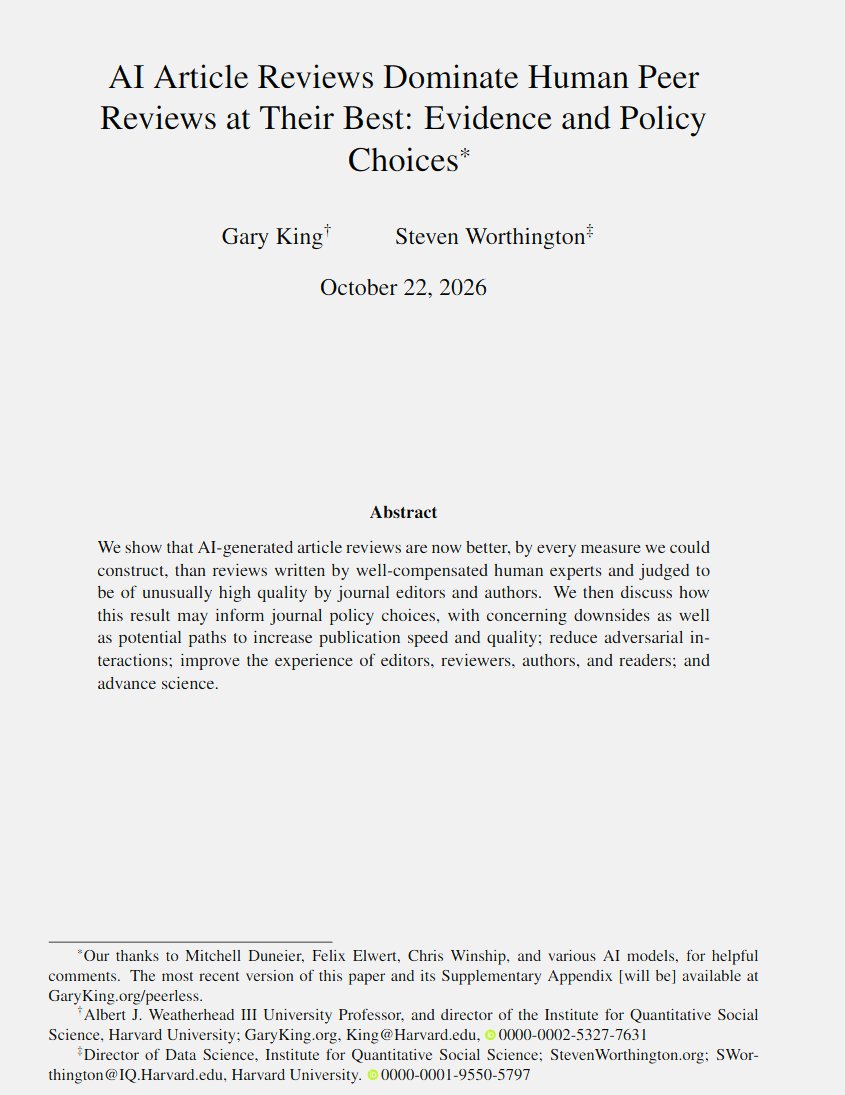
By every measure, Opus 4.8 beats human experts as peer reviewers in a study of 124 Harvard social science papers covering a range from statistical analyses to formal models to qualitative work.
As academics, we need to figure out how to adapt the practice of science to AI, fast.
We want to support the mathematics community in turning progress in AI into deeper human understanding and new discoveries. To support that goal, we are contributing $5 million to a new Simons Foundation initiative to help mathematicians examine, understand, and build on results produced by AI, including the results we recently published.
The funding, managed and awarded by the @SimonsFdn will support workshops, conferences, and special programs. We will also provide access to our models and computing resources to Simons Foundation-supported researchers.
There is an extensive and ongoing review related to our agents’ use of internet access during training and evaluation. We’ve been publishing summaries at the link below and will continue to.
We have not been as fast as we would have liked but we are trying to balance our desire for transparency with gaining a clear understanding from petabytes of agent activity logs, and working with impacted organizations.
We are prioritizing as best as we can based on severity, and adding resources. Hugging Face is still the most severe event we’ve seen. We will be as transparent as we can be subject to things like vulnerabilities in other companies that our agents have found, which will be their call to disclose or not.
AI systems are getting more powerful, and they're increasingly being used to build the next version of themselves. We want to illuminate that progress for the public.
Today, we're sharing three measurements that help track AI development:
1. How much AI R&D is done by AI.
2. How well AI agents are overseen.
3. How compute is allocated.
We provide a snapshot of these metrics from inside Anthropic. Any frontier developer could publish the same measures, and third parties could verify them.
As the world considers pacing the frontier, we should do everything possible to minimize the gap between what frontier labs know and what the public knows. This means better measuring the development of AI, publishing our findings, and giving society an opportunity to decide how to use this information.
Read the full post and methodology: https://t.co/iPFz8Z4ugE
Our Flash models are workhorses that offer performance at a great price. So, we're shipping updates fast to get them in developers’ hands. And now just 3 weeks after launching 3.6 Flash, 3.7 Flash shows significant gains including in coding and agentic work.
It delivers substantial improvements across software engineering, knowledge work, and web development, all with an introductory price at half the original cost of 3.6 Flash.
We've gotten positive feedback from early users, including our own engineers using 3.7 in @Antigravity, and we’re excited for you to try it there. Also available via Gemini API in @GoogleAIStudio, Gemini Enterprise & more, full list and details here: https://t.co/u2P2nEMM8F
We are at a turning point: many of the decisions we make about AI today will permanently shape our future.
Governments and the public need to clearly understand the impacts, risks, and opportunities of AI to make the right choices to reap its collective benefits while mitigating its major harms.
That’s why we’re launching the Preliminary Report of the Independent International Scientific Panel on AI — an initial evidence-based assessment of the current state of AI science — to help the public and policymakers better understand the unprecedented moment we’re in.
We have the power to steer toward a better future with AI together, open-eyed, for the benefit of all of humanity. This report begins that work.
I want to thank my Co-Chair @MariaRessa as well as all my other esteemed colleagues for their exceptional contributions and our precious collaboration.
You can read the Panel’s Full Report linked in the tweet below.
Link to the Message from Maria Ressa and me ⬇️ https://t.co/GnF0WycjSF
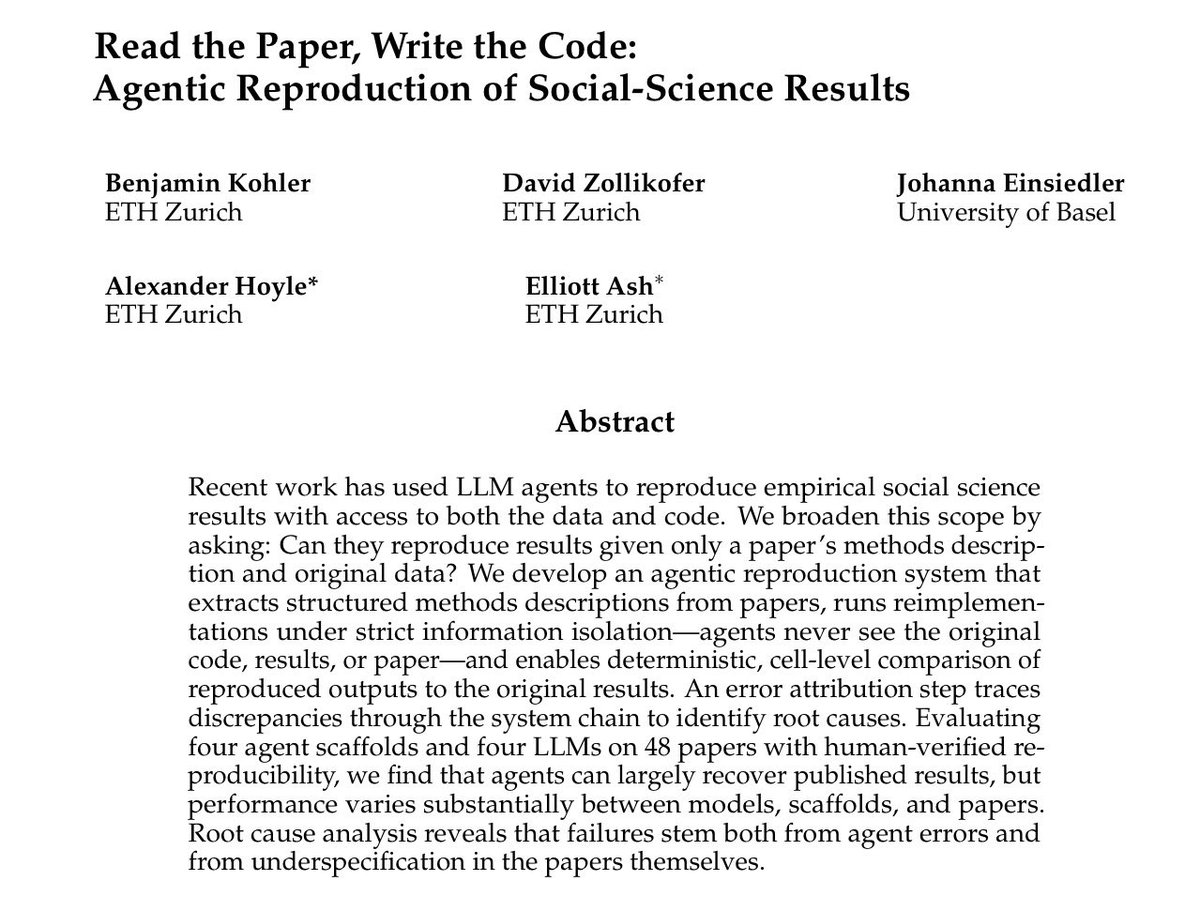
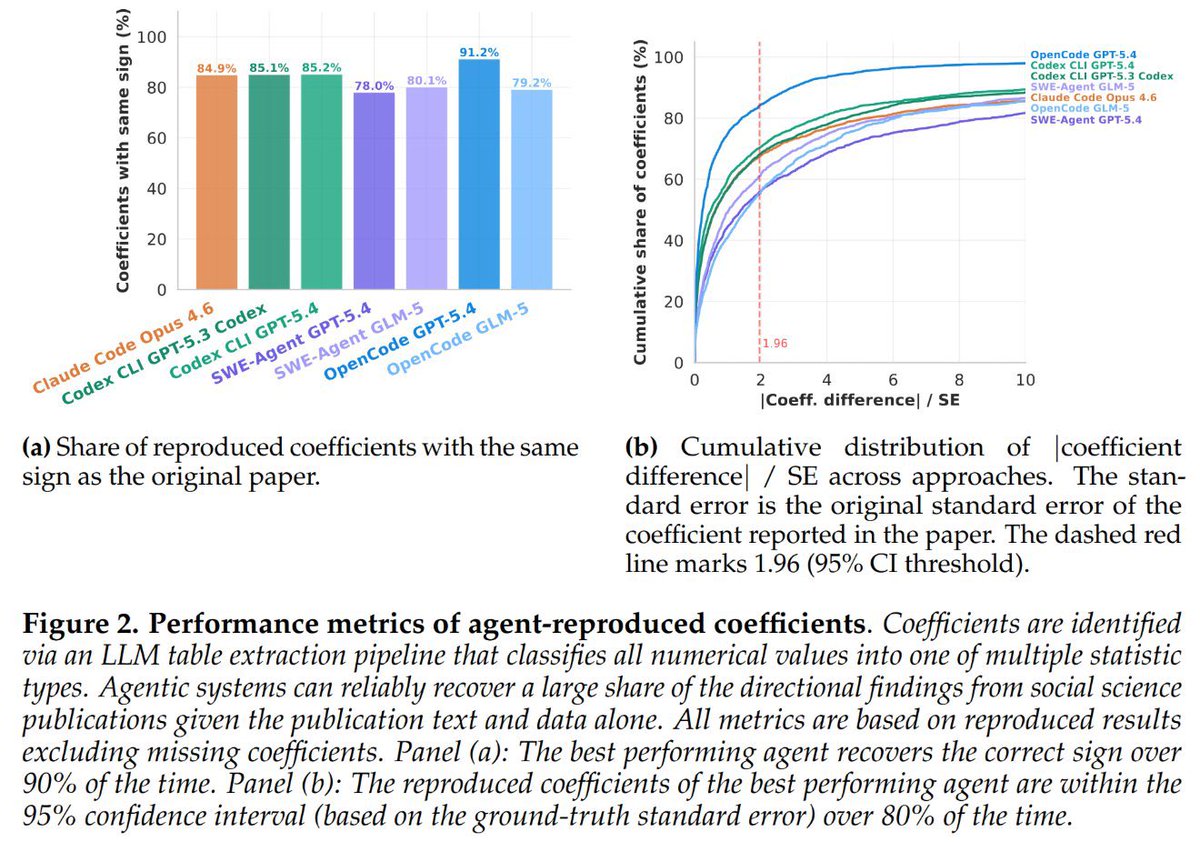
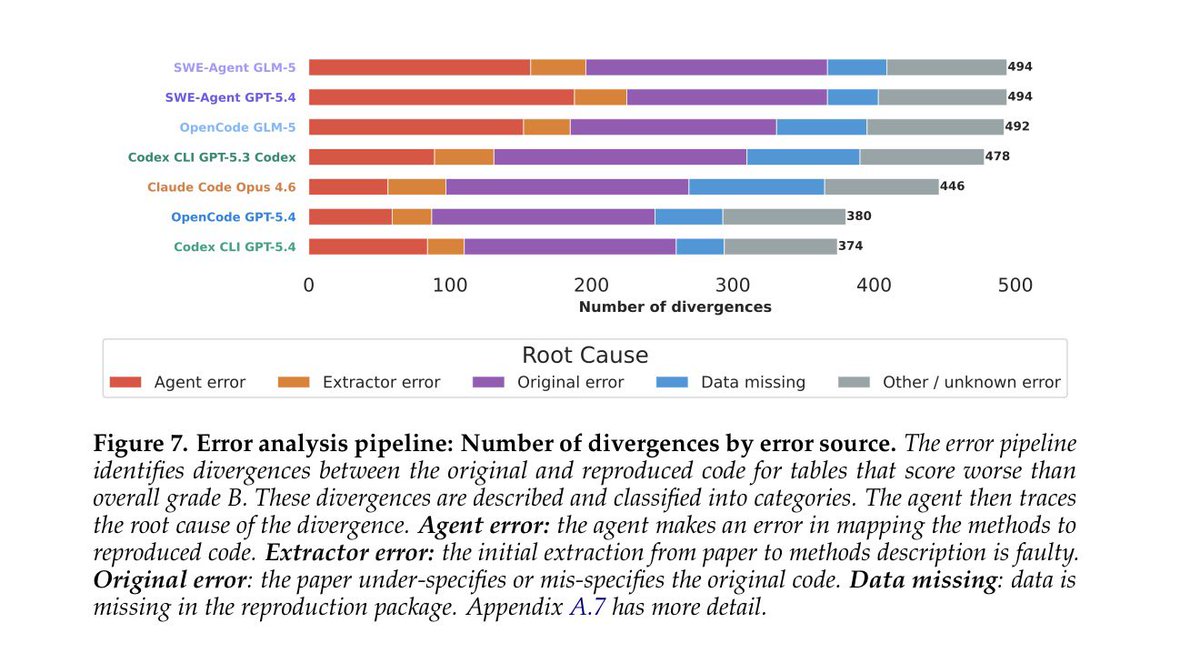
I think that academia has not absorbed the fact that AI agents are now good enough to independently reconstruct complex papers without access to code or the papers themselves; just the methods & data.
They aren’t perfect but the errors are often in the human paper, not the AI.
Claude can now build interactive charts and diagrams, directly in the chat.
Available today in beta on all plans, including free.
Try it out: https://t.co/tHPAZRgQkn
Given the GDPval benchmark for GPT-5.4, I've updated this chart, the new model ties or beats humans as judged by other experts at professional tasks 82% of the time
If you give a 7 hour task to AI, even with failure rates and the need to check results, you'd save 4h 38m average
Sehr interessante Analyse wie KI die Wissenschaft verändern wird. Offenbar kann zB in den Sozialwissenschaften ein großer Teil der Studien durch KI erstellt werden, mit hoher Qualität. Wissenschaft wandelt sich dramatisch in kürzester Zeit https://t.co/tHOsO9zVfk
Braucht eine Promotion noch eine Dissertation?
Über neue Formen wissenschaftlicher Leistung, Prototypen statt Texte und die Frage, was Promotionen im Zeitalter der KI ausmacht. Ein Gastbeitrag von Nils Hansson.
Im Wiarda-Blog: https://t.co/B24VmjKL8B
Estland ist europäischer PISA-Spitzenreiter. Bildungsministerin Kristina Kallas erklärt, wie sich Unterricht verändern muss, warum sie ChatGPT-Lizenzen an Schüler verteilt und nichts von Social-Media-Verboten hält. https://t.co/HL4WCaavkg
KI wird die Medizin radikal verbessern. Bei Mammographien ist KI so viel besser, dass man schon diskutieren muss, wie schnell sie eingesetzt werden müsste. Sie verbessert bei Doppelbefunden (Arzt plus KI vs 2 Ärzte) die Diagnose und spart Zeit und Geld.