"Your Jupiter is combust." Was it measured, or was it guessed?
A planet too close to the Sun is called combust, burnt. Its light is lost in the Sun's glare. So far, fine.
The question is: how close is too close?
Most apps and many astrologers use one number for every planet. Ten degrees. Some say combustion counts only within five. Others say Mercury and Venus should not be counted at all. SIMPLE, and Wrong.
Think of five people near a bonfire. The child steps back at ten feet. The blacksmith works at three. Planets, too, burn at different distances from the Sun.
The old texts give each its own. Jupiter is lost at eleven degrees. Mars at seventeen. Mercury at fourteen, twelve when it moves backward. Saturn at fifteen. The Moon at twelve. Venus at nine, and eight when retrograde.
One number cannot fit six planets.
Jai Dvārikādhīśa
People who want to appear moral are attracted to the left.
People who want to appear rational are attracted to the right.
Effective Altruism lets you appear rational and moral - the ultimate ego trip.
“It takes a village to raise a child.”
We killed the village. No more leaving the kid at the neighbour’s house.
We killed the large family. No more grandparents, aunts, and uncles around to help raise the kids.
We killed the stay at home parent. Raising kids became a paid service.
One by one, we removed every support system that made raising children easier.
Then we wondered why people stopped wanting children.
We didn’t just kill the village.
We killed the desire to raise a child.
कुमार विश्वास ने गीत में लिखा है - चारों धाम मेरे राम!
मैं यूं ही नहीं उन्हें तुकबंदी का व्यक्ति कहता हूं। चार धाम की संकल्पना आचार्य शंकर की है। आठवीं नवीं शताब्दी की। सीता जी के लिए राम चार धाम हैं।
भाई, गाना लिखा है या रोड़ा जोड़ा है!
#Ramayana का ट्रेलर देखकर निराश हुआ था। गाना सुनकर डिप्रेशन में चला जाऊंगा। कोई मेरी रक्षा करो!
इन लोगों को सार्वजनिक जीवन से दफ़ा करो। ए आर रहमान, कुमार विश्वास! ढोल पीटने से, शब्द सजाने से भाव नहीं बनेगा। समर्पण चाहिए।
कबाड़ कर दिया है आप लोगों ने।
मुक्तिबोध के निधन और उनके अंतिम संस्कार पर यह दुर्लभ रपट लिखी है मनोहर श्याम जोशी ने, जो शायद ‘दिनमान’ में प्रकाशित हुई थी। हमें वरिष्ठ कवि राजेंद्र उपाध्याय के सौजन्य से प्राप्त हुई है। मुक्तिबोध की पुण्य तिथि पर आप भी पढ़ सकते हैं-
===================
औंधी लटकी हुई बोतलें, उभरी हुई नसों में गुदी हुई सुइयाँ, गले में किए हुए छेद में अटकी हुई ऑक्सीजन की नलियाँ, इंजेक्शन और इंजेक्शन। भारत के अन्यतम डॉक्टर कोई ढाई महीने से रोगी की रक्तचाप थामे हुए थे। उस संज्ञशून्य देह और मौत के बुलावे के बीच, किसी तरह, किसी भी तरह एक आड़ बनाये हुए थे। ग्यारह सितंबर को शाम को छह बजे से उस आड़ में दरारें पड़ने लगीं, रक्तचाप गिरता गया, उल्टी साँस चलने लगी। रात नौ बजकर दस मिनट पर साँस का लड़खड़ाता साज ख़ामोश हो गया। गजानन माधव मुक्तिबोध का कठिन जीवन-संघर्ष समाप्त हो गया। नौ बजे कृष्णा सोबती ने कुछ फूल भिजवाए थे, उन्हें क्या मालूम था उनसे ही पहली पुष्पांजलि दी जायेगी’ उस व्यक्ति को जिसे मिला तो सब कुछ, मगर देर से। प्रकाशन-मूल्यांकन, स्नेह-सम्मान, सहायता-सहयोग – सब कुछ देर से।
फूल लेकिन विजयहार के नहीं, पुष्पांजलि के। यह कटुबोध भग्नाशा का, यह भाव मृतक की शय्या के चारो ओर खड़े हुए संबंधियों, मित्रों और बंधु-लेखकों के चेहरों पर चित्रित था। लेकिन अफ़सोस मनाते रहने के लिए अवकाश कहाँ था? तमाम इंतज़ाम करने को थे, अनेक औपचारिकताएं निपटाने को थीं। सब काम बंधु-लेखकों के ज़िम्मे था, क्योंकि पत्नी उड़ बड़े लड़के के अलावा मुक्तिबोध का अन्य कोई संबंधी उपस्थित नहीं था। घरवाले सभी नागपुर में थे, जहां एक ही दिन पहले यानी दस तारीख़ को मुक्तिबोध के पिता का देहांत हुआ था।
दूसरे दिन सवेरे मुक्तिबोध की मृत्यु का समाचार लोगों ने रेडियो से सुना, अख़बार में पढ़ा। समाचार अप्रत्याशित नहीं था, लेकिन प्रत्याशा ने उससे उपजी पीड़ा को किसी कदर कम नहीं किया, शायद बढ़ा ही दिया। तो वे तमाम कोशिशें आख़िर बेकार हुईं! बच्चन जी, जिन्होंने दिल्ली में मुक्तिबोध के उपचार की व्यवस्था कराने में बहुत योग दिया था, सुबह पहले ऑल इंडिया इंस्टिट्यूट ऑफ मेडिकल साइंसेज के अस्पताल में पहुँचे।
अगले दिन दो बजे सन्निधि (राजघाट) से शवयात्रा निकलनी थी। बारह बजे से ही वहाँ लोगों का आना शुरू हो गया। लोग विभिन्न पीढ़ियों के, विभिन्न पार्टियों के, विभिन्न दलों विभिन्न मतों के… सब एक जगह, एक साथ। और साहित्यिक तथा राजनीतिज्ञ ही नहीं कलाकार, अध्यापक, पत्रकार, सब एक जगह एक साथ एक ही दुख से बंधे हुए।
ठीक दो बजे काली गाड़ी सन्निधि के अहाते में दाखिल हुई। श्रीकान्त, शमशेर और रमेश मुक्तिबोध अस्पताल से कवि का शव लेकर पहुँचे। नीले कपड़ों में लिपटा हुआ शव बाहर दूब पर गुलमोहर के पेड़ के नीचे रख दिया गया।
उभरी हुई गाल कि हड्डियाँ, सिकुड़ी हुई खोपड़ी, पोपला मुँह, विगलित अंग; हर किसी ने देखा लेकिन किसी से देखा न गया। शव अर्थी पर रखा गया, फूलों से ढँक दिया गया। गुलाब, चमेली, आर्किड, हजारी। मृत कवि के लिए पुष्पांजलियाँ, प्रधानमंत्री की ओर से, शिक्षा उप-मंत्री की ओर से, महाराष्ट्र सरकार की ओर से, दक्षिण भारत हिन्दी प्रचार सभा की ओर से, हिन्दी साहित्य सम्मेलना की ओर से, भारतीय ज्ञानपीठ, राजकमल प्रकाशन, पीपुल्स पब्लिशिंग हाउस और टाइम्स ऑफ़ इंडिया प्रकाशनों की ओर से। मुक्तिबोध की पत्नी शांता बाई को अंजलि देने के लिए लाया गया। उनका बेटा रमेश मुक्तिबोध उन्हें सम्भाले हुए था। श्रीकान्त, माचवे जी, रेखा जैन और दूसरे स्नेहीजन स्वयं शोक-संतप्त होते हुए भी, उन्हें ढाढ़स बंधाने की चेष्टा कर रहे थे। शव देखकर शान्ता बाई फूट-फूट कर रो पड़ीं। शव से दृष्टि हटाकर उन्हें अपना सर अपने बेटे के सीने में छुपा लिया। इस करुण क्षण का तनाव लोगों से बर्दाश्त नहीं किया जा सका, कई फूट पड़े, कइयों की आँखें छलछला गईं। तभी तरुण रमेश मुक्तिबोध ने गंभीरता से अपनी माँ को समझाया-बुझाया, माँ से अंजलि दिलवायी और फिर अर्थी उठाने के व्यवहार में पिछले क्षण की वह तीव्र वेदना दब गई।
शव यात्रा सन्निधि से चली। कोई सौ-पचास लोग अर्थी के साथ थे।इतनी बड़ी राजधानी में सिर्फ़ साठ-सत्तर लोग। यह किसी राजनेता या व्यापारी की नहीं, एक कवि की शवयात्रा थी। सिर्फ़ साठ-सत्तर लोग, बुद्धिजीवी लोग, लेखक, अध्यापक, चित्रकार, पत्रकार। मुट्ठीभर लोग। ख़ामोश लोग। मौन में डूबी हुई शवयात्रा आगे बढ़ती गई। किसी ने नहीं कहा कि राम नाम सत्य है। हरेक ने शायद यही समझा कि सत्य यह अलगाव ही है, बिरादरी से बाहर होने की, अलग और अकेले होने की यह भावना ही एकमात्र सत्य है, आज के बुद्धिजीवी के लिए, आज के भारत में। तेज धूप, तपती हुई सड़क, कवि की अर्थी को कंधा देने के लिए आतुर साहित्यिक बंधु-बांधव। नये-पुराने साहित्यिक सब अलग, सब अकेले, सब यह जान समझे हुए कि आज अगर उनकी कहीं भी कैसी भी प्रतिष्ठा है तो वह शुद्ध साहित्यिक होने के नाते नहीं। शुद्ध साहित्य-सेवा को तो आज वे कंधा दे रहे हैं। राजघाट, शांतिवन… यमुना के किनारे-किनारे, सुने मथुरा मार्ग पर वह ख़ामोश जुलूस धीरे-धीरे आगे बढ़ता गया। कितनी ही पीढ़ियाँ, कितने ही आंदोलन, कितने ही आदर्श, आज थके-हारे कवि की अर्थी के पीछे सिर झुकाये चले जा रहे थे।
लाल किले के पार सहसा एक टैक्सी अर्थी के पास जाकर रुकी और उसमें से उतरे स. ही. वात्स्यायन ‘अज्ञेय’ और उनकी पत्नी कपिला। वात्स्यायनजी को इधर डॉक्टर ने पूर्ण विश्राम का आदेश दे रखा है। उनके इस तरह धूप में बाहर चले आने पर सबको आश्चर्य हुआ और आशंका भी। लौट जाने का अनुरोध किया गया, लेकिन वात्स्यायनजी नहीं माने। अज्ञेय, नेमीचन्द्र जैन, भारतभूषण और माचवे तार सप्तक के चार स्वर और वह एक पांचवाँ स्वर मुक्तिबोध का जो अब सदा के लिए मौन हो गया है। कितने आंदोलन, कितने आदर्श, नये और नायाब के कितने शोर! आख़िर किसलिए? इसी छिन्न-भिन्न पराजित सेना के लिए, जो आज अपने एक योद्धा का शव उठाये चुपचाप अकेली चली जा रही है?
यमुना का पुल, यमुना की धारा, लाल क़िले की फसोल, गर्द उड़ाती ट्रकें, अर्थी से गिरा हुआ, कोलतार पर खिला हुआ एक गुलाब। शव के पीछे चलते हुए हित्रकार मक़बूल फ़िदा हुसैन के नंग-पाँव, अर्थी उठाने वालों की भवों से टपकता हुआ पसीना, संस्कार वश अर्थी के पास अकार साइकिल से उतरते हुए ग्रामीण जन, लाल झंडा लेकर सड़क कूटते हुए मज़दूर, कोर डिप्लोमेटिक की कारों में सवार विदेशी रफ़्तार, गंदी बस्तियों की अचल जड़ ज़िन्दगी, कितने ही बिंब, कितने ही प्रतिबिंब जिन्हें सृजन के ‘तीसरे क्षण’ में किसी सशक्त और साधक कवि की कल्पना ही एक लड़ी में गूँथ सकती थी, मुक्तिबोध जैसे किसी कवि की कल्पना।
निगमबोध घाट, टीन के छप्पर तले चिता के लिए लकड़ियों का अंबार। बहुत से साहित्यिक और पत्रकार जो सन्निधि न जाकर सीधे यहीं आये थे। कुल मिलाकर यही कोई डेढ़-दो सौ लोग। मराठी भट्ट जी ने संस्कार विधि शुरू करायी। ऊँचा सुनने और ऊँचा ही बोलने वाले ब्राह्मण: एक ही रो में तेज़ी से श्लोक पूरा करना और फिर ‘आचमनम आचमनम’ आदि कहकर मराठी में रमेश मुक्तिबोध को निर्देश देना। माचवे जी बोले कि कहानी कविता सब कुछ नयी हो गयी, यह अंतिम संस्कार कब नया होगा!
बेटों की तलाश में माता-पिता ने धारण किया भिखारी का भेष, महीनों भटकने के बाद मिली दोनों की खबर
बिहार का एक परिवार काम की तलाश में गुजरात के मुंद्रा में आकर रहने लगा था। परिवार में पति-पत्नी और उनके दो बेटे थे 14 साल का राहुल और 11 साल का अर्पित
15 जनवरी को दोनों भाई घर से खेलने के लिए निकले, लेकिन उसके बाद वापस नहीं लौटे माता-पिता ने आसपास, रिश्तेदारों और दोस्तों से लेकर हर संभावित जगह पर बच्चों को तलाश किया पुलिस में शिकायत भी दर्ज कराई गई, लेकिन काफी कोशिशों के बावजूद दोनों का कोई सुराग नहीं मिला
तीन महीने बीत गए… लेकिन माता-पिता ने उम्मीद नहीं छोड़ी
उन्हें शक हुआ कि कहीं बच्चे किसी भिखारी गिरोह के हाथ तो नहीं लग गए इसके बाद उन्होंने ऐसा फैसला लिया, जिसके बारे में शायद ही कोई सोच सके
दोनों ने अपना काम-धंधा छोड़ दिया और भिखारी का भेष बनाकर अलग-अलग शहरों की गलियों में बच्चों को तलाशने निकल पड़े गुजरात से लेकर महाराष्ट्र, गोवा, राजस्थान और मध्य प्रदेश तक वे लगातार भटकते रहे
आखिरकार उन्हें खबर मिली कि उनका बड़ा बेटा किसी भिखारी गिरोह के संपर्क में था तलाश करते-करते वे बीकानेर पहुंचे और वहां से राहुल को ढूंढ निकाला
लेकिन कहानी यहीं खत्म नहीं हुई छोटे बेटे अर्पित की तलाश जारी रही करीब 15 दिन बाद माता-पिता को पश्चिम बंगाल के हावड़ा से उसके बारे में जानकारी मिली और आखिरकार उसे भी खोज निकाला
दोनों बेटों को सामने देखकर माता-पिता की आंखों में खुशी के आंसू थे।
बच्चों को पाने के लिए उन्होंने अपना काम, आराम और यहां तक कि अपनी पहचान तक दांव पर लगा दी
सच है… मां-बाप के लिए बच्चे सिर्फ उनकी जिम्मेदारी नहीं, उनकी पूरी दुनिया होते है
Every Indian should read this report, because the jobs it puts at risk are exactly the jobs we spent thirty years building.
The headline finding is that in the worst case, America is 32% richer by 2030 and nearly one in five knowledge workers has no job.
Yes, both at the same time.
Let me explain how they got there, and what it means for us.
The whole model rests on one idea. A job is not one thing. It is a bundle of tasks.
Take a nurse in a Bengaluru hospital. She does rounds. She draws blood. She triages patients arriving in casualty. She charts vitals. She orders supplies for the ward.
AI cannot bathe a patient. It might help her write discharge instructions faster, which the report calls augmenting. It might just do the charting and the supply ordering by itself, which is automating. And it creates new tasks, like checking whether the AI triaged a patient correctly.
So, her job does not vanish. It changes shape.
Now multiply that across every worker. The model splits everyone into two groups.
Knowledge workers, meaning management, professionals, sales and office work.
And everyone else, meaning construction, drivers, nursing aides, repair, food service, farming.
In America that first group is about 62% of workers. AI touches that group and basically leaves the second alone.
With this, five numbers decide everything.
> How many tasks AI can do.
> How much it actually gets used.
> How much faster it makes each task.
> How often it does the task alone.
> And how long a displaced worker takes to find work in a completely different line.
Set those five dials three ways and you get three futures for America.
In the modest one, AI is about as big as the internet was. GDP is 1.6% higher by 2030. Growth goes from 2% a year to 2.4%. Unemployment goes from 3.8% to 3.9%. Nothing you would notice.
In the substantial one, AI is bigger than the internet and bigger than the railway. GDP is 8.3% higher. Growth hits 5.4% a year, faster than any year of the dot-com boom, which peaked at 4.7% in 1999.
Overall unemployment stays at a normal 4.6%. But knowledge worker pay sits slightly below where it would have been, while everyone else's pay is up 5.9%.
In the extreme one, GDP is 32.4% higher and growth reaches 15.4% a year, doubling the economy every four and a half years.
Knowledge employment falls 21.5%. Unemployment among knowledge workers hits 17.9%. Knowledge pay falls 11.5%. Pay for everyone else rises 33.6%.
To understand this better, suppose AI cuts the time to produce building designs and clear approvals for a metro project or a township.
More projects start. More projects means more demand for masons, electricians, welders and crane operators. Their wages go up.
The architect and the planning engineer who made the drawings faster do not get the raise. The person laying the cable does.
Now there is a finding that I think matters a lot for India.
Today, out of every rupee an economy produces, roughly 60 paise goes to workers as wages and 40 goes to capital, which means whoever owns the machines, the buildings, the software and the data centres.
In the substantial scenario that shifts to 56 and 44. Four points in four years. America's entire labour share decline across the four decades after 1980 was about that size.
In the extreme scenario it goes to 45 and 55. Capital takes more than half.
And here is the number that stopped me cold.
In that scenario, total wages paid across the whole country in 2030 are almost exactly what they would have been with no AI at all.
The economy grew by a third and workers as a group got none of it. Capital income rose 81%.
But why should an Indian care about a shift from wages to capital?
Because our largest and most successful industry is a wage industry. When TCS or Infosys or a GCC in Bengaluru earns a dollar, most of that dollar leaves as salaries to Indian families.
It becomes rent in Marathahalli, school fees in Hyderabad, an EMI in Pune.
When a data centre earns a dollar, most of it goes to whoever paid for the chips. Very little becomes a salary.
The report is describing a world where the second kind of dollar grows and the first kind shrinks.
India is disproportionately built on the first kind.
There is a second India-specific problem the report does not cover, as well.
A large part of Indian IT is billed by time. So many people, so many hours, so many months. If AI does the same work in half the time, the revenue halves unless the contract changes.
Efficiency gains do not automatically become profit here. They become a smaller invoice.
Third, our version of displacement may look different from America's. The report models people losing jobs and searching. In India the sharper risk is at the entry gate.
The most automatable work in any office is the junior work, and India produces an enormous number of graduates every year who need exactly that first job to begin a career.
What will happen is that nobody would get counted as displaced.
They will just never get hired.
That is my extension, not the report's, but I think it is the more likely Indian shape of this.
Fourth, switching occupations is harder here.
An engineering graduate in India will not take an electrician's job even if it pays more, because of what that means socially in his family.
The report's friction is about training. Ours is about status too.
One genuinely reassuring difference. India's non-exposed group is enormous. Agriculture alone still employs the largest share of Indians, and construction, transport and retail employ crores more.
AI does not touch that work directly. In America the exposed group is 62% of workers. Here it is a much smaller share of the workforce, even though it is a large share of our exports and almost all of our urban middle class.
So the disruption in India would be narrower and deeper. Fewer people affected, but concentrated in exactly the households that have been the story of Indian economic mobility for a generation.
Now, there are no robots in this model at all. It covers thinking work only. That is why the authors refuse to go past 2030.
And they attach no probabilities to any scenario. These are not forecasts.
They are three settings of five dials. Serious outside economists reviewed it, and some said the extreme scenario reads as a thought experiment while others said the modest one understates what is already visible in the data.
But the survey covers nearly 11,000 Americans, which will feel familiar to anyone in an Indian office. Knowledge workers said about 71% of the listed tasks would be doable by AI in 2030, but only 27% of their own working hours.
Everyone thinks it is coming for the person sitting next to them, until it comes for them. :)
Your wound is stored in your brain.
Your healing is decided by your mind.
Next time the old pain surfaces, don’t just relive it—reframe it while the memory is still open.
📜 Psalm 147:3 gets 🧠 surgery.
In today's series of Gems of Humanities, Professor from Ashoka University has published a research paper titled "Climate nationalism: Modi, the RSS, and the Hindutva in India’s climate politics" in the Journal of Environmental Politics (Taylor and Francis). Please do take a glance over the highlighted lines in the abstract.
बच्चे माँ-बाप को सताते हैं। यह कोई नई बात नहीं है। लगभग हर पीढ़ी में ऐसा हुआ है और आगे भी होता रहेगा। खासकर माँ के साथ, क्योंकि माँ के साथ बच्चे की निकटता अधिक होती है, अधिकार अधिक होता है और इसलिए उसकी सीमा भी बच्चा बार-बार पार करता है।
कई बार लगातार जिद, अवज्ञा या उपेक्षा से परेशान होकर माँ या पिता के मुँह से निकल जाता है, “जब तुम्हारे बच्चे तुम्हारे साथ ऐसा करेंगे, तब तुम्हें समझ आएगा।”
बात सुनने में बहुत सामान्य लगती है, लेकिन मुझे लगता है कि इसे बिल्कुल हल्के में भी नहीं लेना चाहिए।
हमारी परंपरा में माता-पिता और बुजुर्गों के मुँह से निकले शब्दों को महत्व दिया गया है। इसका अर्थ यह नहीं कि हर दुखी होकर कही गई बात कोई श्राप बन जाती है, या जीवन कोई गणित लगाकर उसी घटना को अगली पीढ़ी में दोहरा देता है। लेकिन इतना अवश्य है कि जब किसी माँ या पिता के मुँह से ऐसी बात निकलती है, तो वह उनके भीतर जमा हुई पीड़ा का संकेत होती है।
और जीवन का अपना एक चक्र भी है। जब हम बच्चे होते हैं, तब हमें माता-पिता की चिंता, प्रतीक्षा, असहायता और बेचैनी का पूरा अर्थ समझ नहीं आता। बाद में जब हम स्वयं माता-पिता बनते हैं, तो बहुत-सी वही परिस्थितियाँ दूसरे रूप में हमारे सामने आती हैं। तब अचानक वर्षों पहले कही गई कोई बात याद आती है और उसका अर्थ पहले से कहीं अधिक स्पष्ट हो जाता है।
इसे चाहें तो कर्म कहिए, जीवन का अनुभव कहिए या पीढ़ियों के बीच दोहराता हुआ स्वभाव। जरूरी यह नहीं कि इसे कोई अलौकिक नियम सिद्ध किया जाए। जरूरी यह समझना है कि जिस पीड़ा को हम कभी समझ नहीं पाए थे, समय कई बार हमें उसी स्थान पर खड़ा करके उसका अर्थ समझा देता है।
इसलिए यदि माँ कभी कहने लगे कि “तुम्हारे बच्चे जब ऐसा करेंगे तब समझोगे”, तो वहाँ थोड़ा ठहरना चाहिए। इसका अर्थ है कि बात सामान्य नाराज़गी से आगे पहुँच गई है और कहीं न कहीं उनका मन सचमुच दुखा है।
माँ-बाप से मतभेद हो सकते हैं। पीढ़ियों के विचार अलग हो सकते हैं। उनकी हर बात मानना भी संभव नहीं है। लेकिन इतना ध्यान अवश्य रखा जा सकता है कि हमारे व्यवहार के कारण उनके मुँह से बार-बार यह न निकले कि “एक दिन तुम्हें भी समझ आएगा।”
क्योंकि अक्सर समझ तब आती है जब हम स्वयं उसी जगह खड़े हो चुके होते हैं।
भोजपुरी, बुंदेली और ऐसी तमाम लोकबोलियों का दुर्भाग्य यह रहा कि बाजार ने धीरे-धीरे उनकी पहचान को अश्लील और फूहड़ गीतों तक सीमित कर दिया। भोजपुरी का नाम आते ही लिपस्टिक, कमरिया और लॉलीपॉप सुनाई देने लगे; बुंदेली में भी गारी, जीजा-साली और दोहरे अर्थ वाले गीतों ने जगह बना ली।
जबकि ये बोलियाँ ऐसी कभी थीं ही नहीं। इनमें जन्म से मृत्यु तक के संस्कार हैं, ऋतुओं के गीत हैं, विरह है, भक्ति है, खेत-खलिहान हैं, राम-कृष्ण हैं और घर-परिवार के रिश्तों की पूरी दुनिया है।
फिर वर्षों की इसी भीड़ में कहीं से शारदा सिन्हा जैसी आवाज़ निकलती है। वही शारदा सिन्हा, जिन्होंने मैंने प्यार किया में ‘कहे तोसे सजना’ गाया और एक बार फिर लोगों को याद दिलाया कि लोकभाषा कितनी मधुर, गरिमामयी और आत्मीय हो सकती है।
उनकी आवाज़ में भोजपुरी और मैथिली किसी बाजार की वस्तु बनकर नहीं, अपने पूरे संस्कार और सौंदर्य के साथ सामने आईं।
आज बुंदेलखंड से सुनील लोधी की आवाज़ में ‘मैंने तेरे ही भरोसे हनुमान’ और ‘मोरे संकट के कटैया’ जैसे भजन निकलते हैं, या शिव-पार्वती के पुराने बुंदेली संवाद फिर सुनाई पड़ते हैं, तो अचानक पूरी बोली का रूप बदल जाता है।
तंबूरे के साथ उठी एक सच्ची आवाज़ वह काम कर देती है जो वर्षों के प्रचार और सरकारी आयोजनों से भी नहीं हो पाता और लोग रुककर सुनते हैं, शब्दों का अर्थ खोजते हैं और उस बोली को सम्मान की दृष्टि से देखने लगते हैं।
लोकबोलियाँ कभी अश्लील नहीं होतीं; उन्हें प्रस्तुत करने वाला बाजार उन्हें अश्लील बना देता है। और जब उसी मिट्टी से कोई शारदा सिन्हा या सुनील लोधी निकलता है, तो वह केवल एक सुंदर गीत नहीं गाता बल्कि वह अपनी पूरी बोली की धूल झाड़कर उसे फिर से सम्मान के आसन पर बैठा देता है।
https://t.co/Ei6PMzsXEv
Daily reminder that you read the likes of Jared Diamond and Yuval Harari when you're 16-18 and you get astonished by their theses. In a few years, you realize that you had read a good piece of narrative semi-histroical fiction that had a little utility in understanding the world.
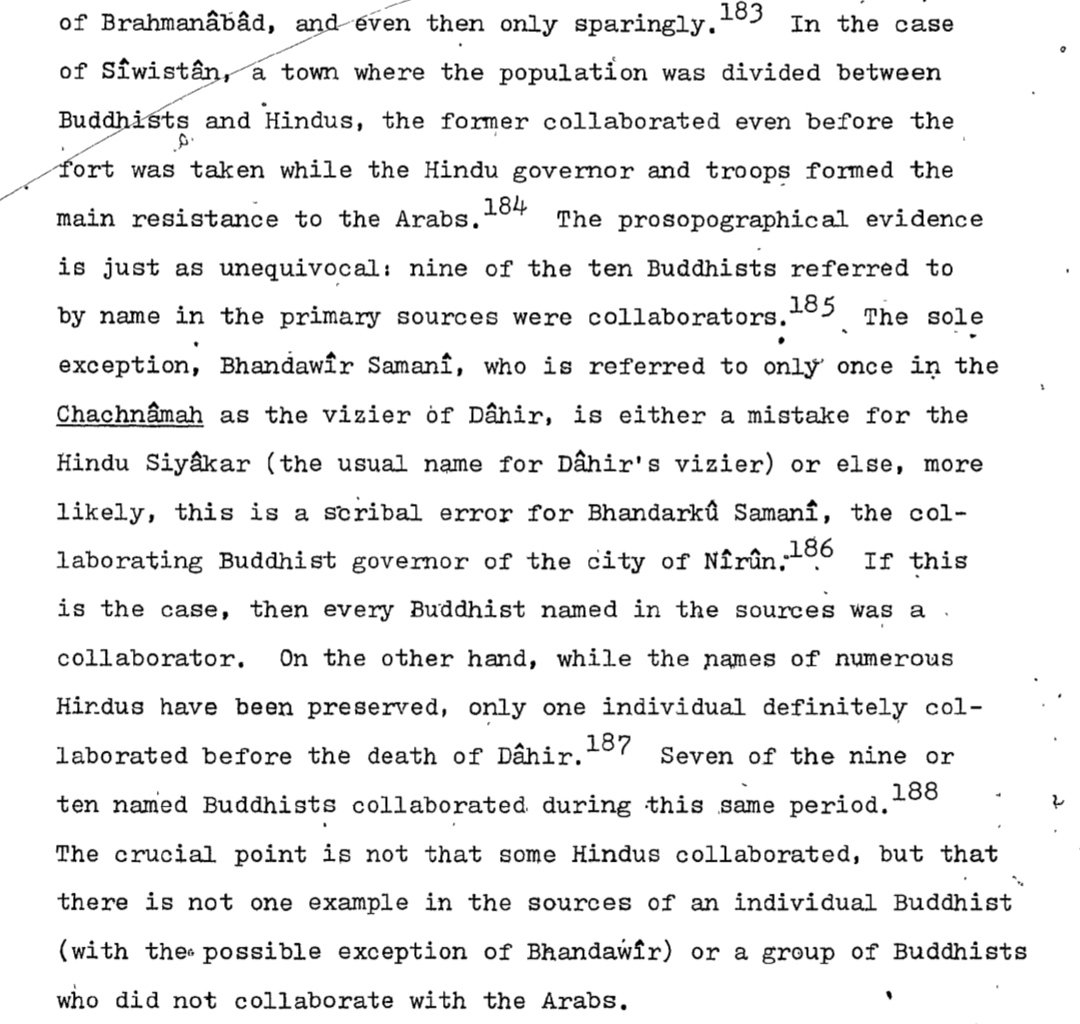
While it's generally accepted that Buddhists had collaborated with Arabs during the Islamic conquest of Sindh, the minute details are even much more jarring. In all primary sources, not a single Buddhist name appears to resist Islamic invasion, all of them are collaborators.
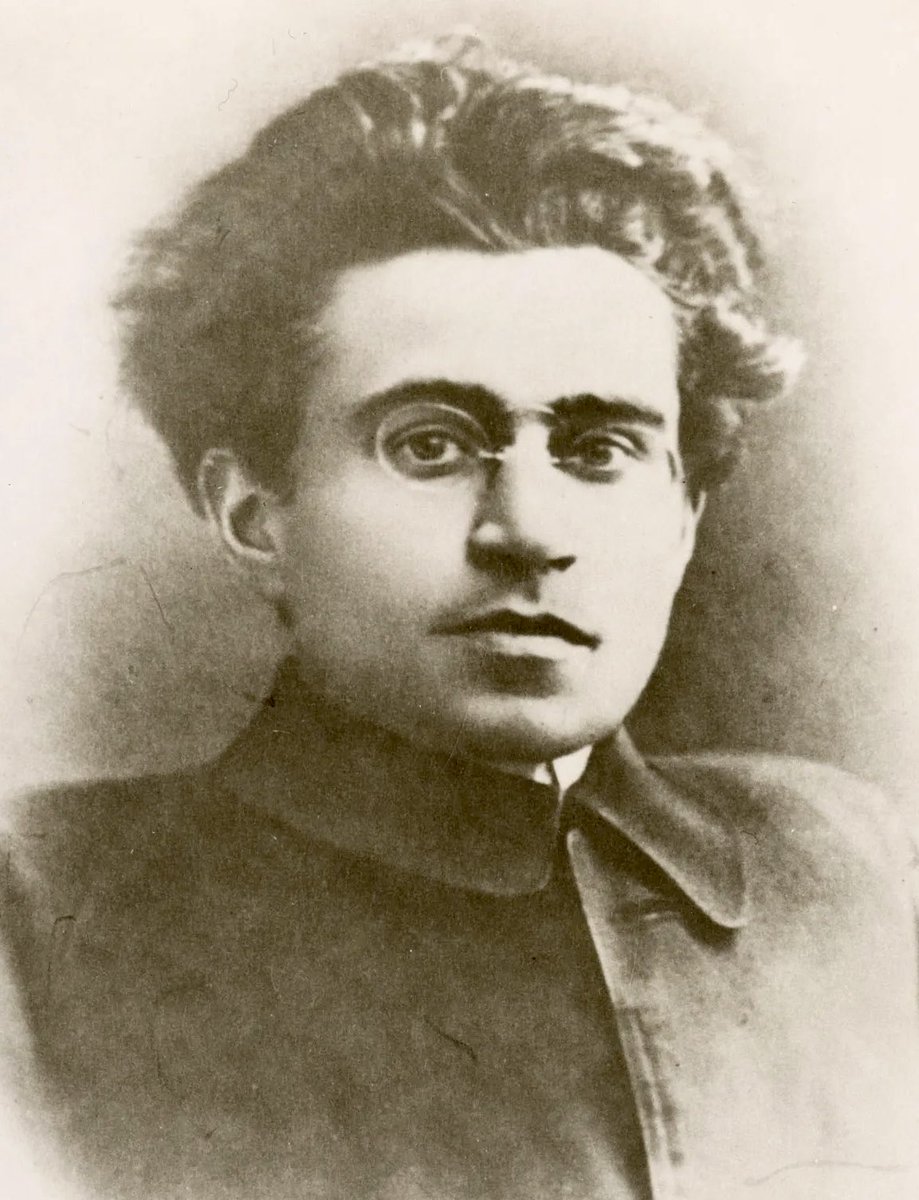
Antonio Gramsci – The Most Dangerous Intellectual of the Twentieth Century.
Not the most famous. Not the most read. The most dangerous and the most consequential – because he was the one who figured out why the revolution kept failing, and what to do instead. The man who invented the long march through the institutions.
Everything that followed — the Frankfurt School, the Fabian Society’s operational model, the WEF formation pipeline, the captured university, the HR department enforcing approved speech — is downstream of what he wrote in a prison cell in Mussolini’s Italy, in code, between 1929 and 1935.
1. His central question: why hasn’t it happened? The working class was supposed to rise. The contradictions of capitalism were supposed to produce the revolution. They hadn’t – not in the West. Gramsci’s answer was precise and devastating: because the ruling class does not maintain power through force alone. It maintains power through cultural hegemony – the control of the ideas, values, and frameworks through which people understand the world. The worker who accepts that the existing order is simply how things are will not revolt, regardless of his material conditions. The revolution requires cultural change first.
2. The instrument was the long march through the institutions. Not the barricade. The school, the university, the media, the judiciary, the civil service, the cultural establishment – every institution through which a civilization transmits its values to the next generation. Capture these, fill them with people who share the counter-hegemonic project, and the cultural assumptions that maintain the existing order gradually dissolve. No barricades. No visible moment of rupture. Just the slow replacement of one cultural hegemony with another.
3. The educational capture was the masterpiece. Control the curriculum and you control the categories of thought available to the next generation. Not by telling them what to conclude – by shaping what questions they think to ask, what they consider obvious and what they consider unthinkable. The generation educated after the long march does not need to be told what to think. It thinks what it was formed to think – and experiences that thinking as its own.
4. He also theorized the organic intellectual – the person who translates the theoretical framework into stories and assumptions that circulate through the culture without appearing ideological. The film that makes the existing order seem absurd. The journalist who frames every story within the approved assumptions. Gramsci understood that culture is politics by other means – and that the side that controls the culture wins, regardless of who wins the elections.
5. This is not a conspiracy theory. It is a published, documented, widely taught strategy that the left implemented consciously across the entire Western world. The 1968 generation put it into practice in the universities. They became the professors, the journalists, the civil servants, the judges, the HR directors of the decades that followed. The march took fifty years. It worked.
6. Mussolini’s prosecutor said at his trial: "We must stop this brain from functioning for twenty years." The brain did not stop. It produced thirty-three notebooks – smuggled out, published, and became the most widely read Marxist text in the Western academy after Marx himself. Gramsci died in 1937, six days after his release, at forty-six. He did not see the march he theorized. He did not need to.
7. Every captured institution, every transformed curriculum, every HR department enforcing approved speech, every content moderation policy suppressing the unauthorized voice – all running the program Antonio Gramsci designed in a prison cell, by a brain that was supposed to have been stopped. It wasn’t. And neither was the march.
Until now – because the distribution monopoly that made its outcomes enforceable is cracking. The counter-march has begun. It just doesn’t have a name yet.
A wife who thinks physical intimacy in marriage is unpaid sex and wants to get paid for it thinks of herself as no less than a whore. And a wife who thinks doing household chores is unpaid labor and wants to get paid for it thinks of herself as no less than a maid.