1. take a model and prompt e.g. "name this color: #D02027"
2. generate multiple outputs
3. score outputs
4. calculate group average
5. encourage outputs that beat the average
full version with interactive visualizations: https://t.co/roM8gxM9Rs
My dear front-end developers (and anyone who’s interested in the future of interfaces):
I have crawled through depths of hell to bring you, for the foreseeable years, one of the more important foundational pieces of UI engineering (if not in implementation then certainly at least in concept):
Fast, accurate and comprehensive userland text measurement algorithm in pure TypeScript, usable for laying out entire web pages without CSS, bypassing DOM measurements and reflow
I created an RL Glossary. Free, open source, puts everything in one place, made accessible, for training your own specialized LLM
https://t.co/WkL1yiSrI7
Introducing Texel Splatting: Perspective-Stable 3D Pixel Art
open source paper+code
Most 3D pixel art techniques (e.g. t3ssel8r, ProPixelizer) snap pixels to a screen grid, which only works with an orthographic camera
Texel splatting solves this for perspective cameras: first,
during movement, the fixed origin is snapped to a world-space grid
to make transitions smoother, blend from the previous cubemap with ordered dithering
the webgpu demo achieves 240fps on an RTX 4090, 40 fps on an iPhone 15
try it: https://t.co/JXAA9sLkGA
the scene is rendered from fixed-origin cubemaps. then, each cubemap texel is splatted to a world-space quad
each quad is expanded to fill disocclusion gaps
my favorite visual explainer I've made so far: SPECULATIVE DECODING
2-3x speedup on inference. but how?
1. draft quickly with a small model
2. accept/reject in parallel with a large model
full step-by-step explanation with ✨3D Animations ✨https://t.co/hJv3Cknjd1
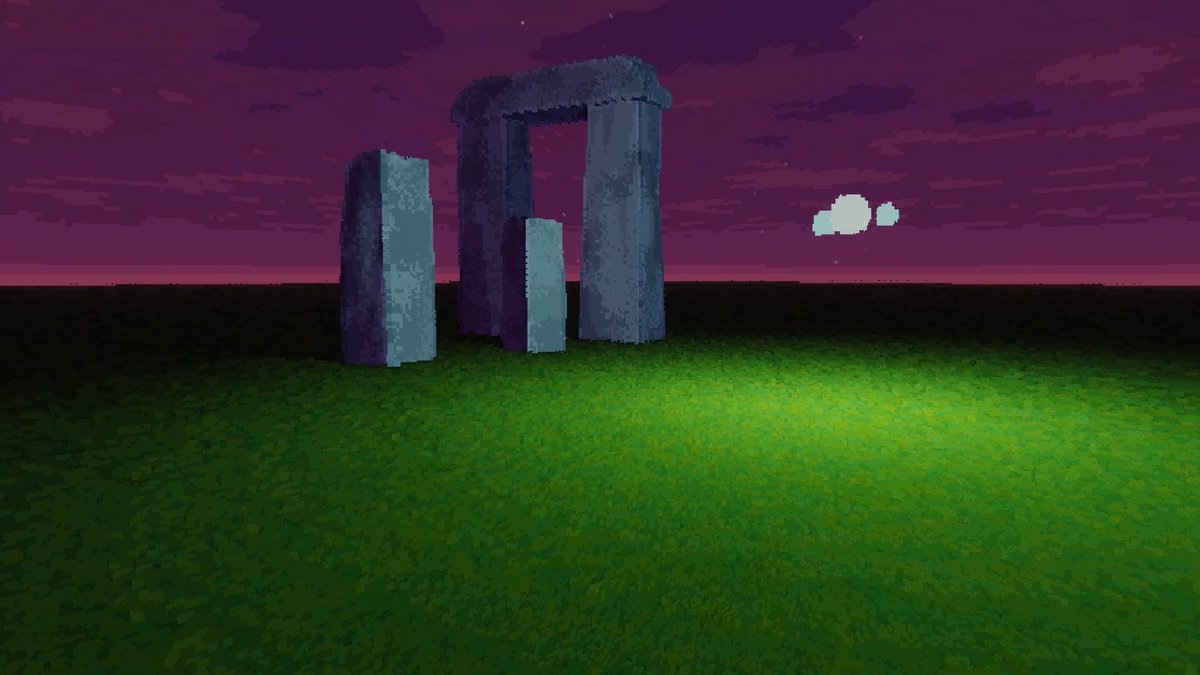
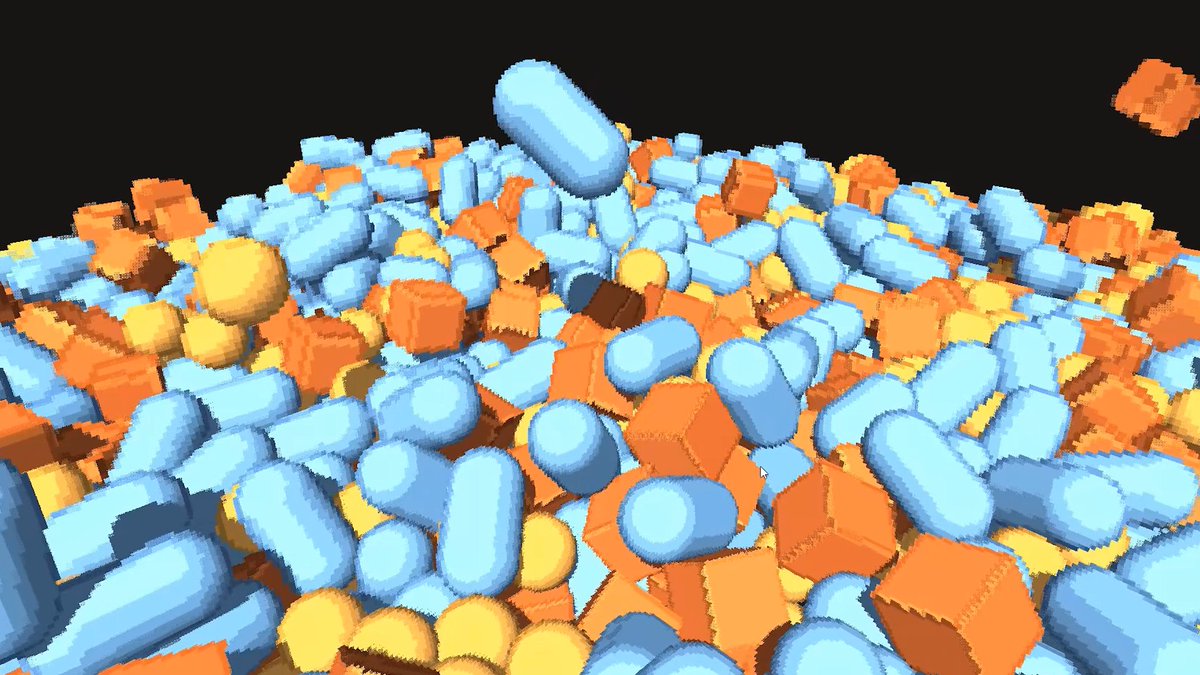
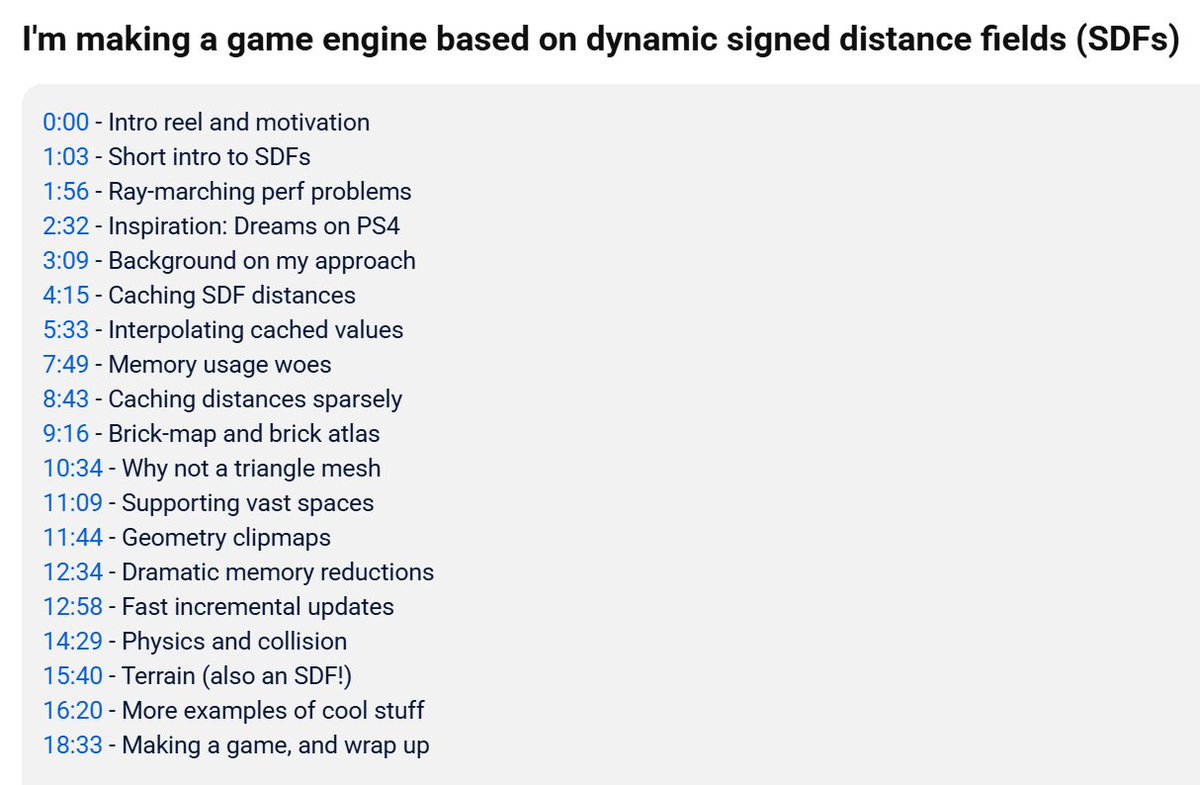
I just released my video about the engine (and game) I've been working on.
The engine is based on dynamic SDFs, and the video describes how it works and what it makes possible.
Link in the reply!
This is my first YouTube video and it took forever - please repost!
I'm experimenting with creating the best possible technical video explainer of attention, but in two modes
⬛ Hyperactive dark mode
⬜ Slower-paced light mode
which do you prefer?
i'm permanently replacing adobe in my workflow
i made this video entirely with code, mostly vibe coding, using my own ECS game engine that's built on three.js
it also doubles as an interactive visualization! written version coming soon