No time to read the paper? I made a short podcast so that you can learn about the study in 6 minutes: https://t.co/OSimqMU1qN
spoiler alert: it is made with AI tools NotebookLM
also spoiler alert: it is shockingly good!
🚀 Excited to share our latest working paper on how the recent advance in AI technology, specifically Machine Translation, is reshaping knowledge access across languages @dylanwalker
Link to paper: https://t.co/X7TYxAwp99
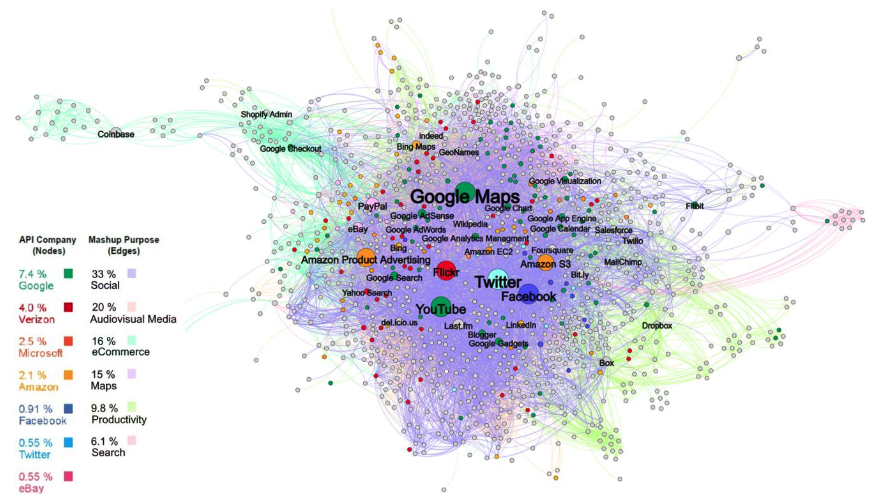
Network centrality increases firm value. Use APIs to let other firms connect and you become a hub of activity. https://t.co/vi3SDNAFJJ #socialnetwork#strategy#API#openness
Do you like Twitter and study antibiotic resistance? Well check out the latest from our lab, we explore the drivers of engagement with AMR content on twitter and reveal how the wording and length of your paper title can https://t.co/c4rkNTEEEI
Platform monetization and unintended consequences for digital cultural markets. Kai Zhu provides an Interesting discussion about how Goodreads efforts to monetize their platform affected the diversity of book discovery.
Informative plot showing between- and within-topic polarization in Covid-19 coverage on Fox News vs. MSNBC from Jan.-April 2020!
From brand-new @journalqd article by @MashaKrupenkin @DavMicRot@dylanwalker@kaizhu717
ICYMI: HIC Director @EKolaczyk & a team of former Junior Faculty Fellows including @dylanwalker@archimedino & Konstantinos Spiliopoulos will develop coevolving network models to examine polarization in online communities as part of a new @NSF award! Congrats to all! @BU_Tweets
Honored to receive @Wikimedia Wikimedia's Research Award of the Year for our paper with @kaizhu717 and @LevMuchnik on addressing info poverty on Wikipedia. For details about the work, see here: https://t.co/jfyea8dlbT
[🚨New Paper Alert🚨]
How can we alleviate knowledge disparities and information poverty in open collaboration platforms like Wikipedia?
Our new paper with @kaizhu717 and @levmuchnik on this question is now published in Information Systems Research (1/7)
https://t.co/gwBazxSlYJ
Anti-China Propaganda has serious consequences. People got killed because of it.
It not only exists in extreme voices, our mainstream media and elite narratives are actively engaged with it.
We need a broader reflection than just say Asians in America should not be harmed!
@morganisawizard Seems crazy, right? Turns out it might not be. Academic research has shown potential of crowdsource-based approaches to misinfo (e.g. https://t.co/9J7rDKftup, https://t.co/TDZWuZIEaA ) and we’ve also seen positive signs in early testing.
New working paper w/ @MashaKrupenkin @dylanwalker@kaizhu717 explores media narratives in 1st 100 days of COVID https://t.co/NpJacnNi6j. Even in heart of crisis, mainstream media has latitude to *choose* both topics & frames of news, thus control what we think is important & true
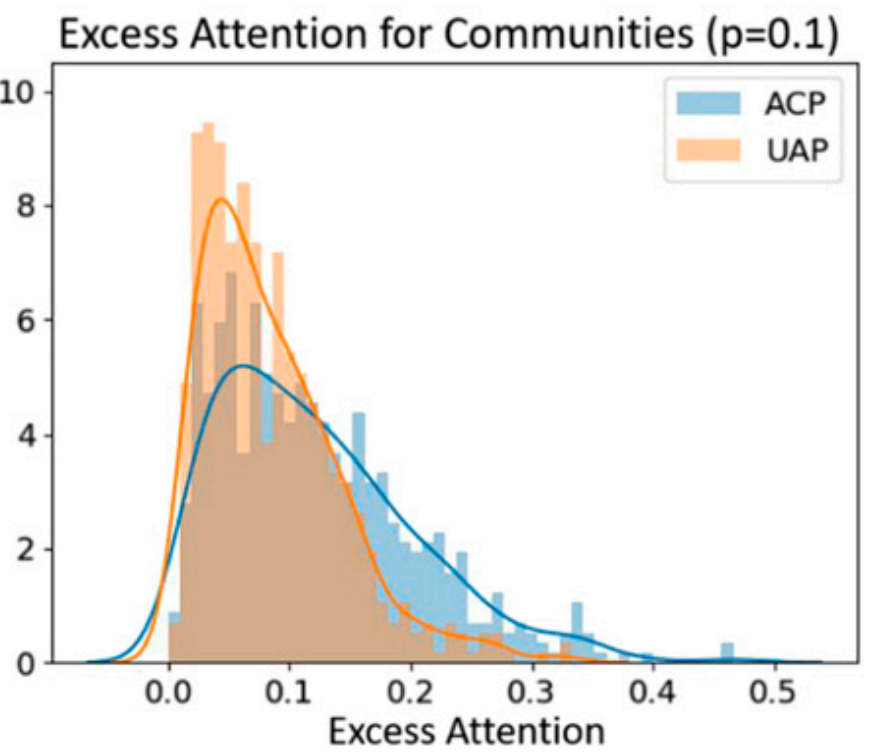
Using a simulation that is calibrated with real-world link traffic of the Wikipedia network, we show that an attention contagion policy (ACP) can lead to as much as a twofold gain in attention relative to unguided contributions (UAP). (7/7)
[🚨New Paper Alert🚨]
How can we alleviate knowledge disparities and information poverty in open collaboration platforms like Wikipedia?
Our new paper with @kaizhu717 and @levmuchnik on this question is now published in Information Systems Research (1/7)
https://t.co/gwBazxSlYJ
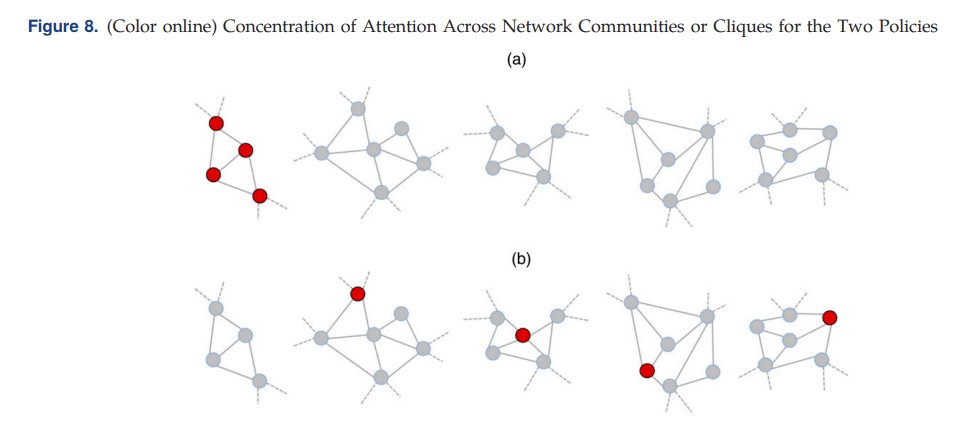
To leverage this, we propose an attention contagion policy, which focuses editorial attention coherently on impoverished regions, as opposed to an unguided attention policy. (6/7)