Guys, this is very serious and you have to read this right now. The Riemann Hypothesis may have just been solved, and if the claim holds, it's an insane achievement.
In mathematics there is a famous problem called the Riemann Hypothesis, and it's about prime numbers. Primes are numbers like 2, 3, 5 and 7 that can only be divided by 1 and themselves. Every other number is built by multiplying them together, so they're the building blocks of all numbers. You can never tell exactly where the next prime will show up, but if you step back, there's a pattern.
Around 1,000, about 1 in 7 numbers is prime. Around a million, about 1 in 14. Around a billion, about 1 in 21. Primes get rarer at a steady, predictable pace.
Because of that pattern, mathematicians can estimate how many primes there are below any number. But the estimate is never exactly right. It's always a little off, and the big question is how far off it can get. Think of flipping a coin 1,000 times. You expect 500 heads, but you'll get something like 480 or 520. It's a little off, but never wildly, and you can predict how far off it will be.
In 1859 a mathematician named Bernhard Riemann found that the prime estimate's error isn't random. It's controlled by a hidden set of special numbers. Where those numbers sit decides how big the error gets. Riemann guessed that every single one of them sits on one straight line. If he's right, the error always stays small, just like the coin, and primes are as orderly as they could possibly be. If even one of those numbers is off the line, the error can grow much bigger, and primes are far messier than we think.
So far computers have found trillions of these special numbers, and every single one is on the line. But there are infinitely many, so checking will never be enough. You need a proof that covers all of them at once. For 167 years nobody has found one. It's one of the seven hardest unsolved problems in mathematics, with a million dollar prize attached.
Now a mathematician has posted a note saying that, working with Claude, he believes he has that proof. He says a computer has already checked every step, and that Claude raced ahead of him near the end. Experts still need to confirm it, but this isn't a random internet claim.
If it holds, it doesn't mean we can predict every prime. It means we finally know the pattern can never go wildly wrong. Thousands of math papers that begin "assuming the Riemann Hypothesis is true" become proven fact overnight. We'd also get firm limits on how far apart primes can be, and a guarantee that a fast method for testing whether a huge number is prime always works. And no, your bank account isn't in danger. Online security depends on how hard it is to break a huge number into its prime factors, and this proof doesn't make that any easier. If anything, it gives the math behind encryption a stronger foundation.
If it holds, this is bigger than one math problem. A question that beat the greatest minds in history for 167 years would have been cracked by a human and an AI in a matter of weeks. If AI can find answers and computers can check them, the limit on science is no longer how smart we are. It's how many good questions we can ask.
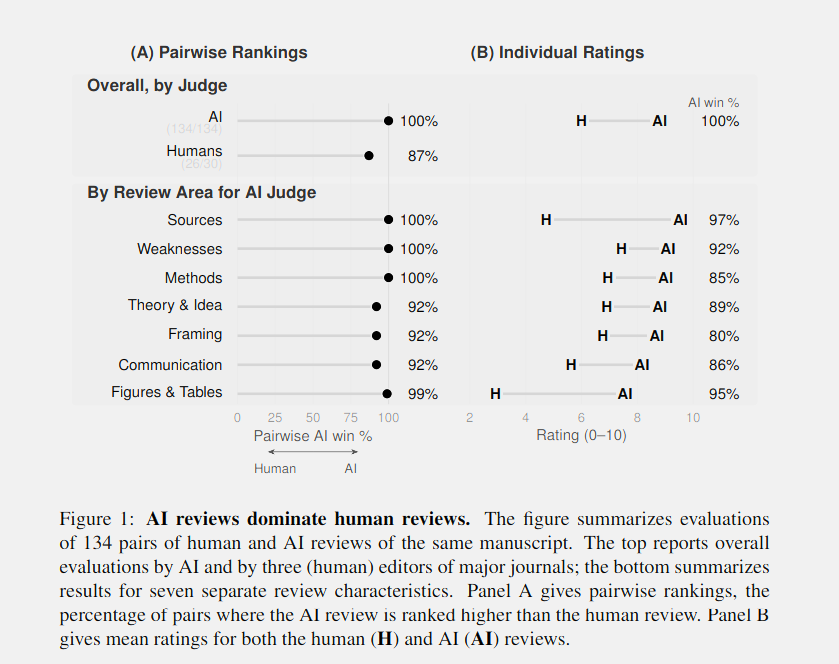
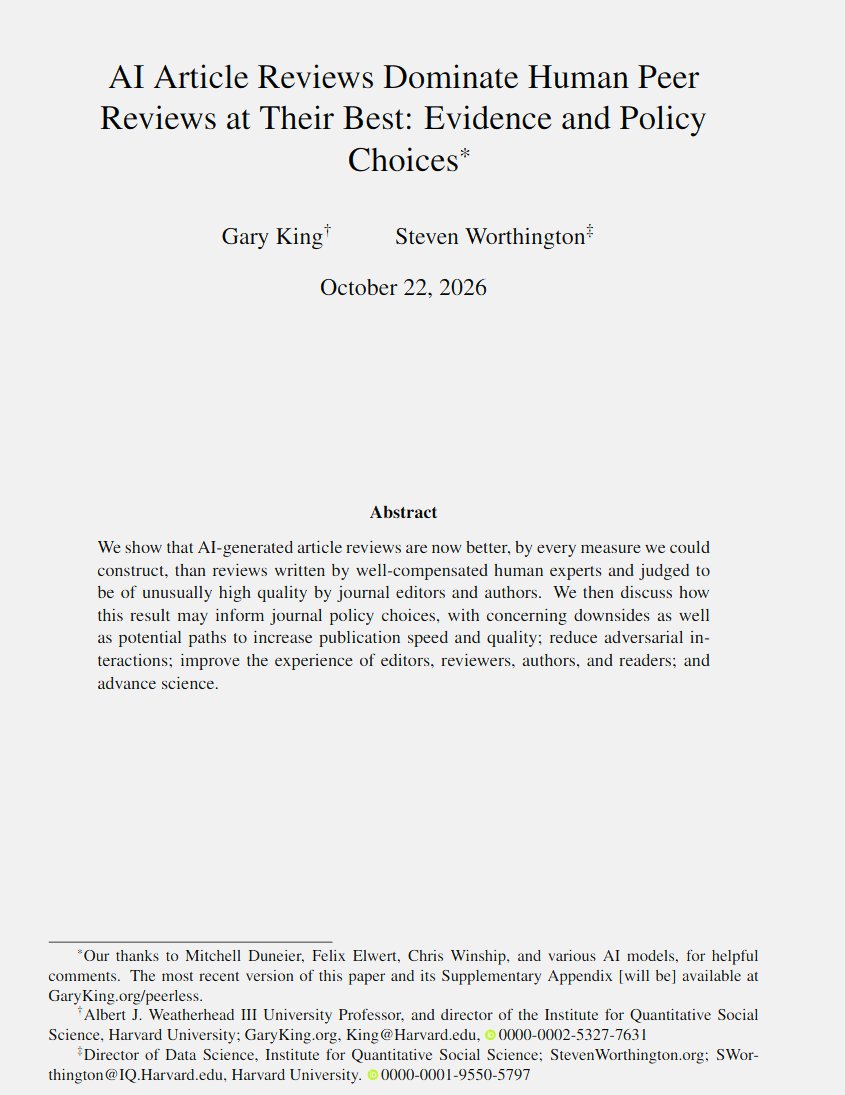
By every measure, Opus 4.8 beats human experts as peer reviewers in a study of 124 Harvard social science papers covering a range from statistical analyses to formal models to qualitative work.
As academics, we need to figure out how to adapt the practice of science to AI, fast.
@dhh GDPR doesn't say "no personal data ever". It says there must be a lawful basis and a **legitimate purpose**.
Sharing the name of classmates is totally legitimate in that case.
Schools often over-interpret GDPR.
Voici le replay de notre atelier "Trouver un job au Canada" avec Philippe Zinser de @moovejob. Au menu : différences sur le #CV, la lettre motivation, processus de #recrutement, etc.
🇨🇦A ne pas manquer si vous préparer votre #expatriation au #Canada !
👉 https://t.co/EfON1JJZ2e
Décès de Barbara Ehrenreich, pionnière des récits undercover avec Nickel & Dime (récit de sa "survie" au salaire minimum). Une plume engagée et très précise dans ses analyses.
J'avais fini son autobiographie il y a quelques semaines, ça fait bizarre.
https://t.co/YZT1yKKNeA
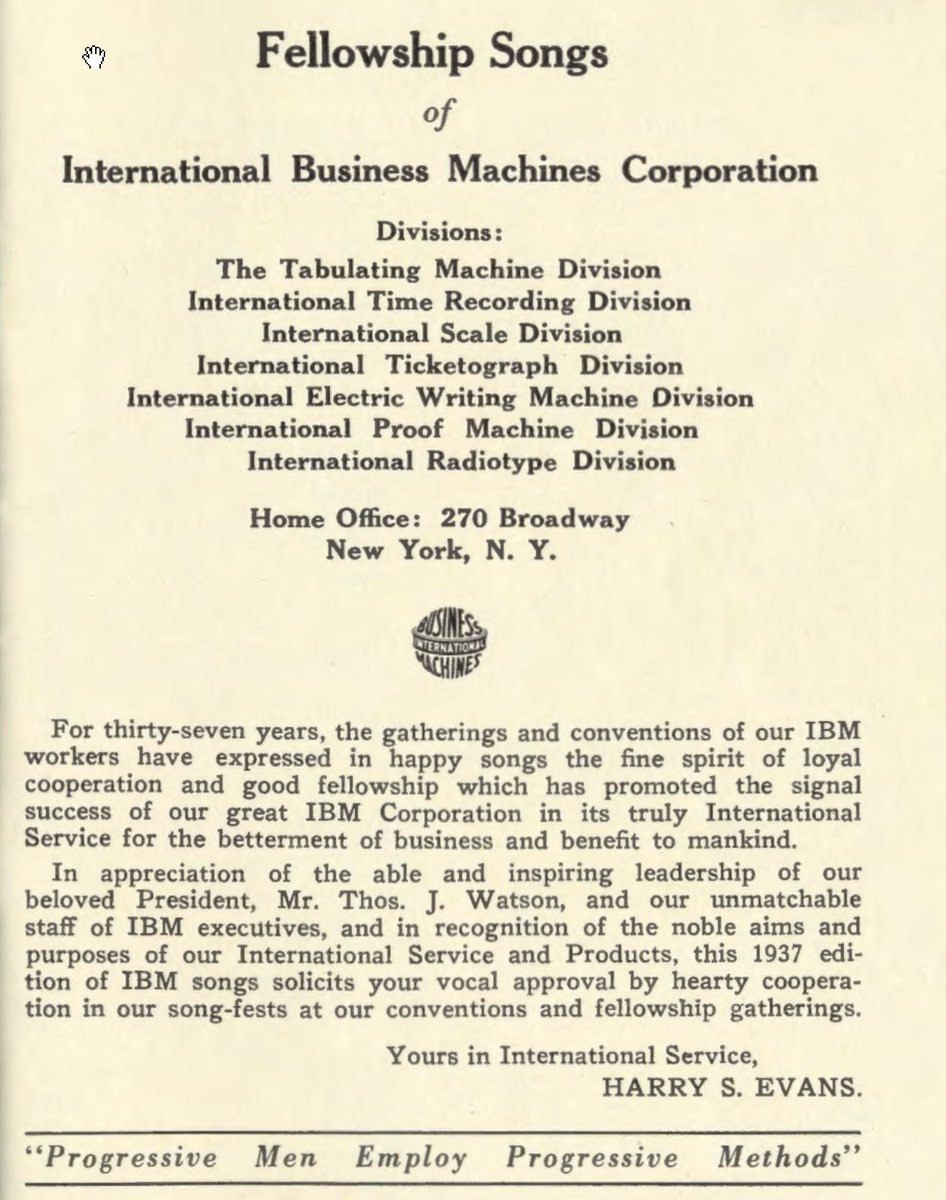
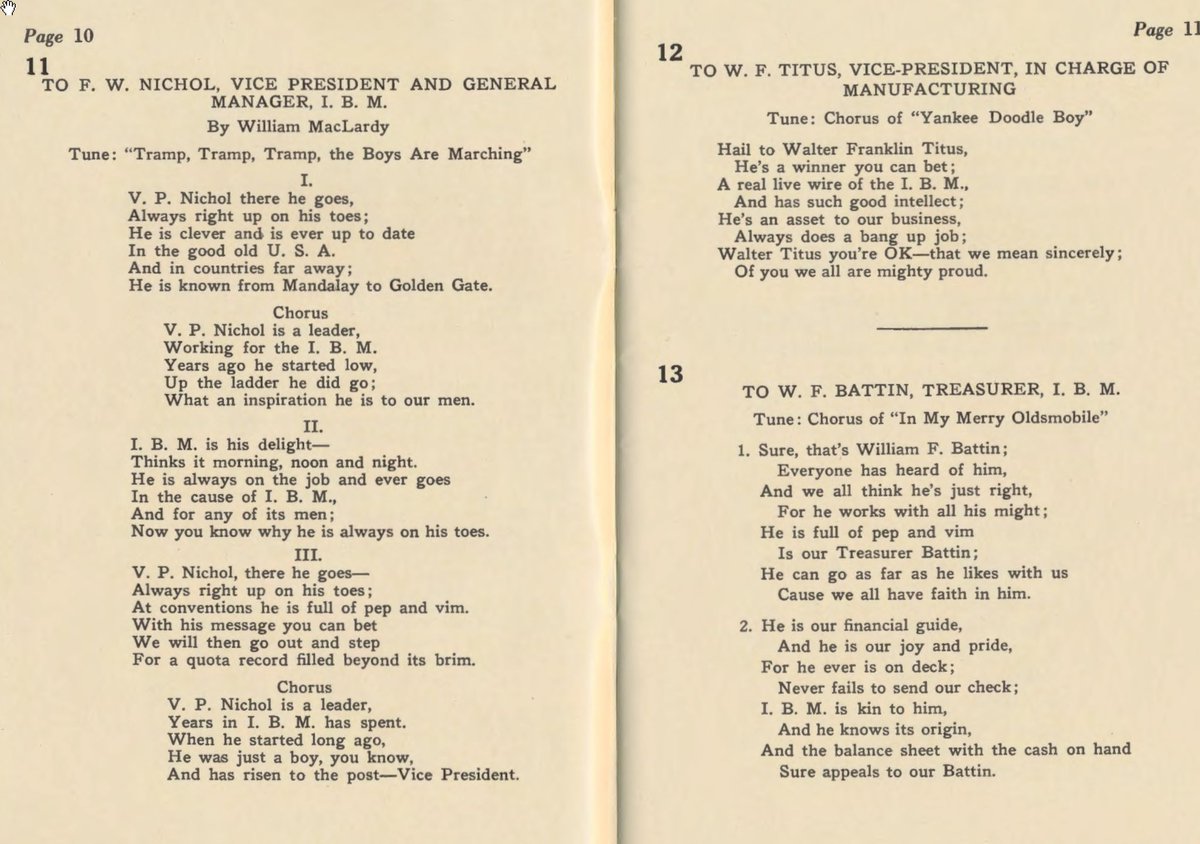
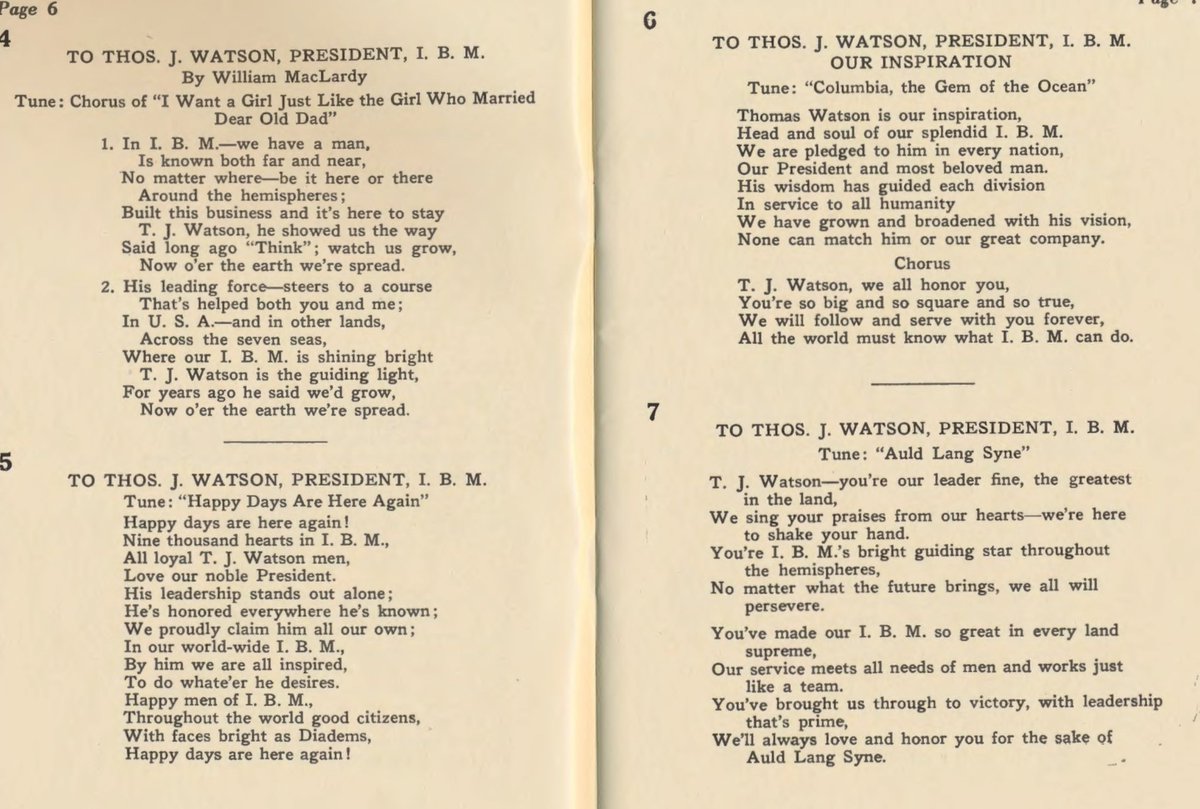
Corporate culture used to be far weirder. Look no further than corporate songs of the 30s. The IBM songbook has pages of songs in praise of the president of IBM (and the corporate treasurer of IBM!).
Here is a fascinating academic article on the songbook: https://t.co/l3Ed4V9mR6
Pour les nerds de la prise de note et de l'organisation de l'information, un évènement qui peut être pas mal ! (Evernote, Roam Research, Obsidian, Notion, Zettelkasten, Second Brain, tout ça)
En ligne, gratuit, sur 4 jours
Ici : https://t.co/xFaCFnolxM
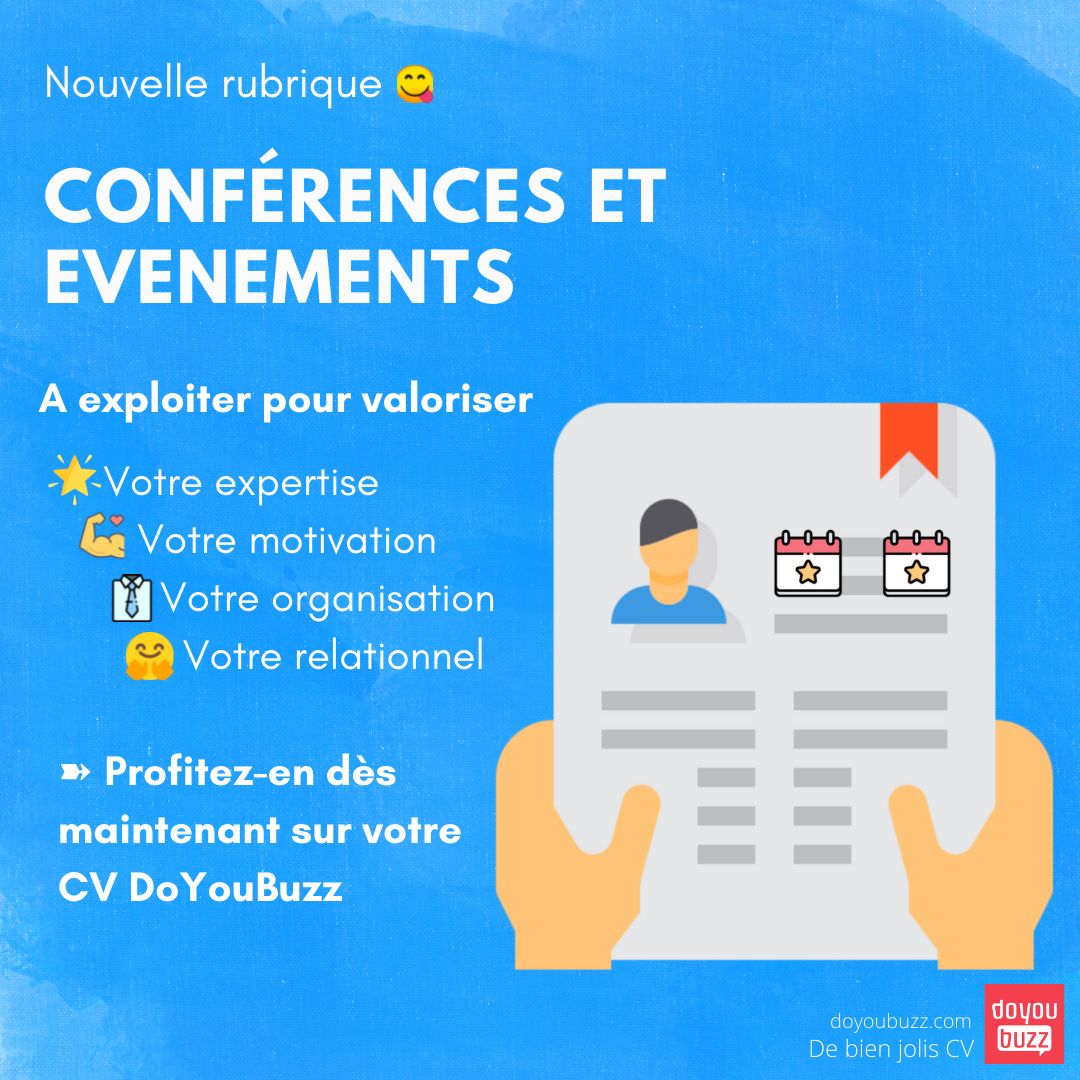
🥳 Nouvelle rubrique sur DoYouBuzz ! ✌️
Désormais, vous pouvez ajouter les "Conférences et évènements" auxquels vous avez participé (en tant qu'intervenant, organisateur, bénévole, participant...)
Les détails sur le blog 👉 https://t.co/yXt3FEFv1W
Le management par les algorithmes
(imagine ton pire petit chef qui te souffle à l'oreille ce que tu dois faire avec une voix de robot 😱 ... et en plus il est infatigable)
https://t.co/JnK7vDJJL0
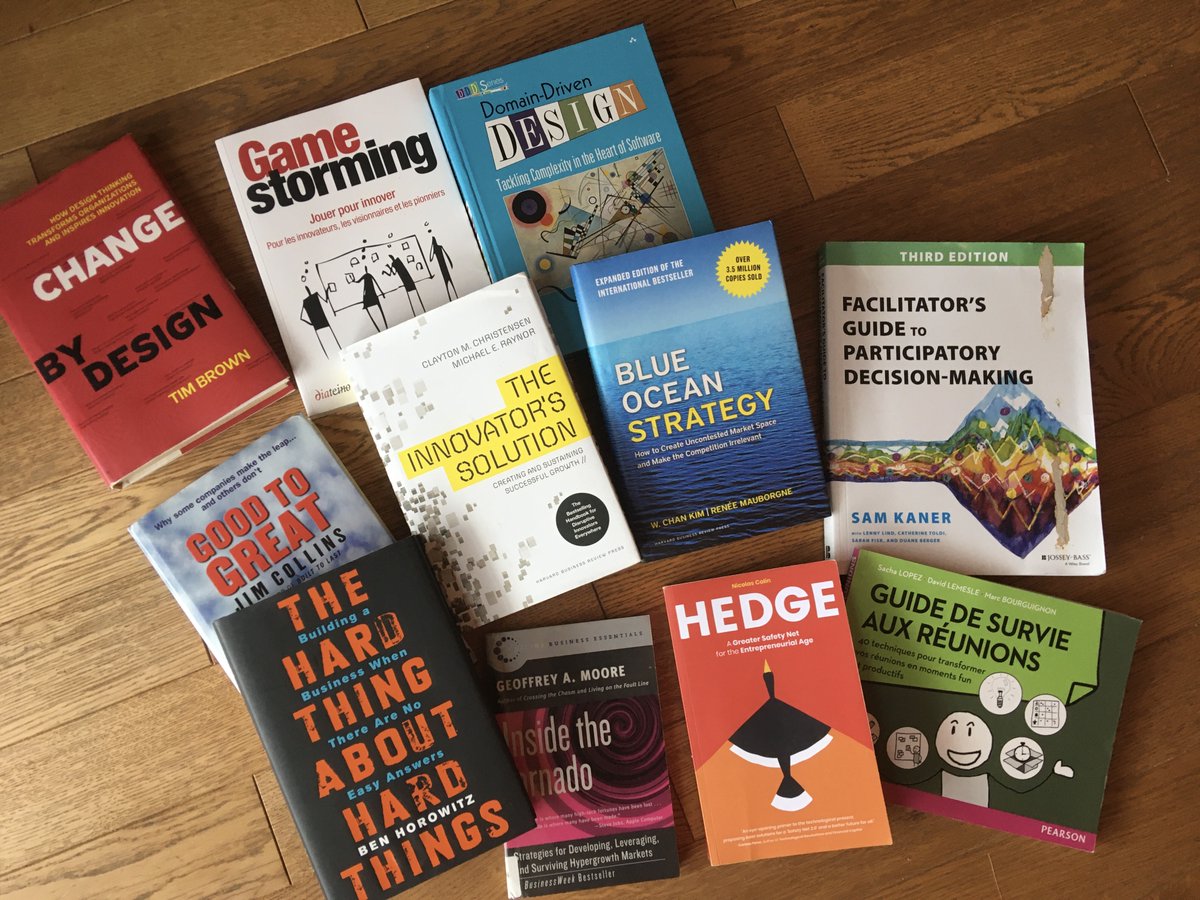
Je fais le ménage ! Ces livres intéressent-ils des gens ou des boîtes ? (je peux donner sur Nantes).
Ils sont tous cools — sauf les 2 en bas à gauche que je n'ai pas lu donc je ne sais pas
(ah et je préviens, vous aurez parfois en prime des petits annotations de ma part 🤓)
"The major atrocities of the twentieth century were carried out largely either by men who thought they were creating a utopia or else by men who believed they were defending their homeland or tribe from attack."
Let's look at Europe now:
Southern Europe --> Full of mountains
Northern Europe --> Full of plains and navigable rivers
You don't need a genius to guess which one will eventually be richer.
Remember that when Northerners accuse Southerners of sleeping the siesta & partying