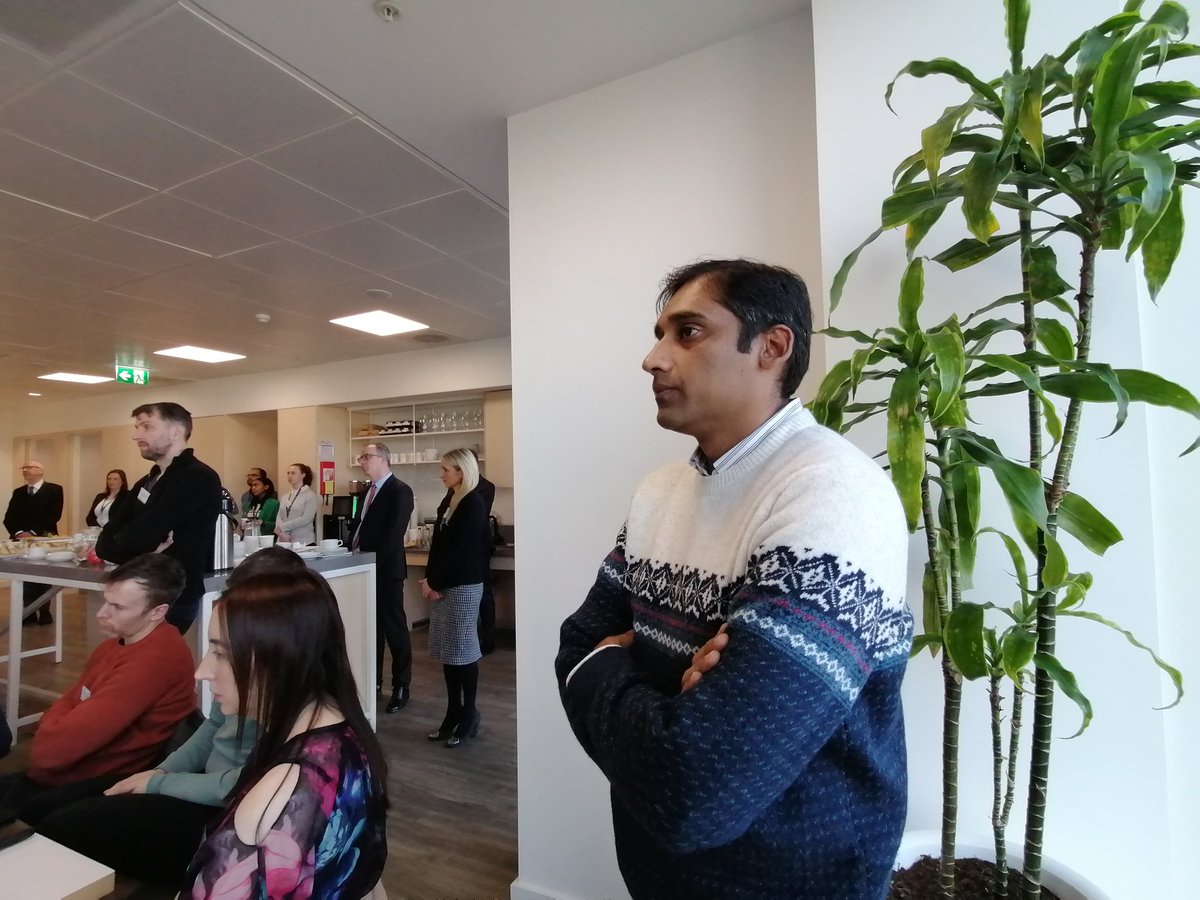
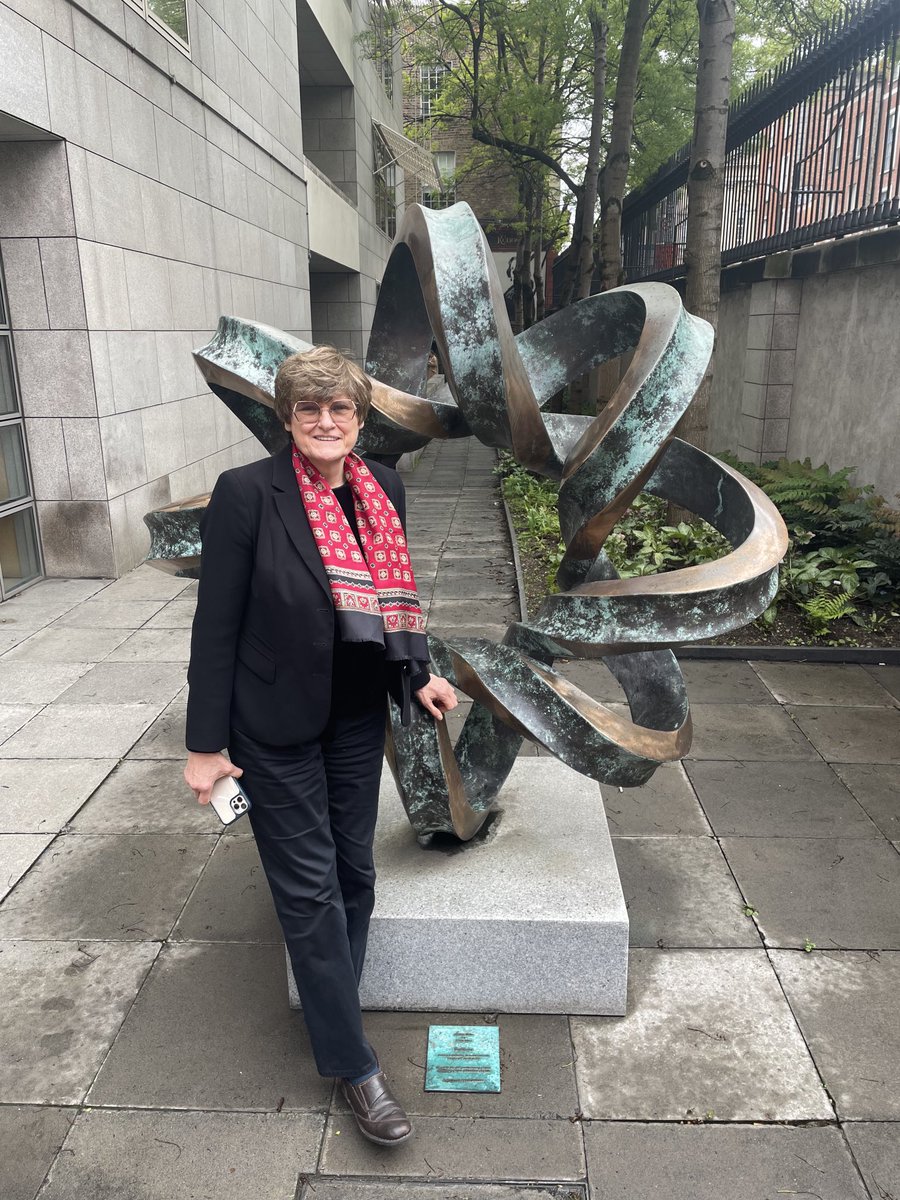
Amazing and well deserved recognition for @kkariko being awarded the @NobelPrize today. What an honour it was to host her this year in @tcddublin @tcdgenmicro. An inspiration for future scientists!
South Australia went from 1% renewables in 2007 to 68% in just over 15 years. It's on track for 100% renewable energy by 2030.
It can be done.
We have the solutions. Implement them. #ActOnClimate#climate#energy#renewables#solar#wind
This review article provides a comprehensive and concise introduction of the pathways between climate change and human health and possible solutions, which may map directions for future research.https://t.co/tUbAfMDGGU
Rice roots take up Pb via the OsNRAMP5 transporter, and knockout of this gene greatly reduces Pb accumulation in the rice grain. Read the research in ES&T: https://t.co/rKVG5v185S
New study reports 20 #microplastic particles comprising 5 polymer types in 4 of 5 *HUMAN* vein tissue samples with an unadjusted mean of 29.28±34.88 MP/g of tissue (expressed as 14.99±17.18 MP/g after background subtraction, some level of contamination).
https://t.co/c5EGlaSs4Q
Fibers shed while laundering synthetic fabrics are a major source of ocean microplastic pollution. According to a recent study, hand washing these fabrics reduced the number and mass of microplastics released compared with machine washing. @EnvSciTech https://t.co/0rmYT4yzpQ
In the last 20 years the amount of #microplastics on the seafloor have tripled. Recent research published in ES&T shows their accumulation correlating with the increasing amount of plastic products used by society #ACSintheNews#Plastic
Learn more:
https://t.co/CP07CnuFXY
The prevalence of allergic diseases, such as asthma, rhinitis, eczema, and sick building syndrome (SBS), has increased drastically in the past few decades.
https://t.co/vJuLlIakbS






![environment_eco's tweet photo. [EEH Volume 2 Issue 2] is available online!
https://t.co/BfPPqMy1YZ https://t.co/kULu2fJPou](https://pbs.twimg.com/media/F1hx8OjaAAEEr5Y.jpg)