Are you a patient who has undergone or is undergoing cancer treatment? If so, our ecancerpatient website can provide you with patient-friendly videos to inform and empower you. Visit our site: https://t.co/0y4kzTCsvc #patientempowerment#cancereducation
Did you know? We have dozens of videos available in Spanish! Check out this video on ‘Learning to communicate with the healthcare team’ from our Oncological Patient Communication module.
📺 Watch now and explore more resources in Spanish! https://t.co/cebmyjvsiS
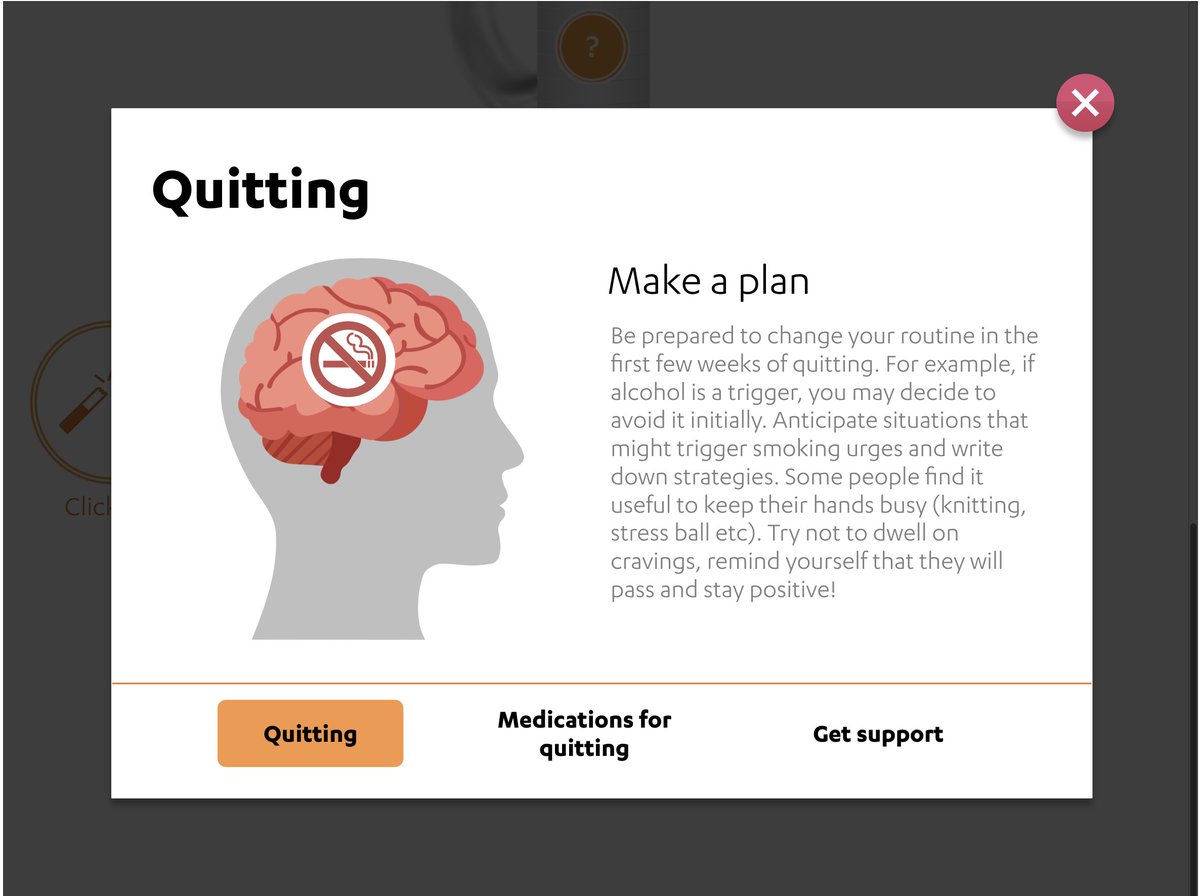
Looking for advice on how to stop smoking? Check out our interactive infographic on tobacco—it’s packed with useful facts, tips, and information to help you on your journey to a smoke-free life.
https://t.co/qlTAxQcJJY
Patients taking bisphosphonates, denosumab, or certain targeted therapies to manage bone loss or cancer spread to the bones are at higher risk for MRONJ. Learn more in our patient guide on MRONJ. https://t.co/IMwOtYzzty
Did you know? Many cancer cases are preventable.
Smoking is the biggest preventable cause of cancer, but other lifestyle factors also play a role, including:
🍔 Diet
⚖️ Obesity
☀️ Sun exposure
🏃 Lack of exercise
🍷 Alcohol consumption
https://t.co/EImbuOLmTn
Did you know? Biosimilar medicines deemed ‘interchangeable’ undergo rigorous scientific testing to ensure they are just as safe and effective as the reference product. Explore our free e-learning module on biosimilars today, available in 5 languages! https://t.co/o06y0ftguV
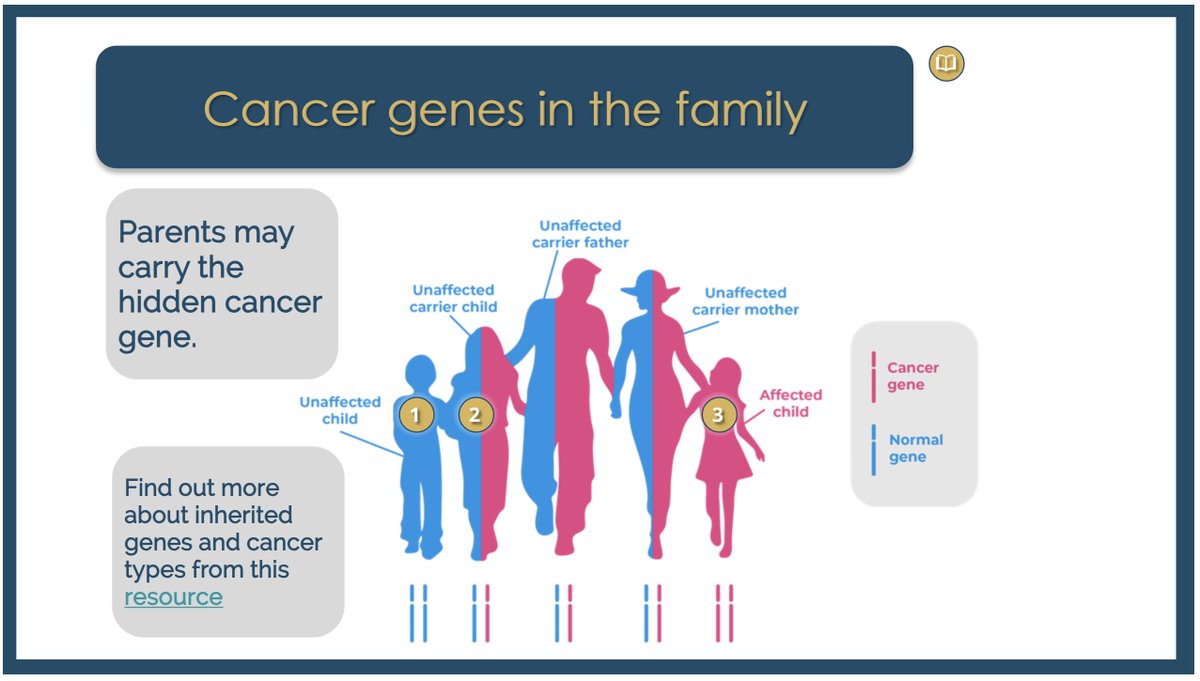
If a cancer-related gene runs in your family, it doesn’t mean every child will inherit it.
Understanding your family history can help you make informed health choices. Learn more in our module on genetics and genomics, available in multiple languages https://t.co/FQ4ElPlFBc
Explore our interactive infographic to learn:
🧠 How tobacco addiction develops in the brain
✅ Tips and strategies to help you quit
📊 Key facts about smoking and your health
Knowledge is power—take the first step toward a smoke-free future today! 💙
https://t.co/RLU24rVONz
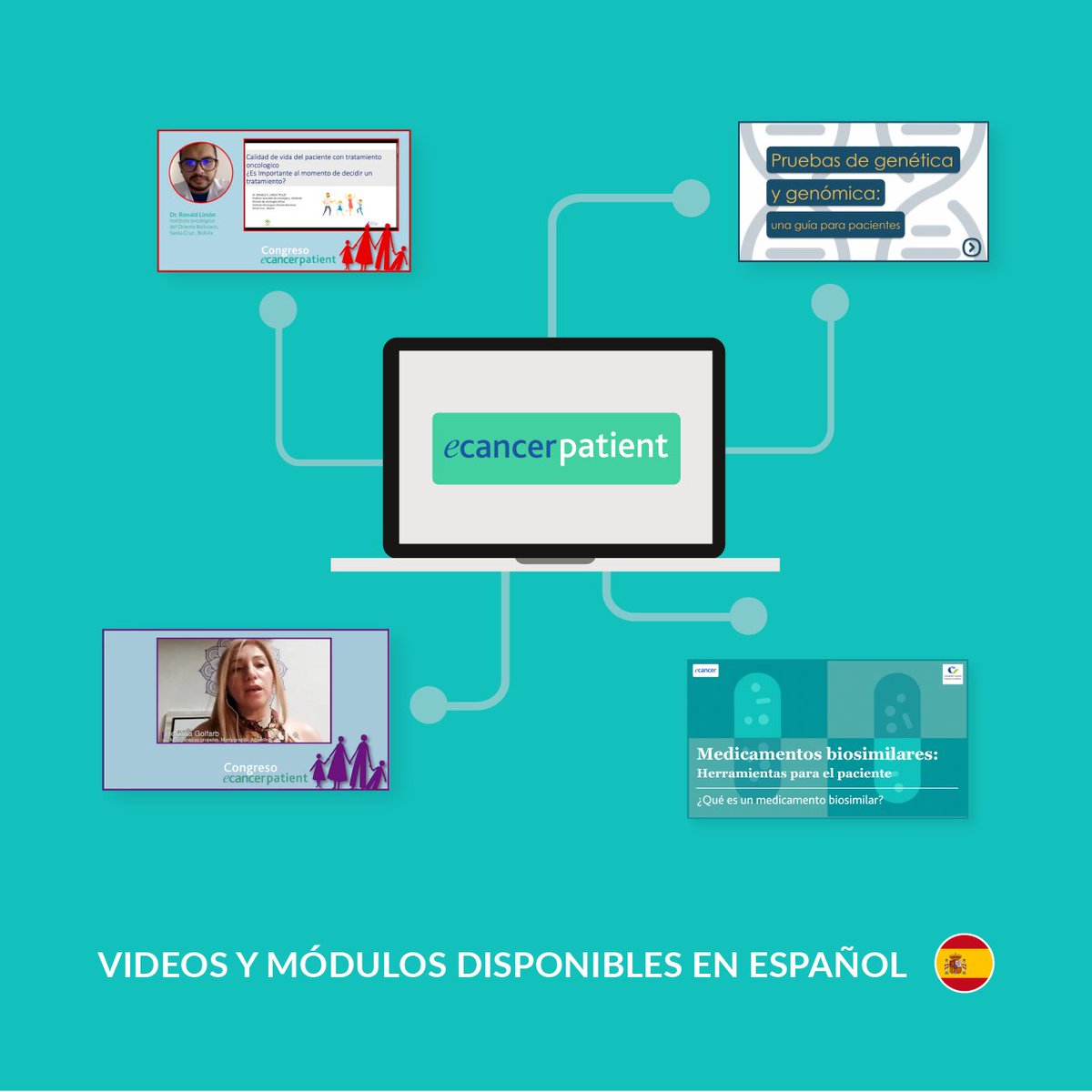
We have a wide range of modules and videos available in Spanish to support you on your cancer journey!
From patient guides on genetics and genomics to dozens of videos offering expert insights from oncology specialists—there’s something for everyone.
https://t.co/92bTiqkD4P
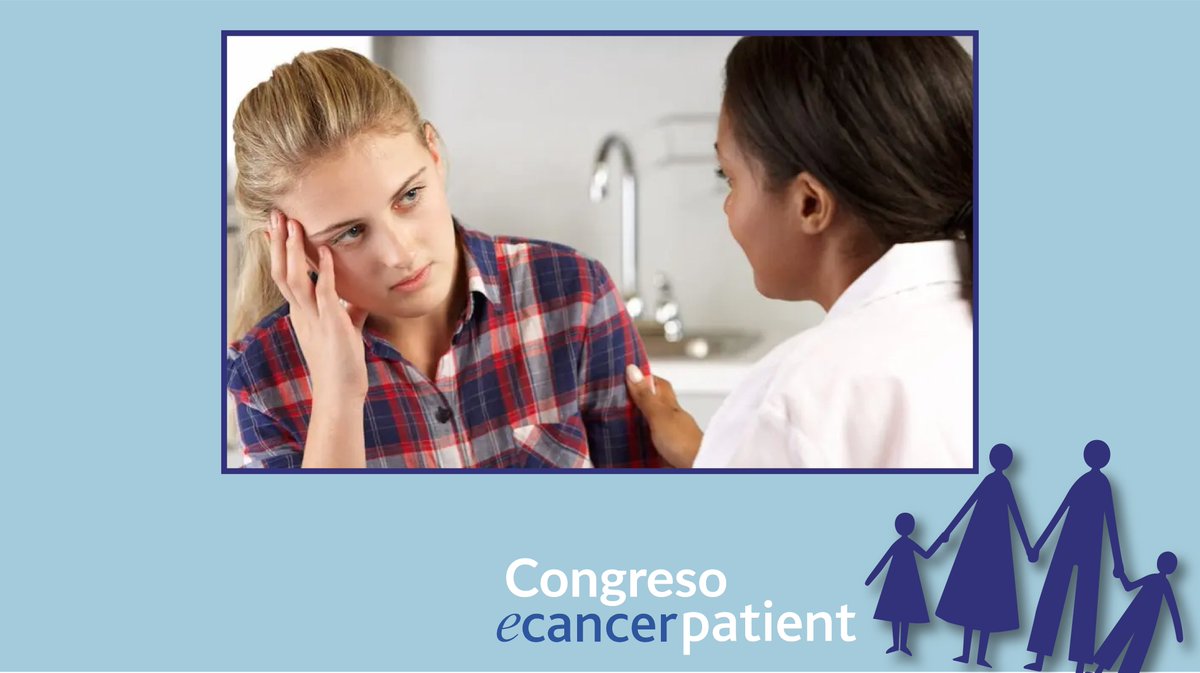
Cancer affects us physically, psychologically, and emotionally. Our psycho-oncology module from the ecancer Patient Congress covers the psychological impact of cancer for all ages, including adolescents and older cancer patients. Available in Spanish https://t.co/dmZnhNYhcP
Learn about MRONJ and what you can do to prevent it with our patient guide https://t.co/tqVuVFh6Tk
Stay proactive about your oral health #CancerCare#OralHealth#MRONJ
Exciting news! Videos from Congreso ecancerpatient I and II (En español) will be available to watch soon. Focusing on vital topics like psycho-oncology, prevention, diagnosis, communication and much more. Watch the first video 👉 https://t.co/wyMhlnvOcI
Check out our new microlearning module on Medication-Related Osteonecrosis of the Jaw (MRONJ). https://t.co/eJeF45maF7
This comprehensive patient's guide offers valuable information to help you understand and manage MRONJ effectively. #MRONJ#Microlearning
Make informed decisions about your cancer treatment and care. Explore our free, patient-friendly videos and resources here: https://t.co/0y4kzTCsvc #cancereducation
When genes are damaged in some way (mutated), this can lead to the development of a genetic disease. Learn more about the function of genes with our #elearning on Genetics & Genomics, designed specifically for patients. https://t.co/WAF52g6805 #patienteducation
Our Genetics and Genomics interactive #elearning module is available in English, French, Italian, German and Spanish. Follow the link to access all languages: https://t.co/Pnz2UpSgdE #educationsaveslives#genetics
Did you know that biologic medicines might sometimes be referred to as 'reference products' in the context of biosimilars? Brush up your knowledge of biosimilar medicines with our online course: https://t.co/UgrbpwiemT #biosimilars#biologicalmedicines#patienteducation
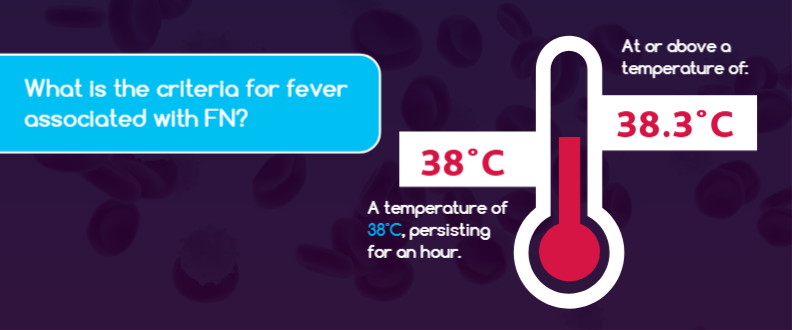
Cancer patients must monitor their temperature carefully at home. A temperature above 38.3°C is an indication of febrile #neutropenia(FN). Learn about the management of neutropenia in cancer patients with the free module: https://t.co/QMg08bpcpq #cancerrecovery#cancerawareness