Elle a enfermé ses enfants dehors — puis est retournée dans les flammes.
Dans la nuit du 3 septembre 2019, à Edsbyn en Suède, Emma Schols entend des cris venant du rez-de-chaussée. Ses deux plus jeunes fils, Albin (4 ans) et Oliver (3 ans), étaient descendus jouer… mais le salon était déjà en feu.
En quelques instants, la fumée envahit tout.
Emma parvient jusqu’à eux, se jette sur ses enfants pour les protéger, et les pousse vers la sortie. Quand la porte s’ouvre, l’oxygène alimente brutalement l’incendie. Elle sent son dos brûler. Malgré tout, elle réussit à mettre ses deux fils dehors, en sécurité.
Puis elle fait un geste inattendu : elle verrouille la porte de l’intérieur. Non pas pour se piéger elle-même, mais pour empêcher ses enfants paniqués de rentrer dans la maison en flammes.
Quatre autres enfants sont encore à l’étage.
Emma monte. L’escalier est déjà en feu. La chaleur est insupportable, ses pieds commencent à fondre sous elle, mais elle continue. Une pensée la maintient debout : ses enfants.
En haut, elle découvre que certains ont réussi à s’organiser. Sa fille de 9 ans a sauté du balcon pour aller chercher de l’aide, son fils de 11 ans a installé une échelle pour aider les plus jeunes. Mais il manque quelqu’un.
La petite Mollie, 1 an.
Elle est encore à l’intérieur.
Malgré les supplications de ses autres enfants, Emma redescend dans l’incendie. La fumée est si épaisse qu’elle ne voit presque plus rien. Ses poumons lâchent. Chaque mouvement devient un effort extrême.
Et pourtant, elle avance.
Elle trouve finalement le bébé dans son lit, en train de pleurer. Elle rassemble ses dernières forces, se relève et la prend dans ses bras. Puis elle remonte jusqu’au balcon et descend avec elle grâce à l’échelle.
Une fois au sol, son corps s’effondre.
Tous ses enfants sont vivants.
Emma a subi des brûlures sur 93 % du corps. Les médecins estiment ses chances de survie très faibles. Elle subit de nombreuses opérations et des mois de rééducation. Avant de perdre connaissance, elle avait simplement demandé : « Mes enfants sont-ils vivants ? »
Oui. Tous.
Le retour à la vie est long. Certains enfants ont du mal à reconnaître leur mère à cause de ses blessures. Mais elle tient sa promesse : revenir auprès d’eux.
En 2020, elle est honorée en Suède comme héroïne de l’année. Son fils aîné dira : « Parfois je pensais que je ne reverrais jamais maman. Maintenant elle est là, presque chaque jour. »
Emma refuse le mot “héros”. Pour elle, tout est simple :
« Si j’ai mis six enfants au monde, je dois en faire sortir six. »
Aujourd’hui, elle vit avec sa famille, porte ses cicatrices avec fierté et raconte son histoire pour montrer une chose : dans les moments extrêmes, l’amour parental peut dépasser la peur, la douleur… et même les flammes.
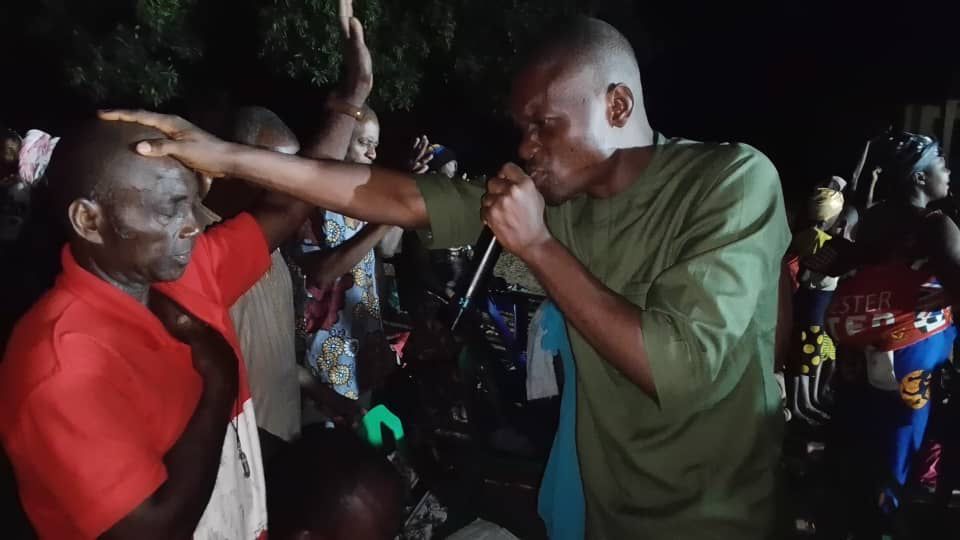
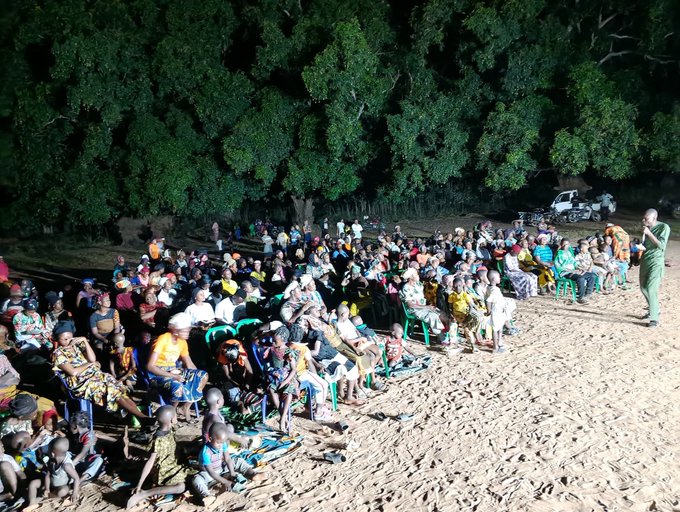
We quickly want to point out something about a missionary in the North.
His name is Evangelist Isaac.
His team and he have been holding crusades in the North. Of course, it is amidst hardship.
But that has not stopped them.
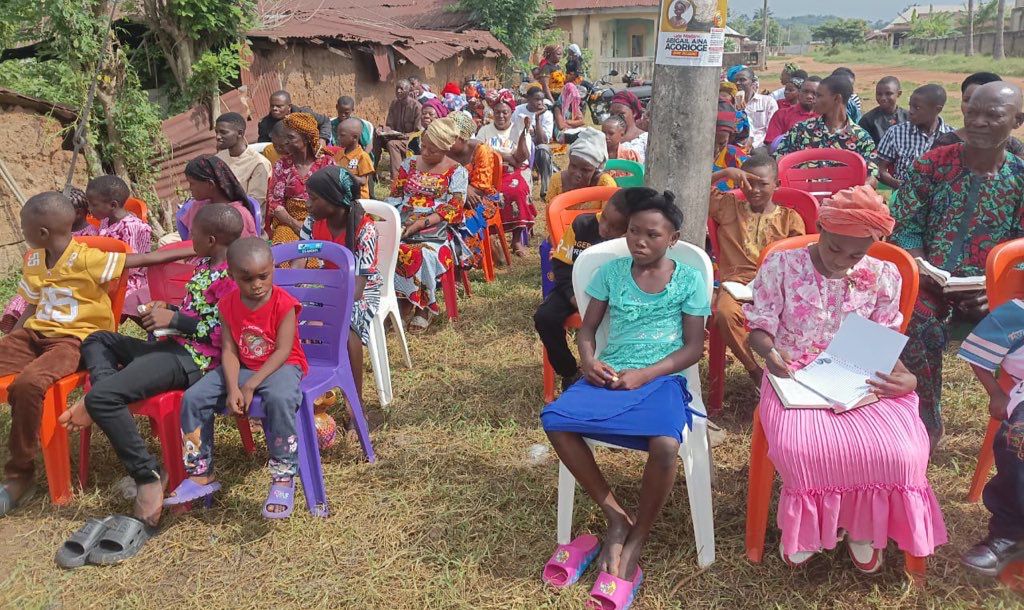
Now, in just two days, they step out in faith for their next Rural Crusade.
Every plan has been carefully made, but they still need any support they can get.
They still need assistance in these areas:
Fuel and transportation: ₦70,000 remaining
Chairs: ₦40,000 remaining.
You can give via:
Account Number: 0130025798
Bank: GTB
Narration: Rural Crusade
Account Name: Agada Isaac Eva
God bless you abundantly as you partner with them, amen.
A Harvard professor spent 24 hours preparing every single lecture, filmed all of them, gave them away for free, and quietly made himself the most influential CS teacher in history without charging a dollar for any of it.
I watched the first lecture at 1am and immediately understood why every self-taught engineer I respect has mentioned this man's name.
His name is David Malan. The course is CS50.
Here is the part of the story almost nobody tells you.
In 1996, a 19-year-old Harvard sophomore named David Malan walked into a lecture hall to shop a class called CS50. He was a Government concentrator with a vague interest in constitutional law. He had never written a line of code in his life.
He took the course because a friend dared him to and because the instructor that semester happened to be Brian Kernighan, the man who co-wrote the original textbook on the C programming language.
By the end of his sophomore year, Malan had switched his concentration to computer science. He has said in every interview since that the course did not just teach him to program.
It rewired his entire understanding of what intellectual work could feel like. He used to walk back to his dorm in Mather House on Friday nights actually excited to start the weekly problem set.
Eleven years later, in 2007, Harvard handed him the keys to the same course that had changed his life. Enrollment that semester was 132 students. The course had a reputation on campus for being difficult, dry, and only worth taking if you were already certain you wanted to be a computer scientist.
Most students who had taken it for years described it the same way. They were impressed. They were exhausted. They were not transformed.
Malan kept everything that was rigorous about it. Then he tore down everything that made it inaccessible.
He rewrote every single problem set so that the assignments connected to actual things students cared about. Cryptography became a problem set about decoding real messages. Data structures became a problem set about reconstructing memory from a corrupted image file. Algorithms became a problem set about searching genealogical databases. Same content. Completely different relationship between the student and the work.
He restructured the lecture experience so aggressively that journalists started writing about him as a performer. He shredded a phonebook on stage to demonstrate binary search. He hired a lighting director from the American Repertory Theater. He brought in guest speakers like Mark Zuckerberg.
He opened every single lecture with the same three-word incantation: "This. Is. CS50." And he walked into Sanders Theatre for the first time wearing a black sweater and jeans, looked directly at the audience, and convinced 282 students that semester that they were about to be part of something none of them would ever forget.
Enrollment doubled in his first year. By 2011, the course had over 600 students. By 2014, it was the largest course at Harvard, period. Female enrollment grew by 48% in a single year. Students who had never touched a computer were sitting next to lifelong programmers in the same lecture hall, working on different versions of the same problem set, both of them rewarded for the level they were actually at.
Then Malan made the decision that turned a Harvard course into one of the most consequential education projects of the century.
He made it free.
In 2007, he started recording every lecture and putting them online. In 2012, he launched CS50x as one of the first major courses on the new edX platform. Then he uploaded everything to YouTube. Every lecture. Every problem set. Every walkthrough. Every section. Every short. The entire course that costs Harvard students roughly $80,000 a year to attend in person became available to anyone on Earth with a phone and a working internet connection. For zero dollars.
Over 5.8 million people have now taken it through HarvardX alone. The YouTube lectures have been watched tens of millions of times beyond that. The course is now officially taught at Yale and at the University of Oxford, both of which built their own versions on top of Malan's recorded lectures.
The thing he said in his recent interview that stayed with me the longest was about who actually takes the course now. He gets thank-you notes from prisoners who watch the lectures on smuggled smartphones. He gets emails from a Google employee who started in a non-technical role, took CS50 on the side, taught himself programming through the problem sets, and now builds AI systems that read medical scans for radiologists. He gets messages from teenagers in countries with no functional computer science education who finished the course and got hired as software engineers a year later.
Susan Wojcicki, the late former CEO of YouTube, took CS50 her senior year as a humanities concentrator. She said for the rest of her life that the course changed everything about how she thought. The platform she eventually ran is the same platform that now hosts every lecture of the course she took, available for free, to a billion people who never had to be admitted to Harvard to learn from the same professor she did.
The man teaching does not have tenure. He runs the course on a five-year renewable contract. He is technically a Professor of the Practice, which in academic terms is a slightly lower-status title than the research professorships that dominate the rest of the Harvard faculty. He does not publish papers in volume. He does not run a research lab. His entire job is to teach one introductory course, again and again, to anyone who shows up.
He has been doing it for 19 years.
The most useful thing I have ever heard him say, and the thing that explains why the course works so well, is that he refuses to assume any prior knowledge in the room. He treats the absolute beginner and the experienced programmer with the exact same respect, because his belief is that the only difference between the two of them is when they happened to start. The beginner is not behind. The beginner is simply earlier in the same sequence.
The most expensive university in the world quietly produced the most accessible computer science course on the planet, and the professor running it was once a 19-year-old Government student who did not know what a variable was.
Most people scrolling past CS50 on YouTube right now will never click on it. The ones who do will quietly join a community of millions of self-taught engineers who decided that the credential mattered less than the knowledge.
The classroom door was opened twenty years ago.
Almost nobody walks through it.
My wife went to her night shift last night. After she left, I fell asleep. I have been blind for seven years, but I dreamt that I was driving her to work. In the dream, she was so happy that I could see, and I was crying tears of joy.
When I woke up, reality set in again. On days like this, I always wish the dream were real. I wish that when I woke up, my sight had returned. I’ll be honest: I started crying😢 right next to my children, who were fast asleep in bed asking God when.
This is the reality I live with until God performs a miracle for me to see again. Who else believes with me that I will see again someday? because I have never stopped believing that I’ll see again someday. Please say a prayer for me for this dream to turn to reality. Driving my wife like I used to before I became blind is something I wish to do again someday. Follow our page for more of our journey and story.
The Chronicles of a Blind Man.
I have put together a remarkable global map of every data center under construction or planned for construction.
It shows a staggering 3,000 - 3,500 data centers being built or already announced to be built, consuming 190 GW of power when completed.
They will consume over 1,000 square km of land and 15+ billion liters of water per year, in all.
You are free to use this infographic in your videos and broadcasts. It's rendered at 4k. Just please give a call out to Natural News. The infographic is 99% correct but could have small typos or slight geographic variance, since it's AI-rendered.
Enjoy and share!
I'm obsessed with cognitive biases.
A "cognitive bias" is a built-in glitch in our brain that quietly sabotages good decisions.
These are the 11 craziest and most dangerous cognitive biases I've found: 👇
1. The Cobra Effect
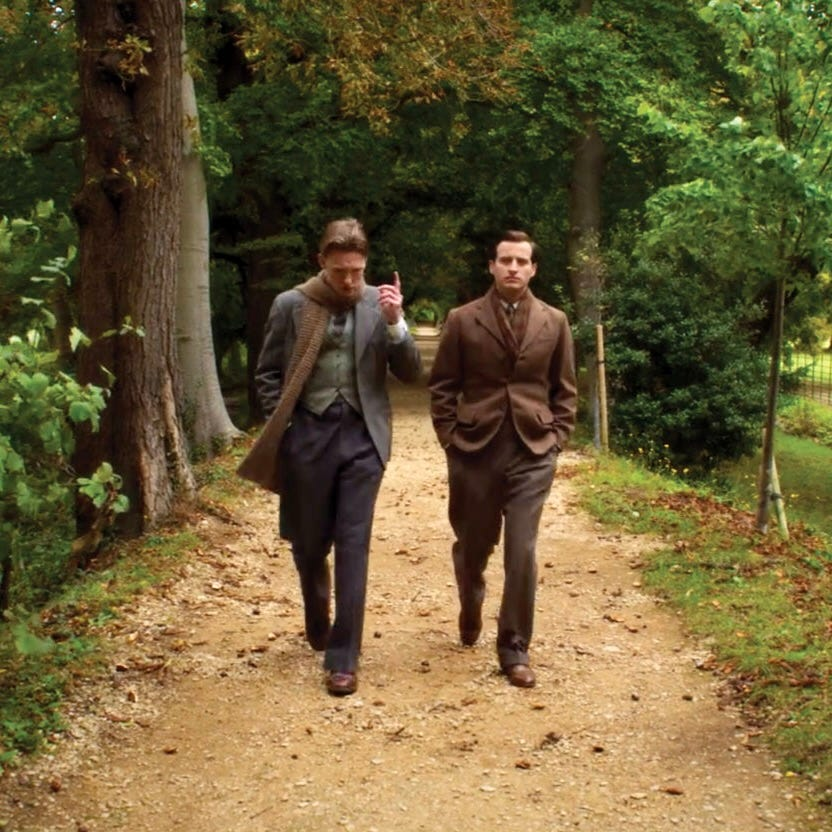
C.S. Lewis was an atheist for 30 years.
Then finally, one conversation with J.R.R. Tolkien changed his mind.
So what did Tolkien say?
Here's what they discussed, and how it led to the conversion of the 20th century's greatest theologian…
In the Waiting, He Is Working”
There’s something deeply comforting about the honesty of Scripture.
It doesn’t hide the hard parts.
Elijah sat under a tree and asked God to take his life.
Job wrestled with such deep anguish he wished he had never been born.
David poured out raw, unfiltered grief in the Psalms.
Moses felt overwhelmed and inadequate.
Hannah wept in longing and unanswered prayer.
Paul sat in prison, isolated and suffering.
These weren’t weak people.
They were faithful people… in hard seasons.
And that matters.
Because sometimes we quietly believe that if we were really strong in faith, we wouldn’t struggle like we do.
But Scripture tells a different story:
Faith doesn’t mean the absence of darkness.
It means trusting God in it.
Every one of them walked through a long, stretching season—waiting, hurting, questioning.
But here’s what they all had in common:
They didn’t walk away.
They kept turning back to God—even when their prayers sounded more like cries than polished words.
And in time… God moved.
Not always quickly.
Not always how they expected.
But always purposefully.
God took Elijah’s exhaustion and met him with rest.
He took Job’s suffering and restored him.
He took David’s tears and turned them into songs that still comfort us today.
He took Hannah’s waiting and gave her a testimony.
He took Paul’s prison and turned it into letters that still change lives.
Their dark seasons were not wasted.
Neither is yours.
If they had given up in the middle of it—if they had stopped trusting, stopped praying, stopped believing—we wouldn’t be reading their stories today.
And that’s the quiet encouragement for us:
What feels like a pause in your life may actually be God preparing a purpose.
“In our waiting, He is working” isn’t just a nice phrase—it’s a pattern we see over and over again in Scripture.
So if you’re in a season that feels heavy…
If prayers feel unanswered…
If hope feels fragile…
Hold on.
God is still writing.
⸻
Bible Verse
“Wait for the Lord; be strong and take heart and wait for the Lord.” — Psalm 27:14
⸻
Prayer
Lord,
In the waiting, it’s easy to feel forgotten.
In the silence, it’s easy to wonder if You’re still moving.
But today, help me trust what I cannot see.
Remind me that You are working behind the scenes, even when my heart feels weary.
Give me the strength to keep showing up in faith—
to keep praying, trusting, and worshiping… even in the storm.
Take this season, this waiting, this uncertainty—
and use it for Your purpose and Your glory.
Help me believe that nothing is wasted in Your hands.
Amen.
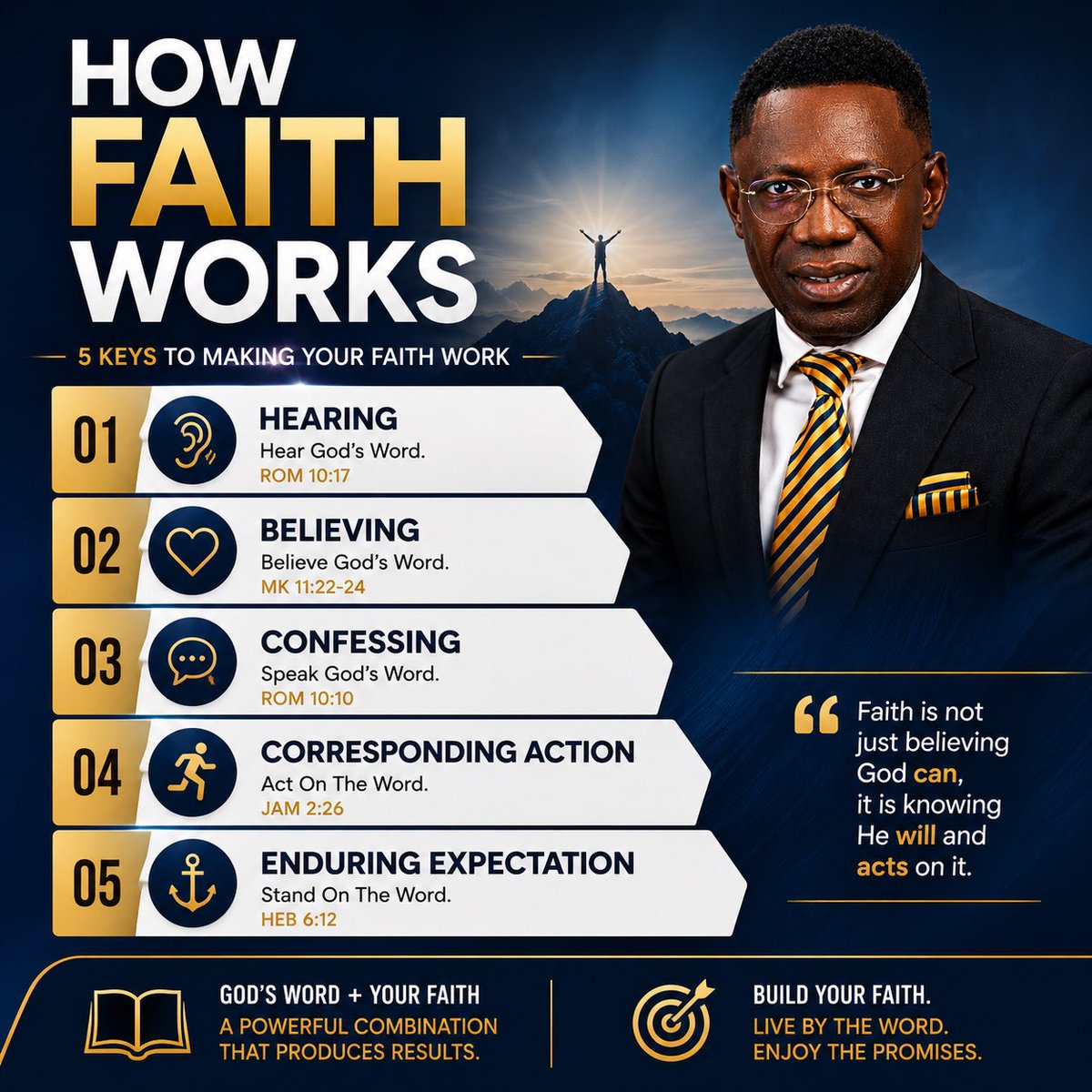
HOW FAITH WORKS
5 Keys To Making Your Faith Work
1. HEARING
Hear God’s Word. Rom 10:17
2. BELIEVING
Believe God’s Word. Mk 11:22-24
3. CONFESSING
Speak God’s Word. Rom 10:10
4. CORRESPONDING ACTION
Act On The Word. Jam 2:26
5. ENDURING EXPECTATION
Stand On The Word. Heb 6:12
Two Sundays ago in my church, two families came forward for child dedication.
The first family looked wealthy; everything from their outfits to the gifts spoke of it. As they stepped out, many people stood up and danced with them to the front.
Then the second family was called.
No glamour. No attention. The wife wore a simple ankara, and the husband quietly held an envelope to present.
Before they even reached the front, only three people were behind them. No crowd. No excitement.
I tapped my friend and said, “Let’s go.”
We stood up and joined them, dancing them to the front.
After the service, the husband came to find us. You could feel how deeply he appreciated that small gesture.
And it left me thinking…
There’s hardly space anywhere for a poor man.
No money.
No social love.
Sometimes, not even family love.
Just… silence.
I’m Stranded in Lagos guys
I Need Your Support 🙏
Hi, my name is Esther Ubak. I came all the way from Akwa Ibom State to Lagos for an exhibition, full of hope and excitement, dreaming that this trip would open doors for my craft and creativity.
I’m a startup without funding anywhere, and to make this trip possible, I had to borrow money from friends, gather materials, and cover my travel expenses, all with the hope that the exhibition would be a success.
But things didn’t turn out as I expected. The exhibition didn’t go as planned, and now, I’m faced with the reality of having to refund every single amount I borrowed.
I really need the support I can get right now.
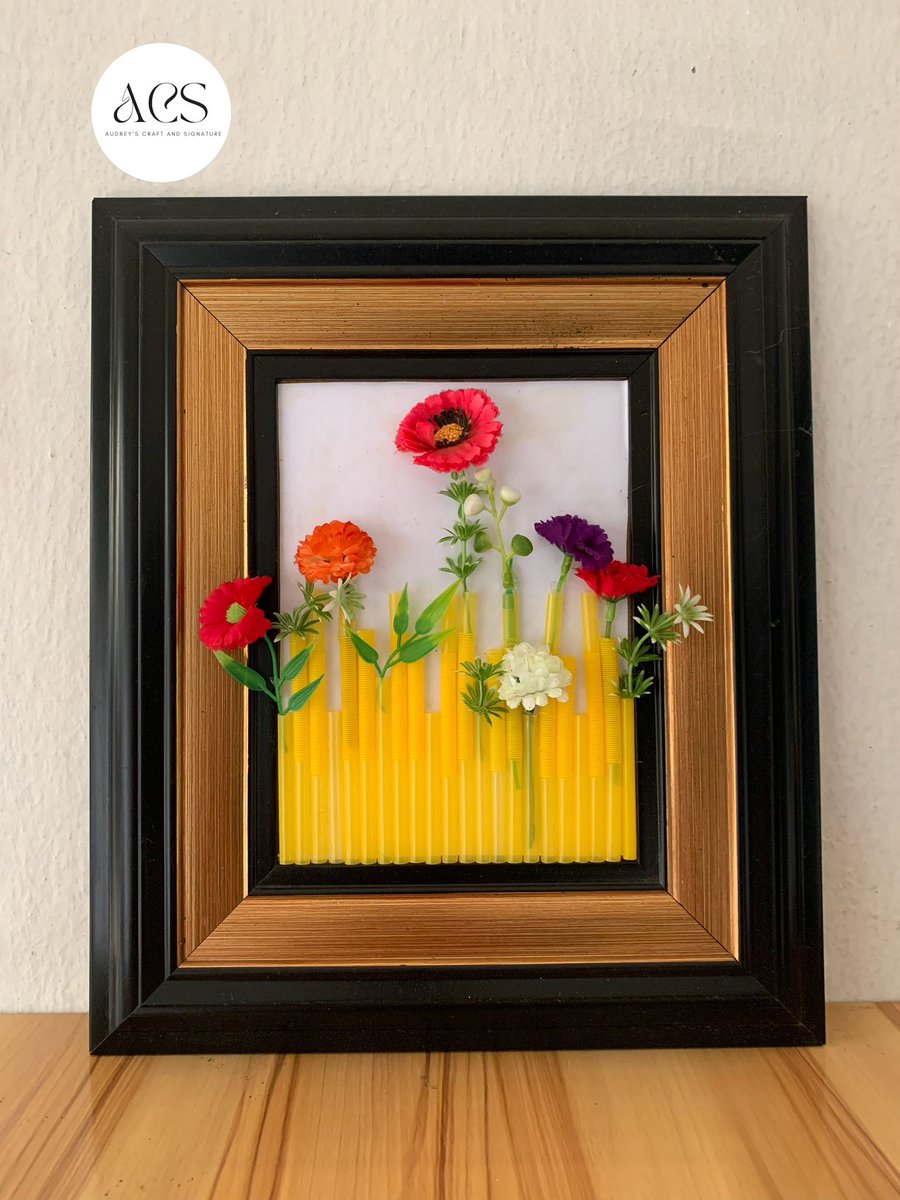
So here I am, still in Ajah, Lagos, with all the beautiful, handcrafted, upcycled pieces I brought along. I cannot go back home until they are sold, and every piece carries the love, time, and creativity I poured into it.
Below this post are the products available for pickup, each with its price tag clearly displayed.
So If you’re in Lagos and love unique art, this is your chance to grab something special.
📍 Location: Ajah, Lagos
📲 To order: Screenshot your favorite piece(s) and DM me on WhatsApp: +2347080501180
If you can’t afford a piece right now, you can still share this post, refer a friend, or invite someone who might love them. Your support, big or small really means the world and can help turn this setback into a blessing. 🙏
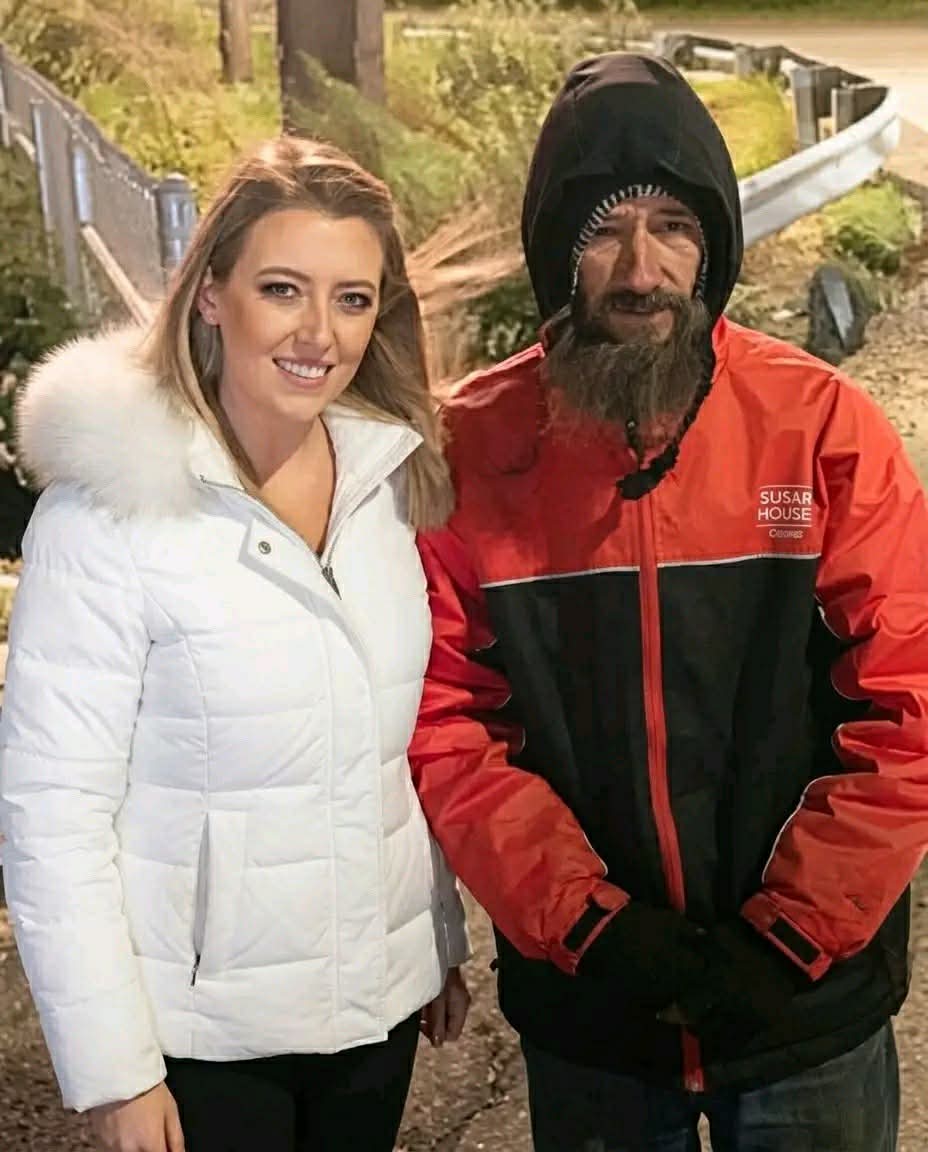
He Had $20 to His Name. He Gave Every Dollar of It to a Stranger.
It was 11:47 PM on a Tuesday when Kate McClure's car sputtered and died on the I-95 exit ramp in Philadelphia.
No gas. No cash. No one stopping.
She sat in the dark, hazards blinking, trying not to panic — a young woman alone on the side of a highway in the middle of the night. She called her boyfriend. He was 45 minutes away. She waited, doors locked, watching headlights blur past.
Then there was a knock on her window.
A man — worn coat, weathered face, a bedroll under his arm — stood in the cold. Johnny Bobbitt had been living under that overpass for three months. He'd spent the day collecting enough change for something to eat.
"I used to be a paramedic," he told her through the glass. "You shouldn't be out here alone."
Before Kate could protest, Johnny walked to the nearest gas station — 20 minutes on foot — and came back carrying a red plastic can full of fuel. He spent his last $20. His only $20. He didn't ask for anything back.
"I figured she needed it more than I did tonight," he'd later say, with a shrug like it was nothing. Like giving away everything you own to a stranger is just what you do.
Kate made it home safely.
But she couldn't stop thinking about that shrug.
She went back to find him. Then she started a GoFundMe — just to return the $20, maybe do a little more. She wrote a few sentences about what he'd done and hit share.
By morning, her phone wouldn't stop buzzing.
By the end of the week, strangers from 49 states had donated.
The total raised: $400,000.
For a man who gave his last $20 so a woman he'd never met could get home safe.
When reporters asked Johnny how it felt to have hundreds of thousands of people moved by his simple act of kindness, he got quiet for a moment.
"I didn't do it for attention," he said softly. "I just didn't want her to be scared."
That's it. That's the whole reason.
Not for cameras. Not for a reward. Just because a young woman was alone and frightened, and he remembered what it felt like to be able to help someone.
In a world that can feel so divided, so loud, so exhausting — a homeless man in a worn coat walked 20 minutes in the cold and reminded us what we're actually capable of.
Share this if you believe one small act of kindness can still change everything. 💙
"When parents pray for their children, God hears them, angels move, and great things happen. Pray with faith, and do not worry."
- St. Padre Pio
Padre Pio is reminding us that a parent’s prayer is powerful because it is rooted in love and trust in God. Scripture shows us that God listens to the prayers of the faithful, especially when they are offered with faith and perseverance.
Parents have a real role in bringing their children closer to God, not by control, but by interceding for them. Even when nothing seems to change, God is still working in ways we cannot see. Prayer invites grace into your child’s life, and grace is what truly transforms a heart.
💬 Do you really believe your prayers can change your child’s life, or have you started to give up without realizing it?
@RCCGworldwide I pray, O LORD “Oh, that You would bless me indeed, and enlarge my territory, that Your hand would be with me, and that You would keep me from evil, that I may not cause pain!” in Jesus' Mighty Name.
WHAT DO YOU WANT FROM GOD TODAY?
I call heaven and earth to record this day against you, that I have set before you life and death, blessing and cursing: therefore choose life, that both thou and thy seed may live: - (Deuteronomy 30:19)
READ: John 5:1-14
Some people are so comfortable with their problems that they reject every form of help that comes their way. For example, one would have thought that Jesus would have immediately commanded the man who had been sick for 38 years in today's Bible reading to rise from his sickbed. However, the first thing Jesus asked him was, "Do you want to be made whole?" Jesus didn't assume that the man wanted to be healed; He first asked him if he wanted to be healed before healing him.
And Jesus stood, and commanded him to be brought unto him: and when he was come near, he asked him, Saying, What wilt thou that I shall do unto thee? And he said, Lord, that I may receive my sight. - (Luke 18:40-41)
In the Scripture above, Jesus heard a blind man crying out to Him for help. When He asked that the man be brought before Him, He didn't assume that he needed healing, even though he was obviously blind. He proceeded to ask him, "What do you want me to do for you?"
There was once a woman who was sick, and we prayed earnestly for her to get well. When she didn't get any better, we were surprised because we know that our God is the Great Physician. Therefore, we turned to Him and asked, "Father, what's wrong? Is there anything we should be doing that we are not?" Then, He replied, "You are praying for healing for this woman, but have you asked her if she wants to be healed?" I thought to myself, "Of course, every sick fellow wants to be well," but the Lord insisted that I ask her if she truly wanted to be healed. I did, and she responded, "No!" Surprised, I asked her why, and she replied, "When I was well, my husband always returned late from work. He would go from his workplace to a club. Since I became sick, he comes straight home to me as soon as he leaves his workplace. So, I don't want to be well!"
Beloved, God has set before you life and death, blessing and curses, prosperity and poverty, freedom and bondage; however, He will not force His gift of healing, life, or salvation on anyone. If you are dealing with sickness, poverty, or any other negative situation in your life, cry out to God today if you indeed want a miracle from Him. He will heed your cry and meet you at the point of your needs.
ACTION POINT:
Call on God today in the name of Jesus, and be specific about what you want Him to do for you.
BIBLE IN ONE YEAR:
1 Chronicles 13-16
Open Heaven Devotional by Pastor E A Adeboye