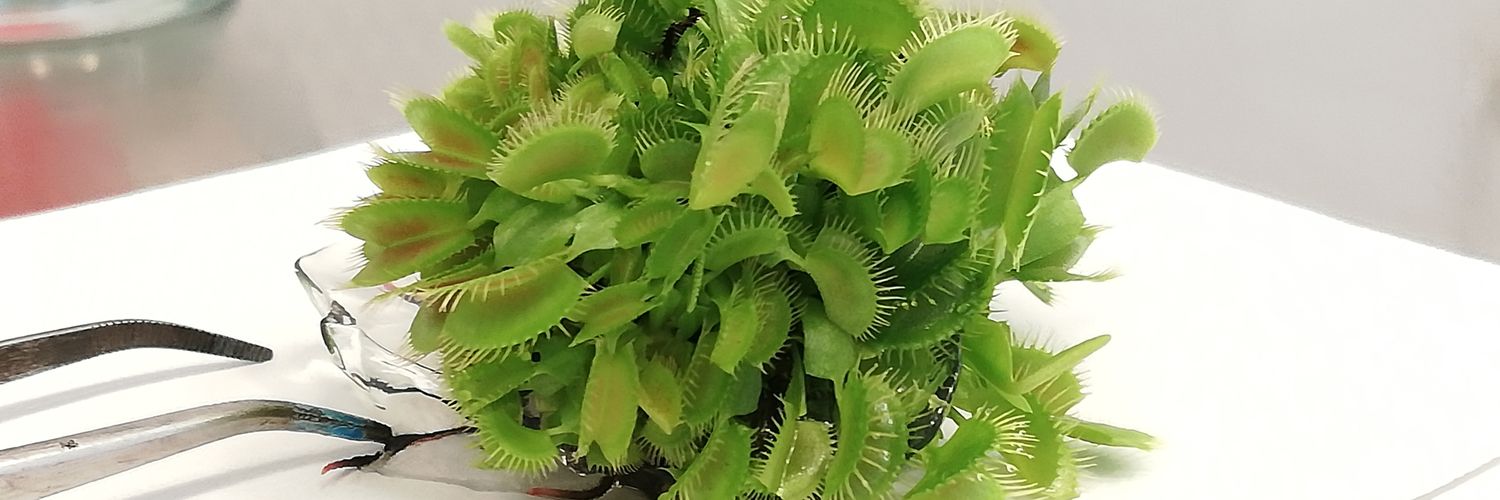
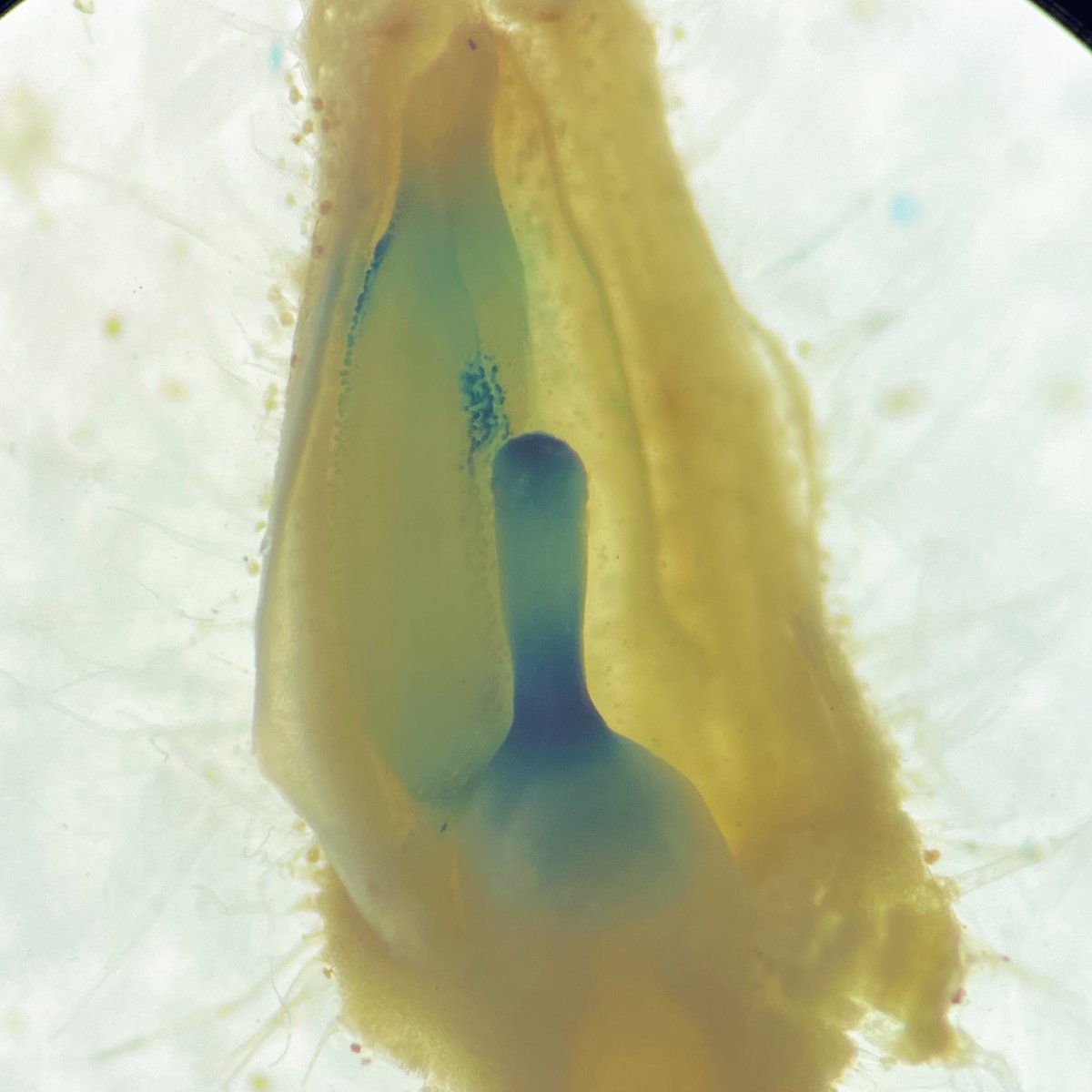
Science is more than just accumulating knowledge, it’s about uncovering life’s mysteries whilst appreciating its endless complexity and beauty.
This is somehow lost when everyone uses the same picture of a cell, square protein, and microscope icon.
We just published: Why you should sequence your plasmids (and how to do it for free)
Through @GetGenome scientists in 100 countries can access free whole-plasmid sequencing —giving researchers the confidence to move their experiments forward.
https://t.co/KHXtAcD5zm
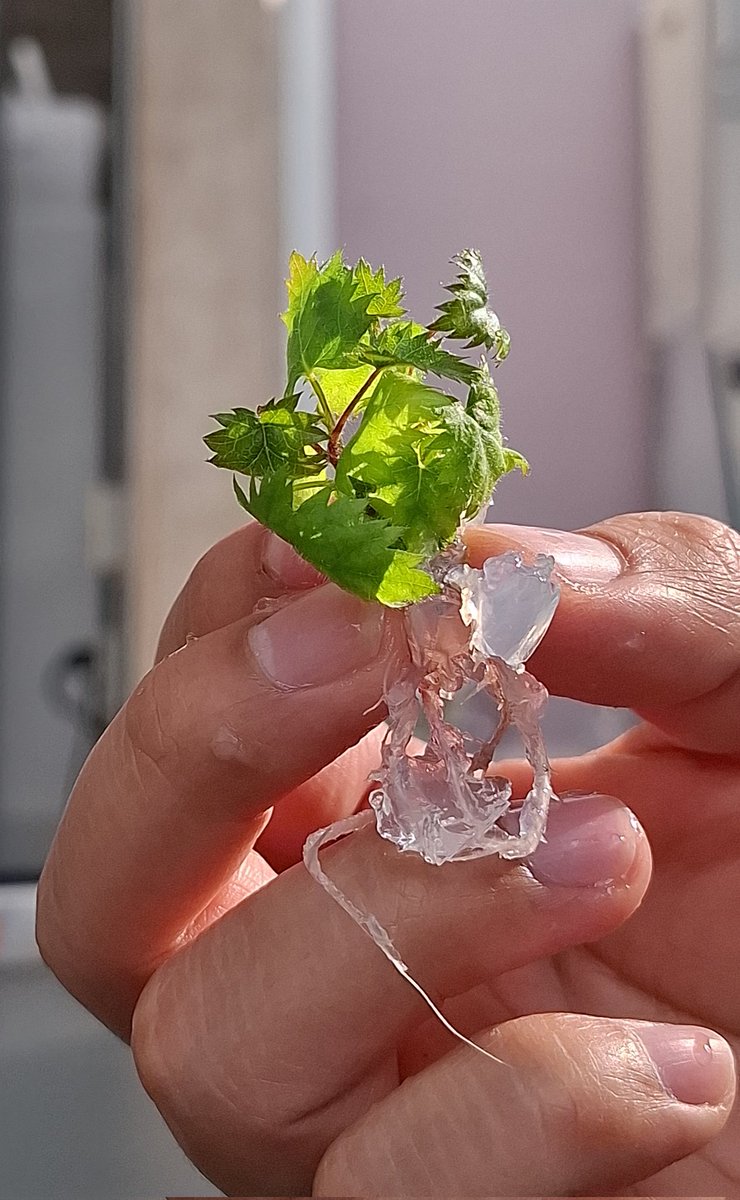
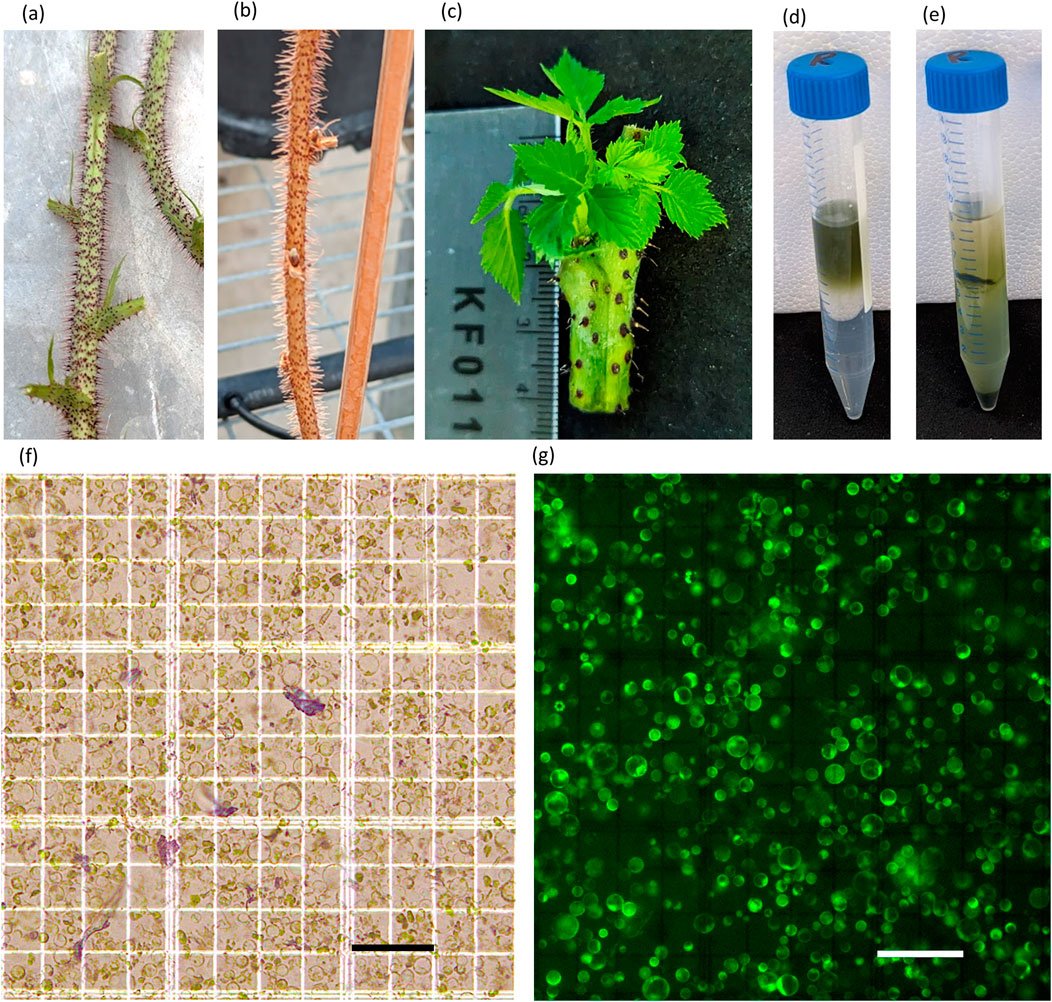
📚Protoplast-based systems have been utilised in a wide variety of plant species to enable genome editing without chromosomal introgression of foreign DNA into plant genomes. DNA-free genome editing followed by protoplast regeneration allows elite cultivars to be edited without further genetic segregation, preserving their unique genetic composition and their regulatory status as non-transgenic. However, protoplast isolation presents a barrier to the development of advanced breeding technologies in raspberry and no protocol has been published for DNA-free genome editing in the species. Pre-assembled ribonucleoprotein complexes (RNPs) do not require cellular processing and the commercial availability of Cas9 proteins and synthetic guide RNAs has streamlined genome editing protocols. This study presents a novel high-yielding protoplast isolation protocol from raspberry stem cultures and RNP-mediated transfection of protoplast with CRISPR-Cas9. Targeted mutagenesis of the phytoene desaturase gene at two intragenic loci resulted in an editing efficiency of 19%, though estimated efficiency varied depending on the indel analysis technique. Only amplicon sequencing was sensitive enough to confirm genome editing in a low efficiency sample. To our knowledge, this study constitutes the first use of DNA-free genome editing in raspberry protoplast. This protocol provides a valuable platform for understanding gene function and facilitates the future development of precision breeding in this important soft fruit crop.
We have discovered plant cell penetrating peptides! Tag your protein of interest with these small peptides for direct protein delivery to plants! https://t.co/RRBB0Iugot @plantae_org
| #NIFAImpacts
🎓Les invitamos al examen final del M.C. Eduardo Martínez Estrada, de Biotecnología de Plantas, para obtener el grado de Doctor
📅Lunes 31 de marzo de 2025
⏰10 h Seminario abierto
⏰13 h Lectura del acta
📍Auditorio de @CinvestavIra
🎊¡FELICIDADES POR ESTE GRAN LOGRO!
#20AñosUGA
I am looking for a few team members to join our lab at Western University for an exciting new project focused on creating enhanced plant chloroplast genomes. I am looking to hire:
2 Postdoctoral Fellows
1 PhD Student
Additional information:
https://t.co/epicQksiar
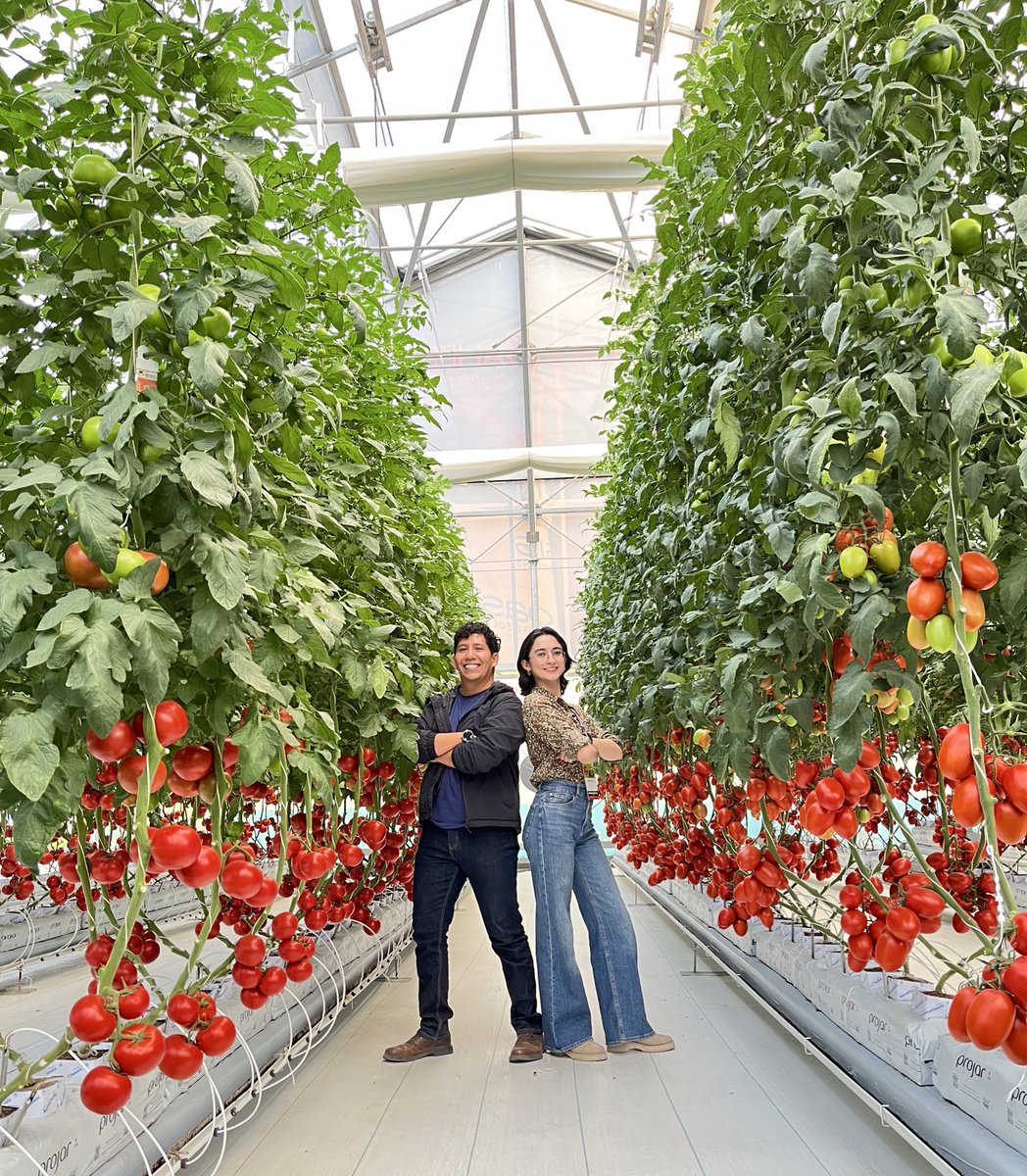
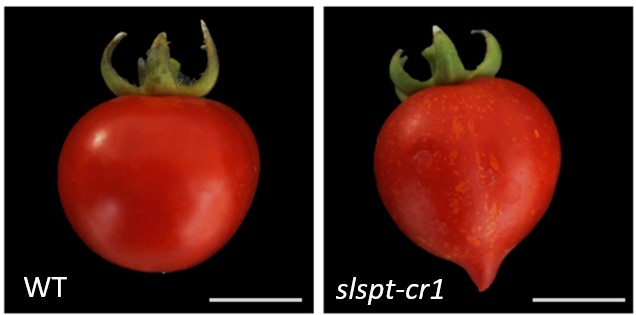
Very happy that one of our first tomato stories is out 🍅 by @eduagrom
Conserved and novel roles of the bHLH transcription factor SPATULA in tomato https://t.co/8kMdGrFJKF
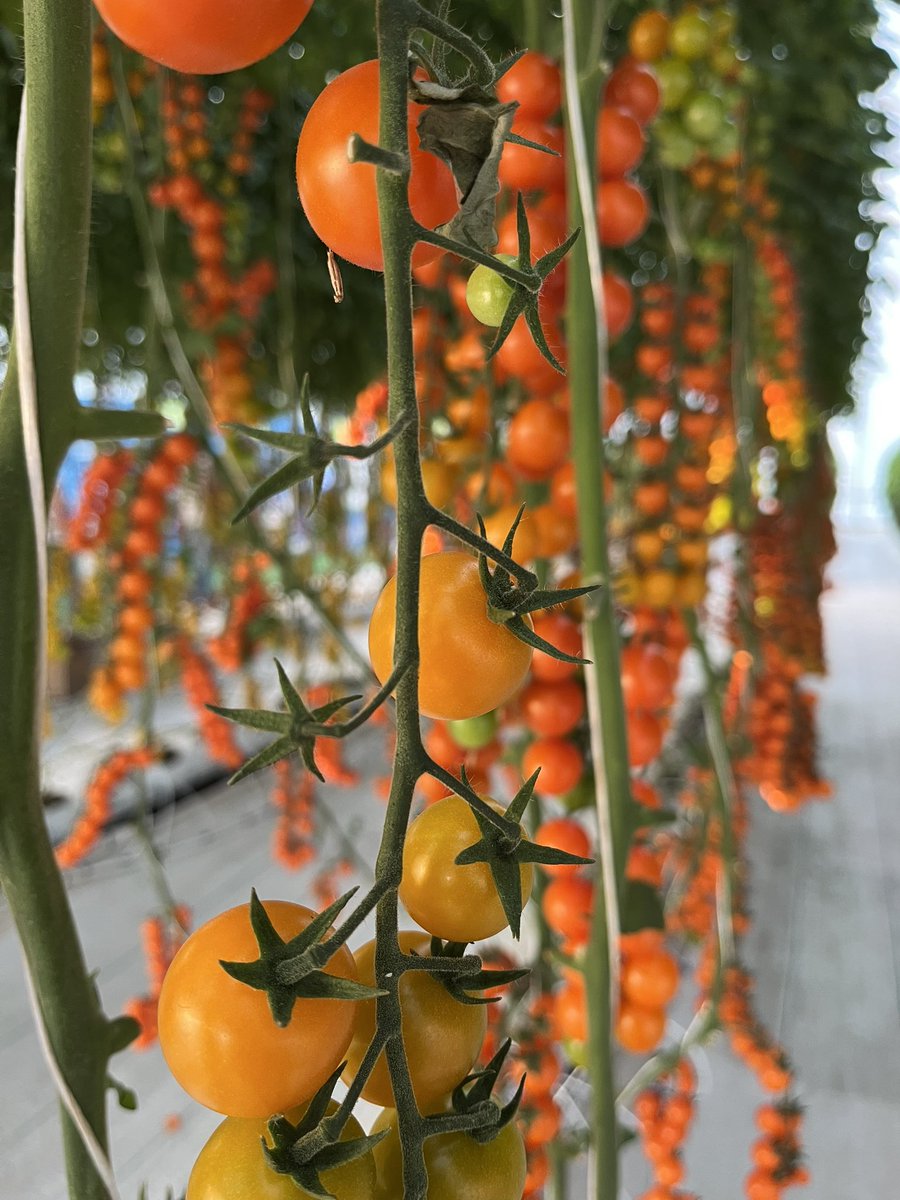
🎉 New @biorxiv_plants preprint from the @SebastianSoyk lab and Gwen Swinnen (a former PhD student of mine 😊) on the use of GRF-GIF and RUBY for transformation and #CRISPR in 🍅 Tomato. Great work! 👏✨
https://t.co/gEkVyXGphe
📢Are you looking to continue as postdoc in academia and want to shape your future postdoctoral project?
Apply for the UPSC Symposium for Early Career Plant Scientists and present your research @UmeaPlantSci in March 2025!
Read more:
https://t.co/cSASa30hW1
📅Deadline: 7 Jan
✨ The less fertilizer, the better ✨
🌍 Is it possible to cultivate potatoes with less fertilizer? Reducing environmental impact while feeding millions? 🥔
Our research published today in @NewPhyt, led by Salomé Prat and @MarufSh84795688, is turning this into reality! 🧵