We @GetGenome are delighted to support “Road to Jeju,” a new webinar series celebrating the lead-up to IS-MPMI 2026 in Korea 🇰🇷
Expect inspiring science and voices from across the plant-microbe community.
First up: Roger Innes on June 17.
Register here: https://t.co/vr3eu1JvHa
Announcing our new free Webinar series sponsored by GetGenome: Road to Jeju. The series will feature 7 webinars with Legends and Rising Stars of IS-MPMI. Sign up to attend the first talk by Roger Innes on June 17. https://t.co/G70la2m7oV Rising Star info coming soon. repost!
Just published: When Memory Meets Science: Tunisian Durum Wheat Writes a New Chapter of the Future
Mabrouka Khedir @mabroukadwtv
https://t.co/mUIggxQ3Rg
I just published: Genomics, AI, and the Decade That Will Decide Our Food Future
Three things stand between us and a resilient food system: public-good genomics for the Global South, shared AI compute for plant science, and patient capital for traits. Funders— your move.
https://t.co/w3PZDQ5hMO
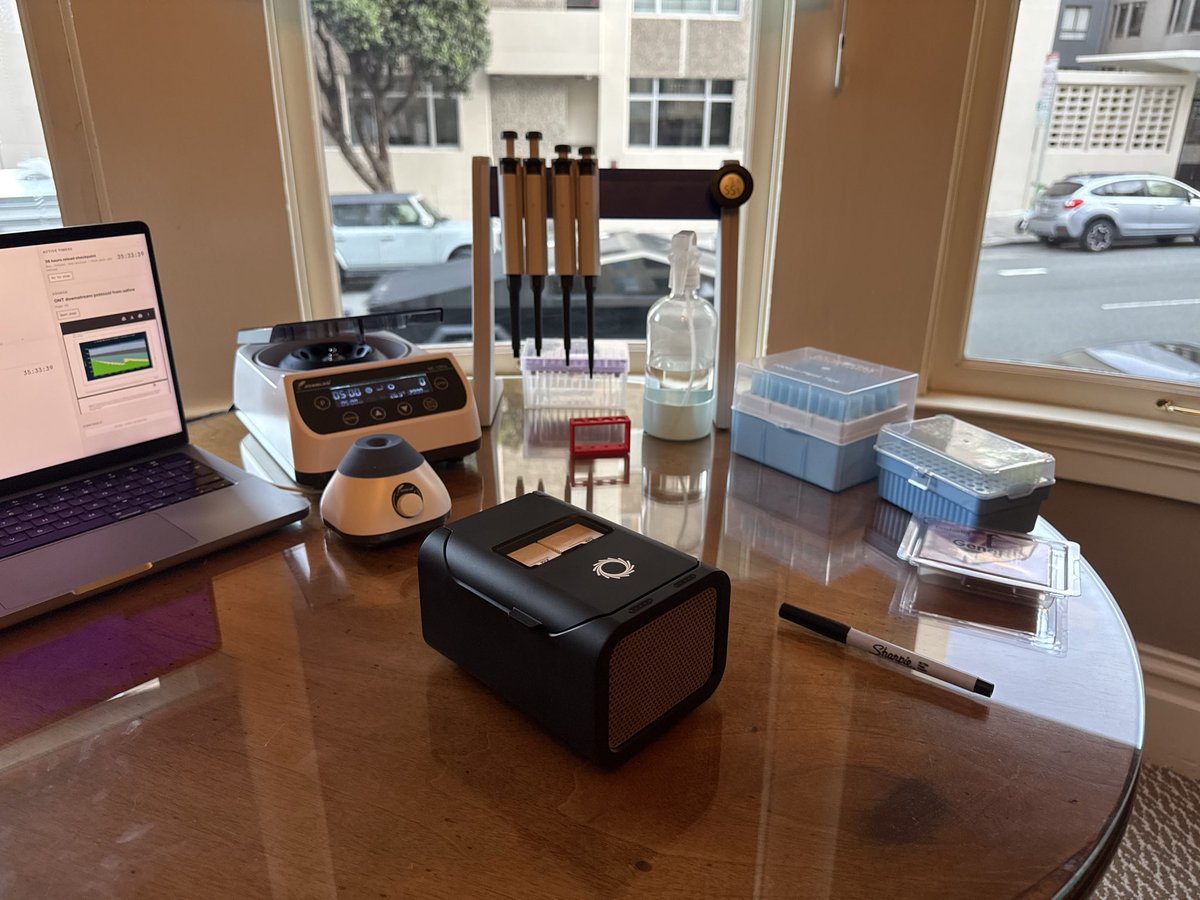
I just sequenced a human genome to 30× coverage entirely at home.
As far as I know, this is the first time this has been done.
I didn’t step foot in a lab once. Every step - from saliva collection, to running the sequencer - took place in a single room with a dining table + kitchenette.
Six weeks ago, I had never done wet lab biology before.
I used an Oxford Nanopore P2 Solo - the only commercially available sequencing device portable enough to do 30x human genome sequencing at home.
Biggest takeaway - I could build something that combined software, hardware, and molecular biology far faster than I thought was possible.
I can name >100 specific instances where AI helped me solve a technical problem that would previously have blocked me because I lacked access to a domain expert.
For example: how do I save my sequencing run when my DNA extraction yield is 4x lower than I need it to be, and I have this limited set of reagents to hand?
To make this work, I had to navigate multiple disciplines:
- writing software to monitor sequencing runs and orchestrate remote GPU infra for basecalling
- learning + executing 5 hour long molecular biology protocols
- building a hardware device to quantify DNA concentration
Apologies for the hyperbole, but I feel super lucky to be living in 2026.
A few weeks ago I decided to sequence a human genome to 30x at home.
Then I actually did it. And I did it really quickly.
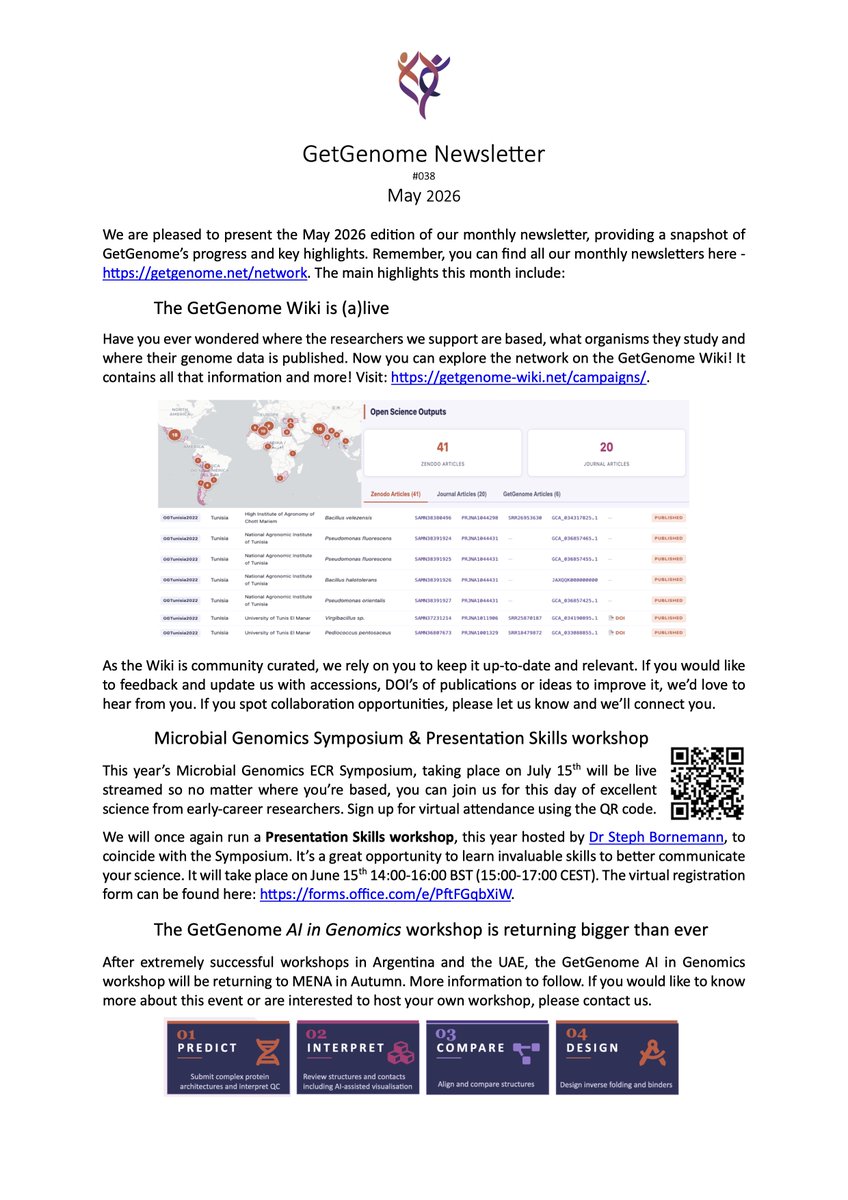
GetGenome wiki
A living, open science database of bacterial, fungal and plant genomes sequenced through the GetGenome programme for global genomic equity.
https://t.co/k2P3jNwHFk
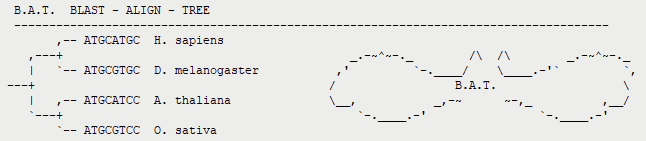
We are excited to release the BAT! 🦇🚨
We've used this phylogenetic analysis pipeline in our lab for years, and grad Ben Sheppard now presents a Github release and preprint.
I run BAT analyses almost daily. It makes exploring gene families routine, customizable, and fun🧵
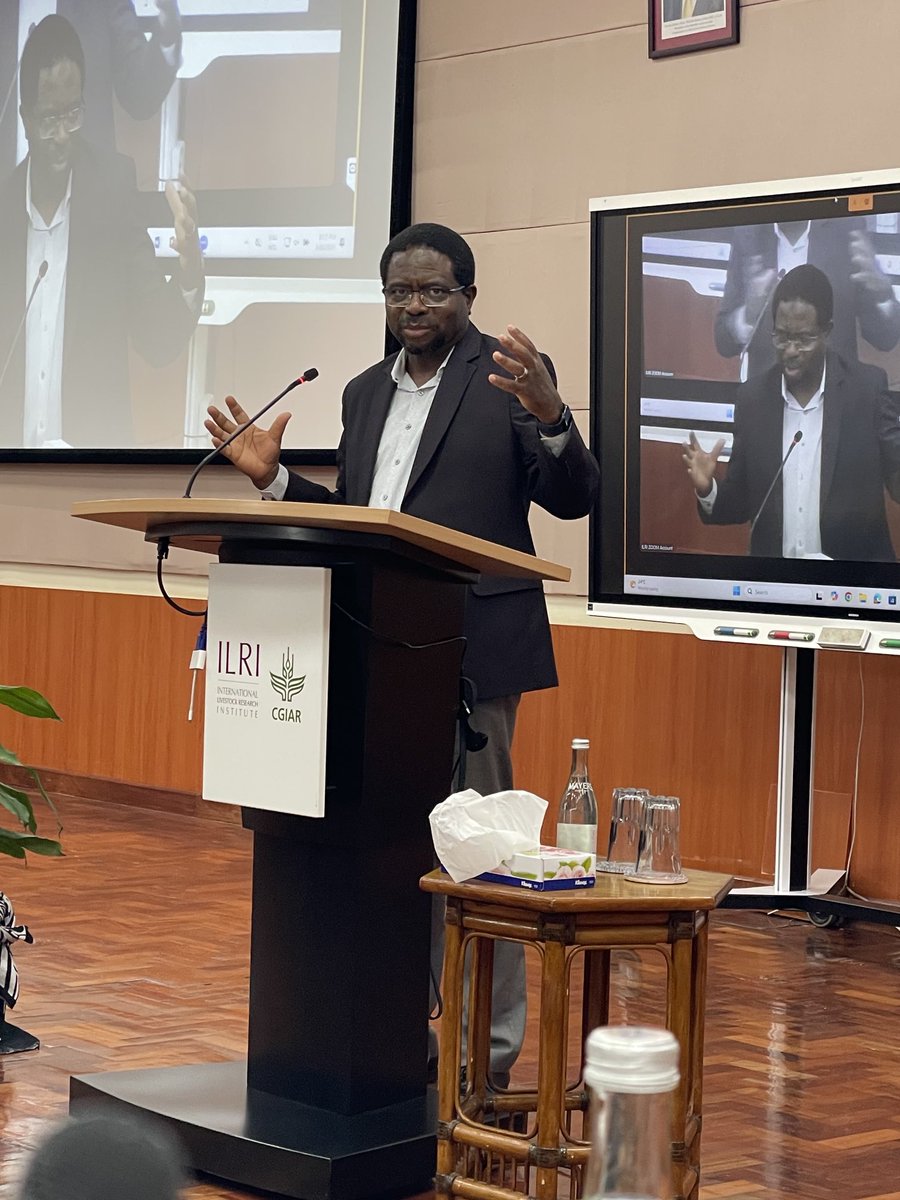
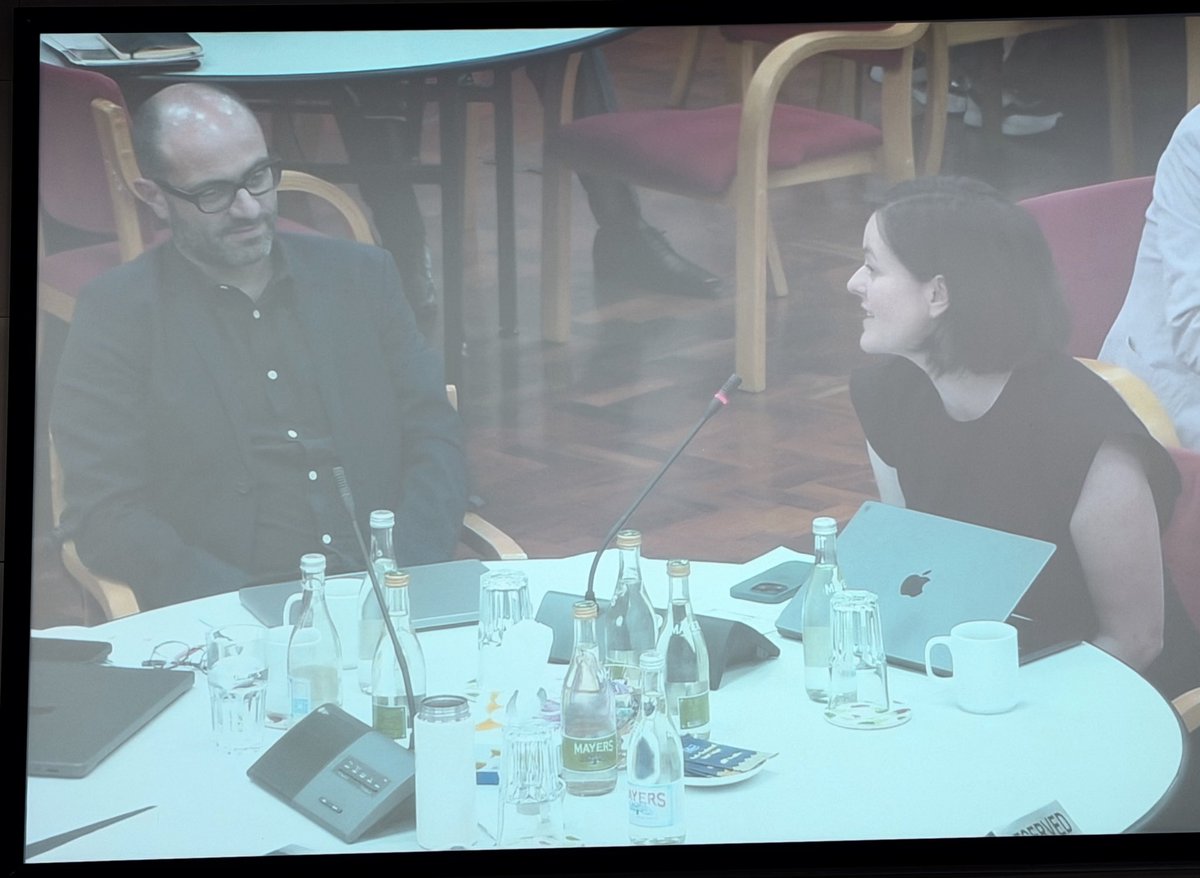
Hugely productive symposium between @TheSainsburyLab and @ILRI hosted by Appolinaire @ADjikeng - we made great progress in identifying collaborative science that can make an impact in the Global South.
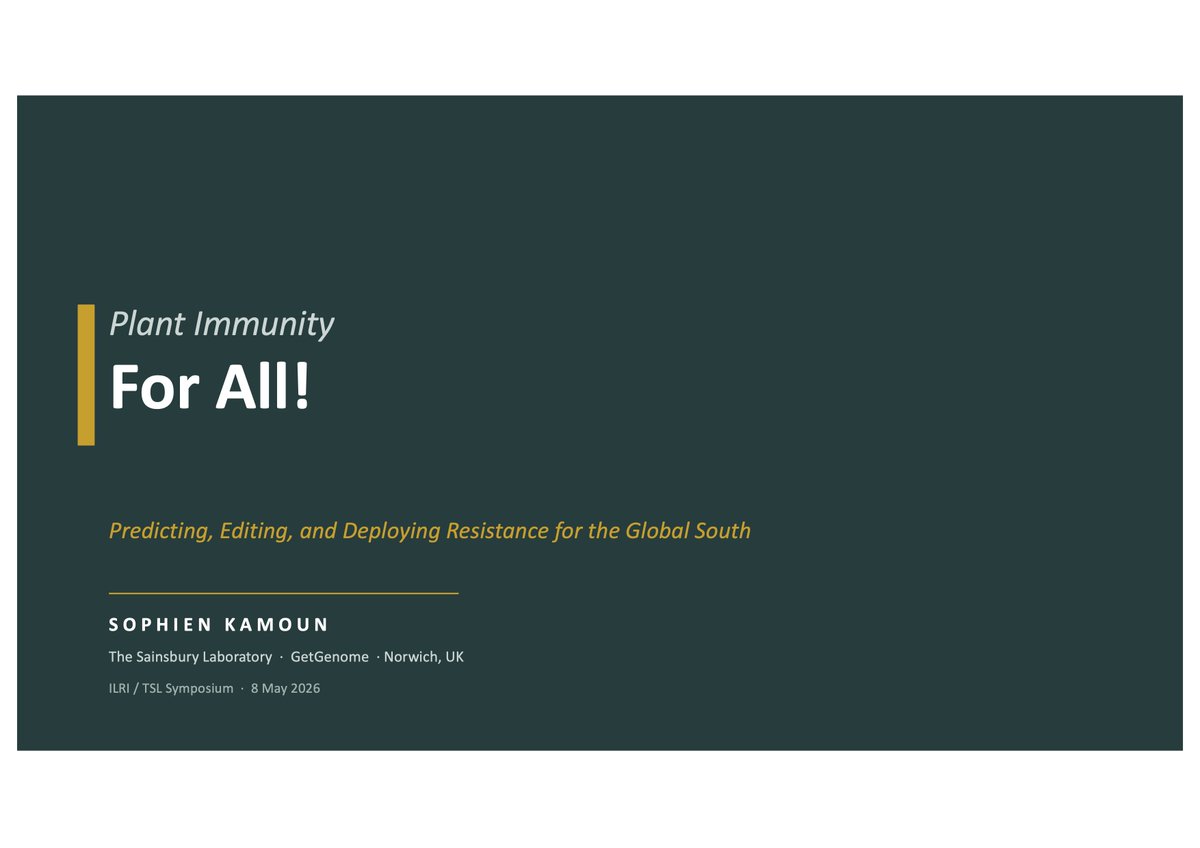
My slides from the ILRI-TSL Symposium:
Plant Immunity For All! Predicting, Editing, and Deploying Resistance for the Global South. Zenodo. https://t.co/RnfLnhECuU
Kicking off now: the ILRI–TSL Nairobi Symposium 🇰🇪
Great to bring together colleagues from @ILRI and @TheSainsburyLab to discuss plant health, genomics, and climate-resilient agriculture.
#PlantHealth#OpenScience