@MrZachG I was quite surprised a couple of weeks ago when someone told me their district decided to recommend against a particular program b/c kids were doing too much workbook practice. Ok, but you're good with kids in groups in front of whiteboards not really doing any math?
I'm starting to wonder if teaching conceptual math heavily is making it harder for a lot of kids - hear me out.
They looked at students who were gifted in math & went "huh, they think conceptually. We should teach everyone conceptually"
My youngest is gifted in math. She just "gets it" It's absolutely conceptual to her - and easy.
But my oldest, nope. And no amount of me explaining the concept ever helped her.
You know what did? Procedural practice ... over & over & over.
Then, something kinda like magic happened.
She looked at me this week and said "oh, I get it!" and she then explained to me the concept I'd tried to teach her a year ago.
Don't get me wrong. Conceptual math for prek-2nd grade is great. But I'm not convinced it's the best path long-term.
Conceptual learners - already "get it."
The strugglers.... might just need a LOT more practice before that light bulb goes off.
Thoughts?
💡New on Science of Reading: The Podcast!
Susan Lambert and @Doug_Lemov explore why many older students still struggle with fluency and how it impacts comprehension.
🎧 Tune in: https://t.co/f8WrUQOVHf.
If you are an educator or care about education, give this a read, subscribe to read this journalists fantastic work. Holly Korby's work is uncovering the same themes of educational malpractice reported in Emily Hanford's "Sold a Story" work. This isn't directed toward teachers in anyway, but trainers. We need to prioritize experimentation to guide us to do better for our hard working teachers and kids...much better.
NCTM position paper ignores reality of math teaching challenges, by @HKorbey https://t.co/hz2kEhBw1C
You might have heard me talk about the underwhelming NCTM/CEC position statement on teaching math to students with disabilities. Well, here's a response from 34 authors in which we discuss what's in it and what's not. FREE to download!
https://t.co/Y63OTFxMaL
@karenvaites@s_e_schwartz@bobsonwong please write / tweet more about math. the curricular trend to "think about it" and "try it" at the BEGINNING of a learning cycle before any direct instruction about a topic is so frustrating. WHERE IS THE EVIDENCE for this APPROACH? i don't get it!
🚀New episode with @sarahpowellphd just dropped! We critique the NCTM/CEC position statement on teaching math to students with disabilities and discuss practical, research-backed ways to support students with math difficulties. https://t.co/aXbXfGwsIm
Science isn't just for reading. Check out the response of @sarahpowellphd, @EricaLembke, Brad Witzel, and other leaders in math education for students with disabilities to the recent NCTM/CEC position statement on our website. https://t.co/bMF0YAOMWU
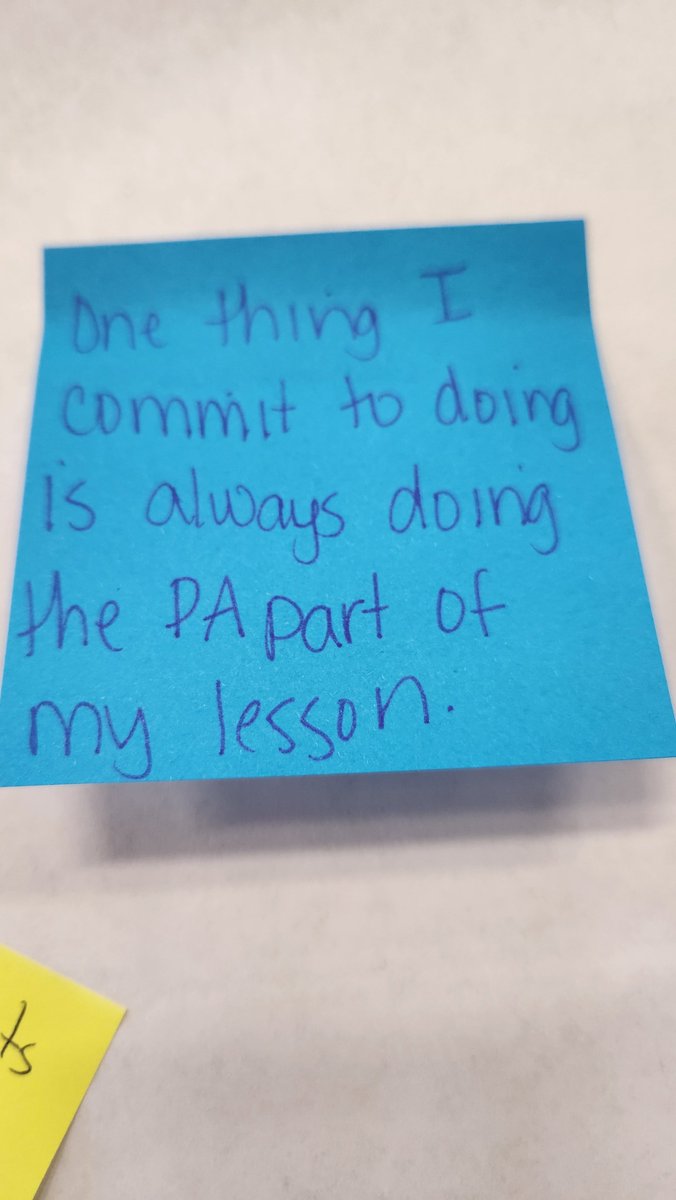
🎙️Tonight, I was talking to a friend in another district was asked what I’m doing with my kinders to see the growth I am. Her district uses the same Foundational Skills program I do and they aren’t seeing the data they were hoping for.
1/8
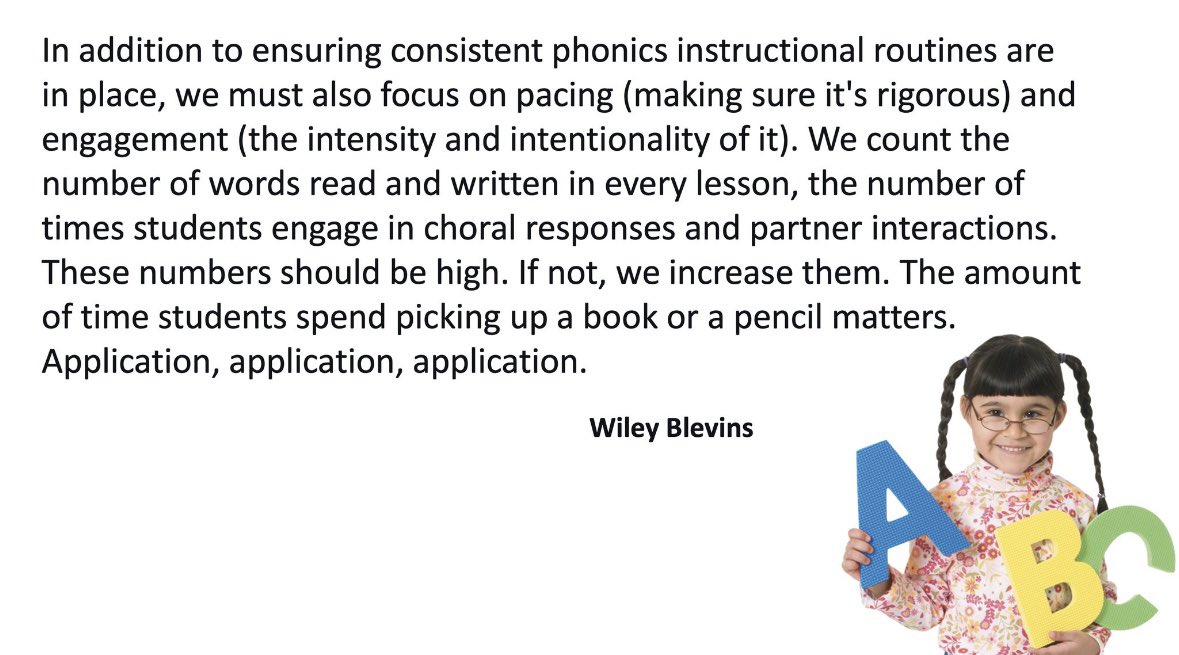
It’s been a rough start to the school year in NYC so I’m reposting this. It’s in the application where the learning sticks. I’m seeing lots of 40-min lessons where sts read and write less than 5 words. That doesn’t work. Implementing a flawed program w/ fidelity ensures failure.
"Prior knowledge had a significant effect on learning, especially in discovery learning. Everyone benefited from explicit instruction, but only students with a lot of prior knowledge benefited from discovery learning." #equity
(K age students, science topic: sinking/floating)
@mrjergenskinder @goyenfoundation Another question: "How many literacy programs/curricula do your students (or some of your students) experience in a day?"
If I had to learn math as a student today, I wouldn't be able. The pedagogical myths driving many instructional choices are damaging for a lot of students. Great listen here: https://t.co/gRVMixJ2nT. It sheds a lot of light on problematic math instruction.
Dr. Jan Hansbrouck’s contribution to our field with her study sample of 250,000 students cannot be understated. @janhasbrouck’s work aids practitioners in setting learning targets that become THE very bridge to deeper comprehension of texts. #fluencymatters#TRLConf2023
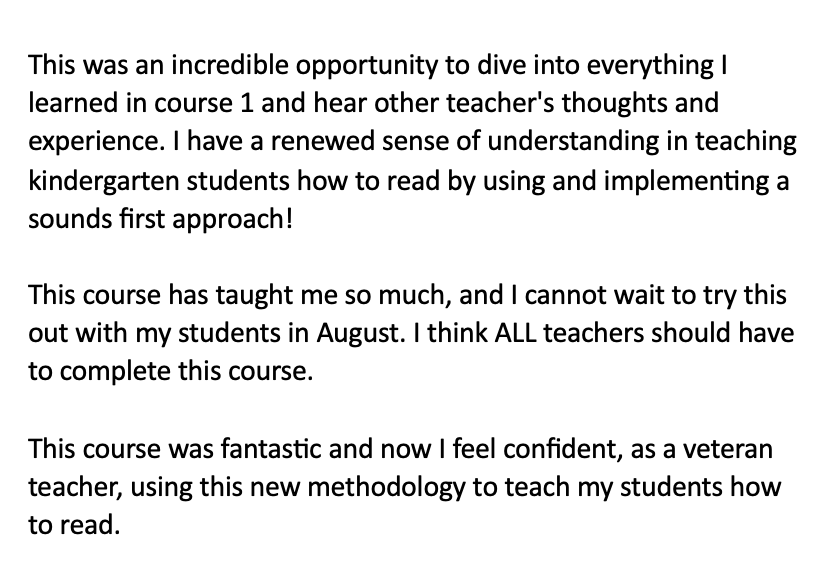
These reflections from the #Reading360 ERT Course 2 survey encapsulate the passion, integrity, and energy from Knox County teachers. I feel lucky to work alongside the teachers I met this week--they are phenomenal!!! @TN_Literacy@TNedu
Say it louder for the people in the back! Just a few of the many awesome reflections from Knox County ERT Course 2. Amazing, thoughtful educators. #Reading360@TNedu