"—¿Qué tipo de trabajo hacía usted para ganar ese “poco dinero” de vez en cuando?
—Lo que se presentara. Yo podía hacer un poco de casi cualquier cosa: manejar lanchas, pintar casas, pilotar aviones. Nunca necesitábamos mucho dinero porque entonces la vida era barata en Nueva Orleáns, y todo lo que quería era un lugar donde dormir, un poco de comida, tabaco y whisky. Había muchas cosas que yo podía hacer durante dos o tres días a fin de ganar suficiente dinero para vivir el resto del mes. Yo soy, por temperamento, un vagabundo y un perezoso. El dinero no me interesa tanto como para forzarme a trabajar para ganarlo. En mi opinión, es una vergüenza que haya tanto trabajo en el mundo. Una de las cosas más tristes es que lo único que un hombre puede hacer durante ocho horas, día tras día, es trabajar. No se puede comer ocho horas, ni beber ocho horas diarias, ni hacer el amor ocho horas… Lo único que se puede hacer durante ocho horas es trabajar. Y esa es la razón de que el hombre se haga tan desdichado e infeliz a sí mismo y a todos los demás".
Fragmento de una entrevista a William Faulkner
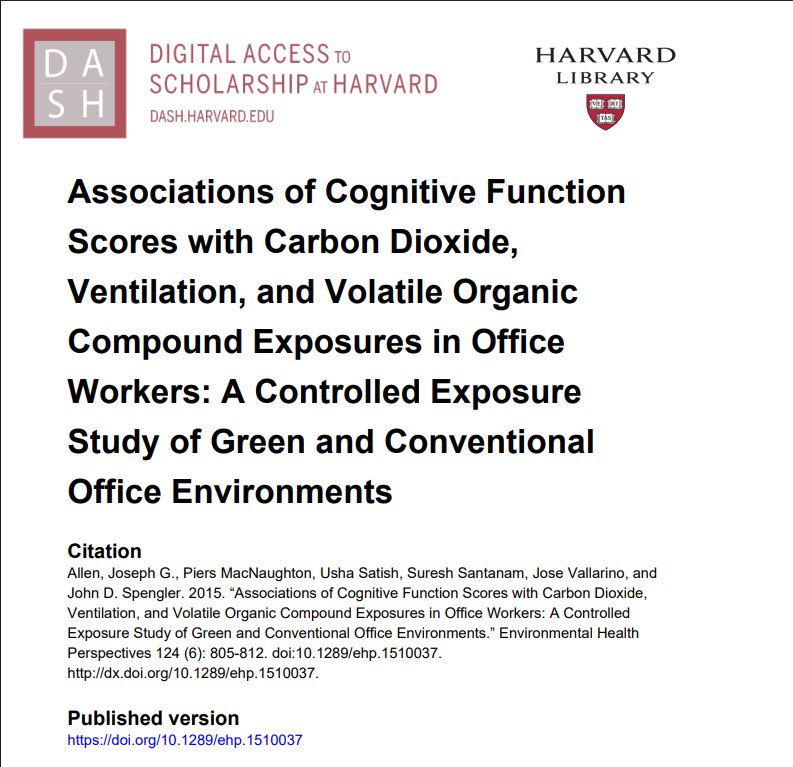
Damn, that’s wild—Harvard stuck 24 office workers in the same room for 6 days, secretly tweaking the air quality (ventilation, CO2, and VOCs from typical office stuff), and their cognitive scores doubled in the cleaner “green+” conditions vs. standard stale setups. Better decision-making, strategy, crisis response—all crushed by poor indoor air we breathe 90% of the time.
Open windows, crank ventilation, cut the junk emitters. Your brain’s paying the price right now. Fix the air, sharpen the mind.
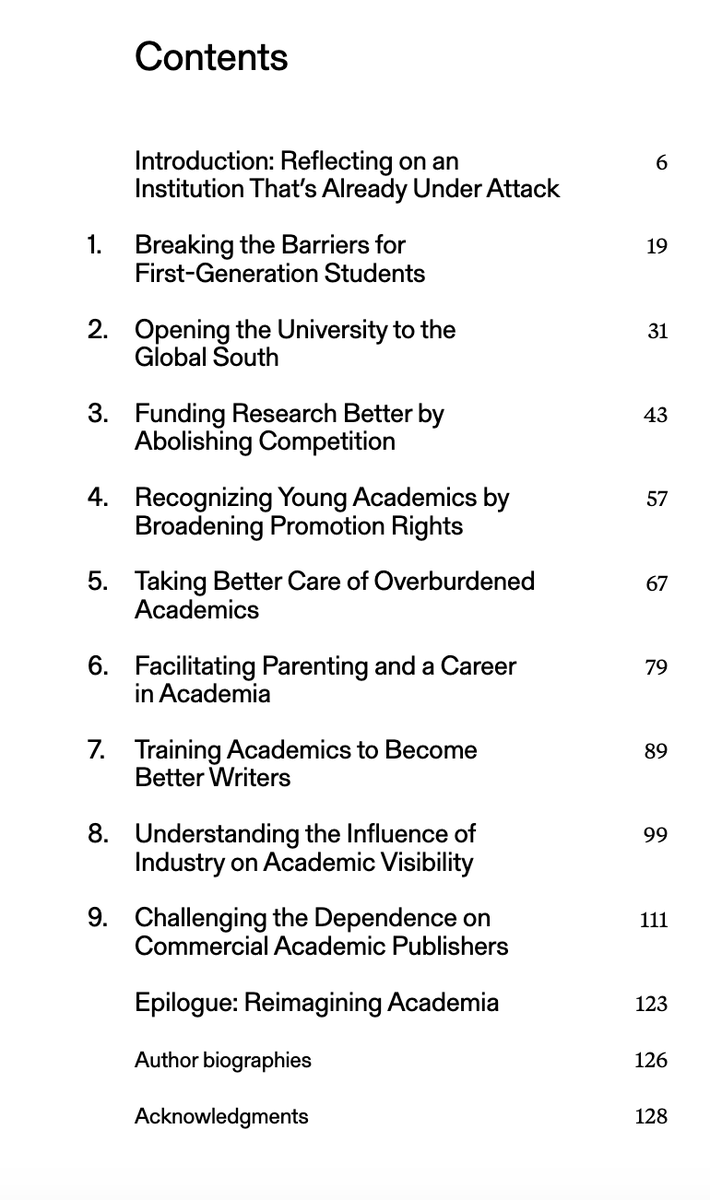
Graduate students increasingly use artificial-intelligence tools to draft, code and search — but many fear it could erode the very skills a doctorate is meant to build
https://t.co/VhWQavdI7h
I hate hate hate this kind of lazy analysis which is becoming increasingly common. Now those of us who have been using because of X, Y and Not X but Y for decades before AI will be treated as suspect because we have learnt through hard work, and years of practice how to write clean, well considered sentences. Now, people who do not read widely enough, people who have not made a habit of reading great, clean sentences will immediately look for these and call it AI.
I teach "the sentence" as the first module when I teach creative writing. I teach many of these so called tell tale signs of AI, many of which are actually useful ways of making a sentence clear. Writing does not have to be messy. It does not have to contain errors. It does not have to be sloppy to be human. You want a writer who respects the reader enough to think deeply about the sentence.
Are more people using AI? Absolutely. Is that writing formulaic and soulless? Very often, yes. But these weird conclusive declarations of how to spot AI are useless and only harm writers who actually pay attention to craft, to voice, to clarity.
Worse for me are when academics, who are notorious for completely soulless, opaque writing that no one has been able to read for the past 50 years complain about AI. Most academics write worse than AI. And maybe they might even find lessons there on how to make research clear and accessible.
Lazy or incompetent editors, in news and academia, who cannot tell good writing from bad if it slapped them in the face are now up in arms about AI as if the old human slop they have been churning out was any better, as if there was some great age of human writing that was being lost. Before AI, journalists and academics have been producing, dead, formulaic work, impressive only to the in-group, all on their own.
It is getting boring.
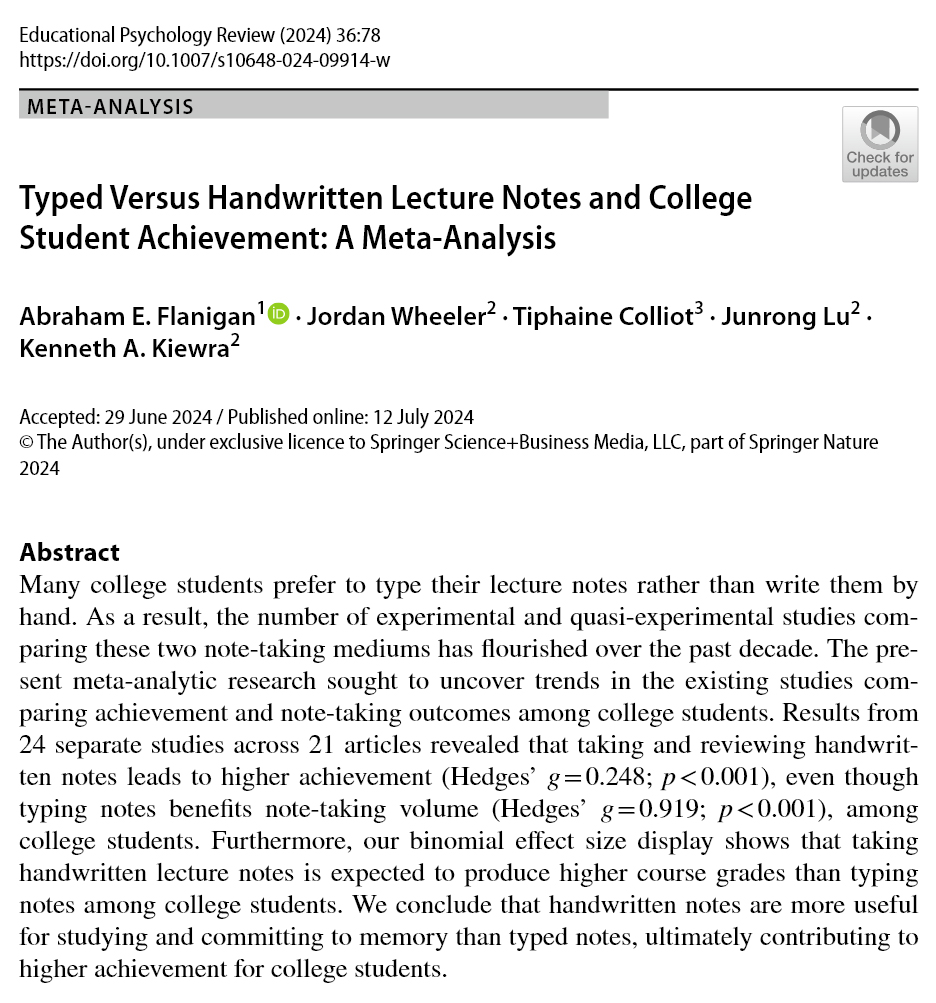
It's time to remove laptops from classrooms.
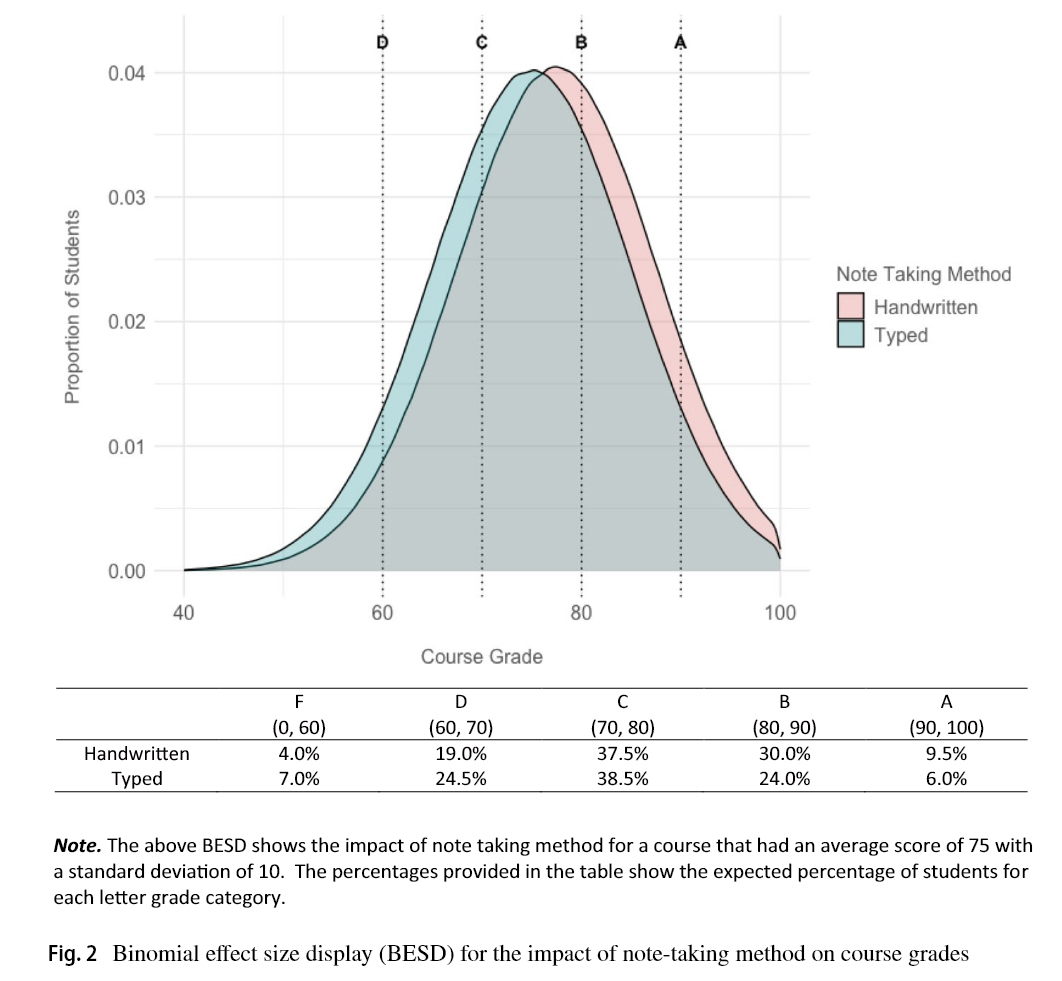
24 experiments: Students learn more and get better grades after taking notes by hand than typing. It's not just because they're less distracted—writing enables deeper processing and more images.
The pen is mightier than the keyboard.
I recently learned that the novelist, Cormac McCarthy, spent several years at the Santa Fe Institute helping scientists write papers.
His advice was condensed into a brief Nature column. The first three points, and some of the final points, are really good. (h/t @eryney_ok)
Broaden your horizon and you will see that the #Sudan conflict is also causing immense suffering, with war crimes ongoing at a horrific scale, little or no attention from Europe media, and close to zero broad solidarity with a population that has gone and continues to go through so much, including famine.