Get ready for hashtag#ESCCongress 2026! 🚀
Follow me and the other official SoME ambassadors for live updates form the Congress!
See you soon in Munich! 🌍 🇩🇪
📣📣📣 #EPeeps!! #EHRA_ESC invite eligible clinicians to participate in a survey entitled “Real-World Adoption and Barriers Associated with Percutaneous Stellate Ganglion Block.”
The survey aims to better understand current clinical practice, patterns of adoption, and perceived barriers associated with the use of percutaneous stellate ganglion block.
We encourage colleagues with relevant experience to participate and to share the survey within their professional networks.
Thank you for contributing your experience and perspective.
🔗 Access the survey here: 👇👇👇
Invest a couple of minutes to answer to our survey on #stellateganglionblock for the treatment of #electricalstorm endorsed by the European Heart Rhythm Association - EHRA and by the Association for Acute CardioVascular Care - ACVC
https://t.co/9pBYEoQK41
Invest a couple of minutes to answer to our survey on #stellateganglionblock for the treatment of #electricalstorm endorsed by the European Heart Rhythm Association - EHRA and by the Association for Acute CardioVascular Care - ACVC
https://t.co/9pBYEoQK41
#EHRAtopicweek on Complications in EP
The Second Victim 💙
Complications also affect us.
Many physicians experience:
💭 Self-doubt
💔 Guilt
😔 Shame
🌫️ Loss of confidence
We are trained to manage complications—but rarely taught how to cope with their emotional consequences.
❤️ Self-compassion isn't weakness. It's an important part of professional resilience.
Remember:
Treat yourself with the same kindness you would offer a colleague.
🤝 You are not alone—supporting one another is part of patient safety.
🔗 Read the study https://t.co/wm9UJTejph
#EHRAtopicweek on Complications in EP
The Second Victim 💙
Complications also affect us.
Many physicians experience:
💭 Self-doubt
💔 Guilt
😔 Shame
🌫️ Loss of confidence
We are trained to manage complications—but rarely taught how to cope with their emotional consequences.
❤️ Self-compassion isn't weakness. It's an important part of professional resilience.
Remember:
Treat yourself with the same kindness you would offer a colleague.
🤝 You are not alone—supporting one another is part of patient safety.
🔗 Read the study https://t.co/wm9UJTejph
#EHRAtopicweek on Complications in EP
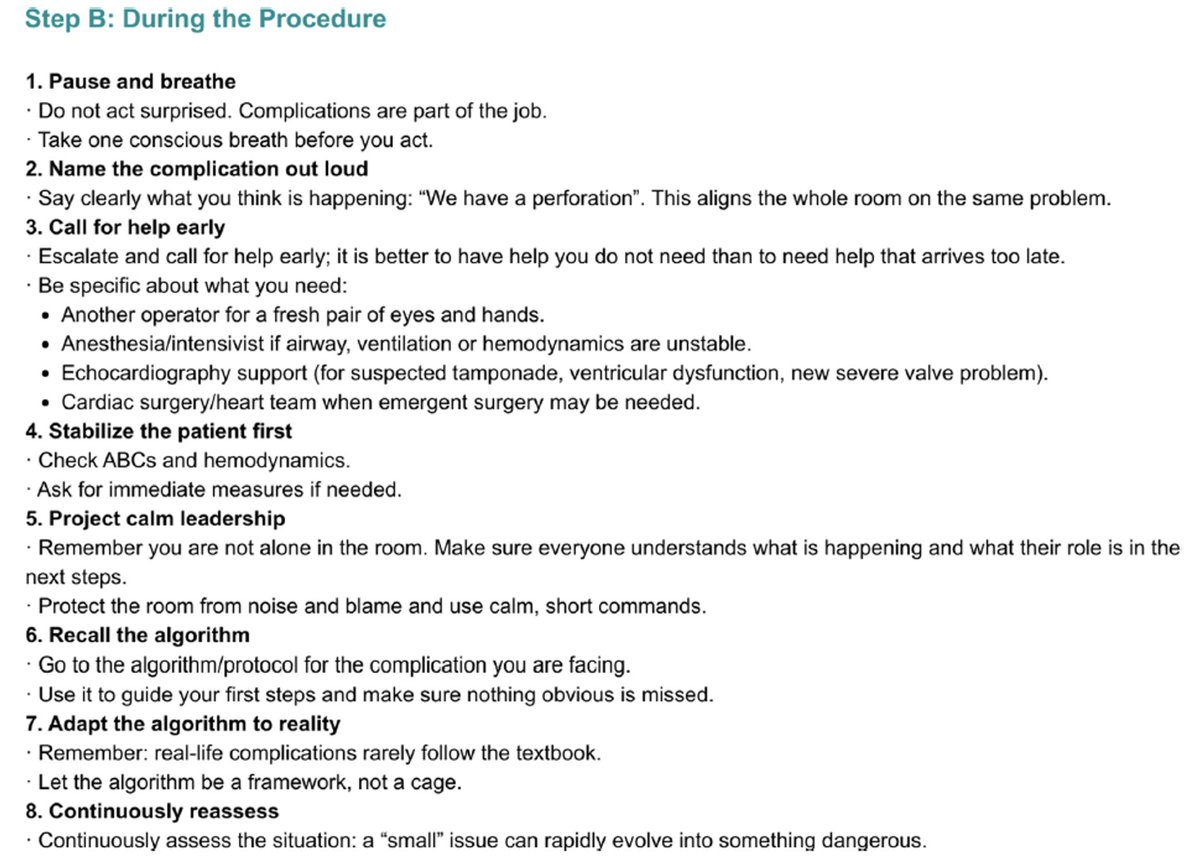
When things go wrong?
Stay calm. Communicate clearly. Assign roles. Call for help early.
The first minutes matter!
When complications occur:
⏸️ Pause and assess the situation.
💬 Communicate clearly with your team.
📋 Follow established protocols.
☎️ Escalate early when additional support is needed.
🧘 Remember that calm leadership is contagious.
The best operators aren't those who never encounter complications—they're those who manage them effectively.
🔗 Read the study: https://t.co/GZEVW6WVf1
❓Question: What's the most valuable lesson you've learned during a difficult case?
#EHRAtopicweek on Complications in EP
The best complication is the one that never happens.
Complication management starts long before entering the EP lab.
Remember:
⚖️ Appropriate patient selection
📋 Careful procedural planning
💬 Team preparation and communication
🔄 Knowing your bailout strategies
🙋 Never hesitating to ask for help
Preparation isn't just technical—it's mental. 🧠
📑 more here: https://t.co/GZEVW6WVf1
#EHRAtopicweek on complications in EP
Serious complications after AF ablation are uncommon and have declined over the last decade.
Recent studies show that:
⚡AF ablation has become safer over the past decade.
⚡Major complications remain uncommon after AF and AFL ablation.
⚡More complex procedures carry higher risks—VT ablation has ~5-fold higher complication rates than AF/AFL ablation.
⚡Growing procedural complexity has contributed to a modest increase in overall complication rates across EP procedures.
⚡Accurate complication reporting matters—and individual case review remains key.
Modern EP is safer than ever—but not simpler. ❤️🩹
🔗 Read more:
https://t.co/ELspPPhrSd
https://t.co/KS14CjVlLi
@GerdHindricks is Professor of Cardiology and Chief Integration Officer at the German Heart Center of Charité – University Hospital Berlin and Acting Director of the Department of Cardiology, Angiology and Intensive Care Medicine at Charité – Campus Charité Mitte. He is a former President of EHRA, past Editor-in-Chief of Europace, and one of the pioneers who has helped shape modern electrophysiology through groundbreaking research, international guidelines and the education of generations of electrophysiologists
https://t.co/gx9fKARvIf
Complications are an inevitable part of EP ❤️🩹
Serious complications have become rarer over the years — but every electrophysiologist will face them sooner or later.
This week's #EHRAtopicweek is dedicated to prevention, management, communication, and the human side of complications.
🎧 New #EHRA_ESC Cardio Talk – Keep the Rhythm, with @GerdHindricks@simovicst & @micaela_ebert
🔗https://t.co/JdT6dKLR4J
– Prevention before the procedure
– Managing complications when they occur
– Leadership and teamwork in difficult moments
– The emotional impact on physicians and teams
– Creating a culture of learning rather than blame
🚨 Registration is OPEN for the Advanced EHRA CIED Course in Geneva!
Join expert faculty for cutting-edge education on:
⚡ Conduction system pacing
⚡ Leadless pacing
⚡ Extravascular defibrillators
⚡ Lead extraction
📅 Reserve your place today:
https://t.co/sofFKiF9Uk
#EHRA #Electrophysiology #Cardiology @escardio@breitensteinale@Dr_JozaEP@HaranBurri@Phiso_de
🚨 Registration is now open for the #EHRA_ESC Certification Exams!
Take the next step in your professional development and validate your expertise in:
⚡️ Invasive Cardiac Electrophysiology (EP)
🔋 Cardiac Implantable Electronic Devices (CIED)
#EHRA_ESC Certification is an internationally recognised benchmark of excellence in heart rhythm management and demonstrates your commitment to the highest standards of patient care.
📅 Limited places available – register early to secure your seat.
��� Learn more and register: https://t.co/BMQBCtZPVD
@escardio @aportasanchez @purerfellner @HaranBurri @SergeBoveda
📖 For more information, remember the EHRA Practical Guide by @SteffelJ in @EuropaceEiC
2021 European Heart Rhythm Association Practical Guide on the Use of Non-Vitamin K Antagonist Oral Anticoagulants in Patients with Atrial Fibrillation
👉 Read more: https://t.co/81FTmYCGjt
#EHRA_ESC @escardio
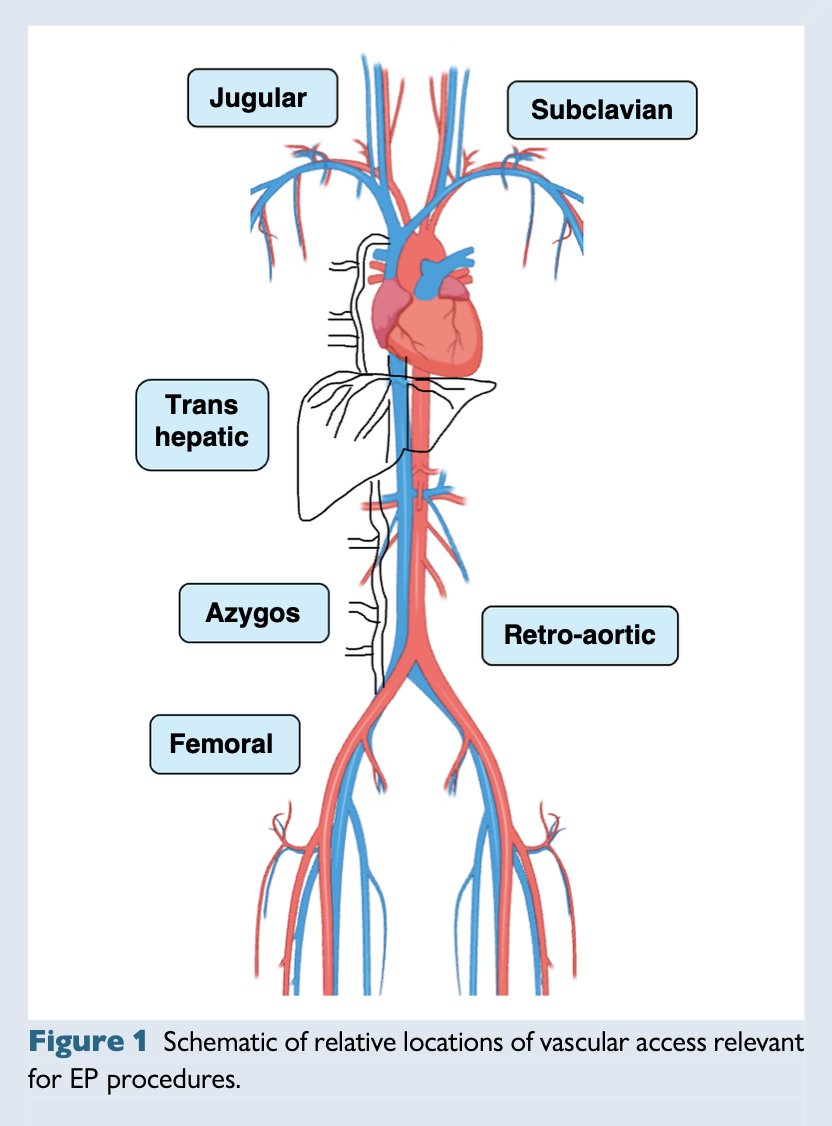
🫀 #EHRAtopicweek | Vascular access in EP
Anticoagulation: key take-home messages in context of vascular access
✅ No interruption of anticoagulation (DOAC or VKA)
✅ Minimally interrupted DOAC (skipping the morning dose) may be reasonable in selected patients.
❌ Avoid heparin bridging in patients on DOACs: it increases bleeding risk
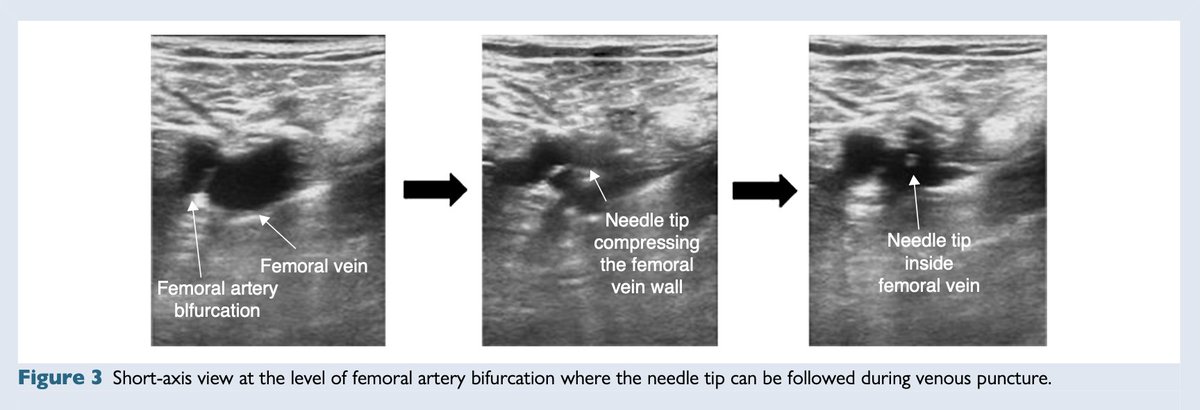
With ultrasound-guided venous access, uninterrupted anticoagulation has become considerably safer by minimizing accidental arterial puncture.
What about protamine?🤔
No randomized trials. Maybe Protamin is “Solution for a problem, that should not exist”?
It may shorten hemostasis and time to ambulation, but carries around 1% risk of hypotension and adverse reactions. In the era of US-guided access and modern closure techniques, routine use may not be necessary and could be reserved for selected cases.
🔄 Resume oral anticoagulation 4–6 hours after the procedure procedure (in no contraindication). In this case, withholding OAC/heparine use can be tailored to the patient specific TE/bleeding risk
Read more 👉 https://t.co/Jw1CHjUzaD
@escardio #EHRA #ESC
📖 Remember the STYLE-AF Trial by @RolandTilz in @EuropaceEiC
Venous vascular closure system vs. figure-of-eight suture after AF ablation
🔹 Multicenter randomized trial (3 German centers)
🔹 125 patients randomized 1:1
Primary endpoint
➡️ Time to ambulation
Primary safety endpoint
➡️ Major periprocedural adverse events until hospital discharge
Results (vascular closure system group):
✅ Time to ambulation: 109 vs. 269 min (P<0.001)
✅ Time to hemostasis: 1 vs. 5 min (P<0.001)
✅ Time to discharge eligibility: 270 vs. 340 min (P<0.001)
✅ No major vascular complications in either group
📉 Trend toward fewer minor access-site complications (11.1% vs. 24.2%, P=0.063)
Read more 👉: https://t.co/fez5r74mtR
#EHRA_ESC @escardio
🫀 #EHRATopicWeek | Vascular access in EP
What are the main vascular closure techniques, and how should we choose between them?
🔹 Arterial access: Vascular closure devices are generally preferred over manual compression.
🔹 Venous access: Several effective options are available.
Both manual compression and subcutaneous figure-of-8 suture provide reliable hemostasis but require several hours of immobilization.
🔹 Venous closure devices (suture-based or collagen plug systems) enable very early ambulation, but at the expense of higher costs.
➡️ In everyday clinical practice, the choice of closure technique should be individualized according to the primary procedural goal (e.g. early ambulation, cost considerations, or workflow).
Read more 👉 https://t.co/Jw1CHjUzaD
@escardio #EHRA_ESC
🚨 Check out the recently published ULYSSES Trial in Europace! @dvidschaack
Read here 👉 https://t.co/toV3Ur6HCE
🔹 Multicenter randomized trial (6 centers, 968 patients)
🔹 Patients undergoing AF/AT ablation randomized to ultrasound-guided vs conventional (palpation-guided) femoral venous access
🔹 Trial stopped early for efficacy after enrollment of half of the planned study population
🔹 Primary endpoint: composite of venous access-site complications within 30 days (AV fistula, pseudoaneurysm, access-site bleeding requiring intervention or prolonged hospitalization)
🔹 Primary endpoint: 0.6% in the ultrasound-guided group vs 3.3% in the conventional group (HR 0.18, 95% CI 0.05–0.63; P=0.02)
Ultrasound-guided vascular access should become the standard of care in EP labs.
@escardio #EHRA_ESC @ehj_ed
🫀 #EHRAtopicweek | Vascular access in EP
How common are vascular complications in everyday EP practice?
Ultrasound-guided vascular access significantly reduces the overall vascular complication rate (1.2% vs. 3.2%) compared with the conventional approach (meta-analysis including 1 RCT and 1 observational study).
✅ Shorter puncture time
✅ Higher first-pass success
✅ Fewer puncture attempts
✅ Fewer inadvertent arterial punctures
✅ Benefits both trainees and experienced operators
Ultrasound-guided vascular access should become standard practice in every EP lab.
Read more 👉 https://t.co/Jw1CHjUzaD
@escardio #EHRA_ESC
And don't overlook the basics 👇
�� Review prior CT/MRI before you scrub in
• Flag high-risk patients early: PVD, dialysis, prior access, hernias
• Let patients drink clear fluids up to procedure time — safe, and better hydration = easier access
• Obese patient? Plan for GA & Valsalva
#EHRAtopicweek
🫀 #EHRAtopicweek | Vascular access in EP
Landmarks alone can deceive you. At lower inguinal punctures, the femoral vein sits posterior to the artery (>50% overlap) in ~24% of cases — and fully lateral in 6%. That's why palpation-guided access carries a real AV-fistula risk.
The fix? Ultrasound-guided access. Better success, fewer complications, especially in difficult or previously failed cases.
Know the anatomy. Image the vessel. Puncture with confidence. 🎯
Read more 👉 https://t.co/Jw1CHjUzaD
@escardio #EHRA_ESC