Head of Department for Arrhythmias & Electrophysiology, UCC Kragujevac | Medical Faculty, Kragujevac | Chair of #EHRA_ESC Digital & AI committee l @CybenceOrg
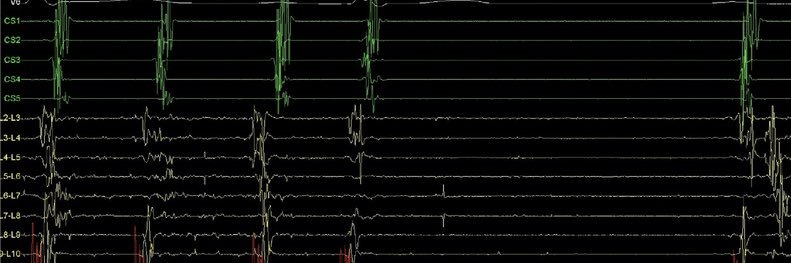
Do oesophageal temperature probes actually make left atrial ablation safer and are we still using them?
That’s the question behind the new EHRA Scientific Initiatives Committee survey on the contemporary use of oesophageal temperature probes (ETPs) during left atrial ablation and the subject of our latest #EHRA_SICsays conversation with @AriSultanEP.
232 physicians from 37 countries responded and the picture is far from uniform. ETPs are used predominantly during thermal ablation, while their use with pulsed field ablation is uncommon. Even when probes are used, temperature thresholds and the response to temperature excursions vary considerably between centres.
The key issue isn’t simply whether we monitor temperature. It’s what that monitoring actually achieves. Current randomized and observational evidence has not established that ETPs prevent oesophageal injury or atrio-oesophageal fistula, and 56% cited lack of evidence for AEF prevention as a reason for not using them. Meanwhile, the growing use of PFA is reshaping oesophageal protection strategies altogether.
🎙️ Watch the discussion with @AriSultanEP 👇
📄 Read the full manuscript: https://t.co/46SFvcd9R1
Does oesophageal temperature monitoring still have a place in your left atrial ablation workflow?
#EHRA_SICsays #EHRA_ESC #EPeeps #AtrialFibrillation #CatheterAblation #PulsedFieldAblation #Electrophysiology
@LauraPerotta@JarkkoKarvonen@jongichun@micaela_ebert@DrCherylTeresEP@HaranBurri@veramasloo@drtahasahin@AugustoMeretta@JacopoImberti@cespon_maria@jadczyk@Fede79Miglio@CarolRemme@LA_Stanciulescu@VerenaTscholl@Amar__taha@mattans5@AmrAbdin10@JuliaCTourigny@DrMarkMills@RachelterBekke@FraSantoroMD@Pierre_Olt@cris_lozano@LinaMarcantoni@ChristianHeeger
🎙️ New #EHRA Cardio Talk – Keep the Rhythm!
@simovicst talks with Georgia Sarquella Brugada & @GiulioConteMD about the new #EHRA_ESC Clinical Consensus Statement on rare primary arrhythmia syndromes in children&adults.
🎧 https://t.co/sfWl6vofky
📖 https://t.co/CEl2NV8MMT
Who is behind #EHRA_ESC? 👋❤️
The new EHRA Board brings together colleagues working across the many areas that make our community thrive:
🎓 Education
🔬 Science
❤️ Patient initiatives
🤖 Digital & AI
🌍 Diversity & international collaboration
🧬 Genetics
🌱 Young EP
📣 Advocacy & communication
🎤 Congress & more
And behind them? Committees, volunteers and members sharing their expertise, energy and ideas. 🤝
EHRA is much more than its President or Board �� it’s a diverse, international community working together to shape the future of electrophysiology. ⚡🌍❤️
#EHRATopicWeek #EHRA_ESC #EHRAEducation #ScientificInitiatives #DigitalHealth #PatientInitiatives #YoungEP #ECommunications #EHRA2027 #Leadership #Electrophysiology
A new EHRA presidency ❤️
A new chapter for #EHRA_ESC.
What should EHRA look like in the years ahead?
In the latest #EHRA_ESC Cardio Talk – Keep the Rhythm podcast, @micaela_ebert, Chair of the EHRA E-Communications Committee, talks with @HaranBurri, incoming EHRA President, about his vision for the future of EHRA.
🎧 Listen: https://t.co/TA0oMjPa3N
This week, #EHRATopicWeek asks: what should EHRA’s priorities be for the future?
#EPeeps #Electrophysiology #EHRAEducation #ScientificInitiatives #DigitalHealth #PatientInitiatives #YoungEP #ECommunications #Electrophysiology #Leadership @purerfellner@SergeBoveda@SteliosTzeis@DanielScherr3@DrCherylTeresEP
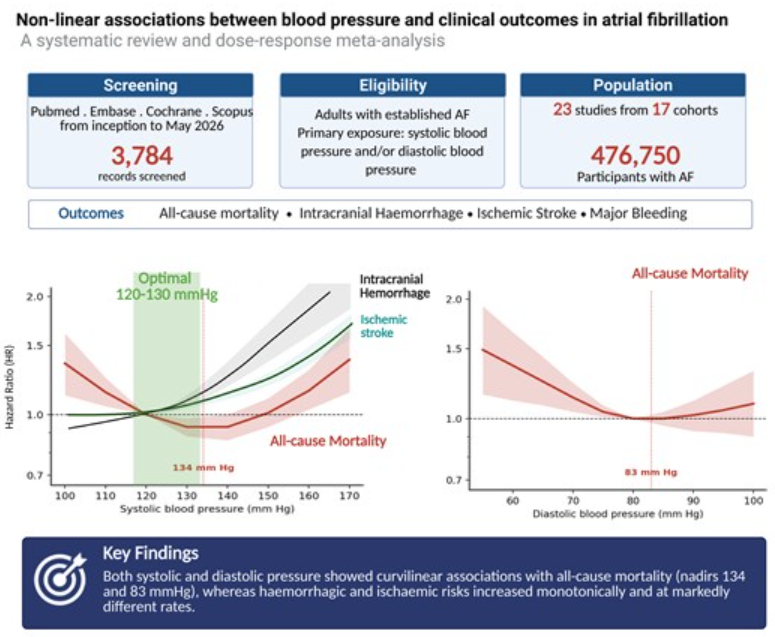
How low should we go with BP in atrial fibrillation?
Our #ESC2026 study, simultaneously published in @EuropaceEiC , suggests a “sweet spot”:
🔹 SBP ~120–130 mmHg
🔹 Avoid DBP <75–80 mmHg
🔹 Lower is not always better
In AF, both numbers matter.
https://t.co/c8DOEttImC
#AtrialFibrillation #Hypertension
@ElnazShmohamadi@melissaemm1@Elliott_AD@JonathanAriya
68.4% of arrhythmia professionals have had no training in equity or inclusive care.
Only 25.1% work somewhere with a formal diversity policy.
New #EHRA_SICsays 🎙️ with Maura Zylla & @simovicst on the EHRA survey on diversity, equity & inclusion in arrhythmia care.
▶️ Watch the video 👇
📄 Read more here : https://t.co/mrWxrJQqyW
4/4 🧵
Why?
The apparent discrepancy between these 2 papers is largely explained by differences in study design & analytical approach, not by conflicting evidence.
Critical appraisal, is essential for interpreting the medical literature! (⏫to 1/4 to understand more!)
@drjohnm
1/4🧵
CSP is the future of pacing, but evidence is still evolving.
In this issue of @EuropaceEiC, 2 meta-analyses compare #CSP and BiVP in #HFrEF. Our editorial discusses why a careful interpretation of these apparently conflicting results is essential.
🖇️https://t.co/MAy5l2YH0K
#EHRAtopicweek on Complications in EP
The Second Victim 💙
Complications also affect us.
Many physicians experience:
💭 Self-doubt
💔 Guilt
😔 Shame
🌫️ Loss of confidence
We are trained to manage complications—but rarely taught how to cope with their emotional consequences.
❤️ Self-compassion isn't weakness. It's an important part of professional resilience.
Remember:
Treat yourself with the same kindness you would offer a colleague.
🤝 You are not alone—supporting one another is part of patient safety.
🔗 Read the study https://t.co/wm9UJTejph
#EHRAtopicweek on Complications in EP
When things go wrong?
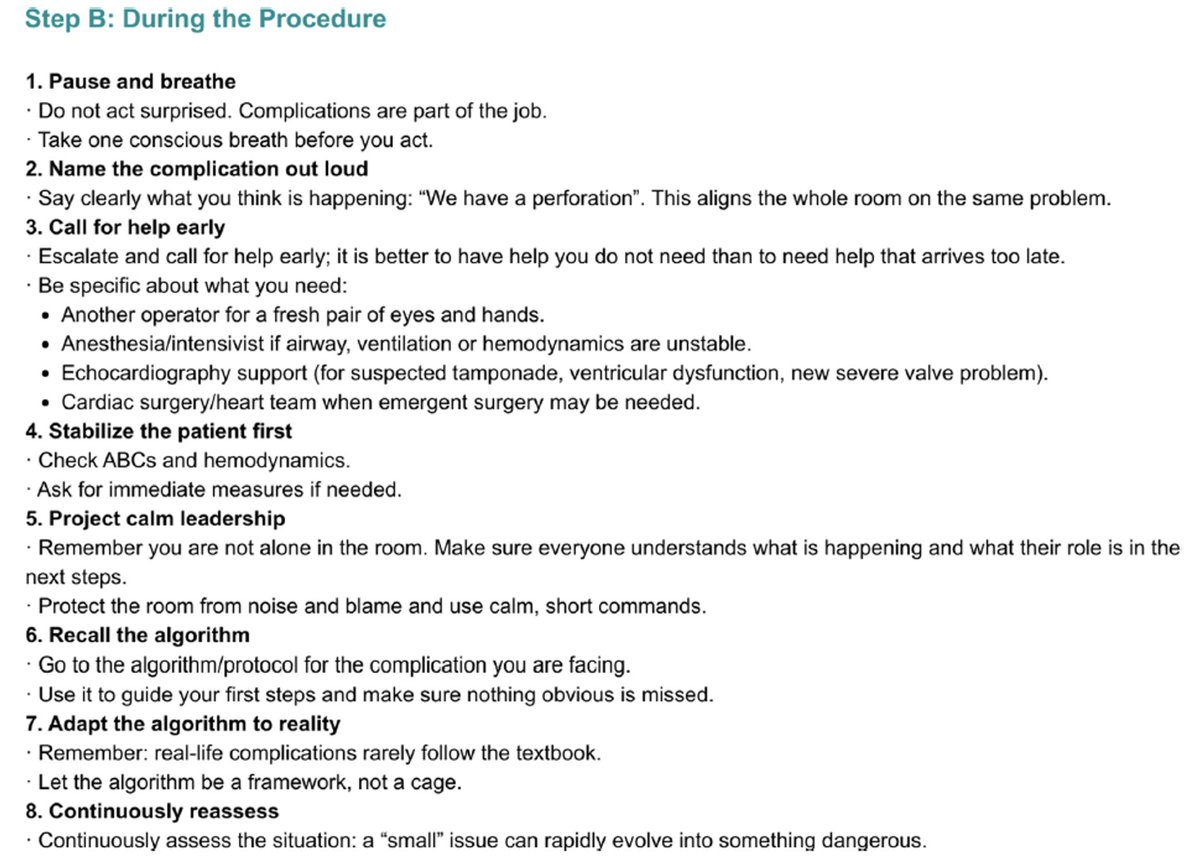
Stay calm. Communicate clearly. Assign roles. Call for help early.
The first minutes matter!
When complications occur:
⏸️ Pause and assess the situation.
💬 Communicate clearly with your team.
📋 Follow established protocols.
☎️ Escalate early when additional support is needed.
🧘 Remember that calm leadership is contagious.
The best operators aren't those who never encounter complications—they're those who manage them effectively.
🔗 Read the study: https://t.co/GZEVW6WVf1
❓Question: What's the most valuable lesson you've learned during a difficult case?
#EHRAtopicweek on Complications in EP
The best complication is the one that never happens.
Complication management starts long before entering the EP lab.
Remember:
⚖️ Appropriate patient selection
📋 Careful procedural planning
💬 Team preparation and communication
🔄 Knowing your bailout strategies
🙋 Never hesitating to ask for help
Preparation isn't just technical—it's mental. 🧠
📑 more here: https://t.co/GZEVW6WVf1
#EHRAtopicweek on complications in EP
Serious complications after AF ablation are uncommon and have declined over the last decade.
Recent studies show that:
⚡AF ablation has become safer over the past decade.
⚡Major complications remain uncommon after AF and AFL ablation.
⚡More complex procedures carry higher risks—VT ablation has ~5-fold higher complication rates than AF/AFL ablation.
⚡Growing procedural complexity has contributed to a modest increase in overall complication rates across EP procedures.
⚡Accurate complication reporting matters—and individual case review remains key.
Modern EP is safer than ever—but not simpler. ❤️🩹
🔗 Read more:
https://t.co/ELspPPhrSd
https://t.co/KS14CjVlLi
Complications are an inevitable part of EP ❤️🩹
Serious complications have become rarer over the years — but every electrophysiologist will face them sooner or later.
This week's #EHRAtopicweek is dedicated to prevention, management, communication, and the human side of complications.
🎧 New #EHRA_ESC Cardio Talk – Keep the Rhythm, with @GerdHindricks@simovicst & @micaela_ebert
🔗https://t.co/JdT6dKLR4J
– Prevention before the procedure
– Managing complications when they occur
– Leadership and teamwork in difficult moments
– The emotional impact on physicians and teams
– Creating a culture of learning rather than blame
🚨 Registration is OPEN for the Advanced EHRA CIED Course in Geneva!
Join expert faculty for cutting-edge education on:
⚡ Conduction system pacing
⚡ Leadless pacing
⚡ Extravascular defibrillators
⚡ Lead extraction
📅 Reserve your place today:
https://t.co/sofFKiF9Uk
#EHRA #Electrophysiology #Cardiology @escardio@breitensteinale@Dr_JozaEP@HaranBurri@Phiso_de
🫀 #EHRATopicWeek | Vascular access in EP
What are the main vascular closure techniques, and how should we choose between them?
🔹 Arterial access: Vascular closure devices are generally preferred over manual compression.
🔹 Venous access: Several effective options are available.
Both manual compression and subcutaneous figure-of-8 suture provide reliable hemostasis but require several hours of immobilization.
🔹 Venous closure devices (suture-based or collagen plug systems) enable very early ambulation, but at the expense of higher costs.
➡️ In everyday clinical practice, the choice of closure technique should be individualized according to the primary procedural goal (e.g. early ambulation, cost considerations, or workflow).
Read more 👉 https://t.co/Jw1CHjUzaD
@escardio #EHRA_ESC
🫀 #EHRAtopicweek | Vascular access in EP
How common are vascular complications in everyday EP practice?
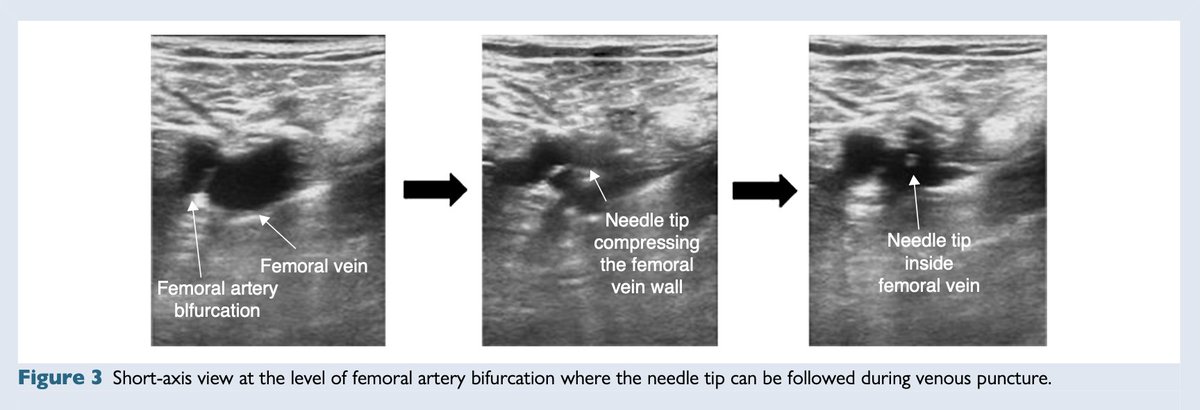
Ultrasound-guided vascular access significantly reduces the overall vascular complication rate (1.2% vs. 3.2%) compared with the conventional approach (meta-analysis including 1 RCT and 1 observational study).
✅ Shorter puncture time
✅ Higher first-pass success
✅ Fewer puncture attempts
✅ Fewer inadvertent arterial punctures
✅ Benefits both trainees and experienced operators
Ultrasound-guided vascular access should become standard practice in every EP lab.
Read more 👉 https://t.co/Jw1CHjUzaD
@escardio #EHRA_ESC
New #EHRA_ESC CardioTalk podcast episode is out! 🚨
This month we are talking about a fundamental to every electrophysiologist topic, which often does not receive enough attention - Vascular access and closure management for EP interventions
Join @tomdepotter@simovicst@micaela_ebert sharing their expertise 🎙️
@escardio