And we are live! We have a new webpage where you can find out more about how and why we are studying straw colored fruit bats. Please share and check it out https://t.co/I0qOG4lynW
There is to date not a single documented case of virus transmission from #Eidolon - but sadly we witness ongoing roost destruction (not only but often) due to fear
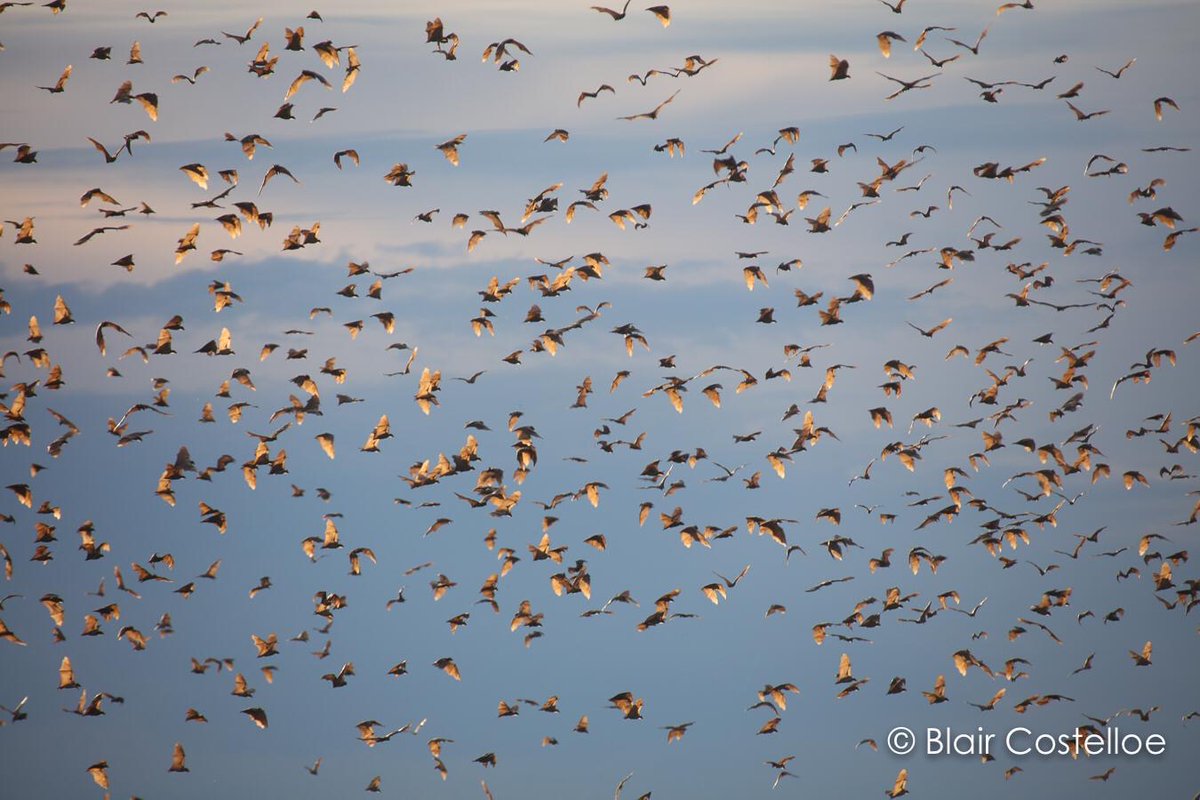
Straw-coloured fruit bats are the most abundant African bats. As a new study shows, there is no evidence for widespread transmission of viruses by this fascinating animals. https://t.co/p9yEEIY3ch #virology#zoonoses@MPI_animalbehav
A new #BiologyLetters systematic review shows that robust evidence for bats as reservoir hosts is lacking in most African virus studies. It calls to optimise sampling and conserve bats. Read it in full here - https://t.co/lMfOIKeCF0 #epidemiology#Chiroptera#virus
Though being silent for so long (sorry!!!), the network continues to monitor and protect #Eidolon, and we have a lot to do... and that's why this paper is important - we're so excited and happy it's out now 🦇🦇
big day for me, this paper is hugely important. please share : using #Africa as an example we reviewed #bat#virus research and the result is baffling. This is a call to plan bat virus research and present results carefully! https://t.co/zHyHTjCnxG @MPI_animalbehav@ReederLab
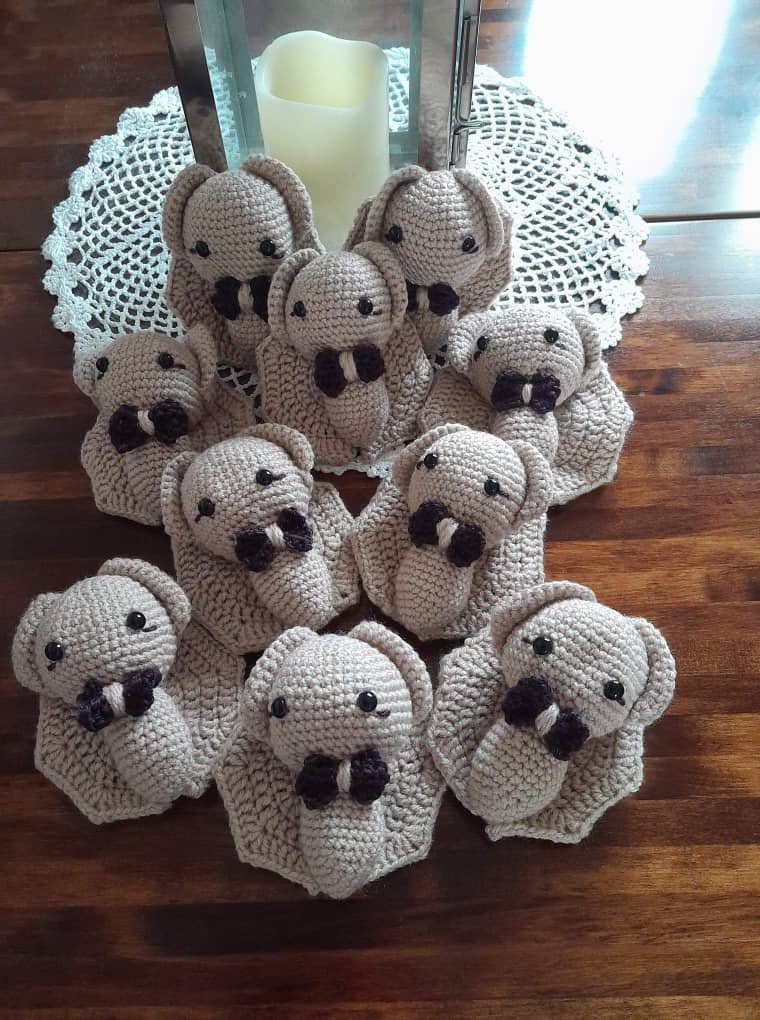
Glenys, the guardian angel of the #eidolon colony in Ndola, Zambia is already preparing for the return of her bats. She‘ll do a painting competition in schools around the colony and the winners get a…#bat of course. Go Glenys! @eidolonnetwork@EdwardHurme@bats_w_borders
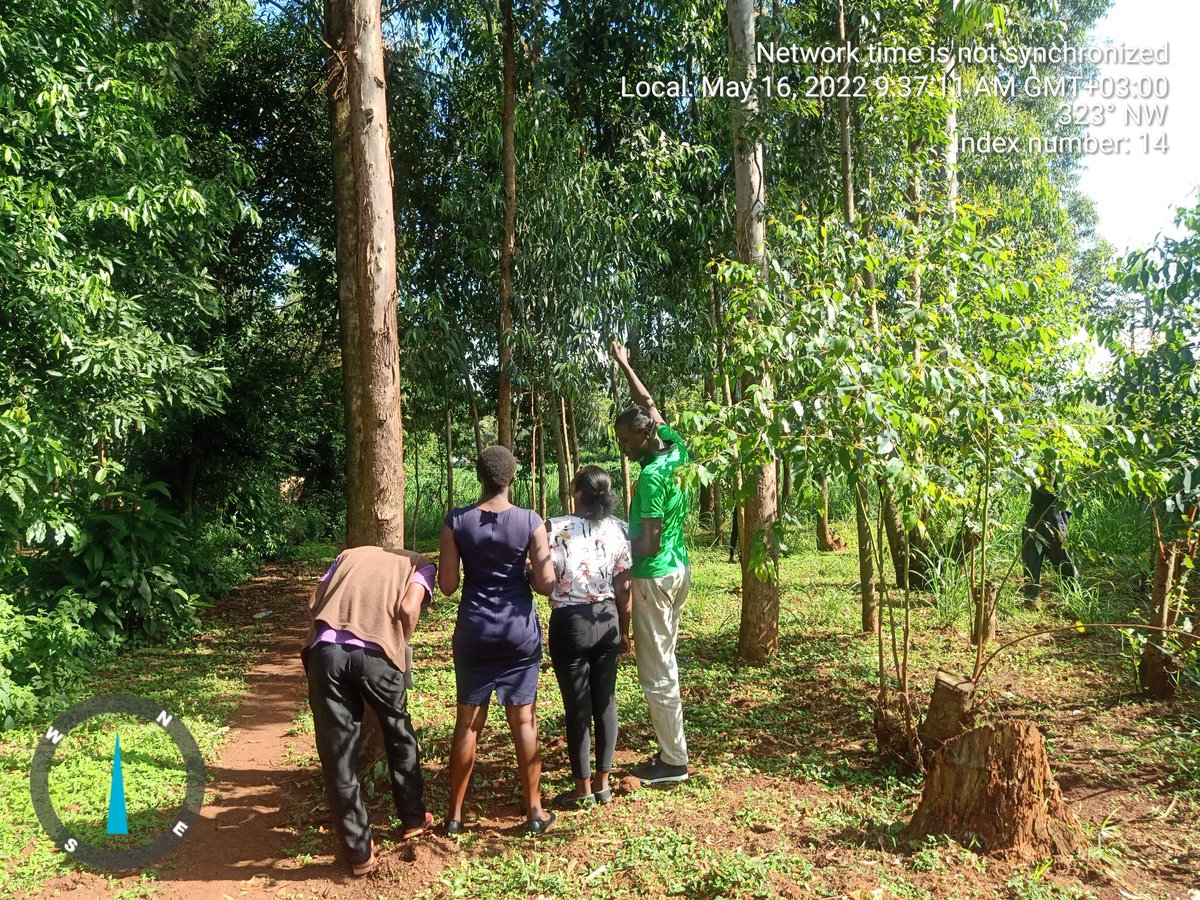
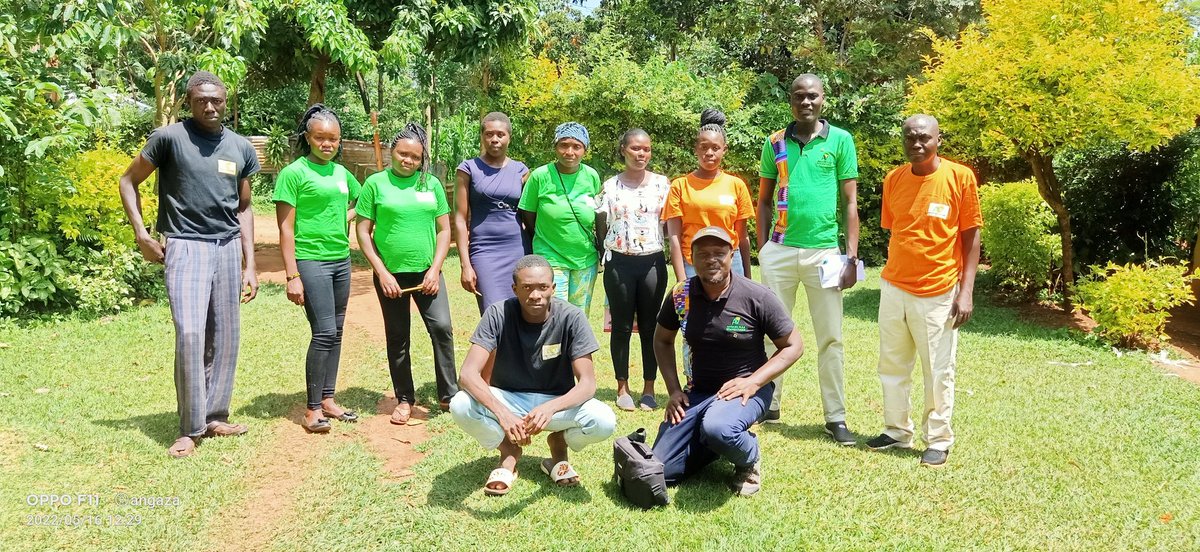
@RwandaWildlife is keeping us up to date about 5 Eidolon roosts in Rwanda, and training community bat champions like @AVijiji. Thanks for all your efforts!!! https://t.co/gbOpz0ZsWf
We're happy Juliet Jabaty is back with us to continue monitoring the 🦇🦇in Sierra Leone https://t.co/6eWGJihUdl, supported by another long-standing contact @e88lavalie - thanks for taking on this task for conservation!