I'm struggling with the definition of Nociplastic Pain. It doesn't preclude the existence of peripheral nociception but hinges on our definition of "damage".
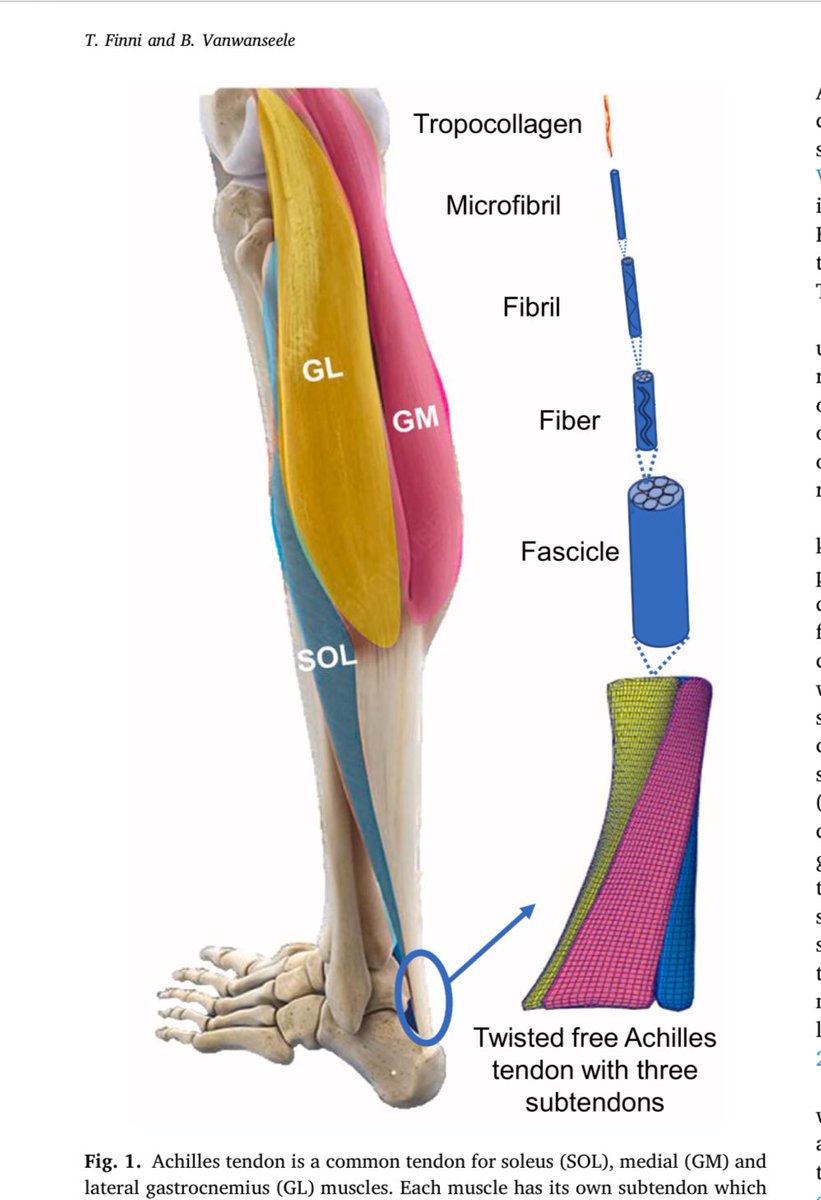
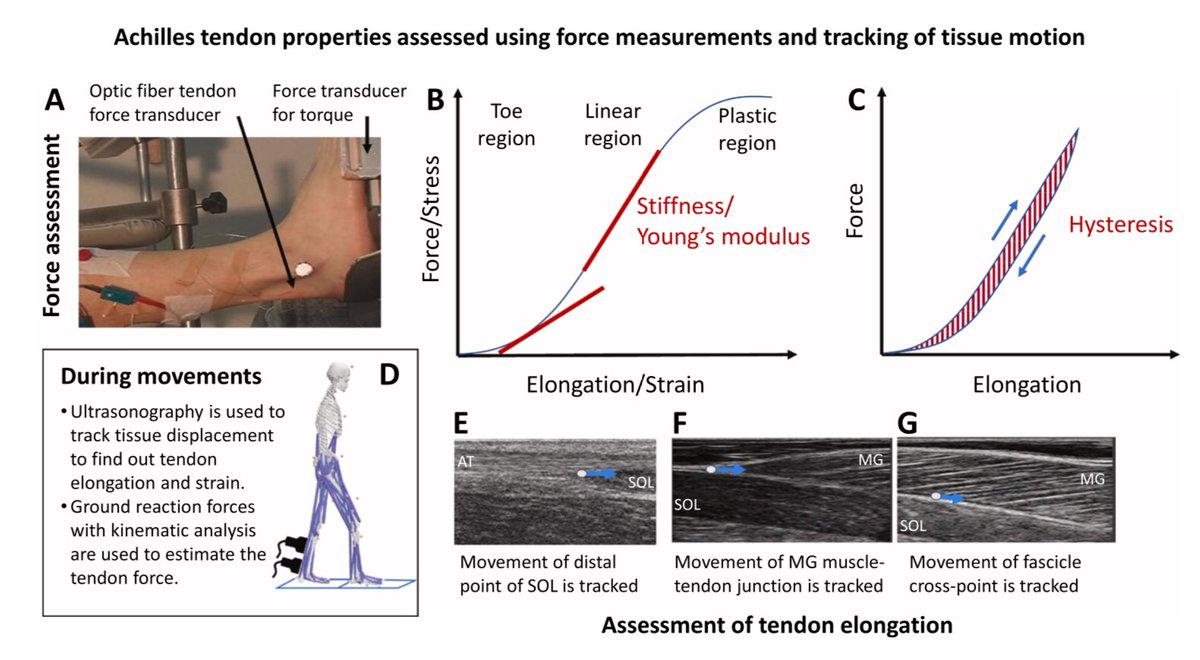
For eg, Could we call tendinopathy nociplastic pain?
Is tendinosis damage? If not, then its nociplastic
Why does pain often last LONG after healing should be done? Why do 20-year-old ankle sprains still throb & twinge?
We may finally know! Willemen et al.: “mitochondrial and metabolic disturbances in sensory neurons.”
https://t.co/yUxdzIjTSQ
Clear as mud? Let’s translate that…
Do you know the differences between your disc bulges & your herniations? How they classified?
I've been playing about with some illustrations for my 'Navigating Painful Radiculopathy course in 2024. So here we go.
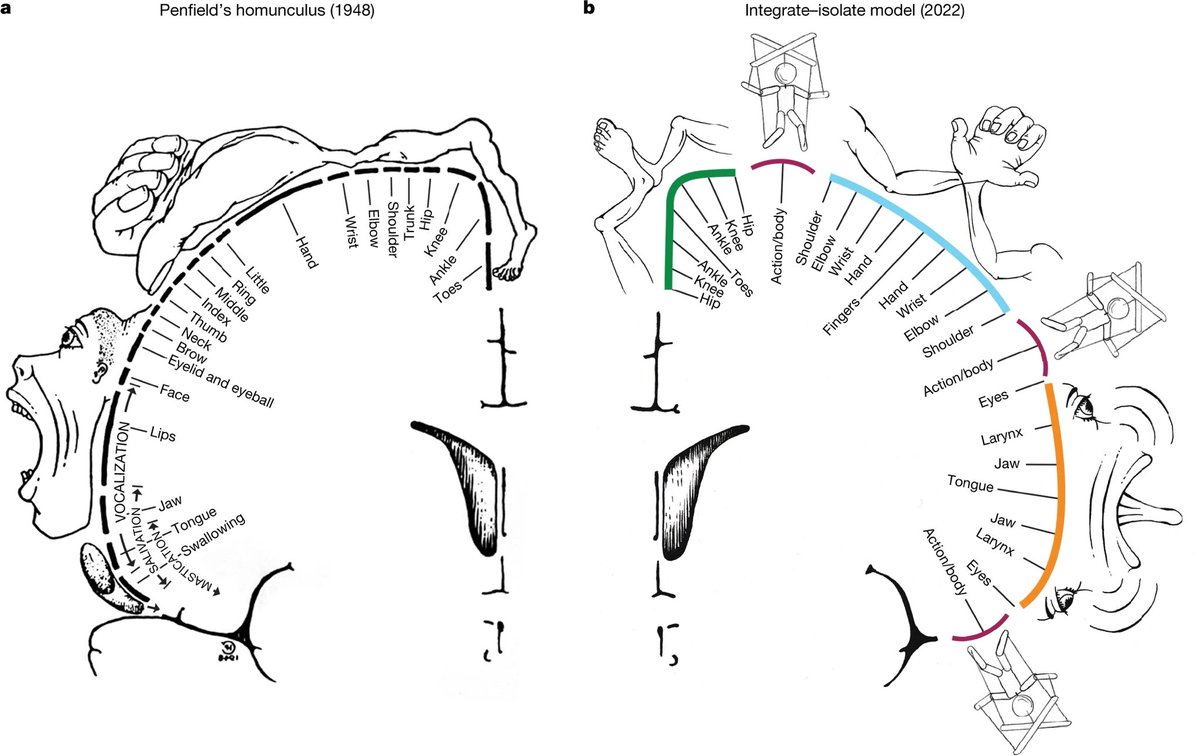
1/14 Just out in eLife https://t.co/Ui27CYSfWP: Against Cortical Reorganization, a critical review by Tamar Makin and John Krakauer @blamlab, challenging historical perspectives on remapping. A great resource for educators developing seminars/modules on brain plasticity! A thread
Great figure👏Before dig into blocks, remember👇:
Brachial plexus supplies cutaneous& muscular innervation to upper extremity with EXCEPTION of:
●Trapezius muscle(accessory n).
●Shoulder cape(superficial cervical plexus).
●Small area of skin near axilla (intercostobrachial n)
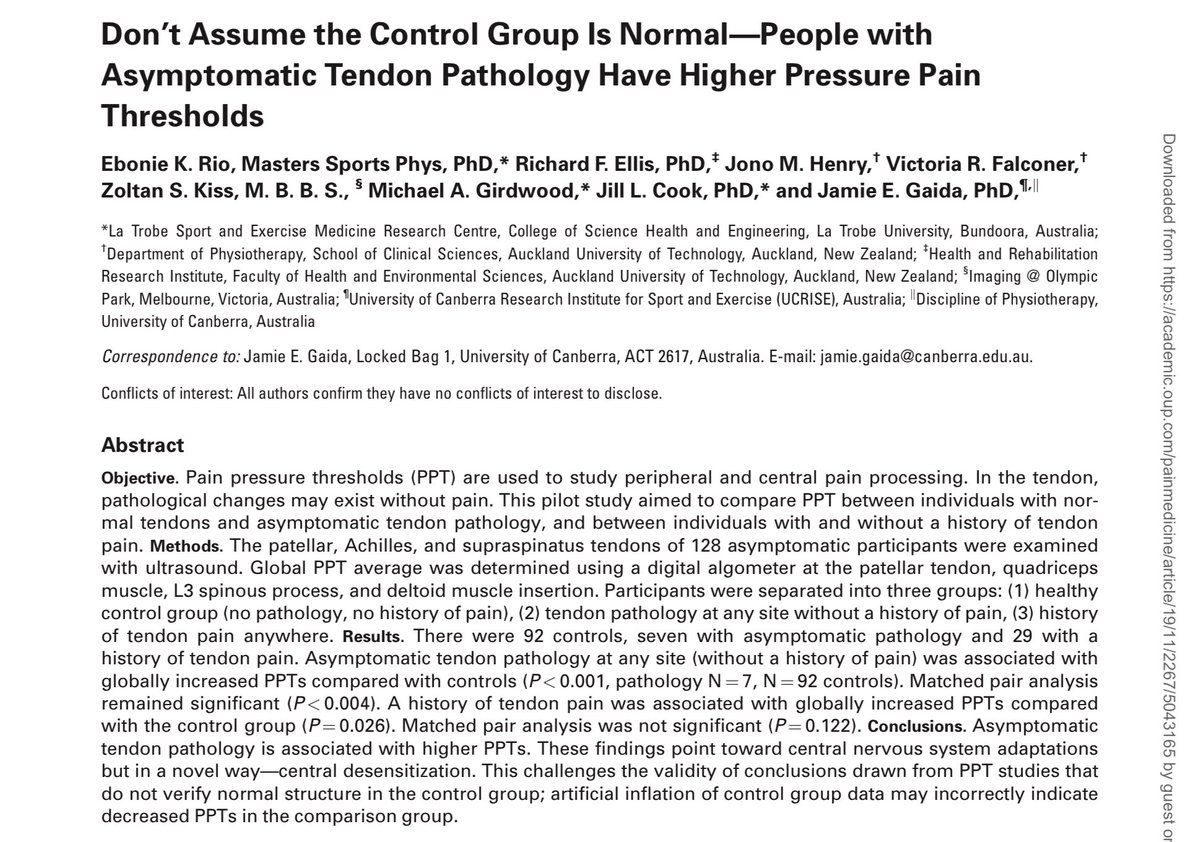
Don’t Assume the Control Group Is Normal—People with Asymptomatic Tendon Pathology Have Higher Pressure Pain Thresholds
https://t.co/95U3cszbRJ
Asymptomatic tendon pathology is associated with higher PPTs. point toward central adaptations novel way central desensitization
Pain science is complex, what is your go-to elevator pitch to explain how manual therapy works if a patient (who is currently receiving it from you) asks?
Looking for the best simple, short and intellectually honest one
PS: inaccurate descriptions are allowed if you explain why
A patient who reports 11 out of 10 pain is really telling you they’re petrified that you won’t understand the impact their pain is having on them.
They’re not mad or bad with maths. They’re just scared you won’t listen.
Time to share some 'OPEN ACCESS' gold.
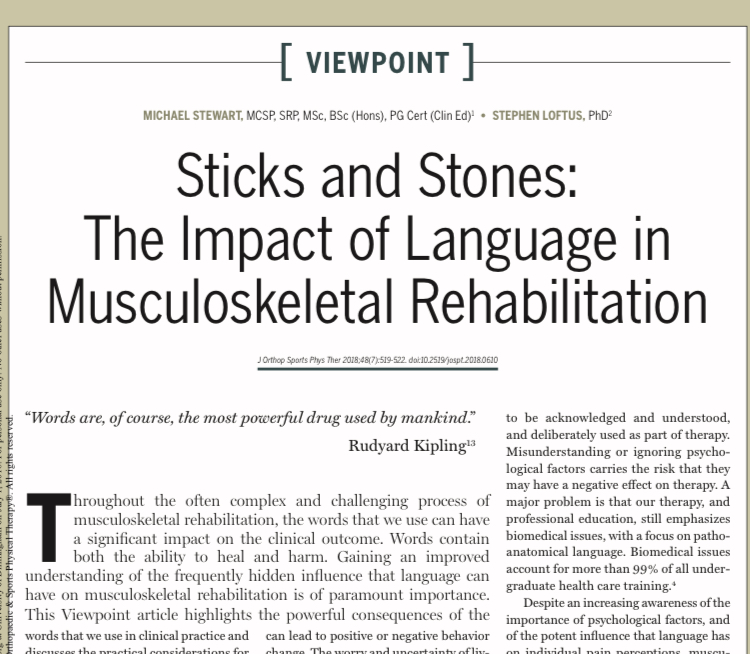
This beauty is 4 years old but is a great introduction to the research around the impact of msk clinicians' words/messages on clinical outcomes.
Spoiler: they have immense power, both to heal and to HARM!
https://t.co/5OADWmZVfR
@Sara_BruGarcia This is from my textbook, which I guess is as good an intro as any: https://t.co/ZfmmU31GNy For a deeper dive, if you already know the basics, I recommend the references in that chapter - those are the papers I think are worth reading.
I am interested in learning more about rapid approaches to qualitative research (not in the place of other methods; just to add to my methodological toolbox). Do you have any favorite articles? Sharing the ones I've been reading below.
I’m never getting tired of annoying my coauthors, course participants and consultees in suggesting to fit a statistical model to simulated data first, before you unleash it on experimental or field data. Happy to see these 3 recent articles in my favor. ⬇️