This is the problem with all the AI “security researchers”, they get “tricked” by Claude that something is valid, and then don’t report it because they know it’s bs. Because the real goal is clout on Twitter not security research.
@hakluke For me the only thing that changed due to ai is giving new perspective to things, a surface that i haven't touched thinking it looks neat to me but an idea pops up due to something this piece of code said and the next thing i know is me finding a gem in there.
يصف دكتور منصور خالد " هذه النخبة بأنها وقعت في ما يشبه الحلقة المفرغة من الأخطاء المتكررة، إذ تعيد إنتاج الأزمات نفسها دون أن تتعلم من التجارب السابقة".
I want to share a quick thought for people in cyber security. This will be my longest tweet ever.
I’ve spoken to many lately who are having an existential crisis from the constant posts about “the end of cybersecurity jobs.”
Yes, things are changing quickly. This is a significant moment for the tech industry. Change can be uncomfortable. But we’ve seen cycles like this before.
• When GitHub and open source took off, people said software engineers would disappear because code was free.
• When AWS and cloud computing emerged, people said infrastructure jobs would vanish.
• When fuzzing and SAST tools improved, people said vulnerability research would disappear.
• Virtualization would eliminate infrastructure jobs.
• Mobile computing was going to end desktop dev.
• Exploit mitigations would end exploitability. It didn't.
Each time automation improved, the amount of software grew faster than the automation. It does feel "different" this time as it's explosive.
Some roles will shrink:
• repetitive pentesting
• basic vulnerability scanning
• tier-1 SOC monitoring
But other areas are expanding rapidly:
• AI system security
• supply chain security
• identity architecture
• autonomous agent security
• critical infrastructure protection
Historically, every time we eliminate one class of bugs, new classes emerge. Right now people are vibe-coding entire systems, giving AI access to their machines, crossing trust boundaries, and deploying autonomous agents with excessive permissions. The legal and regulatory world is nowhere close to ready.
There will absolutely be new failure modes. Humans are amazing and always adapt, finding new ways to do things.
The worst thing you can do right now is fall into a doom loop.
...and I’ll be honest, I too have felt the "psychological paralysis" a few times thinking, “Is this time different?” It's especially impactful when it comes from someone I respect in the community. There are certainly unknowns, in an industry where we've become accustomed to predictability.
But... the majority of those reactions are usually driven by social media, not reality. Platforms like X reward engagement, and sensational doom posts spread faster than measured thinking.
If you see something like:
“Holy #$%^! Opus 66.6 just found every bug in Chrome and replaced 50 startups!”
…mute it and move on.
Instead:
Stay curious.
Learn the new technology.
Adapt your skillsets.
Build things.
We’ll get through this transition the same way we always have. If I'm wrong then Sam Altman better be right about UBI! :) I'm sure that if this tweet gets any engagement that I'll get some heat for it, but a good friend of mine reminds me often to focus on what you have control over. I'll revisit this tweet at DEF CON 40!
It's so funny to see u.s clears all military bases in the middle east from its employees and war gears leaving arab countries defenseless, the countries that paid tons of money to "get defended by United States" :)
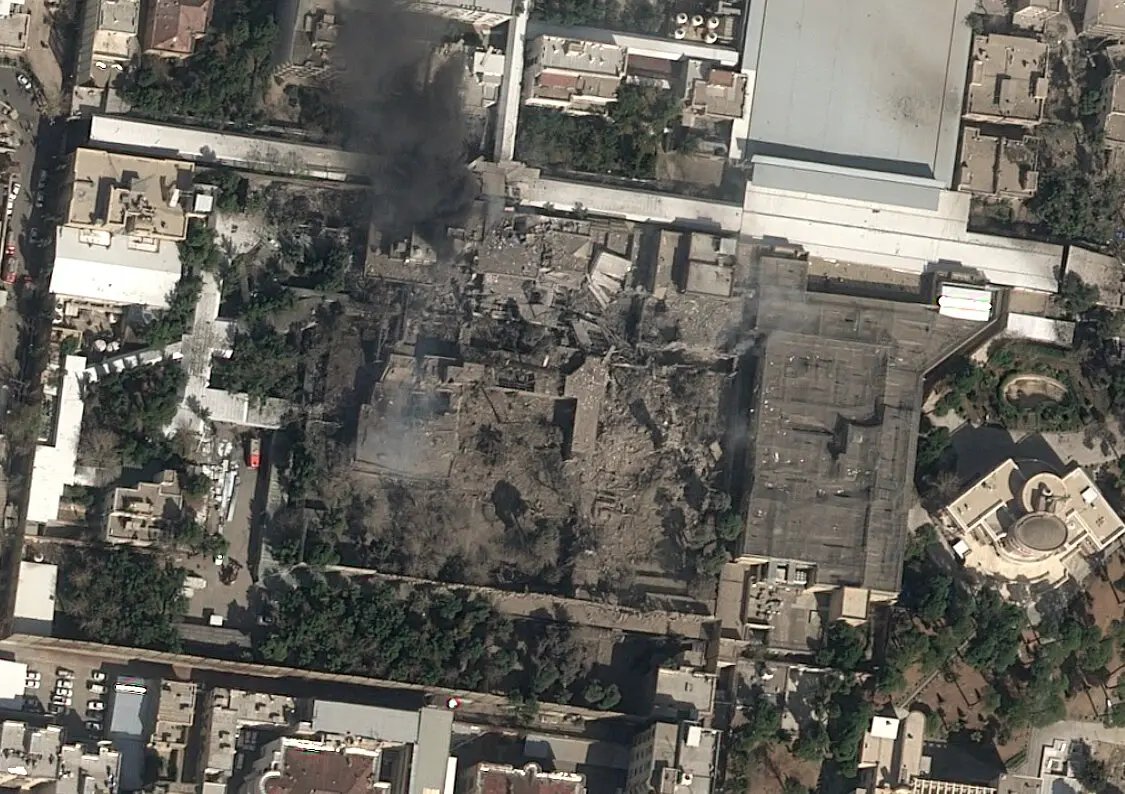
We obtained the first known satellite image of Ayatollah Ali Khamenei's compound in Tehran. There are several destroyed buildings. While the current whereabouts of Iran's supreme leader are unknown, the compound is generally used as his official residence. 🛰️📸: @Airbus
🚨🚨🚨عـــاجــل
السودان تُعلن عن اكتشاف احتياطيات ضخمة من المعادن تشمل نحو 1500 طن من الذهب المؤكد وشبه المؤكد، إضافة إلى أكثر من 30 مليار طن من خام الحديد
US Air Force officer says random Twitter users tracking military flights are publishing info that would be considered “Secret or maybe even Top Secret” if done internally, and it’s making OPSEC extremely hard.
Maj. Claire Randolph (US AFCENT, Chief of Weapons & Tactics):
You’ve got Twitter feeds of randos just studying where our airplanes go and publishing it.
If US analysts did some of that, we would consider it Secret or maybe even Top Secret.
The 2002-09 “multi-stop Africa → Europe” tour (11 legs, same core group)
In the flight logs, Kevin Spacey and Chris Tucker appear only within a tight window and always inside the same multi-leg chain, with a consistent core cohort across all 11 legs:
Core group present on every leg of the chain:
Bill Clinton
Doug Band
Kevin Spacey
Chris Tucker
plus 4 other recurring names in that same chain (David Slang, Eric Nonacs, Jim Kennez, Rodey Swater)
‼️A security researcher from Australia built a mass surveillance tool by scraping Waze reports and tracking the users behind them
He successfully linked usernames to real-world identities, allowing him to pinpoint where individuals live and work.
Waze has since responded by removing the feature that exposed usernames.
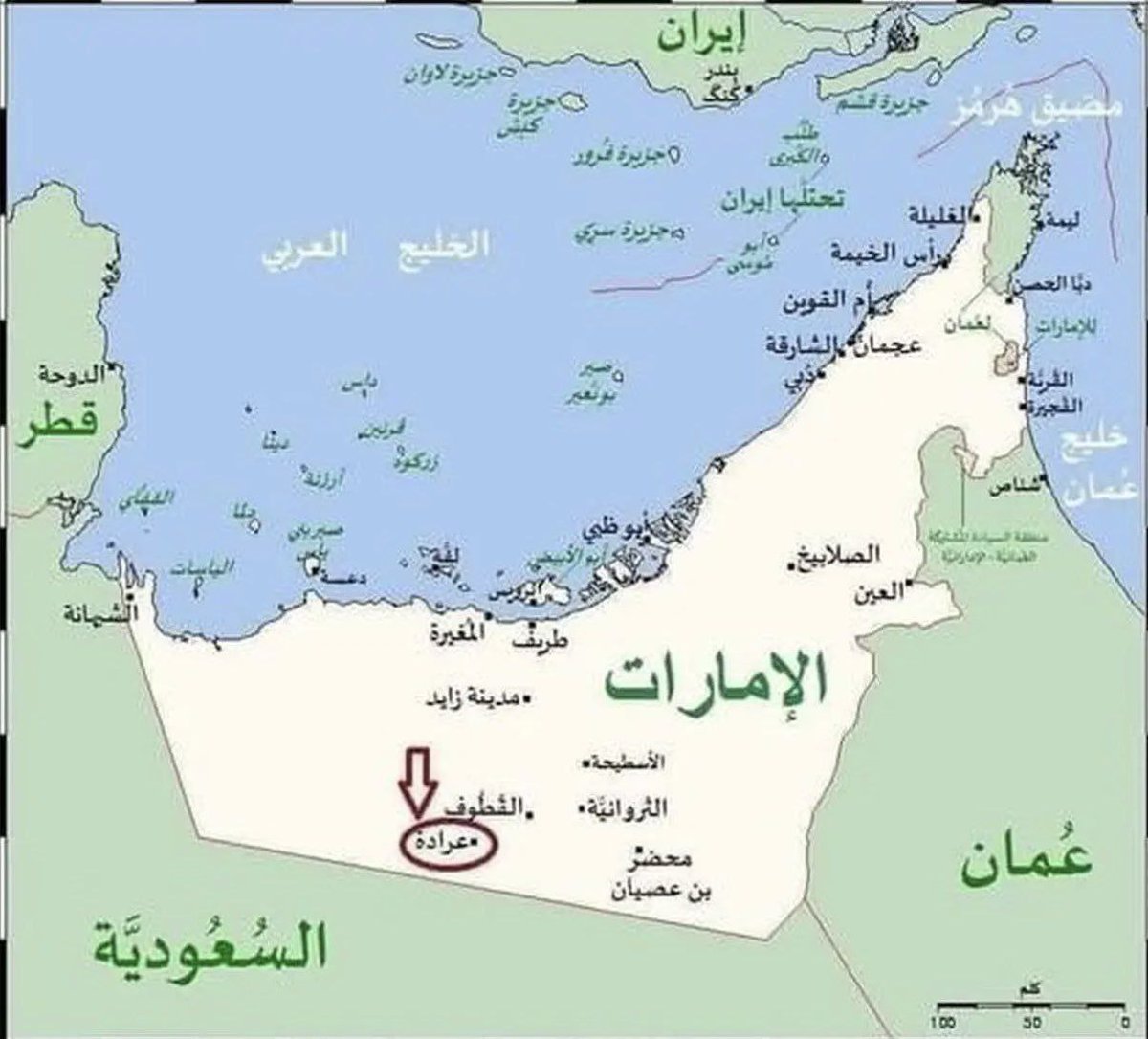
The UAE plans to establish an Israeli military base that can accommodate more than 800 Israeli soldiers in the Arad area, UAE, near the border with Saudi Arabia", - Ajel, Saudi state media.
Note: the map published by the Saudi state company Ajel shows the disputed and strategically important islands of Greater Tunb, Lesser Tunb, and Abu Musa between Iran and the UAE as Iranian.
First time Saudi Arabia has ever done this.
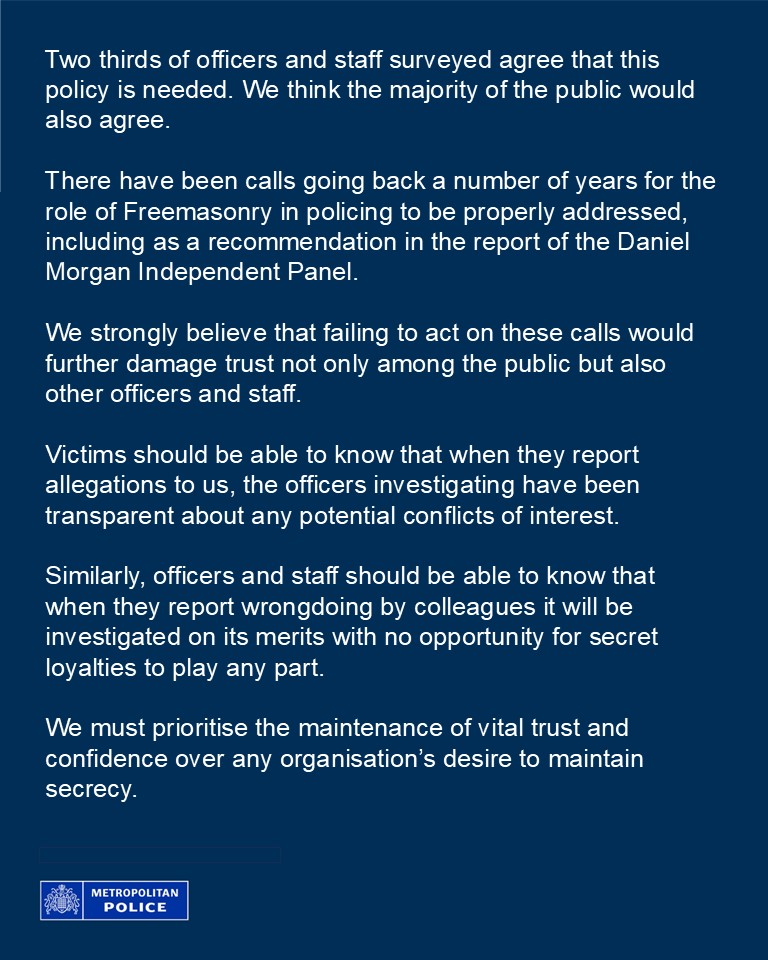
We will robustly defend our decision to require officers and staff to declare if they are Freemasons.
Our response to the decision by the Grand Lodge of England to seek an injunction blocking the implementation of the policy is below.
A senior Arab royal whistleblower, speaking anonymously to Middle East Monitor on Tuesday evening, that Israel is secretly working with the UAE to undermine Saudi Arabia’s role as the Gulf’s key powerbroker, describing deep rivalries and covert struggles among Gulf states.
The source alleged that regional unity is largely a façade, with shifting alliances, growing repression of dissidents abroad, and Israeli efforts to reshape the balance of power following normalization deals.
"The Saudis have been too slow to support Israel and normalize, so the Israelis are now keen to change the power dynamics in the Middle East,” the source added.