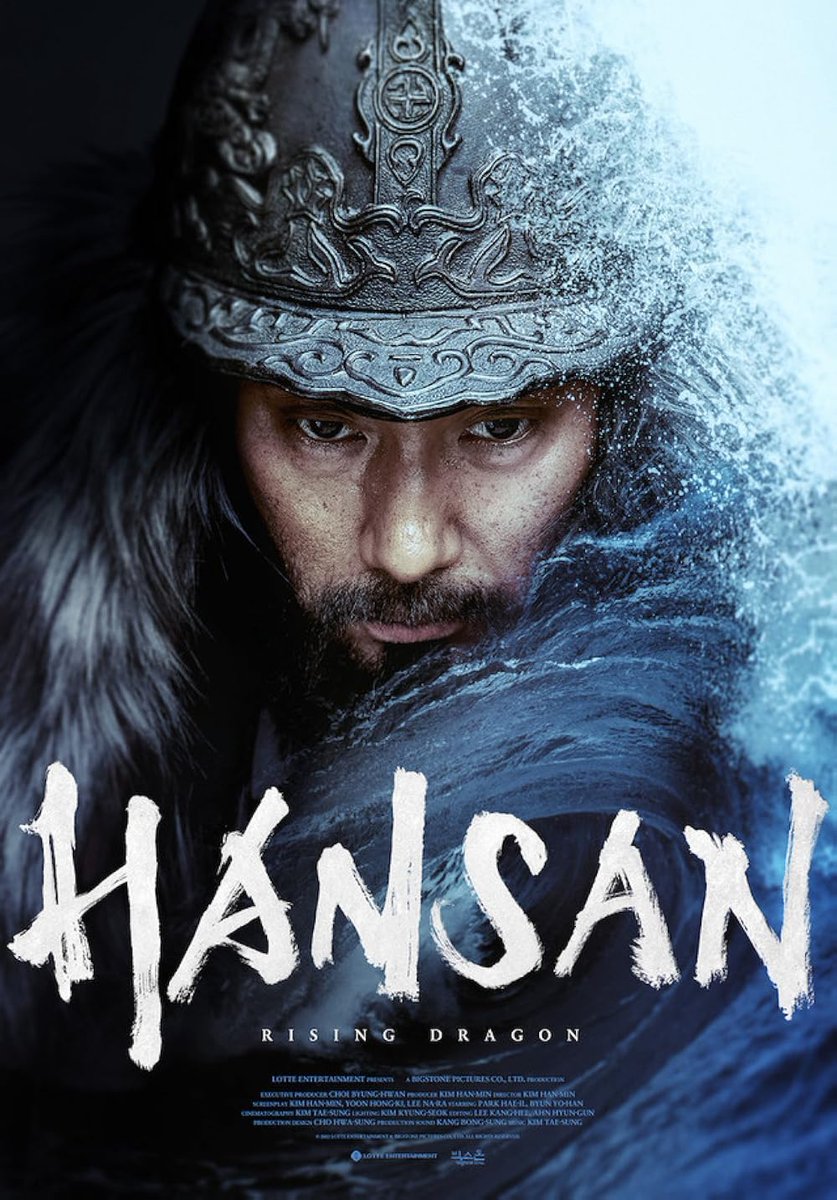
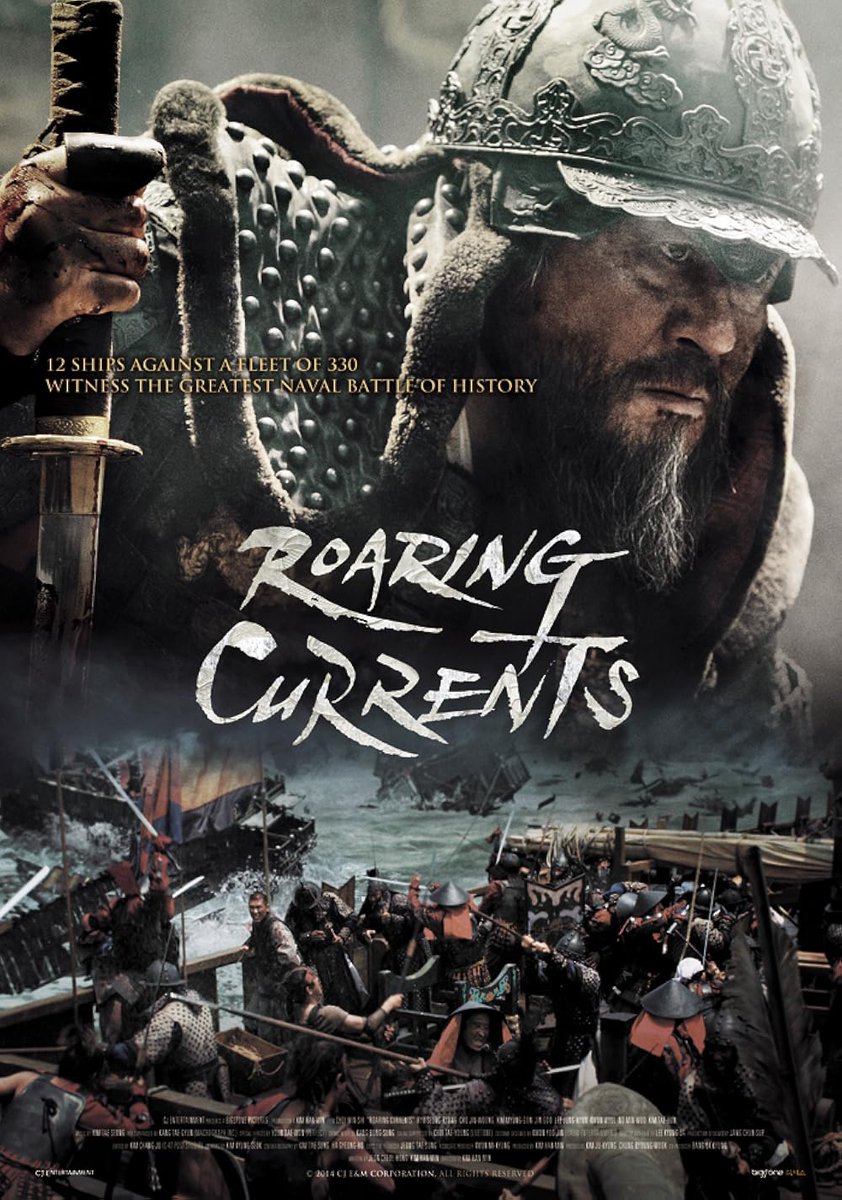
🪖 Modern & Realistic SEAL Movies Of All Time
1. Lone Survivor (2013)
2. American Sniper (2014)
3. Zero Dark Thirty (2012)
4. Act of Valor (2012)
5. 13 Hours: The Secret Soldiers of Benghazi (2016)
6. The Kingdom (2007)
7. Black Hawk Down (2001)
8. Captain Phillips (2013)
9. The Covenant (2023)
10. Hunter Killer (2018)
11. Navy SEALS (1990)
12. G.I. Jane (1997)
13. Tears of the Sun (2003)
14. The Rock (1996)
15. Behind Enemy Lines (2001)
16. The Delta Force (1986)
17. Act of War (2018)
18. Seal Team Six: The Raid on Osama Bin Laden (2012)
19. Jarhead: Law of Return (2019)
20. Sniper: Special Ops (2016)
21. The Finest Hours (2016)
22. Operation Red Sea (2018)
23. 6 Days (2017)
24. Eye in the Sky (2015)
25. Rescue Dawn (2006)
26. The Outpost (2020)
27. Sand Castle (2017)
28. Mosul (2019)
29. Hyena Road (2015)
30. The Siege of Jadotville (2016)
31. Clear and Present Danger (1994)
32. Patriot Games (1992)
33. Sum of All Fears (2002)
34. The Unit (2006–2009) – TV but heavily SEAL-inspired
35. Shooter (2007)
36. Extraction (2020)
37. Extraction 2 (2023)
38. Man on Fire (2004)
39. S.W.A.T. (2003)
40. Without Remorse (2021)
41. Black Sea (2014)
42. Special Forces (2011)
43. Sniper: Ghost Shooter (2016)
44. 6 Underground (2019)
45. Acts of Vengeance (2017)
46. American Assassin (2017)
47. The Wall (2017)
48. Triple Frontier (2019)
49. Den of Thieves (2018)
50. The Contractor (2022)
In the mangrove shadows of the Niger Delta, power is not voted for — it is taken, defended, and soaked in blood. And for all the names that have risen and fallen since the days of Isaac Boro, one man has remained the unchallenged sovereign of the creeks: Government Ekpemupolo, known everywhere as Tompolo.
But there was one moment, one violent chapter between 2009 and 2010, when the throne shook. A rebel rose from the same hometown, the same river fronting, the same struggle — and for a brief, terrifying period, the creeks belonged to a new king.
His name was General John Togo, born Prince Igodo Togo. Charismatic, educated, fearless, chiseled, and forged in war, John Togo had once served under Tompolo as a rifle commander. He once called him mentor. But after the amnesty program of 2009 ended, old alliances began to flow backward. John Togo, hardened by combat and betrayal, rebuilt Camp 5 into a fortress, and became the single most powerful non-state actor in the region. John Togo saw it all as betrayal. To him, the amnesty programme was nothing but a bribe. He believed Tompolo had traded the blood of Ijaw warriors for political access, pipeline contracts, and a handshake with Aso Rock.
By 2009, Togo broke away and formed the Niger Delta Liberation Force (NDLF), declaring Tompolo a sellout who had “abandoned the liberation dream.” In one infamous recording, he said Tompolo had become “too fat on government money to remember the struggle,” and he vowed that the creeks would taste blood again. It was the beginning of a nightmare locals still call the two-year night.
From 2009 to 2010, the Niger Delta descended into a shadow war that almost nobody outside the creeks truly understood. Togo’s fighters struck first, destroying surveillance boats belonging to Tompolo’s network and launching raids at midnight. Tompolo’s soldiers retaliated with brutal precision — night raids, river ambushes, silent eliminations. Villages between Warri and Yenagoa became war zones overnight. For weeks at a time, corpses floated silently down the river, their faces disfigured, their identities lost in fog, mangroves, and the tide. Local fishermen were forced to go out at dawn because by nightfall, you wouldn’t know if you’d find snagged in their nets.
John Togo taunted his former commander relentlessly, releasing videos that showed him in full tactical gear, cigar in one hand, AK-47 in the other. On one tape, he instructed his men: “If Tompolo wants war, I will deliver it to his yard,” and “take this to Goodluck Jonathan.” Here, in Togo’s voice, was a fiery Ijaw spirit that refused to bend. To many in the region, he became a hero: a warlord never spoken about Tompolo in that tone and lived to see morning. To others, he was a symbol of the militant resistance that refused to be pacified by amnesty money.
What made the conflict even more explosive was that both men were from Oporoza, both had access to weapons, both commanded loyalty from hardened fighters, and both controlled secret supply routes through the maze-like river systems. Federal authorities were terrified of getting directly involved because a full confrontation could torch the entire region. Oil companies increased private security. Community chiefs fled. Non-Ijaw tribes in the area watched anxiously, fearing the conflict would spill across their territories.
Everything reached a breaking point in early 2010. The Jonathan government was weakening, political uncertainty was rising, and Buhari’s return to power shifted calculations everywhere. Under the incoming administration, the Joint Task Force (JTF) was quietly authorized to “neutralize destabilizing elements.” Togo, bomb who refused underground temporarily. But the one who finally faced the full weight of the heat was John Togo.
But you do not fight Tompolo and expect your story to have a second chapter.
John Togo burned bright and fast — a legend, a rebel, a ghost of the old struggle.
Tompolo swallowed that fire🔥
Boys call it “Boring”
Men call it “Discipline”
Small circle
Staying consistent
Exercising
Learning new skills
No gossiping
No partying
Eating clean
Focusing on goals
I also think Slot has lost the dressing room. Of course, no player will come out and say they aren't happy with the manager but the performance is clearly giving Chelsea-type mutiny.
#LiverpoolFC