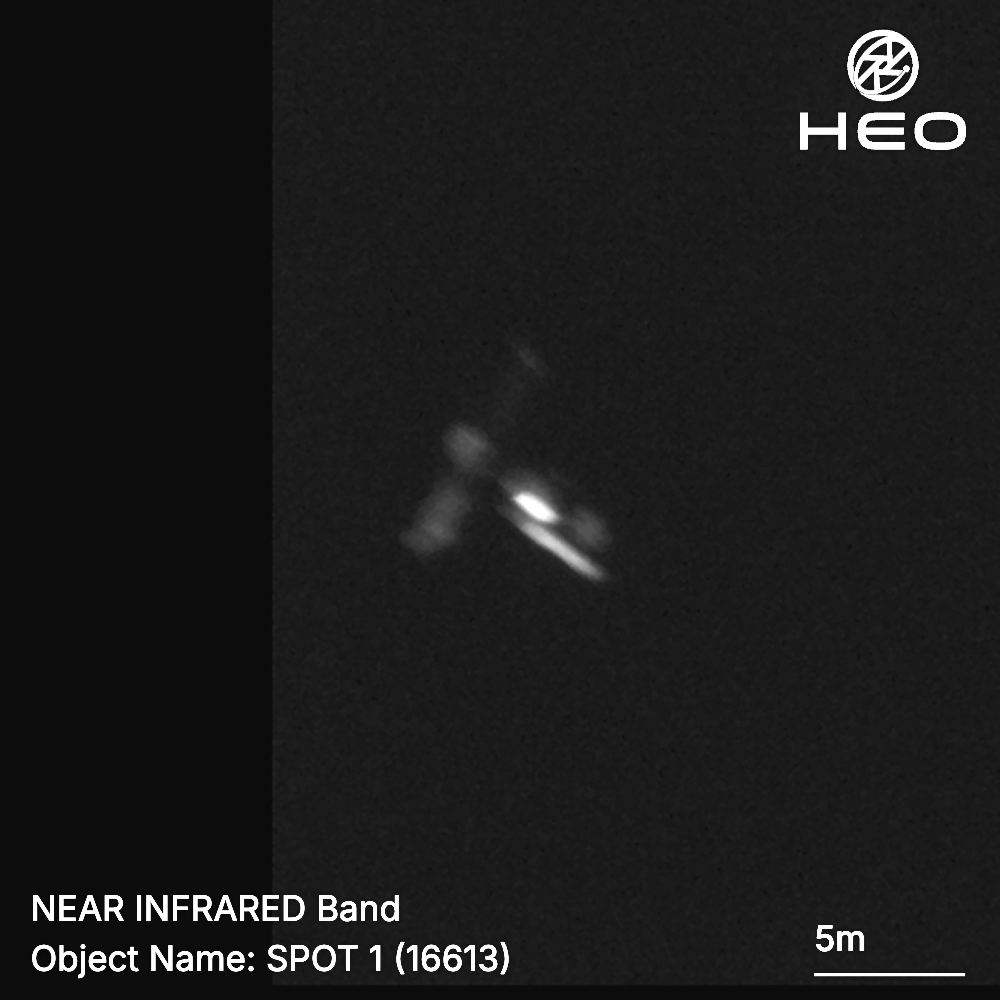
In 1986, this satellite provided the highest-resolution civilian view of the Chernobyl exclusion zone available at the time, captured within days of the disaster.
SPOT 1, launched by CNES two months earlier, gave analysts imagery to begin understanding the scale of what had happened, at a moment when a 30 kilometre radius around the plant had been evacuated, 115,000 people displaced, and the ground itself too contaminated to survey on foot.
SPOT 1 was one of the most capable Earth observation satellites of its time, delivering a sharp 10-meter ground resolution in panchromatic mode and 20 meters in multispectral mode. Its two-pass stereoscopic correlation technique produced usable elevation data for large portions of the planet's landmass, a capability that proved essential for reading terrain in a landscape where ground access was not an option.
The story did not end with the disaster. In 1988, SPOT 1's near-infrared sensor captured some of the earliest evidence of recovery, photosynthetic activity returning to the exclusion zone. The SPOT series kept observing the area for years afterward, tracking decontamination work, new construction and reforestation as the region slowly changed.
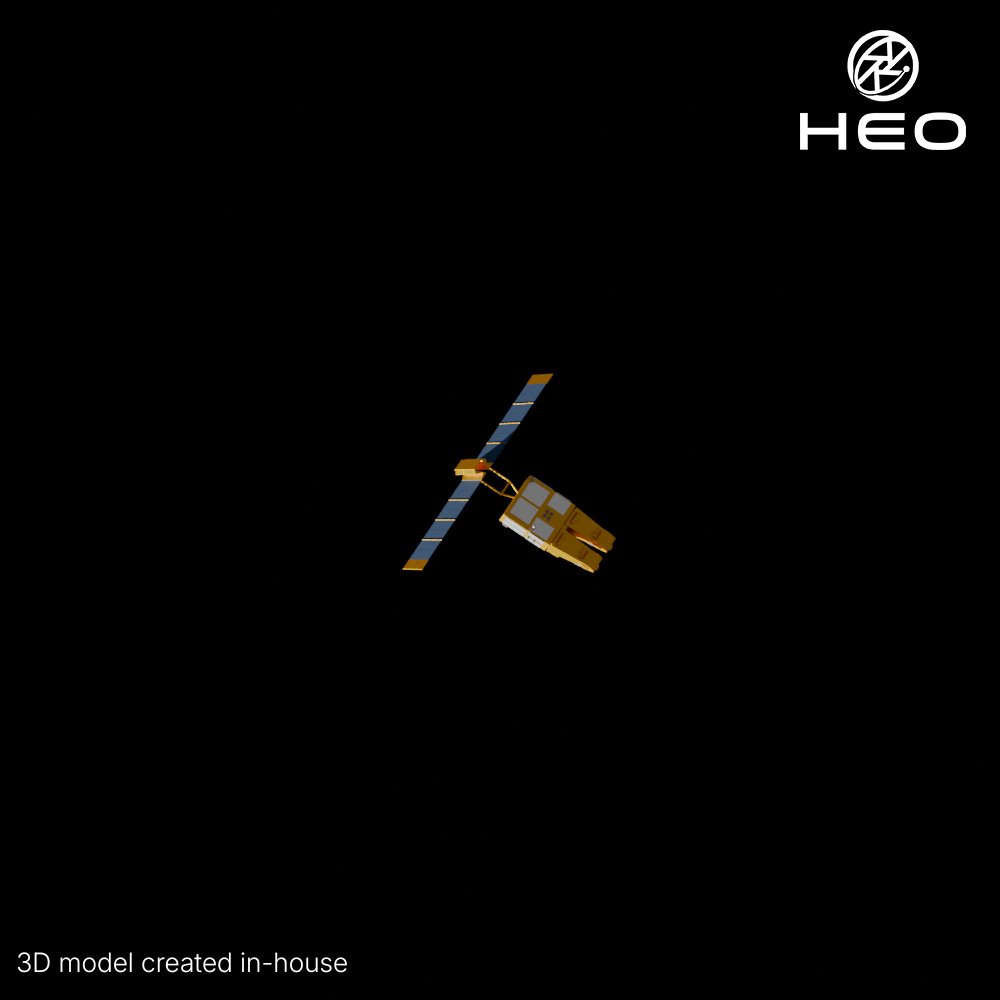
Nearly 40 years after launch, HEO imaged SPOT 1 in orbit, checking in on the state of the asset. The solar panels remain fully deployed and the satellite appears largely intact. Beyond physical condition, the imagery also offers a read on the object's behaviour, whether it is tumbling, stable, or holding a fixed orientation, information that is critical for space domain awareness on the growing population of aging, non-manoeuvrable objects in orbit.
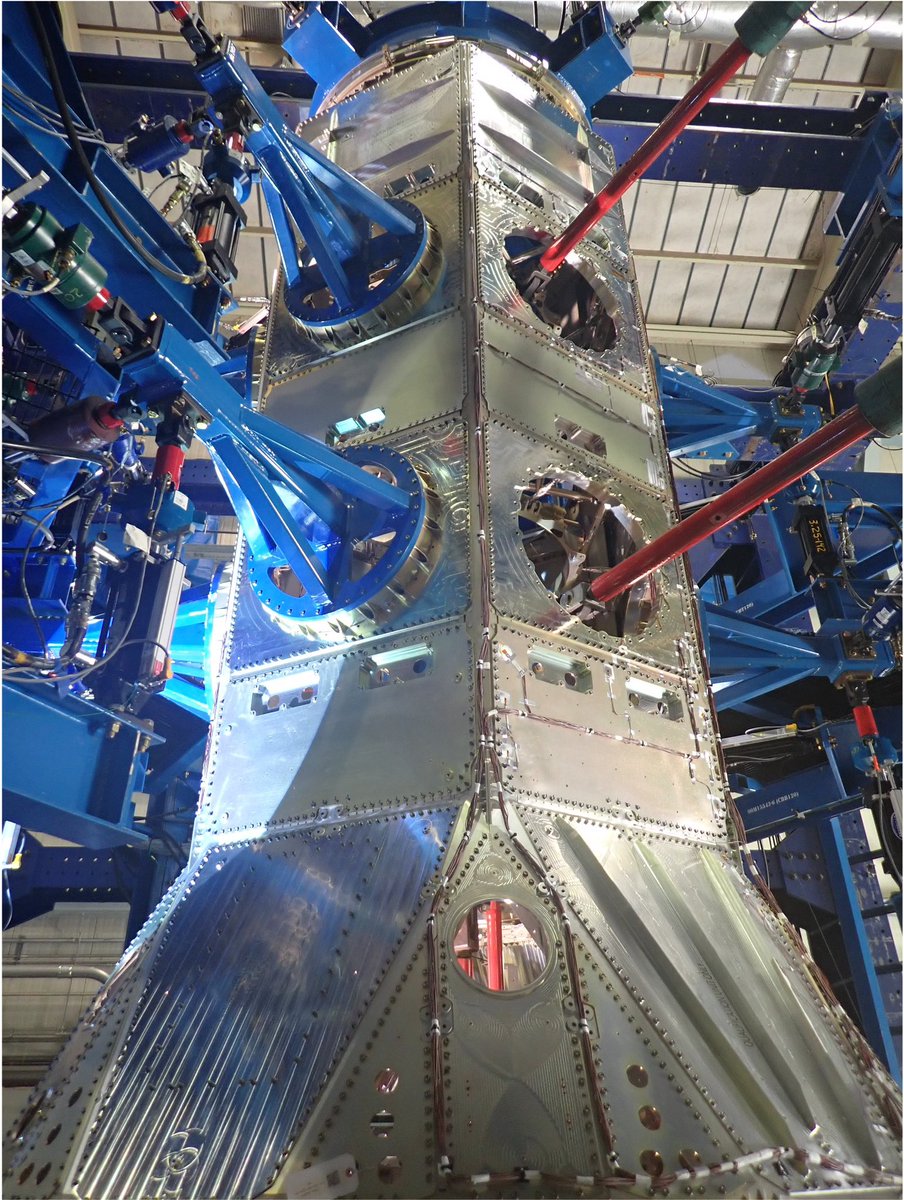
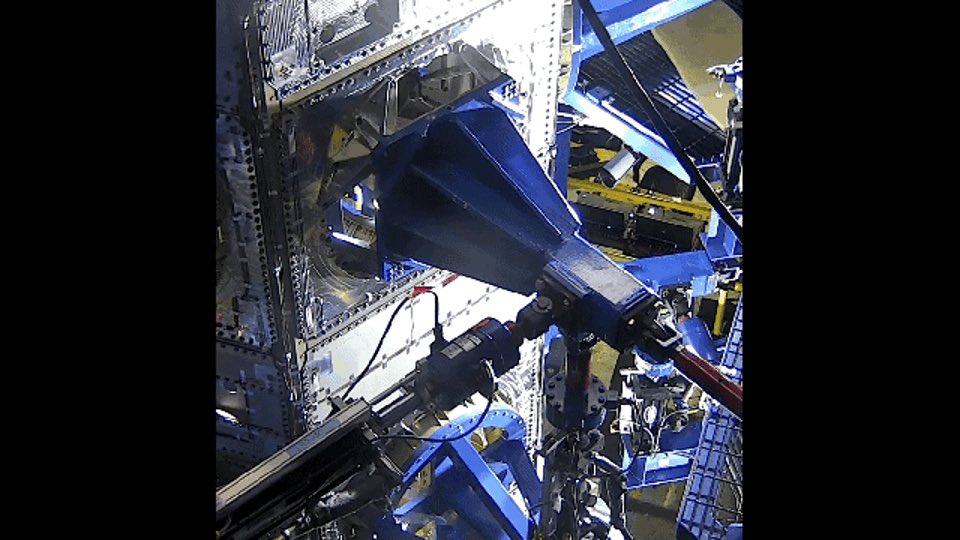
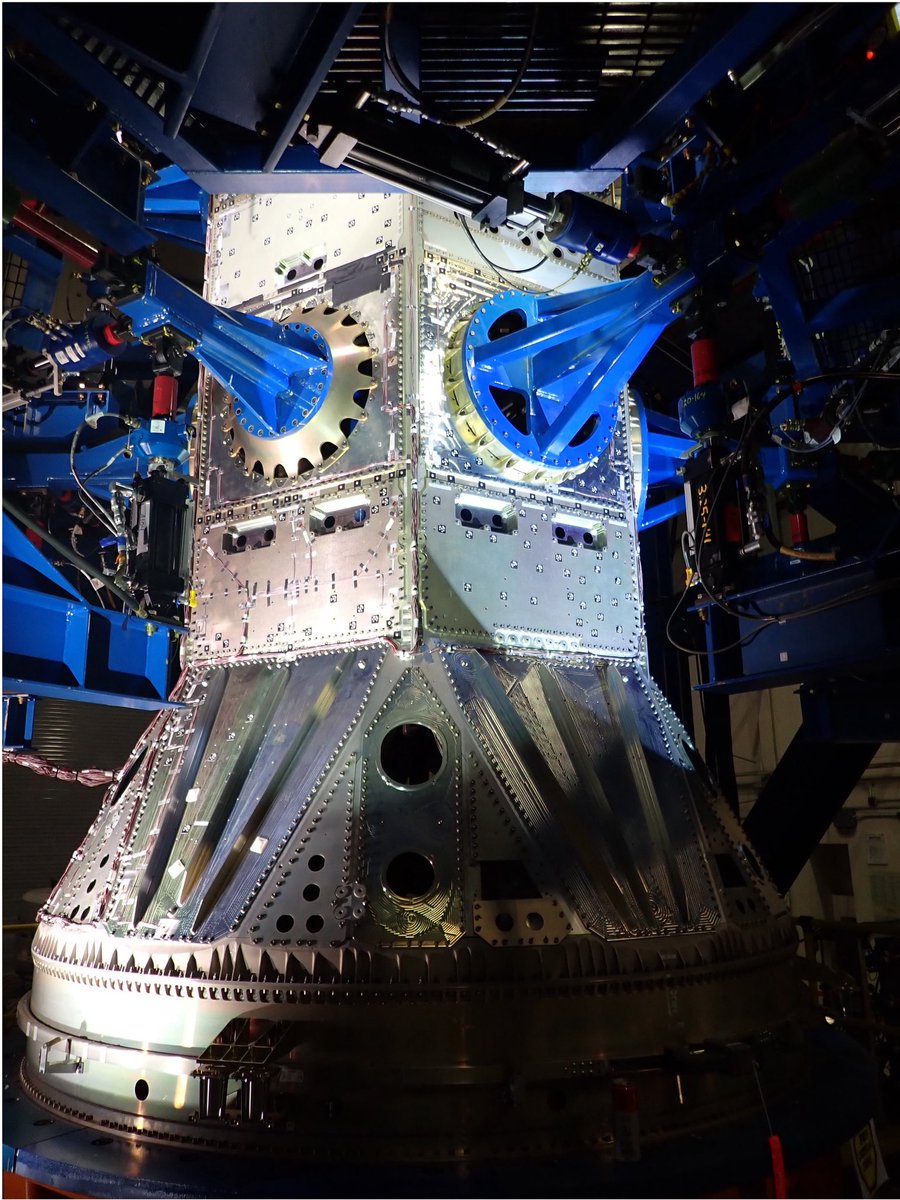
The first Blue Ring super spacecraft continues to move smartly through assembly. But, I thought I’d share some pics of the other vehicles that we built as dedicated test units. This one it’s the Static Test vehicle, doing its thing…
According to the CMS(China Manned Space), The CZ-5 Y14 plan to launch the Chang'e-7 has arrived at Wenchang LC. The Chang'e - 7 is planned to land on the south pole of the moon to lay foundation for the future lunar station. via https://t.co/PEefRE2PpC
With Long March 10B, how has🇨🇳China became the world's second country, after🇺🇸US, to recover orbital booster?
Unlike methods pioneered by @elonmusk's @SpaceX, the Chinese mission used a first-of-its-kind, sea-based net-and-cable system to allow for a more adaptable recovery.
It's a world first for net-based rocket recovery – and a giant leap for reusable space tech.
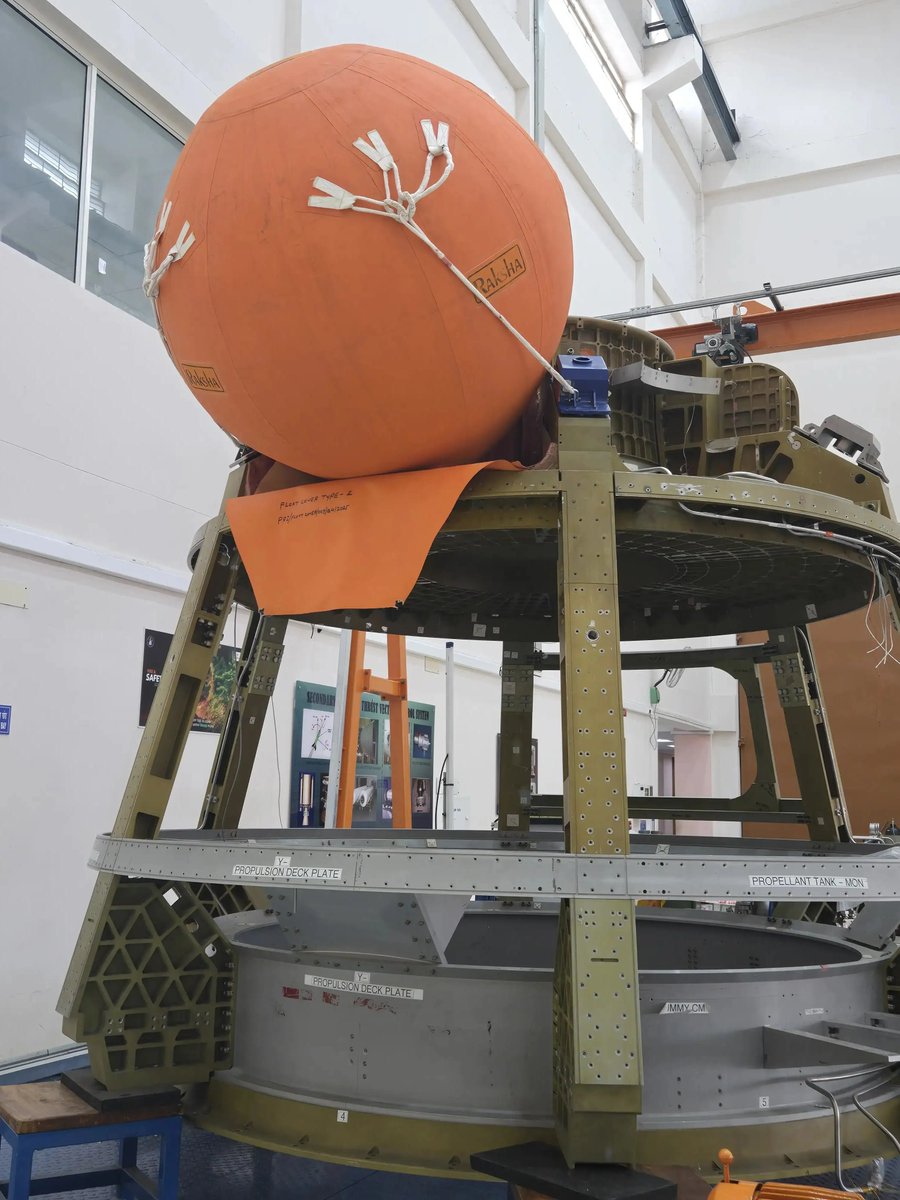
ISRO has completed three major qualification tests for Crew Module(CM) systems of Gaganyaan:
Float inflation test for CM up-righting system
Umbilical separation testing of CM-SM CDS
CM structure qualification test for apex cover separation loads
https://t.co/q8NM26yXBO
The situation with the United Nations Office for Outer Space Affairs (UNOOSA) website is even worse than I thought. Not only are new registrations not being published, but most of the links to the *old* docs are broken. Except for the versions in Russian; for some reason you can get those.
Vamos calentando los motores para las próximas operaciones de #Bepi
MISSION #BepiColombo#Mercury Transfer Module Monitoring Camera CAM1
2026-04-17 > 2026-07-10
https://t.co/Gj1ejIgFZa
ESA/BEPICOLOMBO/MTM/j. Roger
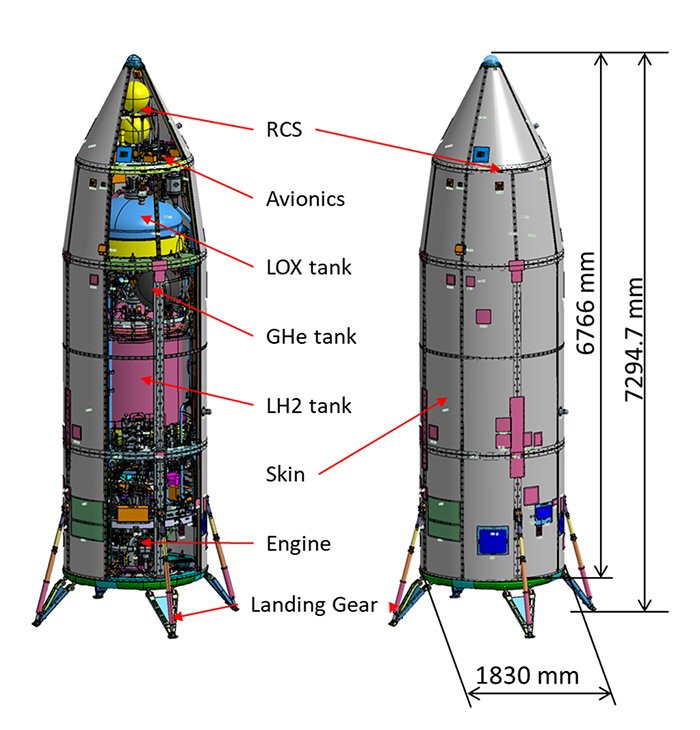
Yet another hop test & landing by a Japanese mini test rocket... Honda was the first to showcase a hop test & landing, now Japanese Space agency JAXA does it
Only USA & China have orbital vertical landing rockets...
Same part of the sky, imaged by me in 2014 (SSON 60-cm telescope), and last night (MISO TU Delft 40-cm telescope)
Green and red marked objects are (the same) stars, as reference.
What do you note about the yellow marked object? Can you guess what it is?