A critical care nurse. Passionate about critical care nursing and patient safety, interests in infection prevention and control, and nursing education.
🧠🌍 Today is World Delirium Awareness Day! 🌍🧠
Delirium is serious, often preventable, and too often overlooked. Early recognition and management can change lives.
Join us in raising awareness! #WDAD2025
🔗 Learn more: https://t.co/vQTuRhhDE6
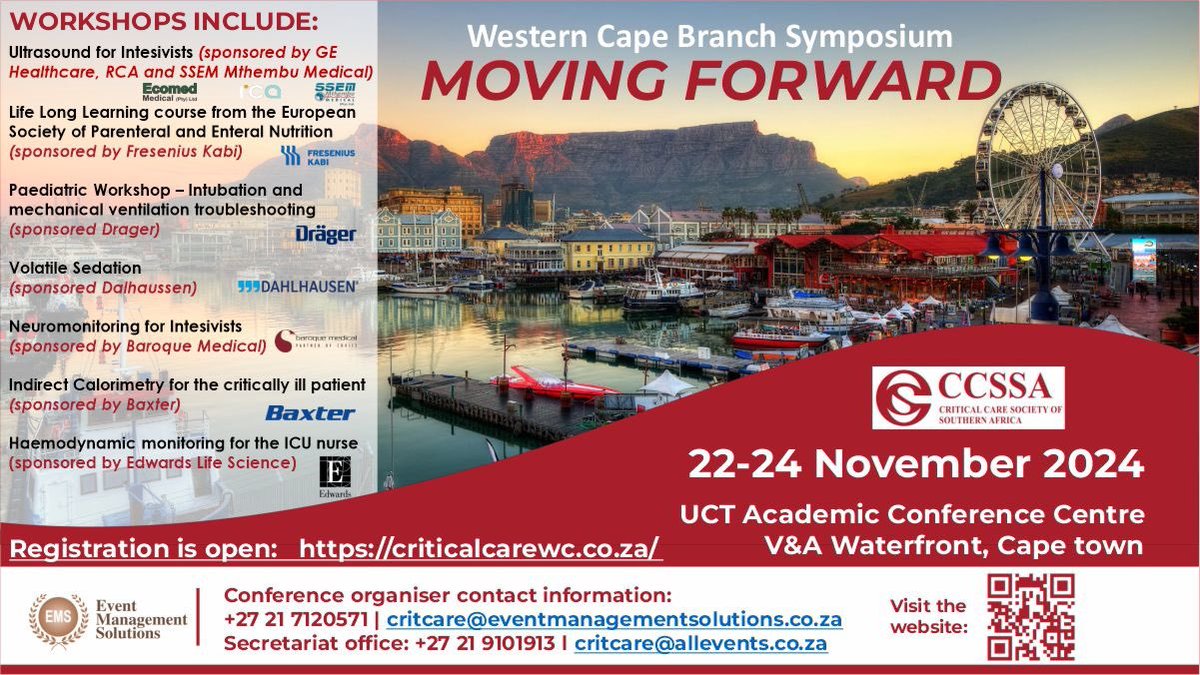
Planning for the Haemodynamic Monitoring for Critical Care Nurse workshop taking place on 22 November as part of the @WCccssa Update meeting (22-24 November at the UCT Academic Conference Centre). A workshop that includes intra-abdominal pressure monitoring! @WSACS
Prof @Kevin_Fong giving the most devastating and moving testimony to the Covid Inquiry of visiting hospital intensive care units at the height of the second wave in late Dec 2020.
The unimaginable scale of death, the trauma, the loss of hope.
Please watch this 2min clip.
🙋♂️This video shows a modified Valsalva maneuver being used in the emergency treatment of stable SVT 🫀(supraventricular tachycardia)! Learn more👇
This awesome ER team was able to temporarily convert a stable paroxysmal SVT back into sinus rhythm!
This is a beautiful example of how manipulating nervous system & leveraging physiology can be used as a simple, cost-free treatment. So, how does it work:
The modified Valsalva can be divided into 3 phases:
* Phase 1: Increasing intrathoracic pressure:
At beginning of video, you’ll see patient perform a standardized ‘strain’ (blowing into a 10mL syringe) for about ~15 seconds while sitting up or in a semirecumbent position. Bearing down like this contracts thoracic & abdominal muscles & causes a drop in blood flow back to the heart (decreased preload) & brain.
This drop stimulates baroreceptor reflex & compensates by triggering the sympathetic nervous system (stress response) in an attempt to raise BP, cardiac output & peripheral vascular resistance.
* Phase 2: Dropping intrathoracic pressure:
After the ~15 second strain, just prior to being laid flat (or simultaneously), patient will stop blowing into syringe, this causes pressure in thorax to suddenly decrease, subsequently increasing blood flow back to heart & increasing preload-> leading to opposite of phase 1: a compensatory increase in parasympathetic (vagal) activity aimed at decreasing heart rate + increasing relaxation response.
* Phase 3: Laying flat & raising legs to 45 degrees:
This postural modification causes more blood flow back to heart, leading to increase in stroke volume & cardiac output. Causing further vagal - parasympathetic - stimulation, which compensates for these changes by telling body to decrease the heart rate (SA node) -> this can convert patient back into sinus rhythm!
Credit: Brazil Med Team https://t.co/tC2mkbJcfV
Credit:@medspired
#nutrition #nutrição #nutricion #dietitian #nurse #nursingstudent #medicine #mbbs #science #biology #medstudent #health #nutrologia #meded #valsalva #svt #cardiology
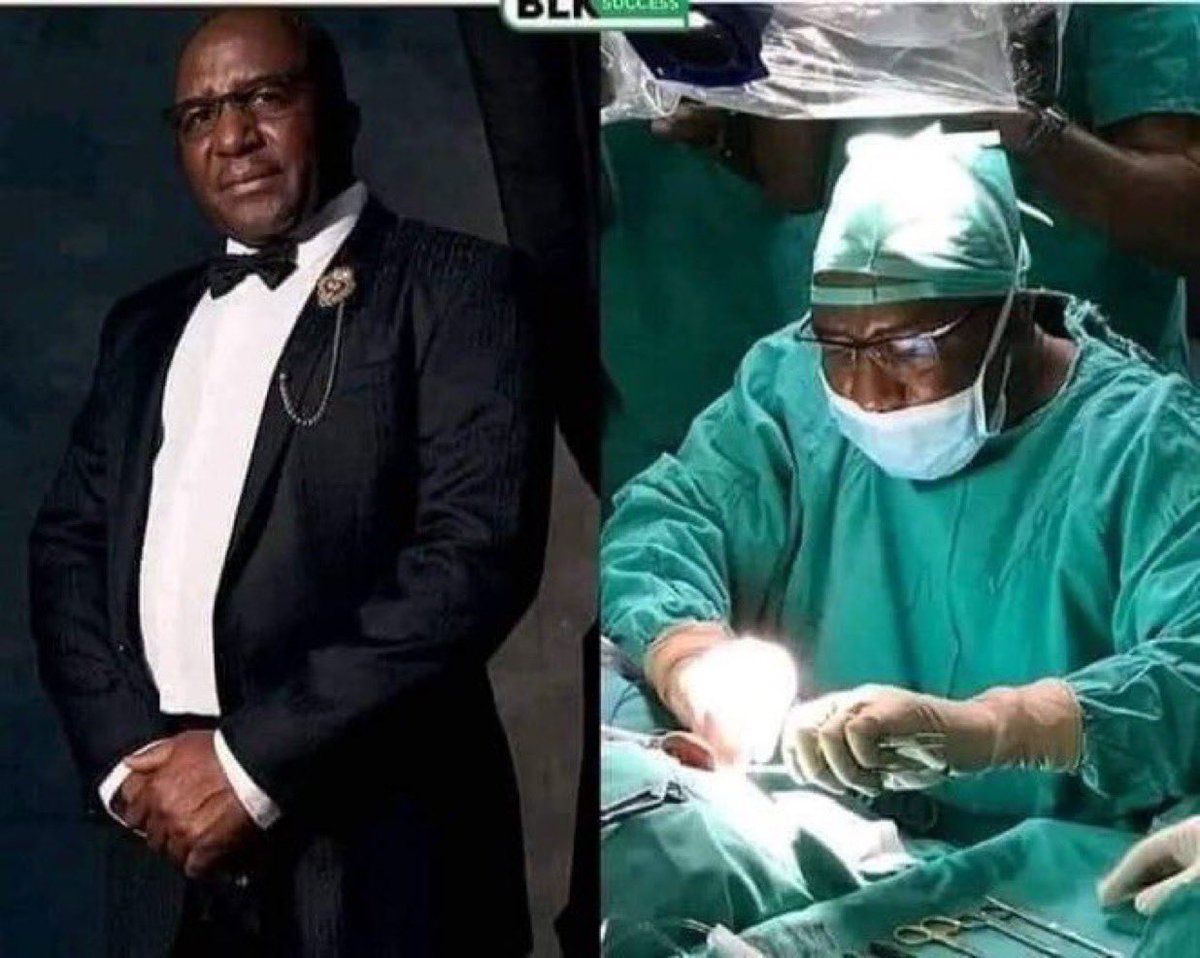
South African Doctor Prof 'Mashudu Tshifularo' became the first Surgeon on Earth to successfully perform surgery to cure deafness.
Hats off, please! ❤️
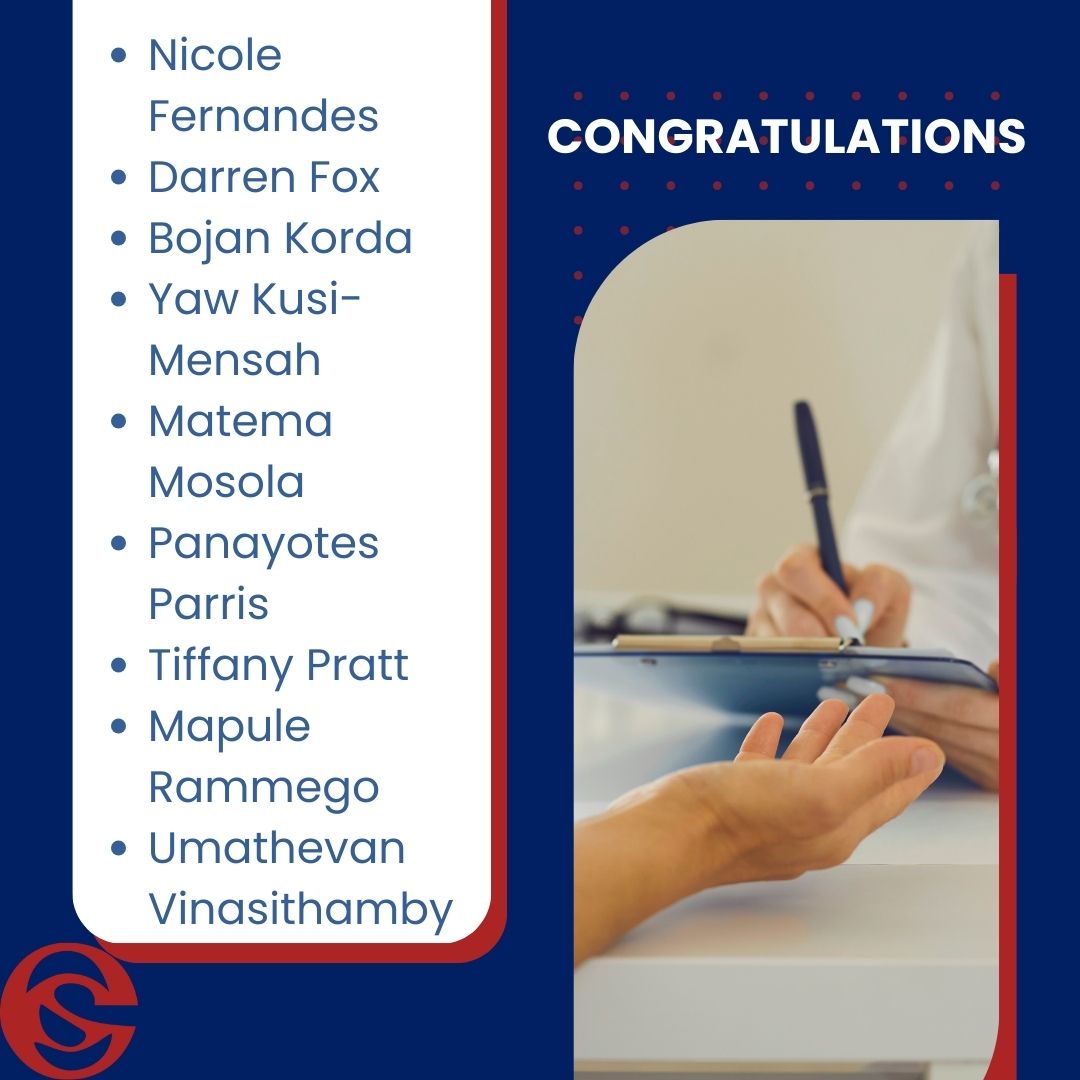
CCSSA welcomes 9 new intensivists!
Congratulations on passing the recent Cert Critical Care (SA) examination:
Nicole Fernandes
Darren Fox
Bojan Korda
Yaw Kusi-Mensah
Matema Mosola
Panayotes Parris
Tiffany Pratt
Mapule Rammego
Umathevan Vinasithamby
We wish you well!
#CCSSA
Critical care nurses experience non-invasive ventilation during #BasicforNurses under the expert tutelage of @bespen. That's one surefire way of enhancing empathy!
Here's a video I made breaking down this very important case of a 40-year-old woman who presented to the ER with abdominal pain that feels like "bad menstrual cramps"
#FOAMed