⚠️ Eclipse total de sol del 12 de agosto ⚠️
Hemos aglutinado toda la información ℹ️que ofrecemos desde el planetario sobre los eclipses en esta dirección👉https://t.co/BWao3xmtDo
¡Tienes que echar un vistazo si no quieres perderte nada!
¡Confirmado! 🌟
BETELGEUSE no está sola, tiene una estrella compañera que es de suponer morirá cuando estalle Betelgeuse en una Super Nova.
➡️ El ESO emitió hoy 28 de julio un comunicado en el que se anuncia que por fin, los astrónomos tienen pruebas contundentes de que Betelgeuse, una de las estrellas más famosas del cielo nocturno tiene estrella compañera que la orbita.
Utilizando el Very Large Telescope del Observatorio Europeo Austral (VLT del ESO), un equipo liderado por el investigador francés Miguel Montargès obtuvo la imagen más nítida jamás vista de lo que probablemente sea Betelgeuse B, la estrella que orbita alrededor de Betelgeuse.
«Esta es la culminación de una búsqueda que ha durado un siglo», afirmó Montargès astrónomo del Observatorio de París-PSL, Francia).
#space #universe #science #supernova
Steven Spielberg recalls how he genuinely thought John Williams was joking when he first played the iconic 'Jaws' theme 🦈
"He sat at the piano and played... da duh ... da duh"
"I thought he was joking"
"John said, 'No, I'm serious ... This is the sound the audience will identify with the shark, even when you don't see the shark ... This is what is going to scare the audience"
"He kept playing it until I realized the kind of genius I was experiencing"
After hearing it with an orchestra, Spielberg then called George Lucas and told him, "This is the guy who has to [score] Star Wars"
(via @BBC)
Hay escenas que pertenecen para siempre a la historia del cine.
Puedo decir que está de Sam Neill levantando la mirada en "Jurassic Park" es una de ellas.
At the Shanghai Natural History Museum, this exhibit uses glasses-free 3D simulation technology to project a lifelike image of a dinosaur directly onto the fossil slab, vividly bringing the prehistoric creature back to life.
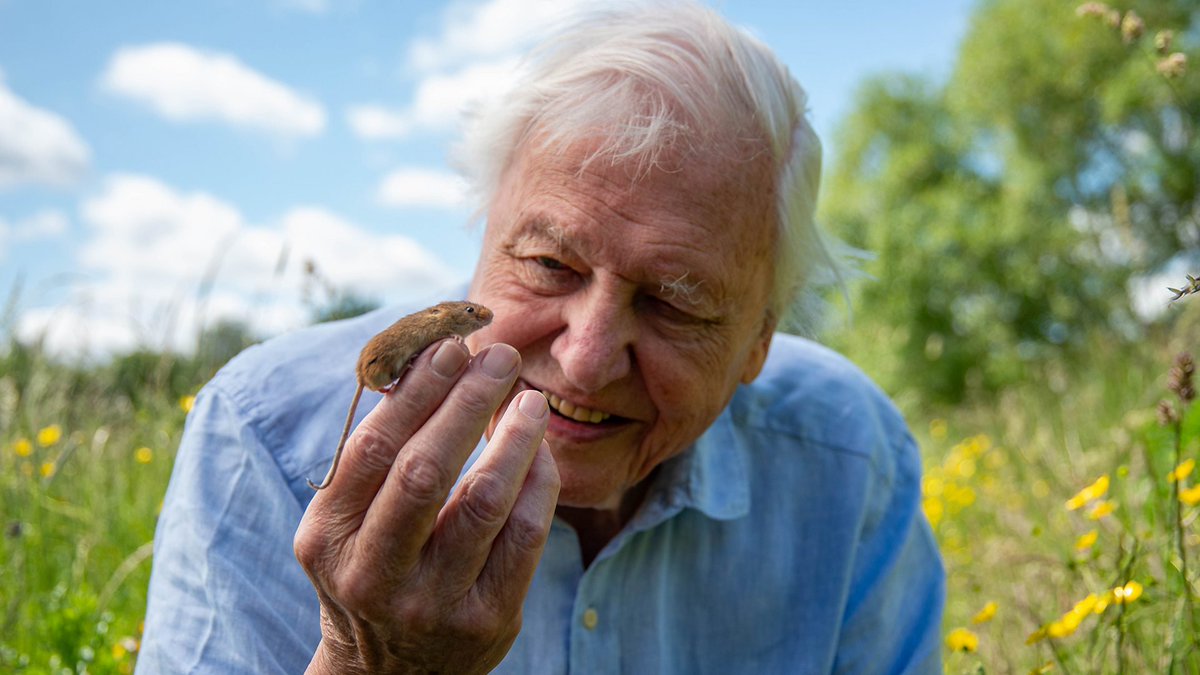
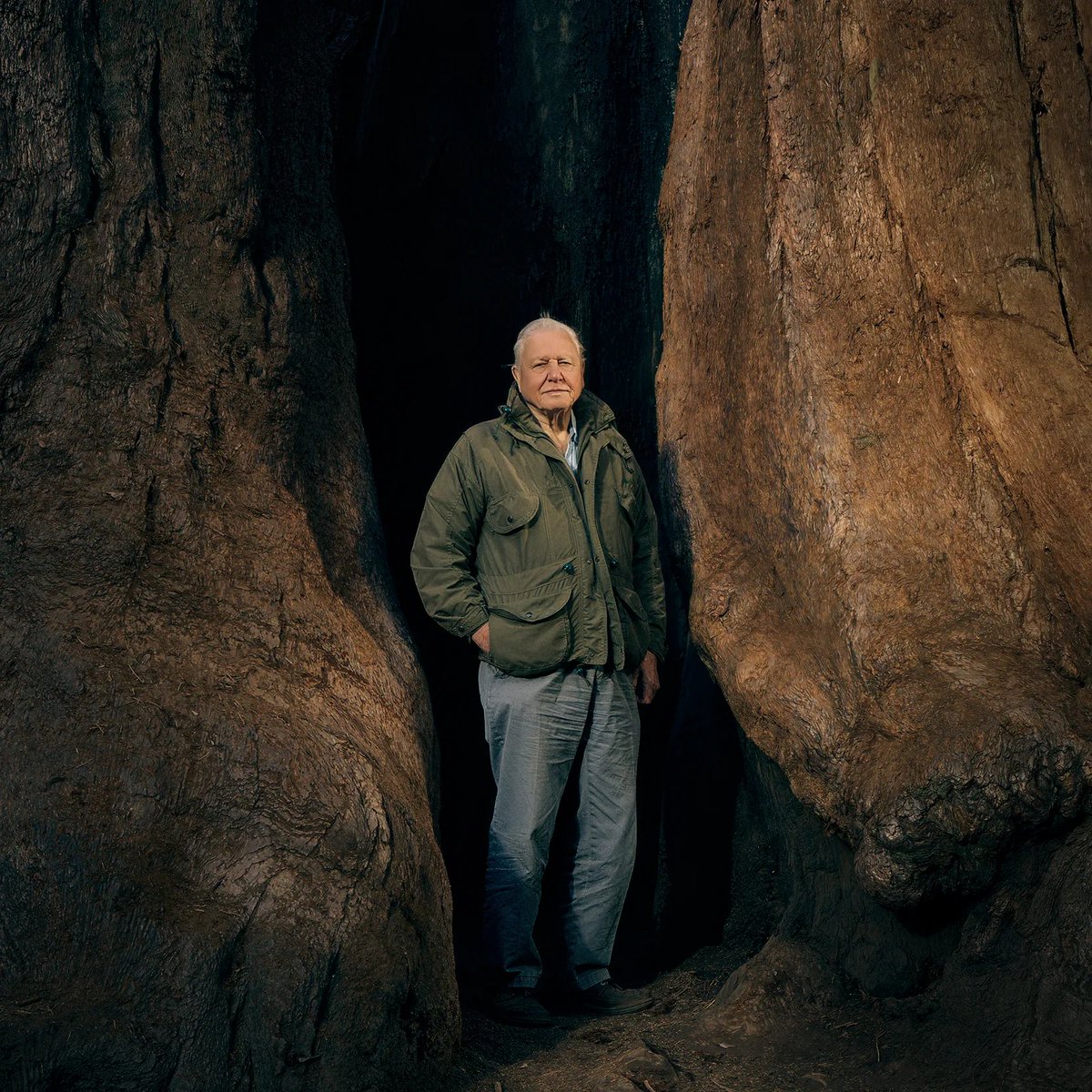
We spend billions looking for life on other planets.
David Attenborough has spent his entire life showing us the life on this one.
Both matter. Only one is irreplaceable.
Happy 100th.
🪐🪐🪐🪐🪐🪐🪐🪐🪐🪐🪐🪐🪐🪐🪐🪐🪐
50 EUROS para gastar en amazon (españa) van a ser para una de las personas que haga 🔁 Retweet a este tweet y siga a Chollometro .
Vamos dale ❤️ a tope! Lunes decimos ganador
🪐🪐🪐🪐🪐🪐🪐🪐🪐🪐🪐🪐🪐🪐🪐🪐🪐
Physicist Brian Cox reminds us of a truth so profound it’s almost impossible to grasp: we are not just observers of the universe; we are a part of it that has finally woken up.
Every atom in your body; the carbon in your skin, the iron in your blood, the oxygen you breathe; was forged in the intense, ancient furnaces of dying stars. For billions of years, those atoms drifted through the cold void, only to find themselves, by some miracle of cosmic chance, arranged in a pattern that can think, feel, and dream.
As Carl Sagan famously said, we are a way for the cosmos to know itself. We are the means by which a universe of dust and gas suddenly starts writing symphonies, painting masterpieces, and asking where it came from.
It sounds unlikely, perhaps even impossible. But here we are, sitting on a small blue rock, having a conversation about it. And that might be the most extraordinary thing of all.
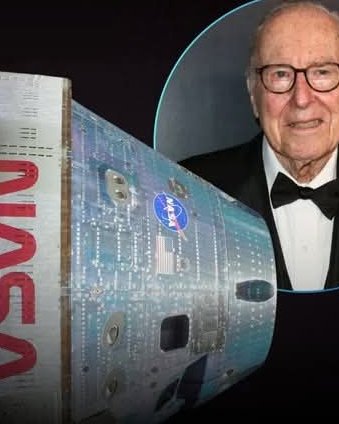
:One of the first three humans to orbit the Moon. Commander of the ill-fated Apollo 13, whose calm leadership turned a potential disaster into one of NASA’s greatest triumphs. Four missions. 715 hours in space.That was Jim Lovell — a true legend of the Apollo era.He passed away on August 7, 2025, at the age of 97. But before he left us, Lovell recorded a secret message that even the Artemis II crew knew nothing about.NASA held onto it quietly. Then, on the sixth day of the mission — as the crew drew close to the Moon — they played it.“Hello, Artemis II. This is Apollo astronaut Jim Lovell. Welcome to my old neighborhood.”In warm, steady tones, he recalled Christmas Eve 1968, when he, Frank Borman, and Bill Anders became the first humans to orbit the Moon on Apollo 8. He spoke of that breathtaking view that captivated a billion people back on Earth. He expressed how proud he was to hand the torch to this new generation.He urged them to soak it all in — the stark beauty of the lunar surface, the fragile blue marble of home hanging in the void.And then, with perfect symmetry, he closed the message exactly as Apollo 8 had ended 58 years earlier:“Godspeed… from all of us here on the good Earth.”He addressed each of them by name — Reid Wiseman, Victor Glover, Christina Koch, and Jeremy Hansen — bridging six decades of exploration in a single, heartfelt transmission.Lovell never saw Artemis II lift off. He never watched them depart Earth. But his voice was waiting for them when they reached the Moon he once pioneered.A quiet, powerful passing of the flame. NASA
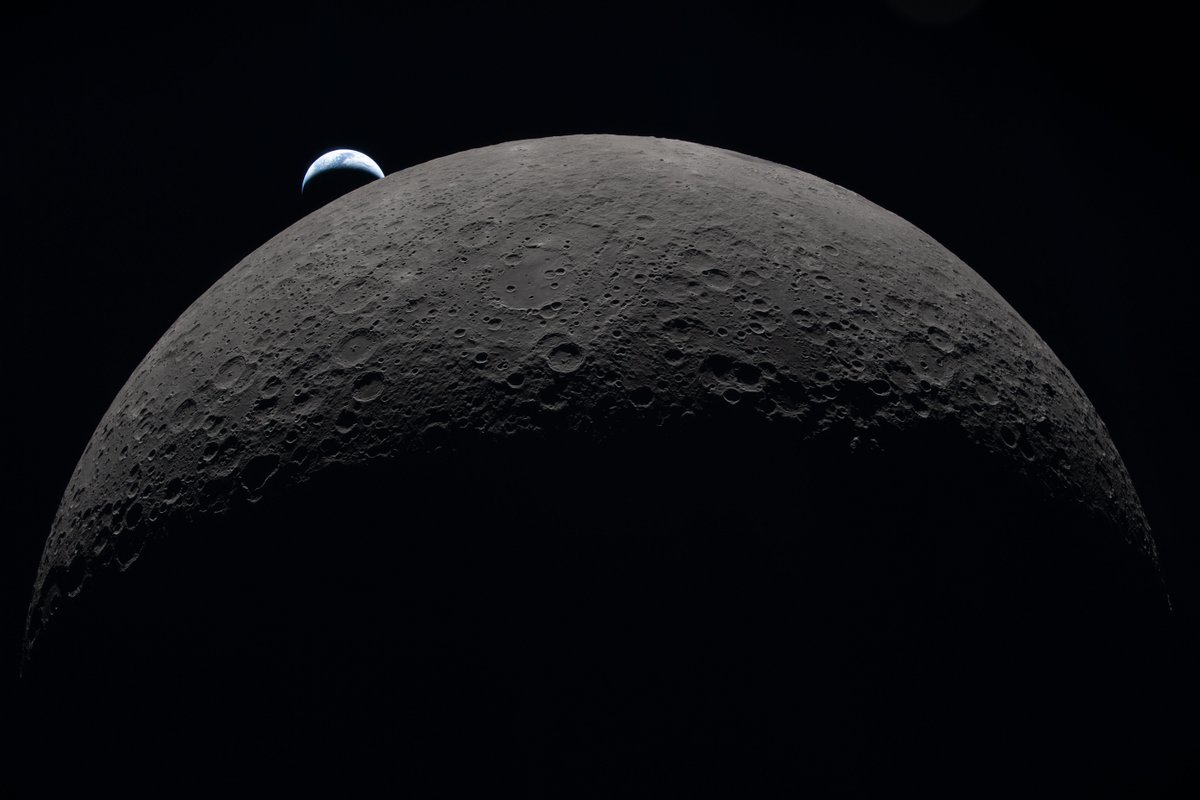
Hello, Moon. It’s great to be back.
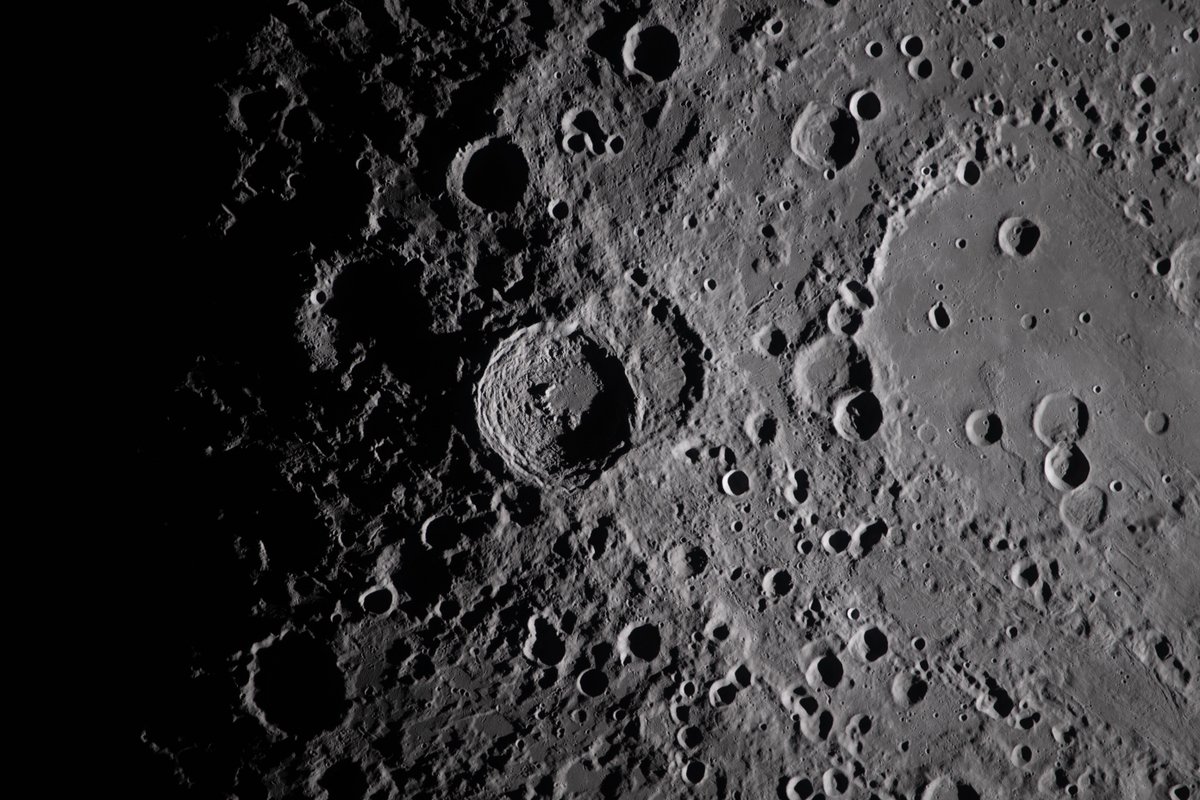
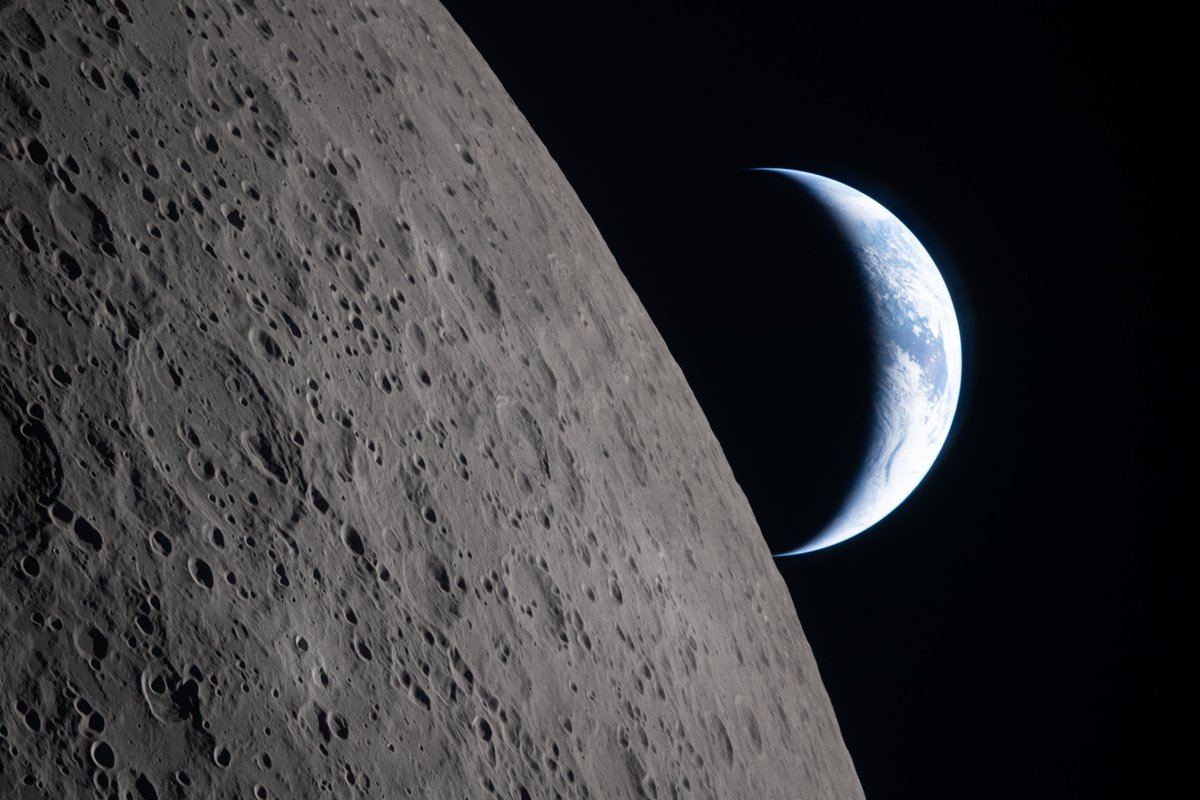
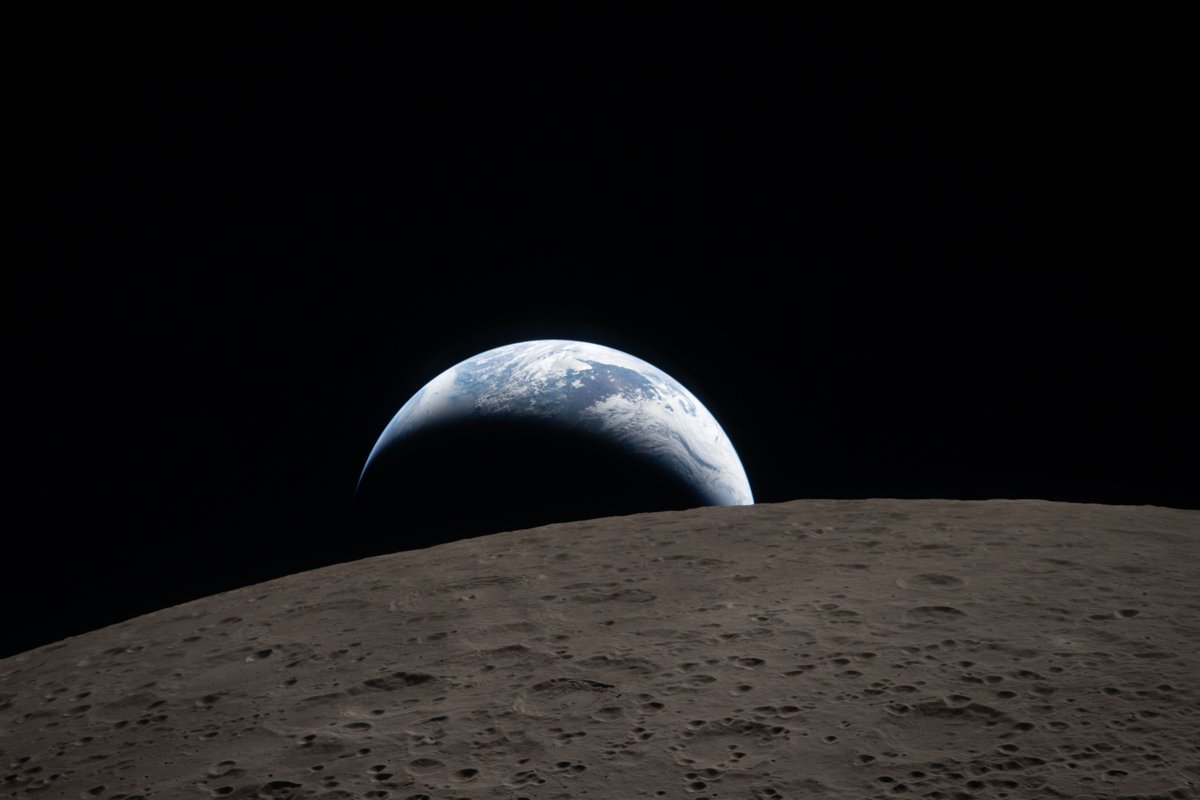
Here’s a taste of what the Artemis II astronauts photographed during their flight around the Moon. Check out more photos from the mission: https://t.co/rzM1P0QbOl
For the first time in more than half a century, humanity is reaching beyond Earth once again – not just to return to the Moon, but to redefine what is possible together.
NASA, with its partners, has acheived something extraordinary. But this time, the journey to the Moon is not being undertaken by one nation alone. The Artemis mission is a truly international endeavour, and Europe stands proud at its very core.
ESA did not simply enable this mission, ESA powered it. At the heart of the Orion spacecraft, the European Service Model is delivering the life support, propulsion, water and thermal control required to protect the crew through the extremes of deep space and bring them safely around the Moon and back home.
Built on the legacy of ESA’s Automated Transfer Vehicle and powered by engines with Space Shuttle heritage, the ESM embodies European excellence. It represents the coordinated effort of 13 ESA Member States and the United States, bringing together 20 main contractors and more than 100 European suppliers under ESA project management.
That reliability had already been proven during the 2.2‑million‑kilometre journey of Artemis I in November 2022, when the European Service Module performed flawlessly, exceeding expectations and delivering more power than anticipated. When Europe commits, Europe delivers.
Human spaceflight has always been about more than technology. It is a collective achievement. It is greatness. Artemis II demonstrated what international partnership at its best can deliver: a balanced and trusted cooperation, built on shared ambition and complementary strengths.
As we look ahead, ESA remains a strong, reliable and essential international partner, prepared and ready to continue playing a decisive role in shaping the future of human exploration. We will remain fully engaged with NASA, grounded on decades of cooperation and a shared commitment to exploration.
To Reid, Victor, Christina and Jeremy, we wish you an exciting journey, a successful mission, and a safe return.
https://t.co/3uKDg5Kw7Q
Ahora mismo la nave Orión del Artemis II está lejísimos de la Tierra en órbita altamente excéntrica. Mucho más lejos que los satélites de @Hispasat !! Recomiendo la aplicación https://t.co/aIRIFKtoSf
@HansZimmerLive Fourth time seeing you live and we’ll keep coming back every time! Amazing as always, and this time truly the most unique and original. Thanks for returning to Madrid!