A landmark review from the Icahn School of Medicine at Mount Sinai, published in Cell, offers one of the clearest roadmaps to date for understanding and treating liver cancer—one of the deadliest cancers worldwide.
Led by Josep M. Llovet, MD, PhD, and Daniela Sia, PhD, the study applies the influential “Hallmarks of Cancer” framework to liver tumors, linking key biological drivers of disease to emerging treatment strategies, including immunotherapy and precision medicine. The work highlights how different forms of liver cancer develop and identifies critical vulnerabilities—particularly in bile duct cancers, where nearly half of tumors harbor targetable genetic alterations.
By bridging decades of research with clinical application, this review provides a powerful framework to guide more personalized treatment approaches and accelerate the development of new therapies for patients.
Read the full study: https://t.co/AgWwLkHFgg
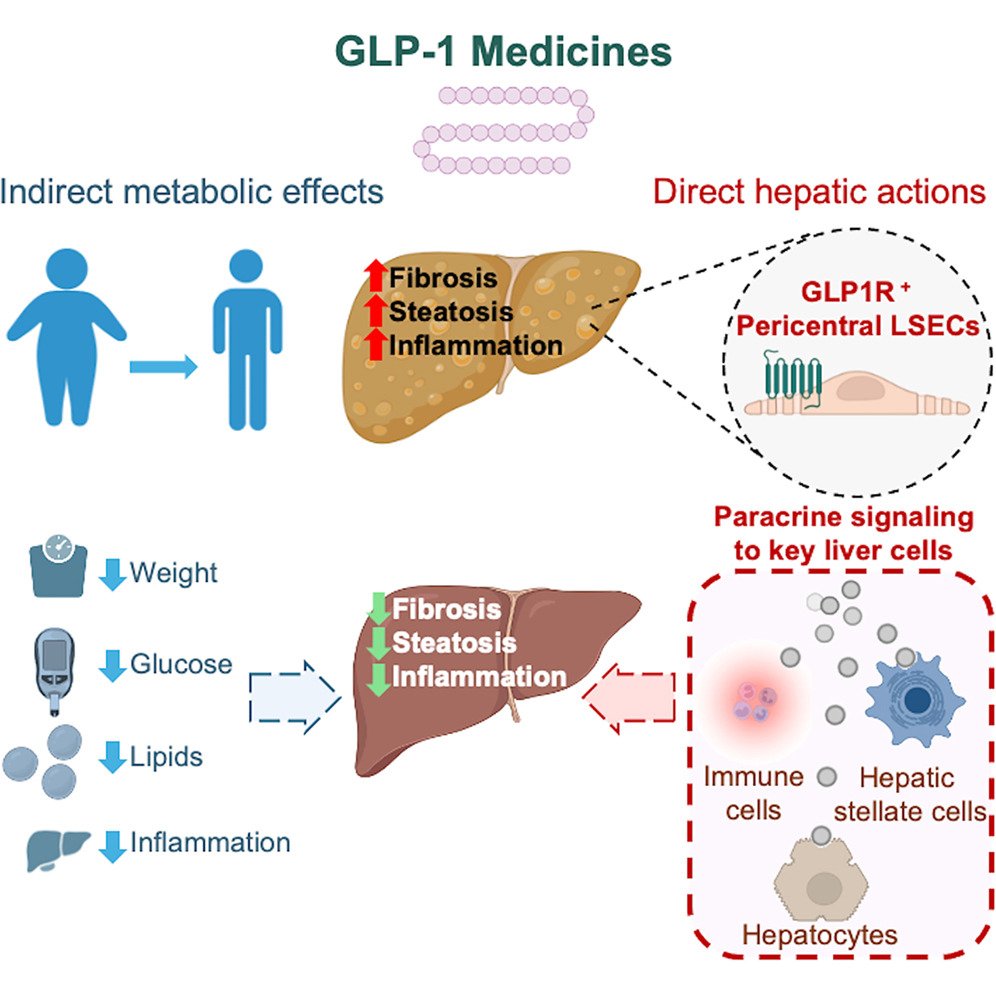
The weight-loss-independent hepatoprotective benefits of semaglutide are orchestrated by intrahepatic sinusoidal endothelial GLP-1 receptors.
https://t.co/xnMLLYA9bR
Using noninvasive tests to stage fibrosis opens the door to truly personalized MASLD and MASH care, allowing us to match lifestyle, incretin based therapies, resmetirom and standard cirrhosis management to each patient’s fibrosis stage, enabling an approach tailored to liver disease severity.
https://t.co/DVMslWhEFl
🧬 Who should be treated for MASLD? This Hepatology original research article explores a practical criteria set—combining FIB‑4, transient elastography, diabetes, and overweight status—to better guide treatment decisions. 📖✨
Read More: https://t.co/izzSVcv3WT
Auto-Brewery Syndrome (ABS): the gut microbiome produces alcohol → patients can be intoxicated without drinking.
Fascinating presentation by Dr. Bernd Schnabl at #SLDSummit:
🦠 Gut → ethanol-producing bacteria
🍞 Carbs → endogenous alcohol
Diagnosis tricky but real impact
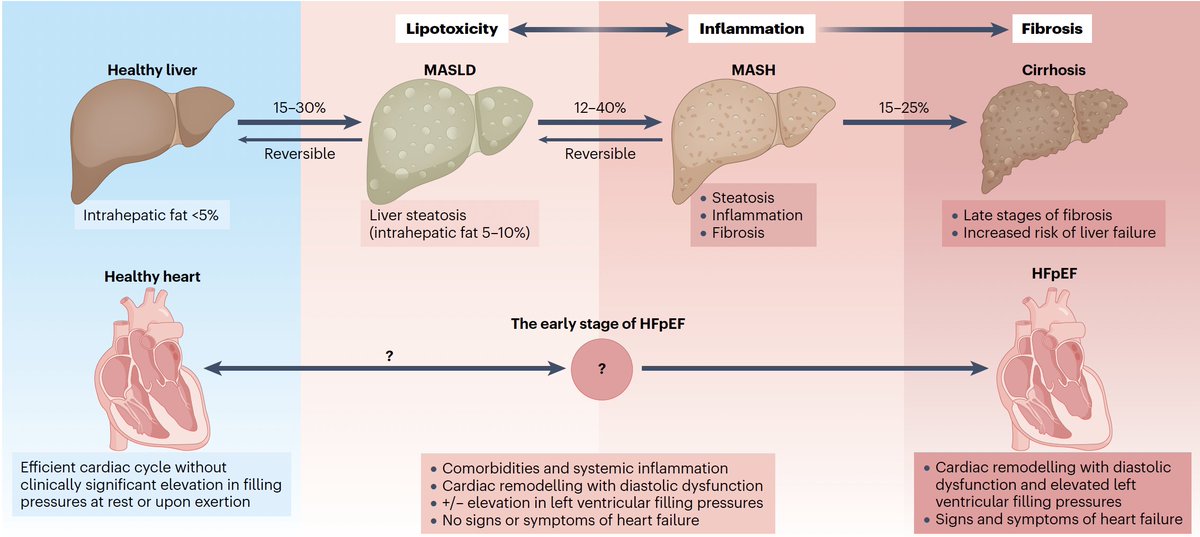
🧵1. HFpEF (heart failure w/ preserved ejection fraction) & MASLD (metabolic dysfunction-associated steatotic liver disease) are rising together with obesity/metabolic syndrome. Once siloed, now reflect shared systemic metabolic dysfunction driving disease in both heart & liver.
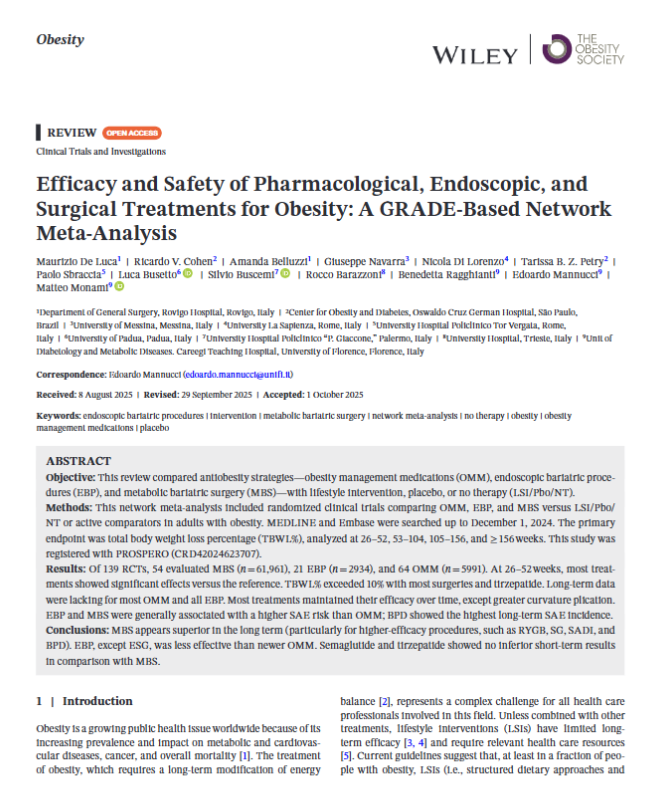
Meta-analysis finds that metabolic bariatric surgery delivers the largest and most durable weight loss, but semaglutide and tirzepatide rival surgery short term with far fewer serious adverse events.
https://t.co/Jr780MQOfH
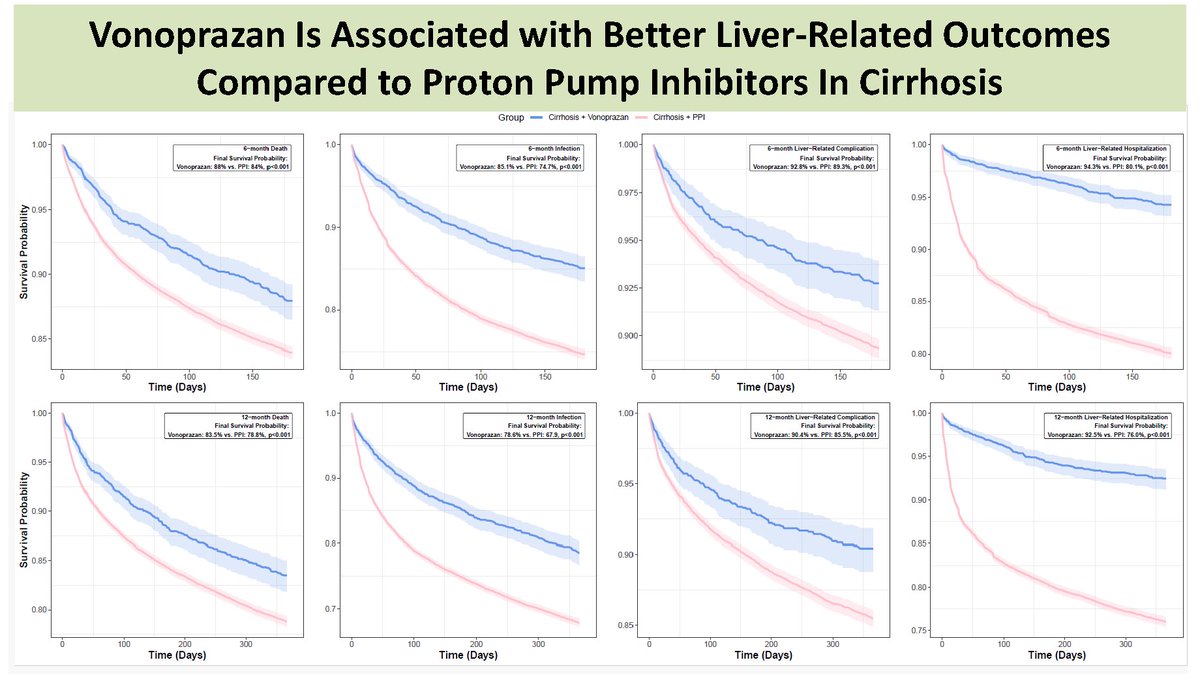
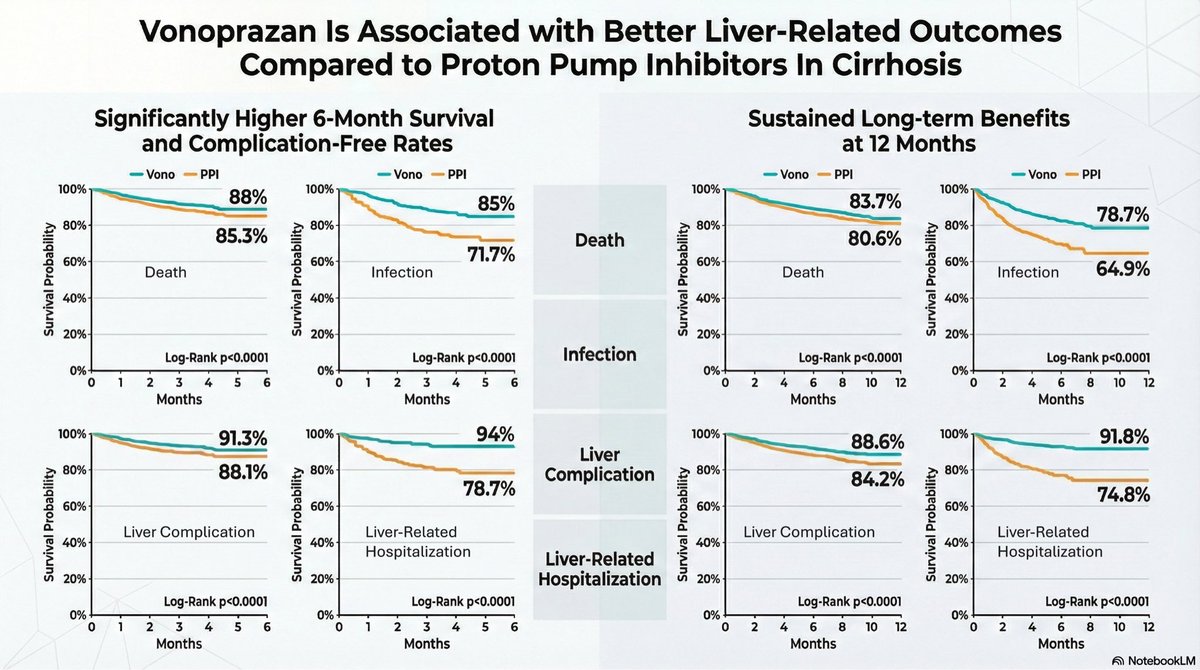
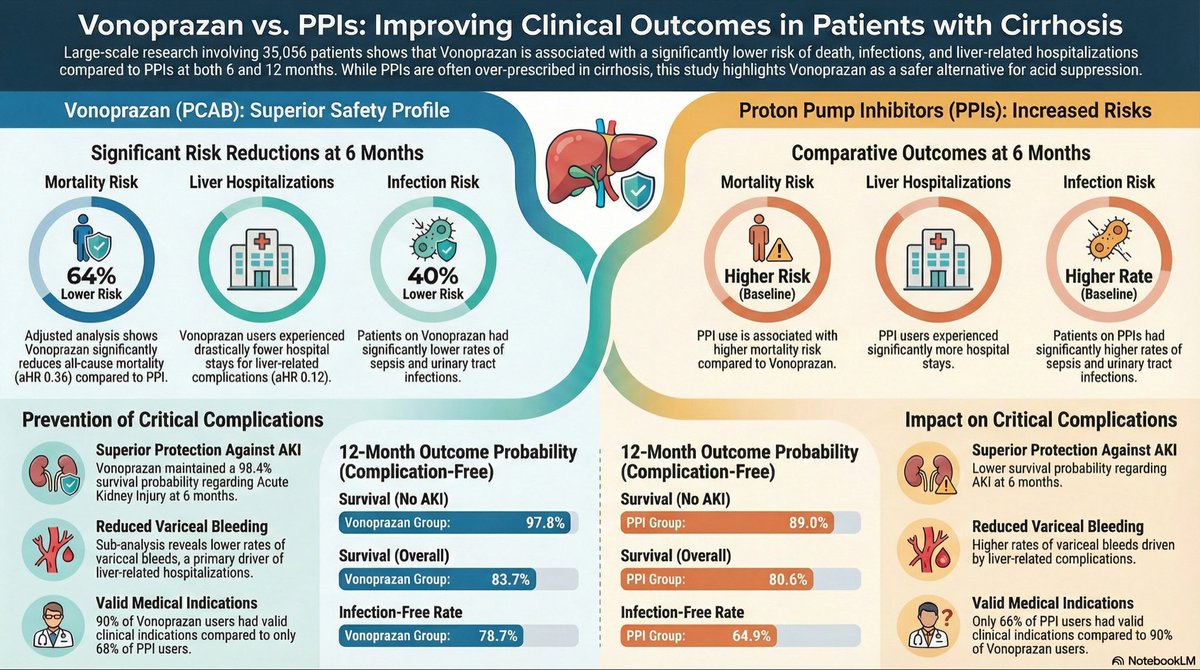
Both #PCABs & #PPI suppress acid but have different PK & #microbial impact....do they impact #cirrhosis outcomes differently? YES
In Asia-Pacific @TriNetX w many sensitivity analyses, #Vonoprazan ➡️ better outcomes vs PPI
@AmJGastro@nilangpatel et al⤵️
https://t.co/MeDhajOsdT
Final print of BCLC 2025 available at https://t.co/7aWaO8VFmA A team effort by BCLC members and external experts. Incorporation of CUSE concepts into the MTBoard allows personalised recommendations @hospitalclinic@idibaps@EASLnews@ILCAnews@AEEHLiver@ContraCancerEs
All 🫵 you need to know 🤓about 🩺🩻 evaluation and management 🩼💊💉 of Inpatient #IBD in @AmerGastroAssn@AGA_Gastro
✅Acute severe colitis
✅Small bowel obstruction
✅Intra-abdominal abscess
✅Perinal disease
‼️🚨DVT prophylaxis is critical🚨‼️
https://t.co/aSO4WSwa34
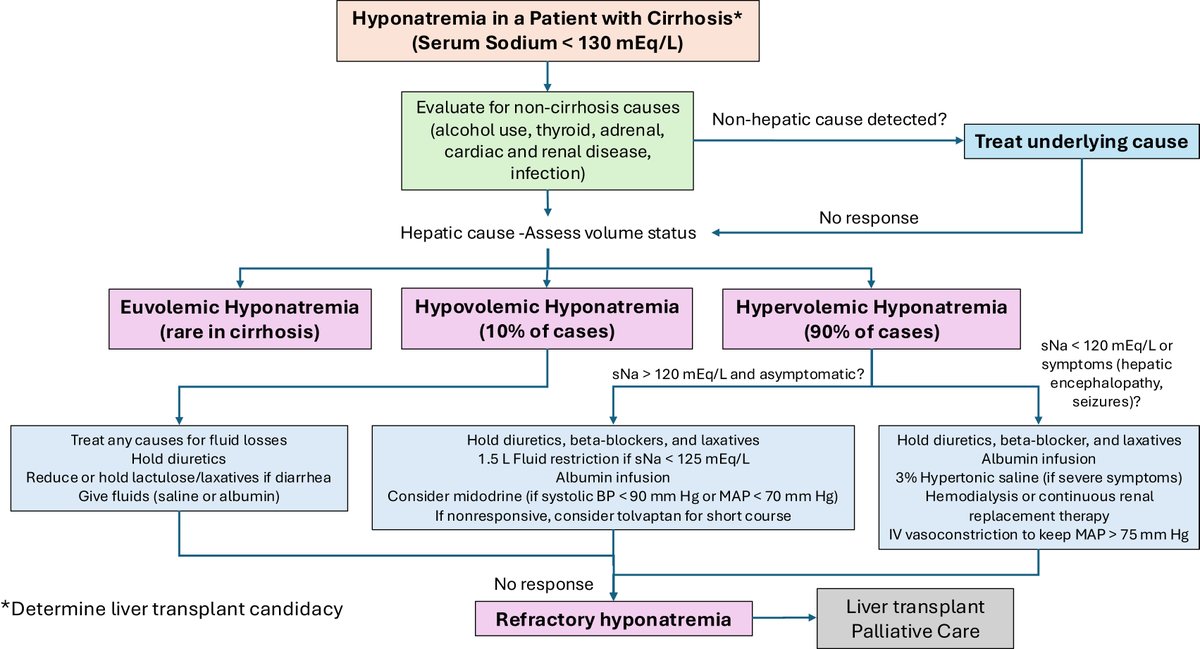
Best practices for managing ascites, volume overload & hyponatremia in cirrhosis.
Our new CPU in @AGA_Gastro shares 1️⃣3️⃣ evidence-based tips to support clinical decision-making.
Read more here: https://t.co/VT2rL72eIJ
@orman_md@BrettEFortuneMD@AsraniSumeet#GITwitter