This is it.
Everything learned spending millions on longevity.
From: Your Immortal Unc and Auntie.
To: Our Immortal nieces and nephews.
0. Sleep is the world's most powerful drug.
1. Be in your bed for 8 hours
2. Same bedtime every night, any time before midnight
3. Don’t eat right before bed
4. Calm foods for dinner
5. No screens 1 hour before bed
6. Avoid added sugar (be aware it’s in everything)
7. Avoid all things in an American convenience store
8. Avoid fried foods
9. Shoes off at the door
10. Eat whole foods, particularly veggies fruits nuts legumes berries
11. Walk a little after meals or air squats
12. Get your heart rate high routinely
13. Lift heavy things
14. Stretch daily
15. Water pik, floss, brush, tongue scrape, morning and night
16. Make an effort to drink water
17. Get sunlight when you wake up (UV is low)
18. Protect skin in midday sun
19. Stand up straight
20. See at least one friend once a week
21. Avoid plastic where you can (in all things)
22. Circulate air in rooms
23. When stressed, breathe, learn to calm your body
24. Go to the dentist
25. Avoid sitting for long times
26. Protect your hearing, the world is too loud
27. Alcohol is bad for you
28. Finish coffee before noon
29. Avoid bright lights after sunset
30. If obese, look into a GLP
31. Sleep in a cold room
32. Texting while driving is dangerous
33. Turn off all notifications
34. Limit social media use
35. Don’t smoke anything
36. If you struggle to sleep, read a physical book before bed
37. 1 hour before bed have a calm wind down routine: bath, read, light walk, listen to music
38. The body is a clock and loves routine. Have a daily morning and evening schedule.
39. Avoid long distance travel where you can
40. Baby steps first: incorporate new things slowly
41. Do less… most things don’t work.
Bonus points if you get your blood checked.
Start here, it will change your life.
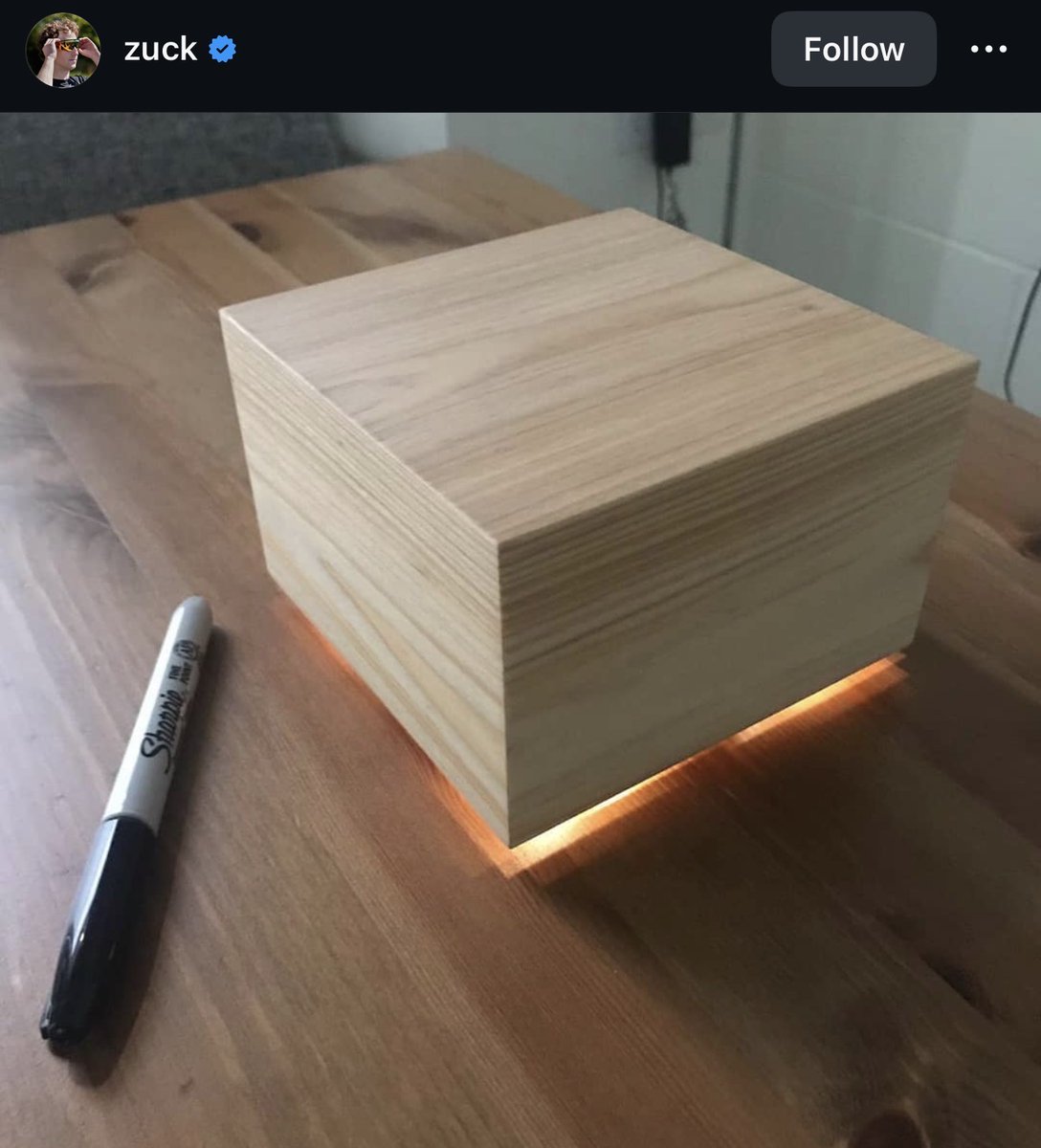
Mark Zuckerberg engineered a custom hardware device for his wife in 2019. No clock face. One faint light. A one-hour window.
Priscilla had a specific problem. She'd wake up in the middle of the night, check her phone for the time, and the number itself spiked her anxiety. 4am meant worry about the kids waking soon. 5:30 meant calculating whether to just get up. The information was the trigger.
Most engineers approach "can't sleep" by adding things to the bedroom. A meditation app. A Hatch alarm. A weighted blanket. A sleep coach.
Mark removed the variable that was running the wake-up loop.
The Sleep Box sits on Priscilla's nightstand and shows nothing for 23 hours a day. Between 6am and 7am it emits a single faint light. Faint enough not to wake her if she's still asleep. Visible enough that if she's already up, she knows it's okay to start the day. The rest of the night, dark. No clock. No time display. If she wakes at 3am she has no data to push her cortisol up with, so she goes back to sleep.
He wrote the firmware and built the enclosure himself. No team, no procurement, no Meta resources. He posted the result on Instagram and said it worked better than he expected.
The design move most CEOs would never run is the personal one. The instinct is to outsource a family problem to a specialist. A sleep coach. A doctor. A consumer electronics startup with a Series B and a marketing budget.
Mark intervened at a specific link in the chain. Time data hitting Priscilla's brain at 3am was what broke sleep. The phone got moved off the nightstand and replaced with a box that physically cannot deliver that data.
The box has no clock. That's the entire product.
Her ballet teachers held lit cigarettes under her thigh to test how long she could hold her leg to her ear without getting burned. She was 10.
Luana Lopes Lara spent 8 years at Brazil's Bolshoi Ballet Academy. 97 applicants for every spot. 13-hour days. Classmates hid glass shards in each other's shoes. She graduated, performed Swan Lake in Austria, then quit ballet entirely at 18 to study computer science at MIT.
She interned at Bridgewater and Citadel during summers. Then cofounded Kalshi with her MIT classmate in 2018. They spent two years with no product, no revenue, nothing. The entire company was a regulatory application to the CFTC.
Then she made the call that changed everything. She pushed to sue the CFTC for blocking election contracts. Her own regulator. The agency that gave them their license. Everyone told her the odds were below 1%.
She won. Kalshi did $1B in Super Bowl volume alone. Valuation went $2B → $5B → $11B → $22B in nine months. $1.5B revenue run rate.
Her 12% stake is now worth roughly $2.6 billion. She's 29.
Bolshoi trains you for one thing above all else: staying in position when everything in your body is telling you to quit. Turns out that's the entire job description of building a regulated financial exchange from zero.