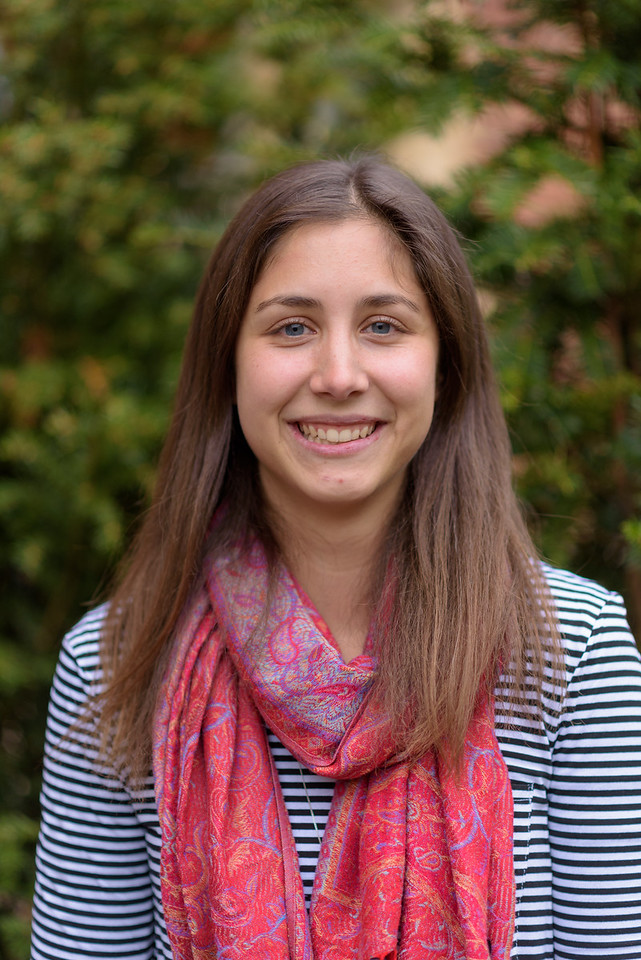
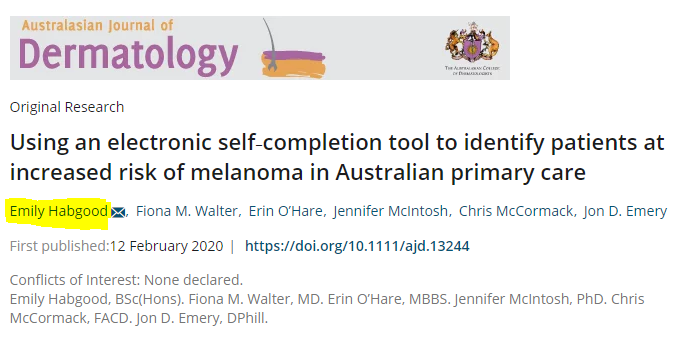
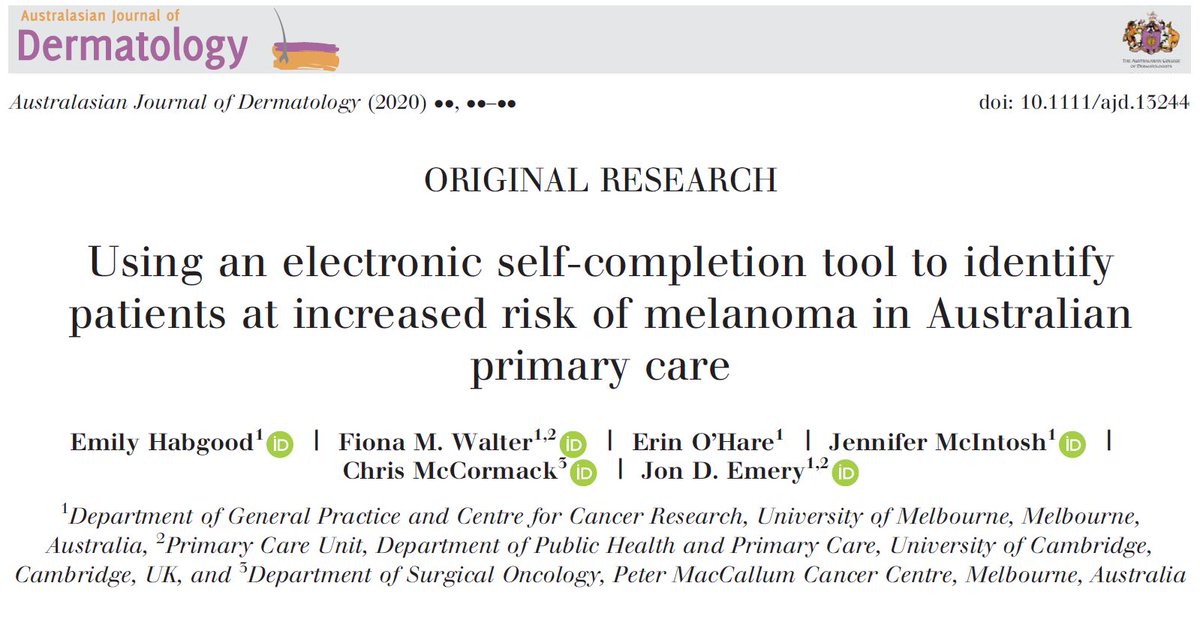
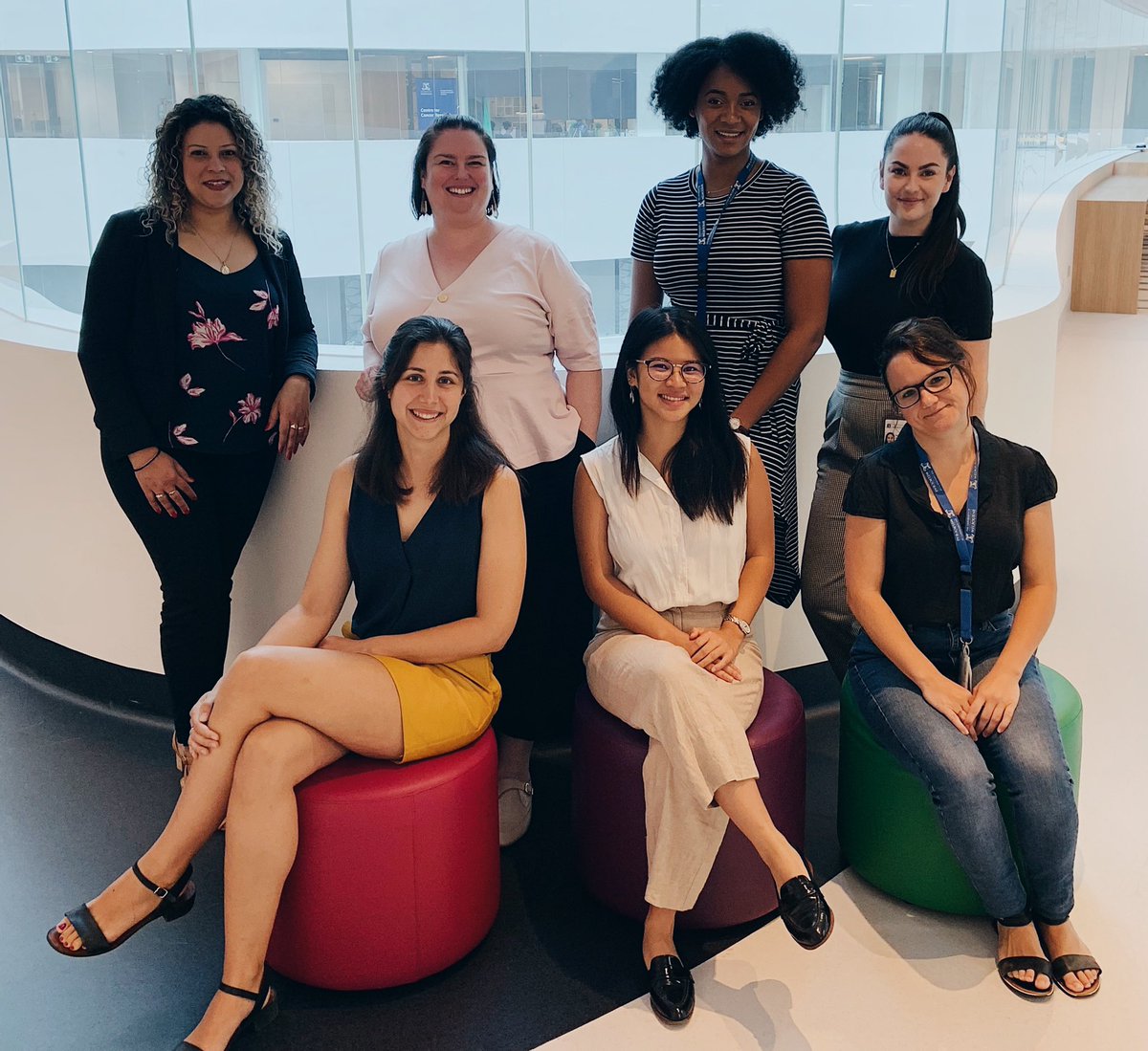
Our #PhDone candidate Emily @emhabgood just submitted her thesis titled: Targeted screening and the use of mobile apps for the prevention of melanoma in primary care. Help us celebrate this accomplishment 🥳🥳🥳 @UMCCR @UniMelbMDHS We are proud of you! Check out her papers below
#Melanoma screening can be more personalised and targeted—to improve early detection and treatment—through use of an electronic survey in GP waiting rooms. Read more about the study led by @emhabgood. @ProfJonEmery@PC4TG
https://t.co/pciTlqe1pT
Some of my PhD research is finally published! 😀
Showing a risk-stratified tool using the Williams model was acceptable and feasible for patients to self-complete in general practice clinics. https://t.co/Te2FIDC0br
@fmw22@jenmcintosh22@ProfJonEmery
I'm looking forward to another great day at this year's @PC4TG Scientific Symposium in Melbourne! An incredible line-up and primary care focus on optimal care pathways and lung cancer! Sign up now: https://t.co/ks6iwyOZtI😀
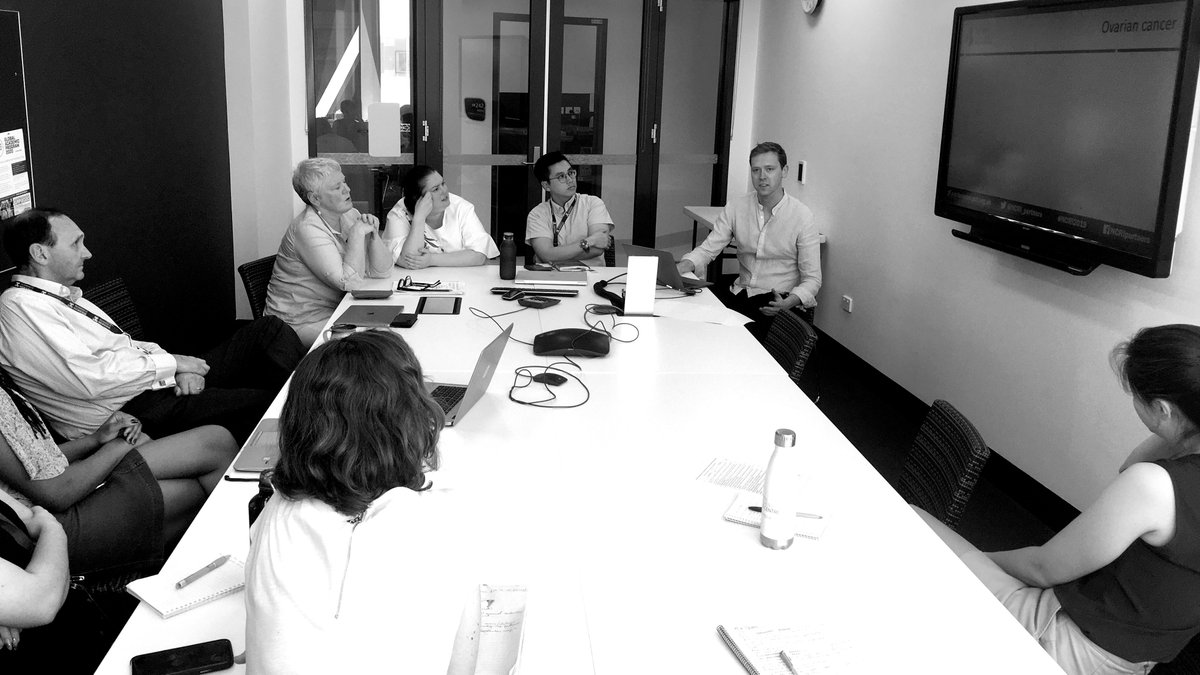
Thanks @FunstonGarth for presenting "The predictive value of CA125 for ovarian and non-ovarian cancer in primary care: a population-based cohort study" to @ProfJonEmery cancer team. Inspiring work!
It's #SkinCancerActionWeek & PC4 early career researcher network member @emhabgood is investigating melanoma risk assessment and tailored prevention in general practice.
Chemoprevention can assist in preventing cancer forming, through use of medication to lower risks, delay development or recurrence. @ProfJonEmery's team have developed ‘expected frequency trees’ to communicate potential harms and benefits to patients.
https://t.co/lt6WQlmotu
We're giving away 2 tickets to our Symposium on April 4. Simply @PC4TG about why you would like to attend and the best 2 will win a free ticket to our Symposium on April 4. GPs can gain their @RACGP QI&CPD points! #cancerresearch@nwmelbPHN@WestVicPHN@WCMICS
#LungCancer has one of the lowest survival outcomes of any #cancer because of high occurance of late stage diagnosis, with stigma often holding patients back from seeking consultations. @ProfJonEmery spoke to @normanswan on @RadioNational. 🎧Listen now→https://t.co/r7LvsxcO28
#UMCCR's @ProfJonEmery says that behavioural intervention like CHEST can help to provide more opportunities for doctors to identify and diagnose #lungcancer earlier in high-risk patients. https://t.co/9NcGZBSTqI
Researchers have found that by helping patients at high risk of lung cancer identify and monitor their symptoms, they are 40 per cent more likely to seek help from their doctor https://t.co/bCa2FcXmOy