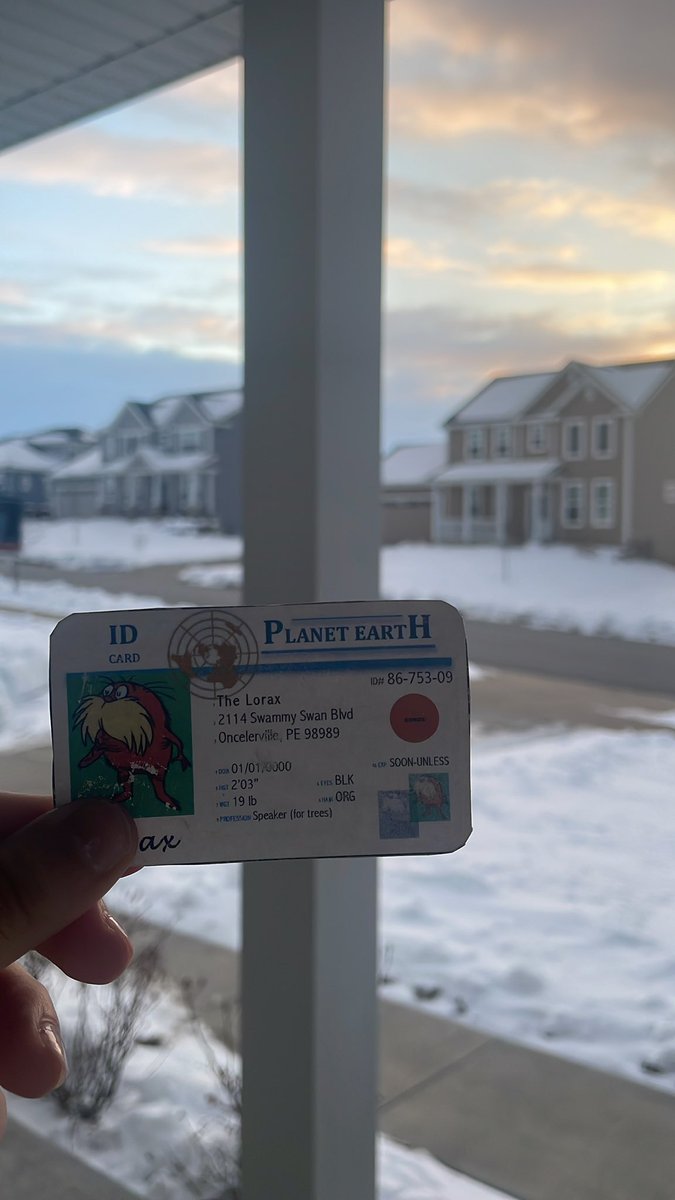
In this unit we learned that water easily soaks into soil, grass, etc. Once this snow melts, it will soak into the ground and provide nutrients for the vegitation it grows. We also learned about high density living, which is also pictured. #apesland@franklinlorax
These trees need specific soil that is filled with nutrients and is able to drain well so they can continue to grow and thrive throughout the year! @franklinlorax#apesland
A lot of Franklin neighborhoods have only single-family housing, but, mine has four-family buildings, meaning it also has a higher housing density compared to other areas #apesland@franklinlorax
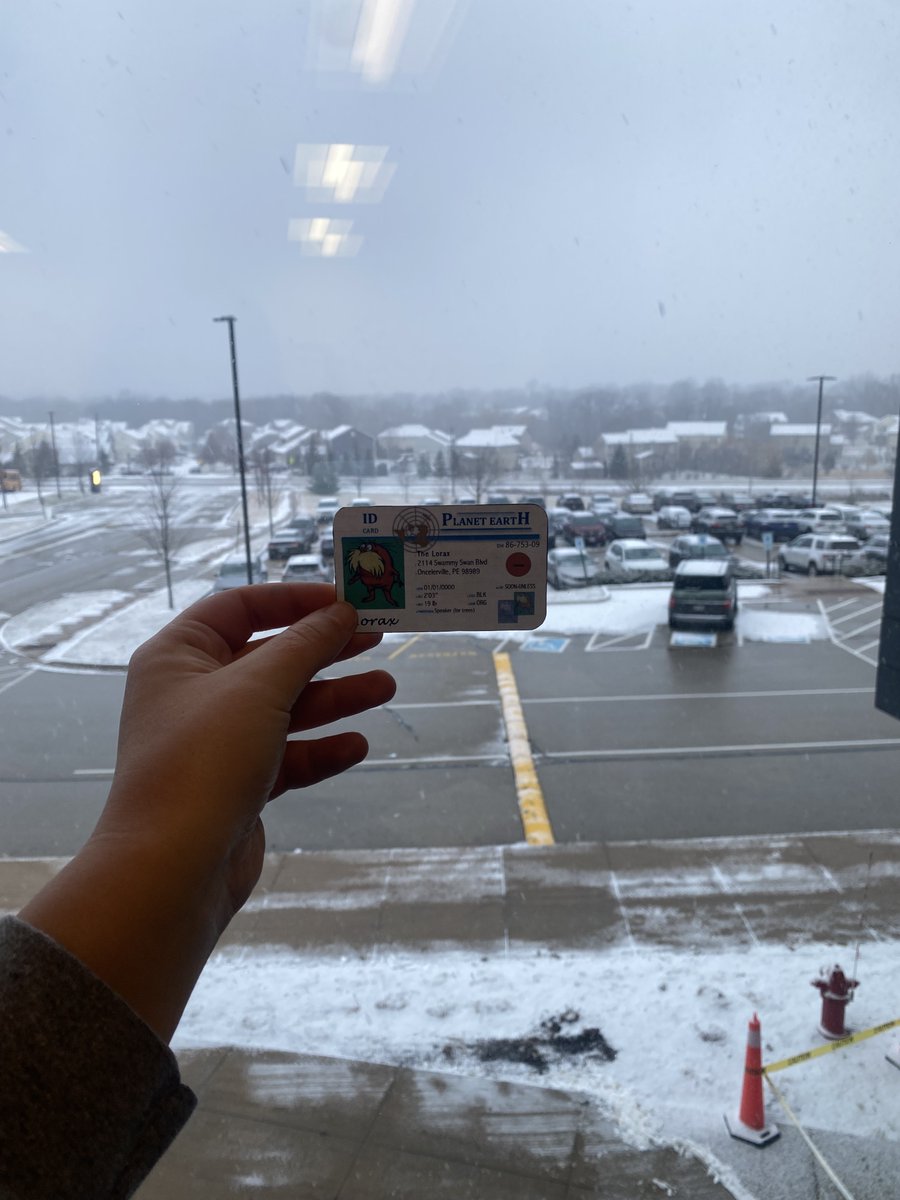
The city of Milwaukee is an industrial area since it’s filled with many businesses and office building! However, our city of Franklin is made up of many homes and neighborhoods, making it a residential area! @franklinlorax#apesland
In APES we learned about low vs high density living. I live in a high density area because each house is individual with its own backyard, which takes up a lot of land. #apesland@franklinlorax
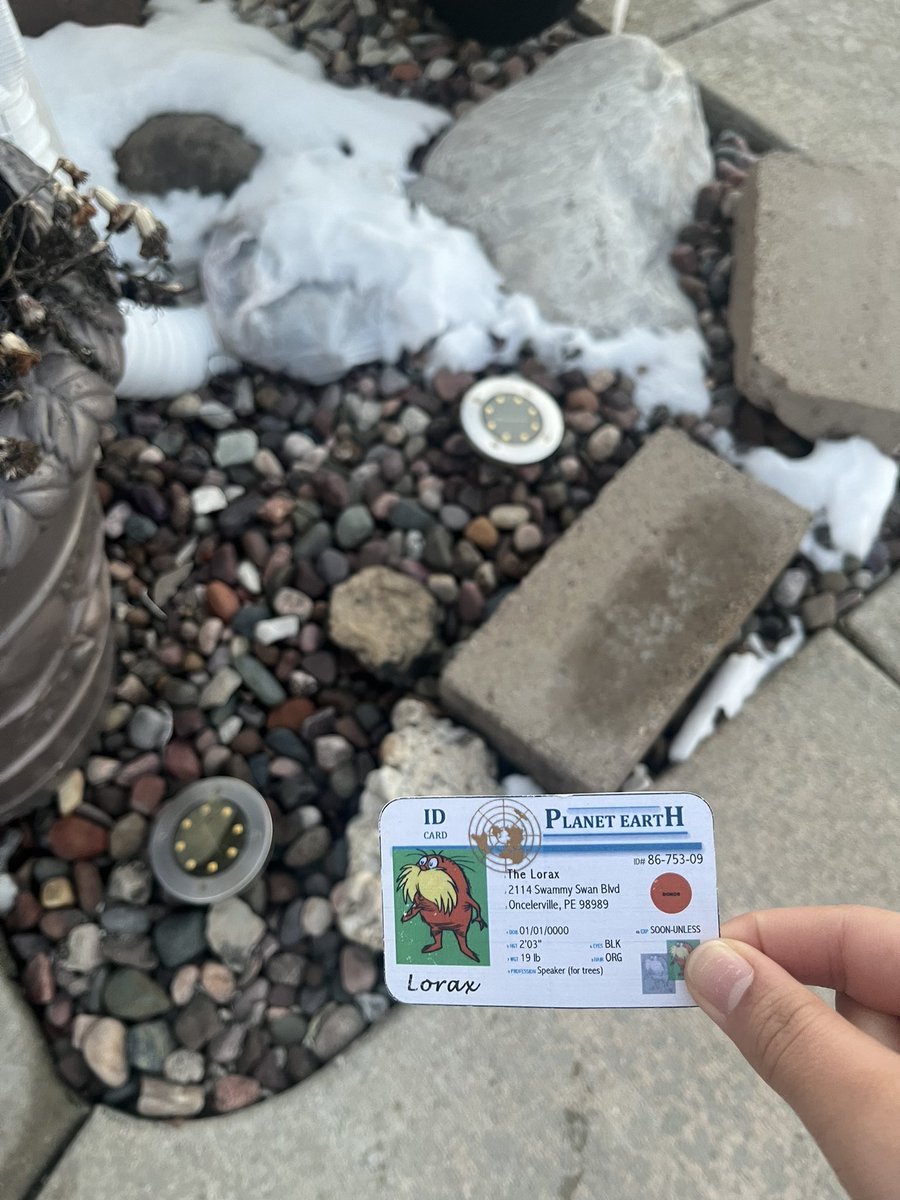
We use solar paneled lights on our front patio to use less energy. Using solar energy reduces the demand for fossil fuels and that means less carbon dioxide in our air. @franklinlorax#apespopulation
On vacation, my family and I walk instead of using these vehicles (cars) as our transportation to help reduce our ecological footprint. #apespopulation
These grapes are organic which means that there was no use of pesticides or GMO when growing it. Organic produce are usually smaller, healthier, and more expensive because it was grown naturally. @franklinlorax#apespopulation
This is cooper. He is a k-selected species because he had a high level of care from his mother as a puppy and he would only have a few offspring. @franklinlorax#apesecology