@bahtiyarfilm Global şirketler de ülkedeki siyasi sisteme göre vatandaşlara davranıyor, böyle bir durum karşısında ABD'de belki de tazminat bile alınabilir.
The "Platform" Checkmate in the Chip Wars ..//.. $AVGO
Broadcom's reported 48% revenue surge to $22.187 billion and its boosted full-year guidance to $52 billion cannot be explained away by a simple "AI boom." This isn't just about a company selling chips like Nvidia; this is a completely different level of genius that locks down the semiconductor industry through infrastructure software.
Here are the 3 core realities this quarter revealed:
1The "Dual-Engine" Theory in Motion: Broadcom has built an unprecedented operational balance. The left engine runs on Custom AI ASICs (tailored chips for giants like Google and Meta) and Ethernet Networking Solutions—driving explosive, trend-fueled growth. The right engine is powered by the fully integrated VMware, which generates high-margin, recurring software revenue (Subscription SaaS). This engine clicks along month after month, completely independent of AI market fluctuations. If one slows down, the other keeps the system flying.
2The "Demand Cliff" Myth Shattered: Wall Street's biggest fear was that enterprise clients would abruptly cut AI spending. However, management’s strongest signal during the Q&A was that their order pipeline is growing significantly faster than current revenue recognition. Broadcom's problem is not finding customers; it is managing the supply chain and delivering TSMC-fabricated chips and engineering resources on time.
3The Ultimate Cash Machine (Free Cash Flow): While many AI players burn through cash on mere future promises, AVGO proved with cold hard numbers that it is one of the few giants capable of scaling rapidly while simultaneously paying down debt and returning capital to investors via dividends. The gap between GAAP and Non-GAAP figures (driven by one-time VMware acquisition costs) does not overshadow the sheer cleanliness of their core operational profitability.
The Bottom Line: While competitors are stuck selling "hardware boxes," Broadcom is cementing lifetime customer stickiness by fusing VMware + Custom AI into a unified ecosystem. Any short-term stock pullbacks (profit-taking) reflect the market digesting this massive pace, not a weakness in the core thesis.
ABŞ-da sosial təminat sistemi yaşlı insanların minimal ehtiyaclarını, xüsusilə də yüksək kirayə haqlarını ödəyə bilmir. Uşaq əməyinin istismarı qanunla qadağan edildiyi kimi, ən aından müəyyən bir yaş həddindən sonra da insanların ağır şərtlərdə işləməyə məcbur qalması qanunsuz sayılmalı və ya ən azından dövlət təminatı ilə bunun qarşısı necəsə alınmalıdır. Çünki 93 yaşlı bir insanın teatr zalında tullantı təmizləməsi sadəcə bir "iş seçimi" deyil, sistemin yaratdığı çıxılmazlığın nəticəsidir.
This is Miss Mary, a 93 old woman who works AMC theaters cleaning trash people leave behind. My heart hurt watching this. This is not the way it should be. 🥹💔
Nvdia qlobal kapitaldan gələn payı öz xeyrinə ən pik nöqtəyə çatdıran bir "super-rent" maşınıdır. NVIDIA bu gün sadəcə çip satmır - yeni rəqəmsal eranın torpaq sahibidir. Qurduqları proqram ekosistemi (CUDA) elə bir keçilməz divardır ki, Microsoft, Meta, Google kimi digər dünya nəhəngləri bu torpaqda fəaliyyət göstərmək üçün hər rüb NVIDIA-ya "xərac" ödəməyə məcburdurlar. Ortada mücərrəd bir süni intellekt hekayəsi yoxdur. Elə ən aqressiv böyüməni edən şirkətdir, başqası yoxdur. Məncə, bu hekayə digər böyük texnologiya şirkətlərinin klassik “hype” dövrlərindən fərqlənir. Ümumiyyətlə "hype" üzərində qurulmuş keçici bir süni intellekt hekayəsi deyil. Arxasında Microsoft, Amazon, Google və Meta kimi texnologiya nəhənglərinin milyardlarla dollarlıq kapital xərcləri (CapEx) ilə qidalandırdığı, maliyyə cəhətdən yıxılması demək olar ki, qeyri-mümkün olan bir qalaya çevrilib. Sənaye inqilabında torpaq və zavod sahibləri necə kapitalı öz əllərində cəmləşdirirdilərsə, NVIDIA da bu gün yeni rəqəmsal eranın mütləq mülkiyyətçisidir. Bazarda digər AI oyunçuları infrastruktur xərcləri altında əzilərkən, bu struktur qlobal sərvət transferinin mərkəzində oturub öz “rent”ini yığır. Üstəlik dividend ödənişlərini 2400% artıraraq hər səhm üçün 0.25 dollara çatdırıb - qısamüddətli bazar dalğalanmalarında şirkət öz səhmlərinə sahib çıxaraq aşağıya doğru gələn satış təzyiqini də azaldacaq. Qısamüddətli perspektivdə qiymət korreksiya edərmi, geopolitik risklər nə olar bilmirəm. Amma struktur olaraq baxanda bu hekayə mənə hələ də uzunmüddətli "aqressiv böyümə mərhələsində" olduğu hissini verir. Hekayə artıq kağızın üzərindən çıxıb qlobal iqtisadiyyatın tam mərkəzinə yerləşin.
$NVDA Hisselerimi Neden Satışa Koydum?
Öncelikle bilanço gerçekten inanılmaz güçlüydü. Veri merkezi tarafı, Blackwell talebi, marjlar, gelir büyümesi… Adamlar resmen AI ekonomisinin merkezine oturmuş durumda. Buna zaten kimsenin itiraz edeceğini düşünmüyorum. Şirket şu an AI tarafında tartışmasız lider ve piyasadaki çoğu şirketin kaderini bile dolaylı olarak etkiliyor.
Ama işte tam da bu yüzden NVDA artık benim aradığım tarzda bir yatırım değil. Çünkü ben agresif büyüme yatırımcısıyım. Benim ilgimi çeken şey herkesin zaten kabul ettiği dev şirketler değil; yeni hikayeler, yeni iş alanları ve piyasanın henüz tam anlamıyla fiyatlamadığı dönüşümler.
NVDA’nın bugün geldiği nokta zaten bunu gösteriyor. 5.5 trilyon dolarlık devasa bir şirket olmuş durumda. Belki ileride 7–8 hatta 10 trilyon olur mu? Olabilir. Özellikle AI yatırımları bu hızla devam ederse hiçbir şeye şaşırmam. Ama mesele burada şirketin iyi olması değil. Mesele bundan sonra ne kadar getiri potansiyeli sunduğu.
Çünkü bir şirket büyüdükçe işler zorlaşıyor. Artık aynı oranlarda büyümek, aynı çarpan genişlemesini yaşamak çok daha zor hale geliyor. Eskiden NVDA’ya yatırım yaptığınızda piyasa henüz AI devriminin ne kadar büyük olacağını tam anlamamıştı. Şimdi ise herkes aynı hikayeyi biliyor.
Ve bence piyasada en zor para kazanılan yerlerden biri de herkesin mükemmel olduğunu kabul ettiği şirketlerdir. Çünkü beklenti zaten aşırı yüksek oluyor.
Mesela şu an AMZN ve GOOGL bana çok daha ilginç geliyor (Not: AMZN ve GOOGL-ı bu fiyatdan alın demiyorum). Çünkü oralarda hala açılabilecek yeni kapılar görüyorum. Özellikle agentic AI, enterprise AI, reklam dönüşümü, cloud tarafında AI servisleşmesi, AI destekli arama dönüşümü gibi alanlar bence henüz tam fiyatlanmış değil.
AMZN tarafında AWS’in AI gelirlerinin önümüzdeki birkaç yılda nasıl evrileceğini piyasa hala tam çözemedi bana göre. GOOGL tarafında ise insanlar şirketi hala sadece klasik reklam şirketi gibi okumaya çalışıyor ama AI destekli search dönüşümü başarılı olursa bambaşka bir hikâye ortaya çıkabilir.
NVDA’da ise artık herkes aynı şeyi konuşuyor:
“Talep çok güçlü.”
E tamam zaten piyasa da bunu biliyor.
Benim ilgimi çeken şey piyasada henüz consensus haline gelmemiş hikayeler. Çünkü büyük paralar genelde herkes fark ettikten sonra değil, insanlar hala tartışırken kazanılıyor.
Yanlış anlaşılmasın, NVDA kötü şirket demiyorum. Tam tersine belki de şu an dünyanın en güçlü teknoloji şirketlerinden biri. Ama benim yatırım tarzım açısından heyecan verici tarafı azalmış durumda. Daha çok büyük fonların, dev sermayelerin, daha düşük riskli büyüme arayan insanların tutabileceği bir şirkete dönüşüyor gibi hissediyorum.
Eğer büyük bir servetiniz varsa ve paranız her yıl düzenli şekilde büyüsün istiyorsanız NVDA hala harika bir şirket olabilir. Buyback yapar, nakit üretir, sektör lideri kalır ve sizi uzun vadede üzmeyebilir. Ama ben daha agresif fırsatlar arıyorum.
Bu yüzden şahsen beni gerçekten heyecanlandıracak yeni iş alanlarına girdiklerini görene kadar NVDA’ya yeniden yatırım yapmayı düşünmüyorum. Ayrıca elimde olan NVDA hisseleri için de 230 dolar civarında satış emri girdim.
Yatırım tavsiyesi değildir.
What’s interesting about $Medtronic right now is that the stock is still trading relatively close to its 52-week lows despite a year of gradually improving earnings results.
Over the past several earnings calls:
• Revenue stayed in the ~$32–33B annual range • Organic growth averaged around ~4–5% • Multiple quarters delivered “beat and raise” style results • Diabetes, cardiovascular, PFA, and robotic surgery continued showing improving momentum
Management has consistently pushed the same message across calls: Medtronic is trying to shift toward higher-growth medtech categories while improving margins and execution.
Now the focus turns to the next earnings call, where investors will mainly watch for:
• FY2027 guidance • Hugo robotic surgery expansion • Pulse Field Ablation adoption growth • Margin improvement trajectory
So the setup becomes interesting:
A company near its 52-week lows, but with fundamentals and earnings narratives that have actually been improving over the last year.
$Medtronic is positioned to reclaim triple digits either into the close or during after-hours trading following a strong earnings beat and upbeat forward guidance.
$MU is considered a strategic company for the United States. The U.S. wants to reduce dependence on China and build a domestic semiconductor supply chain. Because of this, Micron benefits from subsidies, government support, and geopolitical advantages, which gives confidence that MU can still be attractive at current prices.
The bullish thesis is based on the belief that:
•HBM demand will continue to surge for many years
•AI infrastructure and capex spending will keep expanding
•This memory cycle could be fundamentally different from previous boom-and-bust cycles due to the structural demand created by AI
AAOI missed market expectations on both top and bottom line metrics in its latest quarterly results. Furthermore, the company’s Q2 guidance merely aligned with consensus estimates, triggering negative sentiment across Wall Street and initiating downward pressure on the stock.
In contrast, a deep-dive analysis of the financial statements and operational metrics indicates that the company’s long-term growth trajectory remains highly robust:
- 800G Production and Revenue Potential: AAOI announced it has achieved a monthly production run-rate of 100,000 units within its 800G product line. During the quarter, only approximately 10,000 of these units were sold and recognized as revenue. Given an estimated average selling price of $1,000 per unit, current revenue does not yet fully capture the earnings power of this segment. As sales velocity accelerates heading into the third quarter, top-line growth is poised to gain momentum. The company maintains a total production capacity target of 600,000 units for this year.
- 1.6T Order Pipeline: In the next generation 1.6T technology segment, a backlogged order volume exceeding $200 million has been officially confirmed.
- Data Center Performance: Data Center segment revenue demonstrated strong growth, expanding to $81 million from $32 million reported in the prior-year period.
P.S. While headline earnings and revenue figures fell short of market forecasts, the underlying operational metrics namely expanding production capacity and a substantial forward order pipeline demonstrate resilient fundamental quality. Consequently, the recent pullback in share price presents a compelling gradual accumulation opportunity for medium to long-term portfolios.
$SIVE – If you are wondering if it is too late to invest, it isn’t and here is why.
Goldman Sachs just unveiled their Optical Communications industry map for the AI infrastructure buildout. The full ecosystem laid out – IC Design, Materials, Optical Components, Packaging and Testing.
Guess what? $SIVE is not on the map, yet.
The highlights from Goldman:
TAM growing from $15B to $154B. Scale-up optical interconnects within racks and super-nodes are the real driver. NVIDIA’s GPU clusters jumping from 72 to 576 GPUs by 2027-2028, with interconnect dollar value per computing unit going from $315K to $9.4B. A 29x increase per unit.
Silicon photonics penetration jumping from 6% in Q1 2024 to 46% by Q4 2028. CPO commercialization starting in 2026. The shift from copper to optical is structural and accelerating.
In the laser/light source segment, Goldman maps $LITE, $COHR, $AVGO, $AAOI – the obvious ones. Sivers is nowhere to be seen.
$SIVE powers Jabil’s 1.6T LRO architecture. Win Semi is their confirmed foundry partner. They sit upstream of the entire optical interconnect stack with InP lasers everyone needs.
When Goldman publishes the next iteration of this map, $SIVE will most likely be listed on the US Nasdaq and big enough for institutional coverage. Which means institutions will try to shake the ground just so they can catch up.
This report is extremely bullish for the entire photonics ecosystem.
Being early pays. Having conviction pays even more.
The crypto market is steadily recovering and showing signs of revival. As risks threaten the global dominance of the US dollar, digital assets are gaining stronger ground as a means for international exchange. Given this macroeconomic trend, I expect fintech platforms with deep crypto integration, like #SoFi and #Robinhood, to see significant growth in their fundamental value.
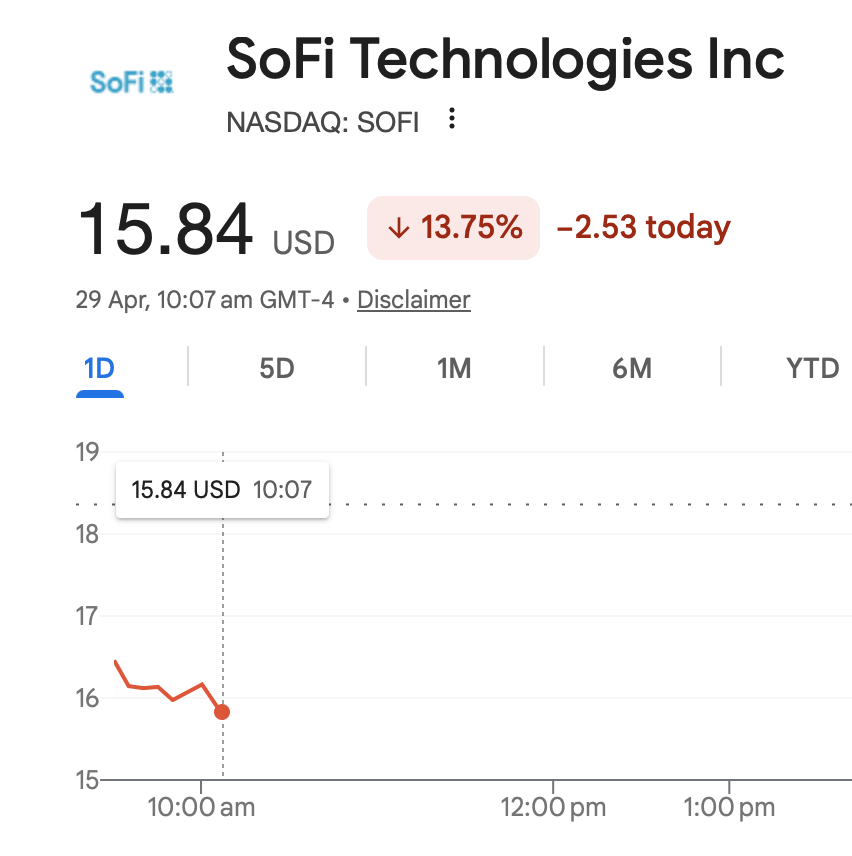
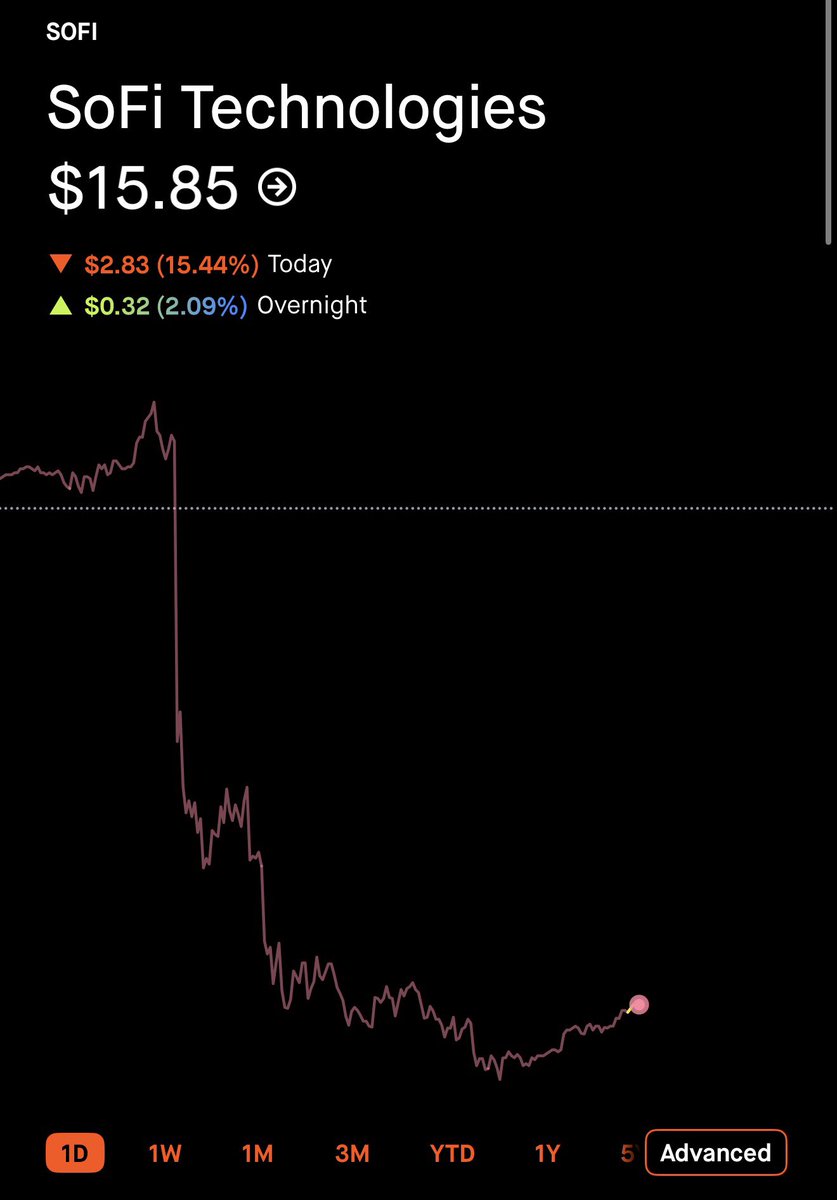
I exited $SOFI at $30, not loss of faith, just better setups and locking profits.
SOFI didn’t drop on bad Q1..
It dropped because the market wanted beat-and-raise… got beat-and-wait.
Not a disaster. Not clean either.
If Galileo rebounds, dip looks cheap. If not, multiple goes lower.
I’ve never met a single person who uses $SOFI
In fact, I’ve never even met someone who knows what it is besides the football field
Can someone explain this?
Bir fotoqrafın uğursuz foto çəkməyi çox normaldır. Ara Güler sadəcə “o vaxt kimsədə kamera yox idi deyə məşhur oldu” kimi sadə bir hekayə ilə izah olunacaq biri deyil. Ara Güler Magnum Photos ilə əməkdaşlıq edən, Time Magazine və Life Magazine kimi nüfuzlu platformalarda dərc olunan bir fotojurnalist idi. Bu səviyyəyə çatmaq üçün təkcə kameraya sahib olmaq kifayət etmir - baxış bucağı, kompozisiya hissi, doğru anı tutmaq və hekayə danışmaq bacarığı əsas rol oynayır.
@aleabitoreddit@NabQ321 The uncomfortable truth: If something is already clearly framed as a “massive chokepoint - institutions are usually already there, your job shifts from “discovering” to “finding where the market is still misreading execution risk”
Capital is increasingly shifting away from broadly distributed opportunities and concentrating into a few strategic layers of infrastructure. This is not merely technological progress it reflects a structural shift in how economic power becomes centralized.
Where value was once more evenly distributed across consumer markets and brand-driven companies, the dominant weight is now in areas such as computing power, energy infrastructure, critical resources, and autonomous systems. In other words, it is no longer the visible layer of the economy that matters most, but the underlying systems that make it function.
In this process, the role of states is also expanding, as these sectors are no longer governed purely by market dynamics, but increasingly by national security considerations and technological sovereignty. As a result, capital is concentrating into fewer companies, but into more strategically essential layers of the economic infrastructure.
This is true.
A few of bank analysts got passive aggressive when I called out $SOI back at $40 and it rose 125% since then.
Same with $SIVE and it’s risen a few hundred percent (and keeps going up)
But these same institutions are the one buying afterward on $IQE to $AXTI.
Usually institutions have silent accumulation periods blocks over months to not raise the price + accumulate the float off retail.
Then tell retail investors after it’s risen a lot and they own 5% of the company.
But if markets price that in a lot faster, institutions are forced to buy a lot higher.
Which is basically frontrunning institutions on supercycle names.