The generative AI market is projected to hit $118bn by 2032, but can it truly impact workforce productivity?
Stanford & MIT researchers investigated, revealing intriguing implications that will reshape workforce.
Here's what they found and it's implications🧵
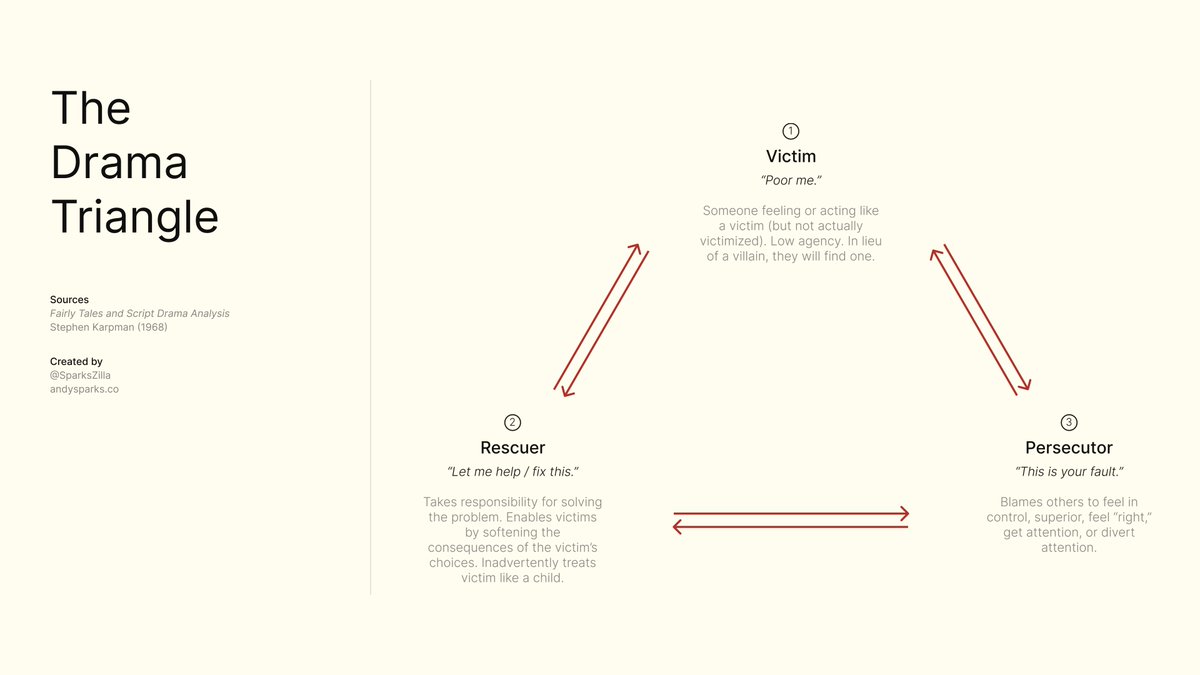
@garrytan Original source for anyone interested is "Fairy Tales and Script Drama Analyisis" by Dr. Stephen Karpman: https://t.co/V6vhPRWwWC -- I also have a bunch of resources on this here: https://t.co/WR0iMZpdZA
@DStrachman@DStrachman you should talk with @nikhilyadala fits all that criteria above. just check his latest release. the most dedicated, and logical person I have met.
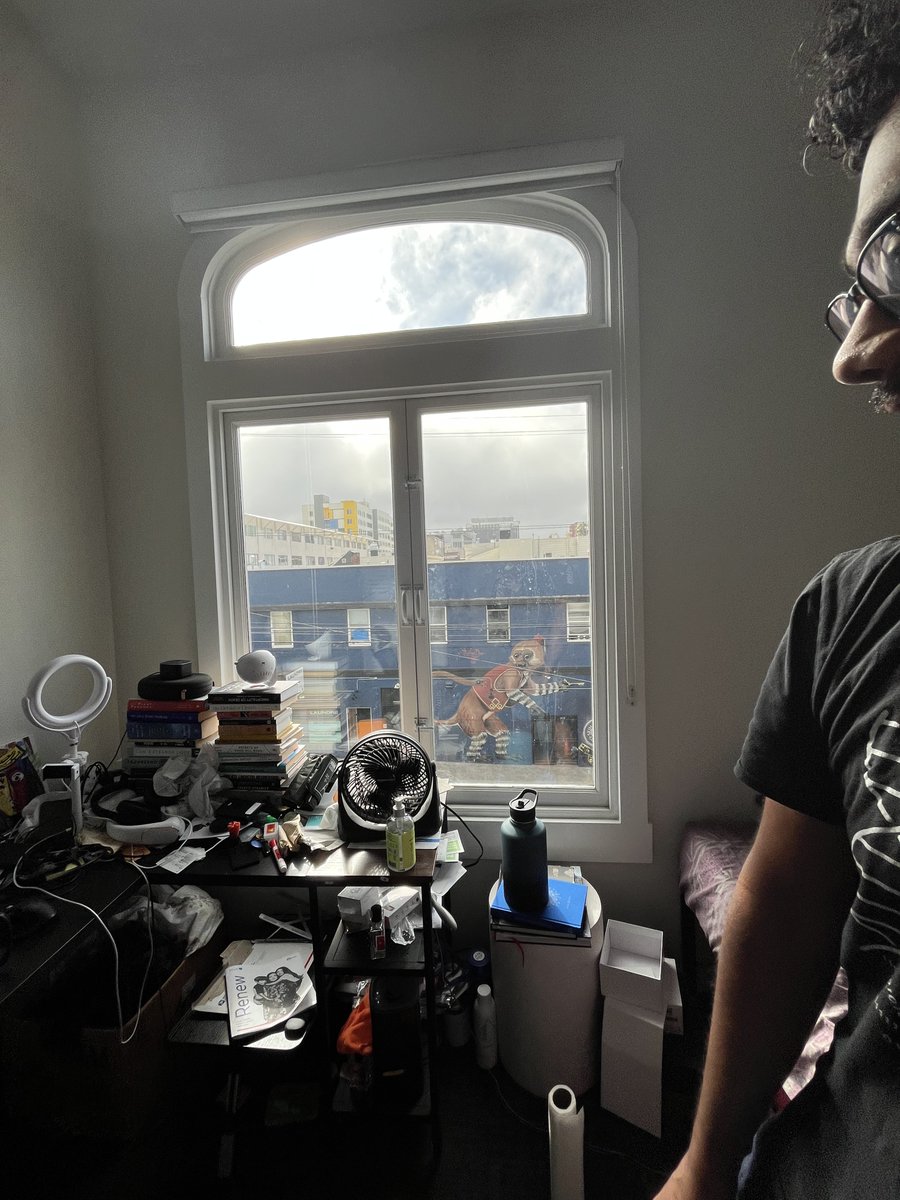
the room of a scientist.
https://t.co/1syLiWTKcI
You want to get your biological age tested. You search Google. 100 different tests. You pick a few. They all give you completely different numbers.
Whom to trust?
How about you trust no one. Take control with OpenAge. https://t.co/IyEvC3hyD2
You want to get your biological age tested. You search Google. 100 different tests. You pick a few. They all give you completely different numbers.
Whom to trust?
How about you trust no one. Take control with OpenAge. https://t.co/IyEvC3hyD2
@thatguybg Both partners being all-in on a goal actually makes your life easier, not harder.
Real guys know that letting a great woman get away, is going to haunt you as much as that company...and the right partner is an incredible accelerator & thought partner.
“…vocabulary-rich children arrive at school with a hidden cognitive advantage ... They have heard “ridiculous” and “extraordinary” and “investigation” at the dinner table, in bedtime stories, in the overheard conversations of articulate adults. Their minds have been silently sketching the spellings of hundreds of words they have never read..
“Children from language-poor environments arrive without those skeletons…
“It is a gap in prediction. And it compounds: the child who reads more easily reads more, hears more words in the context of text, forms more skeletons, and reads still more easily. The child who struggles reads less, encounters fewer new words, forms fewer skeletons, and falls further behind.”