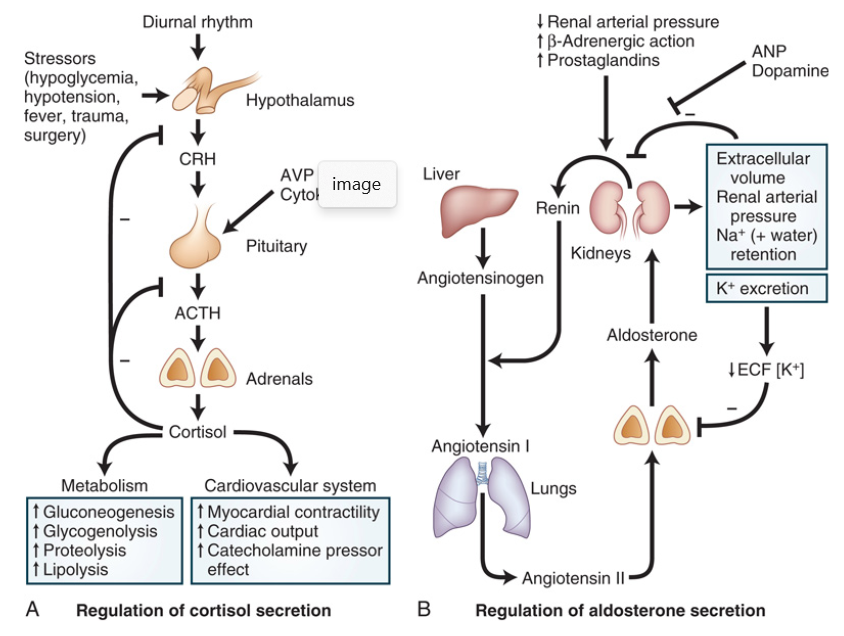
Fun fact: Pregnancy is associated with elevated free and unconjugated cortisol, elevated progesterone and prostaglandin E2 levels. This may result in pregnancy associated asthma remission.
https://t.co/w5eb0XxqHG
@TheAtlantic@vauhinivara The idea contaminates the dignity of reasoning itself! Many African academics, journalists, and writers produce exactly that kind of disciplined prose and AI detectors often mislabel it.
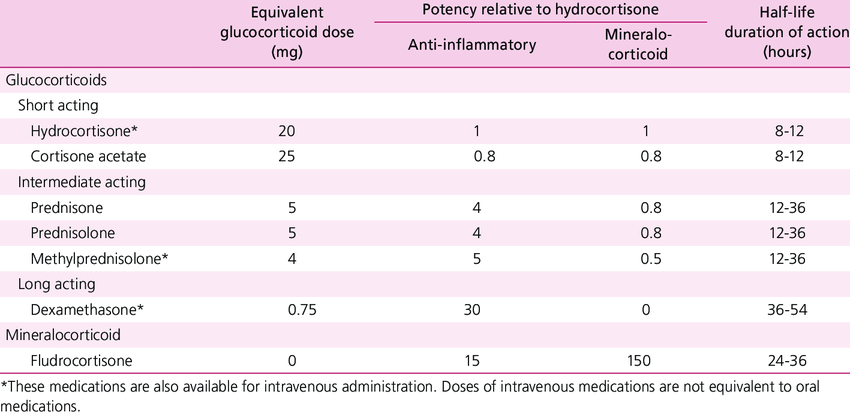
Meta-analysis evidence: Fludrocortisone combined with hydrocortisone in septic shock significantly reduces in-patient, 28-day & 90-day mortality. It is likely due to their combined anti-inflammatory and volume repletion effects.
🚩🚩Statistically significant risk of reinfection!
Did you know the use of fludrocortisone for postural hypotension is considered "0ff label" in the UK?
RCTs showed an improvement of both supine & upright BPs with fludrocortisone. However, these studies have small sample sizes and did not include a safety assessment of the drug.
Let's discuss fludrocortisone, a very potent mineralocorticoid.
It serves as an aldosterone replacement in adrenal insufficiency, maintaining blood pressures through sodium reabsorption, potassium excretion & subsequent volume expansion.
Endogenous cortisol in released in a pulsatile circadian rhythm. Synthetic glucocorticoids (which mimic cortisol) sadly are not. This may result in sleep disturbances in patients taking these medications.
Clinicians should watch out for this side-effect!
High-dose glucocorticoids are not gentle on the stomach!
They increase gastric acid & pepsin production, reduce the protective gastric mucous & weaken its mucosa.
Co-prescribing with a proton pump inhibitor is a smart protective strategy.
Long-term glucocorticoid use can reduce the QoL in elderly patients through osteoporosis & fractures, muscle wasting & atrophy, diabetes, increased cardiovascular disease risk, cataracts & neuropsychiatric conditions. Benefits vs risks of prolonged therapy should be weighed.
It is good clinical practice for patients recently on or currently taking glucocorticoids (and glucocortocoid-induced adrenal failure has not been biochemically confirmed ) to be given stress does of glucocorticoids during stress or illness.
Supraphysiological glucocorticoid doses can suppress the HPA axis regardless of route of administration. Recovery after cessation depends on duration, potency, and individual susceptibility. Remember: Any route of administration can cause HPA axis suppression!
Synthetic corticosteroids exhibit varying mineralocorticoid & glucocorticoid effects. Hydrocortisone demonstrates both in equal measure, making it useful short-term for inflammatory conditions, but long-term use carries a risk of fluid retention.
Corticosteroids are a powerful duo. Glucocorticoids (e.g cortisol) regulate metabolism and suppress inflammation whilst mineralocorticoids (e.g aldosterone) maintain electrolyte and fluid balance. Both are essential for the body’s stress response!
When in doubt pertaining management of SChyper, always refer for further guidance. Management is usually multi-disciplinary and patient centred.
Now let's dive into another fascinating corner of endocrinology we commonly come across in primary care - corticosteroids!
Whom do we treat? This is the tough part!!!
· ≥65yrs with TSH persistently <0.1 mIU regardless of symptoms
· <65yrs with TSH 0.1-0.4 mIU with osteoporosis, cardiovascular diseases or thyrotoxicosis
· Post-menopausal and not on bisphosphonates nor oestrogens